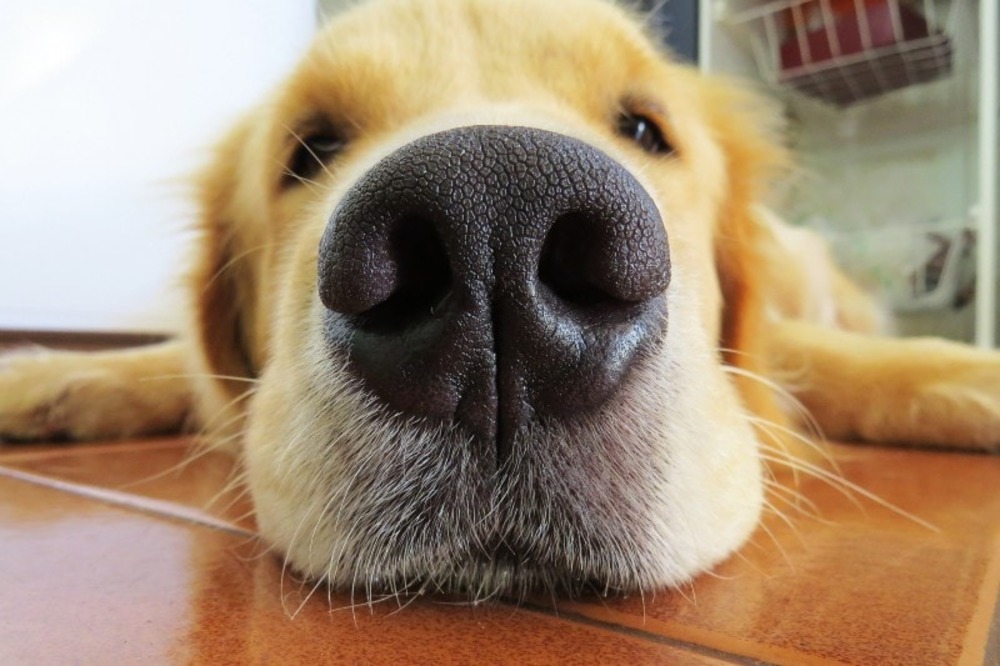
Even though we rarely give it much consideration, a dog’s nose is a little strange when you think about it. After all, we never walk around with dripping nostrils unless we have a cold, but a dog’s wet nose is perfectly normal and typically a sign of good health.
So, what is the point of the moist muzzle? Should you worry if it becomes dry? We can comfort you by letting you know that wet and cold nose is usually a sign of a healthy dog. Get a better handle on your pet’s health by learning what it means when a dog’s nose is wet and cold.

What Does It Mean When a Dog’s Nose Is Wet and Cold?
A wet, cold nose is normal for a dog and generally means they are healthy. Several glands and ducts moisturize the nose, and dogs lick their snouts to keep them sufficiently saturated.
Dogs may also incidentally wet their noses by sticking them into moist materials during their daily adventures. In maintaining a wet nose, dogs boost their senses and make the world easier to navigate.
A Wet Nose Improves a Dog’s Sense of Smell
A dog’s nose is their most crucial tool for communication, understanding their environment, and general survival. While most of our sensory power is sight-based, a dog’s physiology gears toward interpreting incredible amounts of information through scent alone.
The olfactory area of the dog’s brain is around 30 times larger than a human’s. The epithelium containing the nasal cavity’s sensory cells is roughly 20 times larger in dogs, and they have up to 300 million scent receptors compared to our 5–6 million.
Dogs detect odors 10,000–100,000 times better than people. And to catch those smells, dogs rely heavily on their moist nose. When a dog’s nose is wet, it traps and processes scents more efficiently.
Odor particles stick to and dissolve in the moisture and pass readily to receptor cells. If dogs need help identifying smells, they’ll lick their nose to moisturize and grab more airborne particles.
Cold Noses Help Dogs Detect Heat Signals
Dogs have naturally cold noses. The rhinarium (the skin-covered area at the nose tip) is typically ~9°F colder than ambient air at around 86°F. That difference decreases as the environmental temperature drops, with the nose and air equaling around 59°F.
While it once seemed that the cold nose was part of thermoregulation to keep dogs cool on hot days, we now know it is more connected to their role as carnivores.
A 2020 study found dogs could detect faint thermal signals through their rhinarium, identifying heat sources between two identical objects from 5.25 feet away.1 MRIs showed somatosensory cortex activation in the left hemisphere, the area of the brain that seems to play a crucial role in prey detection.
As a meat eater, the dog likely uses their cold nose to sense heat signals from nearby animals.
Moisture Helps with Thermoregulation
Dogs cool down on hot days primarily by panting and releasing heat through their paws. While panting involves allowing moisture to evaporate from their tongues, dogs also keep themselves cool with the help of watery fluid in their noses.
Lateral nasal glands in the nasal passage secrete a thin liquid onto the epithelium lining the nostrils. Increased blood flow supplies heat to the mucus layer, allowing for evaporation to occur and help cool the dog.

Why Do Dogs Lick Their Noses?
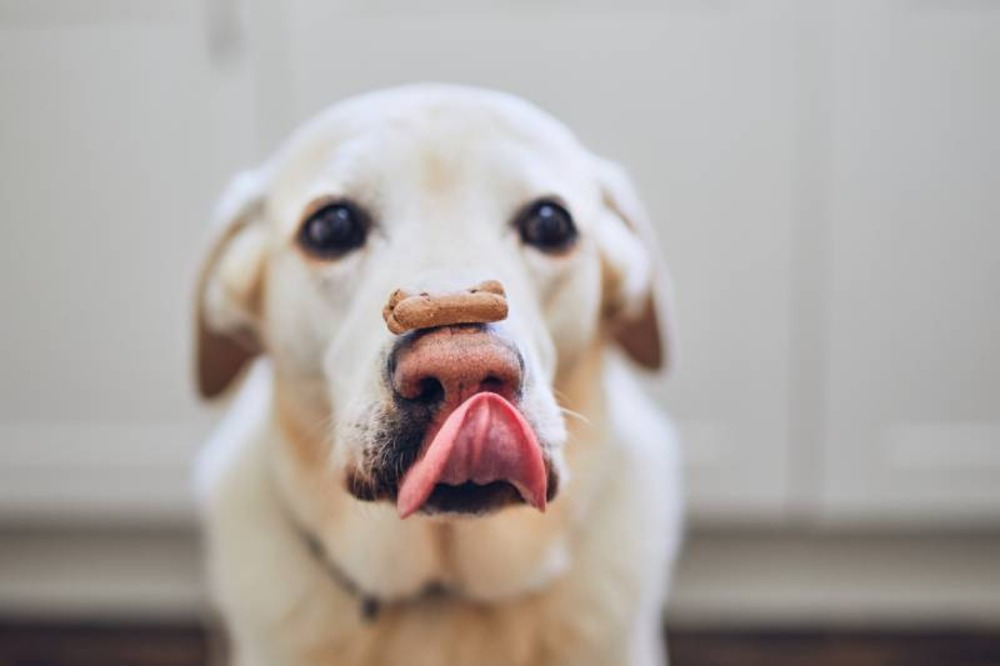
Since a wet nose works better, dogs want to keep it moist by licking it as needed. But lapping at their nostrils can help in other ways. Licking cleans the nose and keeps it healthy. At the same time, it can further enhance the dog’s senses by stimulating the vomeronasal organ.
The vomeronasal organ (VNO), or Jacobson’s organ, sits between the nasal and oral cavities. Connected ducts open in the roof of the mouth behind the front teeth to catch scent compounds. The organ works independently of the olfactory epithelium; it detects pheromones and low-volatility odors to expand the dog’s senses.
Dogs draw odors to the vomeronasal organ in several ways. For instance, the flehmen response makes the upper lip curl to help particles enter the ducts. Alternatively, dogs can lick their noses, capturing particles on their rhinarium with their tongues and transferring them directly to the VNO for processing.
Does a Dry Nose Mean a Dog Is Sick?
While a wet, cold nose is typical, a dry nose doesn’t necessarily mean a dog is sick. When dogs sleep and aren’t regularly licking their face, a warmer, drier nose isn’t uncommon. Individuals also differ in this area, with some dogs having drier noses than others, so it’s essential to establish what’s standard for your pup.
A dry nose with accompanying signs of illness or discomfort should be cause for concern and require a call to a vet. Likewise, an overly wet nose with substantial drainage or thicker, yellow mucous can also be troubling, indicating a respiratory infection.
Did you know you can speak to a veterinarian without having to travel? Just head over to PangoVet. It's our online service where you can talk to a vet online and get the advice you need for your pet — all at an affordable price!

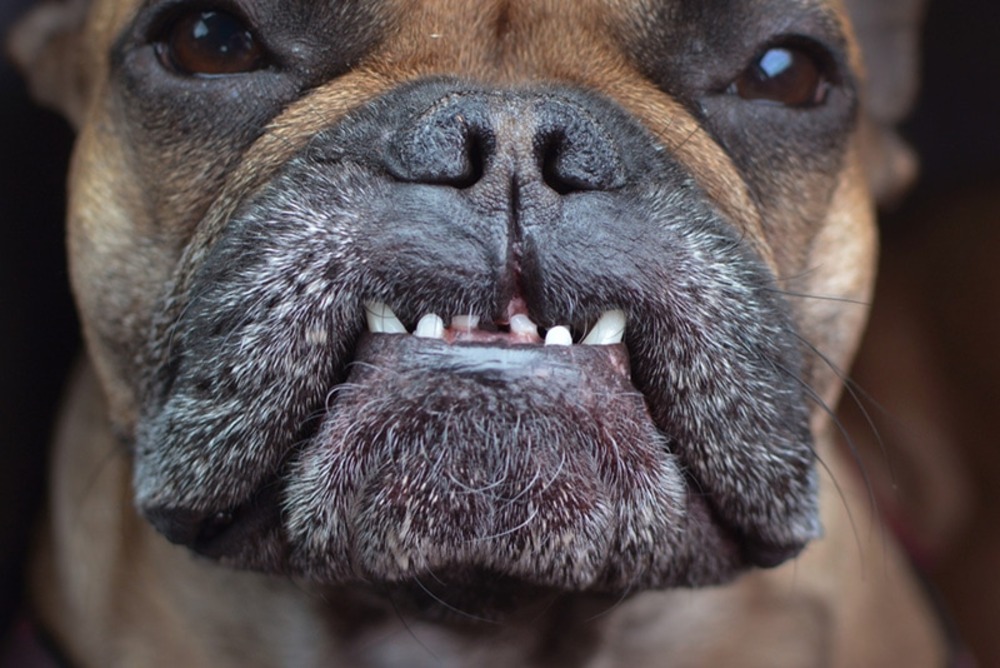
Though some breeds, like brachycephalic dogs, are more prone to dry noses, several environmental factors and physical issues can also come into play. The following are a few reasons your dog might have a dry nose.
Sun Exposure or Dehydration
Hot summer days set many dogs up for dry noses. Sunburn and prolonged exposure to heat sources can cause a dog’s nose to dry out or even burn. Meanwhile, dehydration can exhaust your dog’s ability to keep their nose wet.
Among other signs, a dry nose on a sweltering sunny day might indicate your dog needs a break and a drink. If it’s a frequent issue, a dog-safe sunscreen and a change in routine could be necessary for outdoor activities.
Nasal Hyperkeratosis
Hyperkeratosis occurs more often in older dogs when your pup produces excess keratin, a protein that makes up their skin, nails, and hair. As it accumulates, your dog’s nose can develop thick, dry calluses.
Though not a dire concern, the dried nose can become problematic if it cracks and causes pain or secondary infections. Veterinarians will diagnose the issue to determine whether there’s an underlying health problem.
Treatments could be necessary depending on the severity. Vets may remove excess keratin or offer topical medications to moisturize the nose and supply anti-inflammatory and antibiotic benefits.
Nasolacrimal Duct Obstruction
Another tool that helps keep the dog’s nose wet and cold is the nasolacrimal duct. The lacrimal gland in the eye, which is responsible for tear production, allows excess tears to channel through this duct to the nose. When it’s obstructed, tears can overflow in the eye while the nose dries out.
Inflammation or infections in the duct, the lacrimal gland, or eye can cause these blockages. The dry nose may accompany apparent eye issues. Medications and antibiotics can offer relief, but surgery is occasionally necessary to restore the duct’s function.
Dry Eye (Keratoconjunctivitis Sicca- KCS)
Dry eye is an autoimmune condition that affects the tear glands. The resulting deficiency in tear production can also lead to a dry nose. If only one eye is affected you may notice that only one side of the nose is dry.
KCS is a condition that can be treated and managed with medication from a veterinarian.
Final Thoughts
With all the pieces that work to keep the snout saturated, you can rest assured that a wet, cold nose usually means your dog is healthy. However, all dogs are different, and some have drier or wetter noses than others. Understanding what’s normal for your dog will help you understand how to respond when their nose is unusually cold and damp or warm and dry.
Featured Image Credit: Miranda, Pixabay
 What Does It Mean When a Dog’s Nose Is Wet and Cold?