Scottish Terrier: Info, Pictures, Facts & Traits

In this article
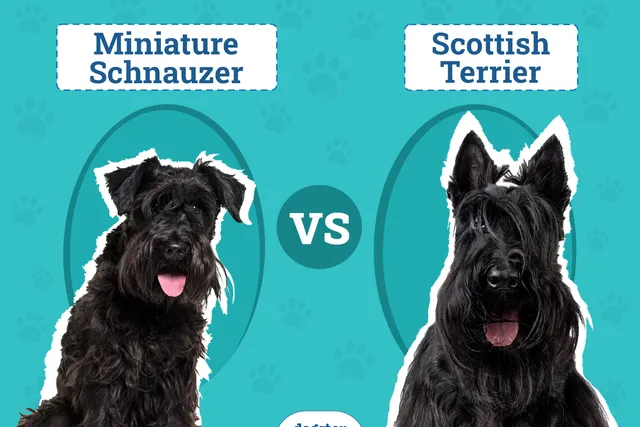
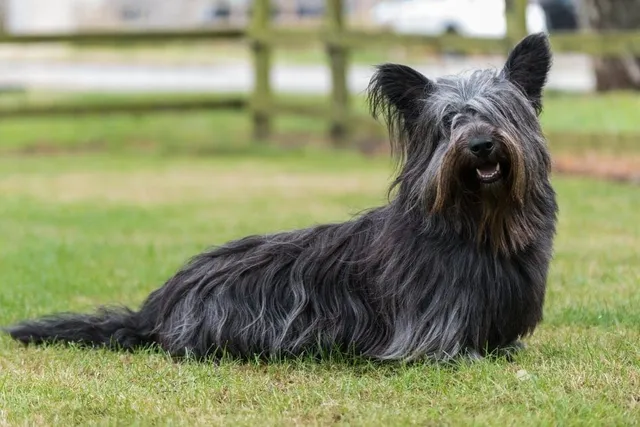
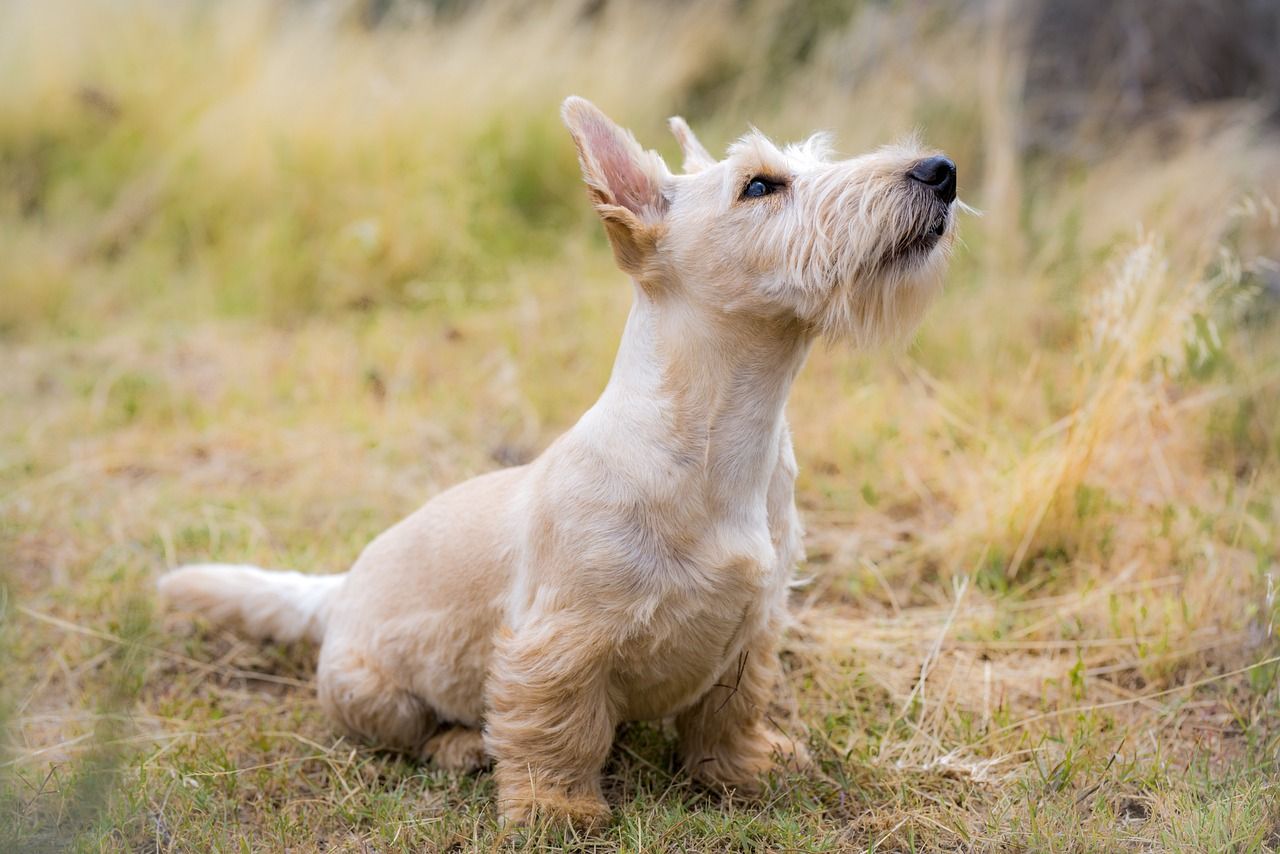
The perky, compact Scottish Terrier is one of the most recognizable dog breeds out there. They have a small, compact body with erect ears, bright eyes, and a wiry black, wheaten, or brindle coat. And who can forget that endearing mustache/beard combo many Scotties sport?
Breed Overview
Height:
Weight:
Lifespan:
Colors:
Suitable for:
Temperament:
Scotties are known to be intelligent self-starters with a strong work ethic, family-oriented social nature, and strong loyalty. Decidedly not low-energy couch potatoes, the Scottish Terrier makes a great watchful companion for families with older kids, seniors, or singles. Let’s learn some more about this animatedly aristocratic breed down below.
Scottish Terrier Characteristics

Scottish Terrier Breed Puppies
Scottish Terriers are less numerous than they once were but still popular enough that you shouldn’t have too hard a time finding one. The Scottish Terrier Club of America is the official kennel club for the breed where you can learn about the breed and possibly make connections with owners who can give references to reputable breeders.
You should do your homework when searching for a Scottish Terrier breeder because crossbreeds with the Scottie are becoming very popular. Shifty, disreputable breeders will gladly pass off a Scottie mix as purebred if they can. Just make sure that you’re purchasing from a reputable breeder before bringing one of these dogs home.

Scottish Terrier Breed Origin & History
The modern Scottish Terrier is related to the West Highland White Terrier and is also thought to be related to an old breed called the Skye Terrier (not the modern Skye, either). A very old breed, the oldest depictions of the Scottie go back to the 17th century. They were very popular in England after King James VI became enamored with them, but they’ve recently declined as crosses of the Scottish become more popular among dog owners.

Temperament & Intelligence of the Scottish Terrier 🧠
Scottish Terriers can appear stoic and placid, but they’re anything but once you get to know them! Scotties are charming gentlemen with self-confidence in spades. Unafraid to chase down the most daunting leads, Scottish Terriers have a lion-like courage that makes them a great family watchdog. They’re social pups with proper socialization but tend to be aloof by nature. It takes some work to bring them out of their shell, but you find a feisty and loving dog underneath.
This breed is marked by their intelligence just as much as their courage. Scottish Terriers are more partners than pets, and that makes them delightful dogs for the right family. Some Scotties are said to know the difference between their family’s footsteps and a stranger’s. If you’re looking for a spirited family companion with a mind of their own, the Scottish Terrier could be the right dog for you.
Are These Dogs Good for Families? 👪
Scottish Terriers are known to bond closely with their family and some can even be one-person dogs. They’re not the best small breed for families with young children, sadly, because they’re not very tolerant of shenanigans. At worst, they could bite when poked and prodded without supervision. They can be a great companion for singles, families with kids, or seniors as well. What’s important is that Scotties get enough human time because they thrive with their people even if they don’t show it.

Does This Breed Get Along With Other Pets? 🐶 😽
This breed can be a little overbearing with other dogs, and the Scottish Terrier may even attempt to dominate larger dogs! Early socialization helps mellow them out a little bit, but they’re still best suited for dog-only households. Scotties are happy to terrorize or chase cats, and their high prey drive makes them potentially fatal for small prey pets, like hamsters or rabbits.

Things to Know When Owning a Scottish Terrier
Food & Diet Requirements 🦴
Scottish Terriers might be little dogs, but they still need the best quality nutrition. The AKC says that Scotties do well with dog food containing mid-20% protein, but they’ll need more when they’re puppies. A good puppy kibble will offer everything they need to grow up strong and healthy. A complete and balanced diet will also have healthy carbs, fats to help produce energy, and a bunch of vitamins/minerals that help promote healthy organ development and function.
Scottish Terriers appreciate a well-rounded meal with ingredients like meat, veggies, and occasionally fruit, even if they get everything they need from a good kibble. You can offer them some lean meat like beef, turkey, lamb, or chicken daily with no ill effects. Veggies should be in moderate amounts, opting for fiber and vitamin-rich choices like sweet potato, carrots, broccoli, kale, and spinach. Leafy greens in particular are good for Scotties and are known to delay their risk of developing bladder cancer. However, any human foods should be offered as rare treats, unless you’ve had their homemade diet cleared by a pet nutritionist.
Exercise 🐕
Scottish Terriers are an active but little dog that’s easily satisfied with half an hour to an hour of exercise every day, but that’s not all! Scotties are inquisitive and excel at athletic pursuits when they put their mind to them. Specifically, they’re great at Earthdog digging and agility courses where they can best show off their skills in a controlled but independent setting. Scotties are notorious diggers who will find a way to satisfy their natural instinct to dig, so some folks recommend having a designated digging zone for them to do their thing where it won’t do any harm.
Mental stimulation keeps the Scottish Terrier engaged without being destructive, and bored Scotties are known to turn to digging or chewing to vent their frustrations. Give them enough toys to keep them occupied during downtime, and consider mental games or interactive toys like snuffle mats to tap into their love for digging.

Training 🎾
Scottish Terriers are hard to train for first-time dog owners because they were bred to work apart from their owners in the field. Less eager to please than other breeds, you have to work with the Scottie on their own terms to an extent. It helps a lot if you find a treat they love to incentivize training and to use as positive reinforcement. Scotties give out their trust sparingly, and it can take some time to build a solid bond with them.
Underneath the stoic exterior, they’re softies that respond poorly to raised voices. Instead of punishing their often-headstrong behavior, you want to offer a desirable reward for performing desirable actions. This extends to things like housetraining and obedience later as well, but you may have to exercise patience, as Scottish Terriers like to do things in their own time. Maintain firm boundaries and expectations for your training sessions and keep your initial sessions short while they build up a tolerance for longer training.
Grooming ✂️
Scottish Terriers have a unique wire coat that requires periodic stripping to keep the coat in sleek, clean condition. If you don’t want to do this yourself, a dog groomer would be happy to assist with the task. Otherwise, the Scottie doesn’t shed a ton, and you can brush them once a week to keep the worst of the hair off your furniture. Baths should be fairly sparse—every 2 months should do the trick unless your Scottie gets visibly dirty. Use a gentle shampoo with nourishing ingredients.

Health and Conditions ❤️ 🏥
Most Scottish Terriers are healthy dogs that live to 12 years or older, but the breed is predisposed to develop certain health problems more often than other dogs. Good breeders have health screenings done to detect health problems, but such screenings can’t rule out all health problems. Let’s look at the most common health problems for the Scotties so you can be more aware of what health issues they may face later in life.
Minor Conditions:
- Von Willebrand’s Disease: Typically treatable with medication, this bleeding disorder causes problems with blood clotting and can make surgeries risky.
- Scottie cramp: This inherited condition exclusive to the Scottish Terrier causes irregular muscular spasms in the legs and back. Mild cases require no treatment but severe cases might call for medication.
- Craniomandibular osteopathy: This bone disease that appears during adolescence affects the growth of several skull bones, which usually isn’t serious but can cause severe problems with the jaw in the worst cases.
Serious Conditions:
- Cancer: Scotties are more likely to develop bladder cancer and lymphoma than other breeds, and this predisposition makes your annual wellness checks even more essential.
Male vs. Female
The main difference between male and female Scottish Terriers is their size. Males are a little bigger at 21 to 22 pounds, while females may only grow to 19 or 20 pounds. Every dog has their own vivid and unique personality, and there’s no real personality difference between the sexes.
3 Little-Known Facts About the Scottish Terrier
1. Celebrities, Monarchs, & Presidents Have Owned Scottish Terriers
The delightfully spunky Scottish Terrier has won over some of the most famous people in recent history. Just a few famous people who have owned them include US Presidents Franklin Roosevelt and George W. Bush, Queen Victoria, Shirley Temple, Humphrey Bogart, Bette Davis, and Eva Braun.
2. They’re Just One of Five Scottish Terriers
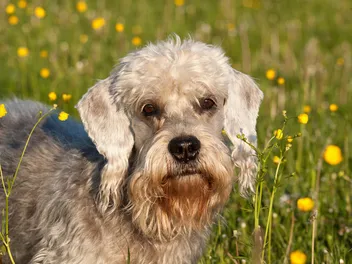
They might be called the Scottish Terrier, but they’re really just one of Scotland’s five native terrier breeds. The others are the modern Skye Terrier, Cairn Terrier, West Highland White Terrier, and Dandie Dinmont Terrier. The Scotties themselves are more closely related to the West Highland White Terrier than any of the others.
3. Scottish Terriers Love to Bark
Scotties are famously vocal dogs that naturally settle into the watchdog role at home. Unlike some other small breeds, the Scottish Terrier has a surprisingly deep bark that can dissuade potential intruders all on its own. They can quickly descend into nuisance barking without proper training.

Final Thoughts
Scottish Terriers aren’t as popular as they used to be, but their rugged can-do attitude and loyal nature make the Scottie a perfect watchdog for almost any family. They require some grooming to stay presentable and can give you trouble during training, but once you click, the Scottish Terrier is a spectacular addition to your family.
See also:
Featured Image Credit: LaresaPerlman, Pixabay
Expert dog care, straight to your inbox
News, insights, expert advice, and everything dog.

No spam — unsubscribe anytime.
By signing up, you agree to our Terms & Conditions and Privacy & Cookies Policy.
How useful was this post?
Click a star to rate. You can leave written feedback afterwards. (We read all feedback.)
Codee Chessher is a freelance writer whose motto is: there is nothing a well-worded sentence can't accomplish! He loves to write about pets, travel, DIY, and more. Codee's experience is varied, but the written word has always been his strongest and biggest passion.