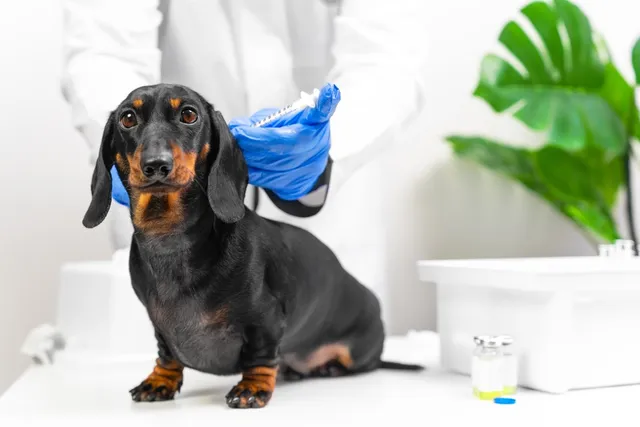
Leptospirosis in Dogs: Our Vet Discusses Transmission, Signs & Treatment


In this article
Leptospirosis is a disease caused by Leptospira bacteria that affects both animals and people. It is most often spread through exposure to the urine of infected animals, either directly or through infected water or soil.
Leptospirosis can cause very serious illness in dogs by damaging vital organs, primarily the liver and kidneys. The disease is especially prevalent in areas with warm climates and high rainfall, where the bacteria thrive in water. However, all dogs are at risk of leptospirosis regardless of location and time of year. The good news is we can vaccinate dogs against the strains of Leptospira that most commonly cause disease in our canine companions.
Understanding the risks and signs of leptospirosis, as well as how to prevent it, is essential for your dog’s and your own health. Here’s what you need to know about leptospirosis in dogs.

What Is Leptospirosis?
Leptospirosis is caused by spiral-shaped, motile bacteria (spirochetes) of the genus Leptospira. The species Leptospira interrogans contains the organisms that cause disease.1 This species is then subclassified into smaller related groups called serovars, which produce different types of disease and are found in different geographical areas. At least ten serovars are important for pets, and vaccines exist against four of them for dogs. In humans, leptospirosis is known as Weil’s disease, and there is no vaccination available.
The bacteria thrive in warm and moist environments, often in stagnant water. However, although dogs in some areas may be more susceptible than others, leptospirosis can be found across the United States and all dogs are considered at risk.

How Is Leptospirosis Transmitted
Many different animals can spread leptospirosis in their urine; rats and other rodents are probably the main reservoirs of infection worldwide. The bacteria contaminate water and soil, and in the right conditions, they can survive in the environment for weeks to months. Leptospira has hook-shaped ends and can penetrate through mucus membranes (mouth, nose, or eyes) or broken skin. Dogs can contract leptospirosis through direct and indirect contact with the bacteria:
Direct Contact
Leptospira bacteria can be transmitted by a dog contacting infected animal urine, including from other dogs, wildlife such as rats and raccoons, and livestock. It can also be transmitted through bite wounds or predation of infected wildlife.
Indirect Contact
Dogs can also be infected by contaminated water (drinking, swimming, walking through), soil, food, or bedding.

What Are the Signs of Leptospirosis
The clinical signs of leptospirosis can vary widely, ranging from mild (and even asymptomatic) to severe. Leptospirosis can lead to kidney failure, liver failure, and hemorrhagic (bleeding) tendencies that can be fatal.
Signs can include:
If you’re concerned about your pet's health, you should contact a vet.
Diagnosing Leptospirosis
Your veterinarian may be suspicious of leptospirosis based on the signs your dog is showing, their exposure history, and vaccination status. However, the signs of leptospirosis are nonspecific and similar to many other diseases. Your vet may run several tests to help confirm the diagnosis:
Blood tests
A complete blood count and biochemical profile can reveal signs of infection and kidney and liver damage.
Urinalysis
Urine tests can show evidence of kidney problems, such as protein in the urine and abnormal sediment.
Microscopic Agglutination Test (MAT)
This test detects antibodies against Leptospira in the dog’s blood. A rising antibody titer over time indicates an active infection.
Polymerase Chain Reaction (PCR)
This test detects Leptospira DNA in the blood, urine, or tissue samples, providing a definitive diagnosis.
How Do I Care for a Dog With Leptospirosis
Leptospirosis is generally treated with antibiotics and supportive care. Hospitalization and intravenous fluid therapy may be necessary, and dogs with severe disease may need intensive care, such as oxygen therapy. For dogs who are struggling to pass urine with supportive treatment, referral for dialysis can be an option to support the kidneys while they recover. The earlier the infection is treated, the better the prognosis.
As infected dogs shed large amounts of Leptospira in their urine, you also need to take precautions if you are caring for them at home to reduce the risk to you and your family:
- Follow your vet’s instructions closely.
- If you are pregnant, immunocompromised, or have any questions about leptospirosis in people, consult with your physician.
- Give the antibiotics as prescribed by your vet.
- Wash your hands after handling your infected dog.
- Avoid contact between your skin and your dog’s urine. Wear gloves to clean up any urine and clean it up quickly in the house. Household disinfectants or a dilute bleach solution kill the bacteria.
- Try to prevent your dog from urinating near standing water or areas other people or animals can access.

Prevention of Leptospirosis
Vaccination
Vaccination is the best way to prevent leptospirosis. Even though leptospirosis is listed as “noncore” in the 2022 AAHA Canine Vaccination Guidelines, because of the risk from this potentially life-threatening disease, experts now recommend that all dogs should be vaccinated. Typically, a series of two vaccinations, four weeks apart, is given from 12 weeks of age. Currently available vaccines provide good protection against disease for at least one year, so annual boosts are required.
Concerns have existed regarding side effects after leptospirosis vaccination against Leptospira, but research has shown no significant increase in hypersensitivity reactions when compared with other vaccinations. As with any medication or vaccination, it’s possible for dogs to have a reaction, but modern vaccines are safe, and serious side effects are very uncommon.
Minimizing exposure risks
Reducing your dog’s exposure to potential sources of leptospira bacteria reduces the risk of infection. Try to avoid letting your dog swim in or drink from stagnant water and keep your dog away from livestock and wild rodents as much as possible. Following infection, some dogs become long-term carriers, and while they appear healthy, they can put other animals and humans at risk unless strict hygiene precautions are observed. Speak to your vet for advice if your dog has had leptospirosis.
Frequently Asked Questions (FAQ)
Which dogs are most at risk of contracting Leptospirosis?
In the past large-breed outdoor dogs with exposure to standing water were considered to be the most at risk of Leptospirosis. However, more recent studies have shown an increasing prevalence of the disease in small-breed dogs from urban environments. This may be due to a lack of vaccination and increased exposure risk to rodents. So, any dog—even those with limited outdoor access in urban areas—is vulnerable to this disease.

How can I protect my dog from Leptospirosis?
Vaccination is key to protecting your dog from this serious and potentially fatal disease. Talk to your veterinarian about which vaccination is best for your dog and how to incorporate it into your dog’s vaccination program. While limiting exposure to the outdoors is impractical for most dogs, you can limit your dog’s access to standing water, minimize contact with wildlife, and prevent rodent problems.
Can cats get Leptospirosis?
Cats can get leptospirosis. Previously, it was believed that cats were not susceptible to infection as they rarely show the signs of leptospirosis seen in other animals. However, it is now thought that the bacteria might play a role in long-term kidney disease.
Conclusion
Leptospirosis can be found throughout the United States, and recent data has shown that all dogs are at risk, regardless of their breed, lifestyle, or where they live. It is a zoonotic disease, meaning humans are also vulnerable to infection. It is important to be aware of the risks of this serious disease to your dog and the rest of your family. Vaccinating your dog protects them against infection and reduces the risks of human exposure as well.
Sources
https://veterinarypartner.vin.com/default.aspx?pid=19239&id=4951453
https://todaysveterinarypractice.com/preventive-medicine/vaccination-overview-leptospirosis/
https://www.msdvetmanual.com/generalized-conditions/leptospirosis/leptospirosis-in-dogs
https://www.avma.org/resources-tools/pet-owners/petcare/leptospirosis
Featured Image Credit: SeventyFour, Shutterstock
Expert dog care, straight to your inbox
Vet-reviewed advice, training tips, and the best of Dogster. Free, and you can unsubscribe anytime.
By signing up, you agree to our Terms & Conditions and Privacy & Cookies Policy.
Dr. Amanda Charles BVSc MRCVS (Veterinarian)
Dr. Amanda Charles, a 2002 graduate from Liverpool University, has built a prolific career in small animal medicine. She is passionate about providing pet owners with reliable and current information, enjoying the varied aspects of veterinary work. Outside the clinic, Amanda's life is filled with the energy of her two young sons, her spirited Cocker Spaniel, along with a spunky Ragdoll cat.
Dr. Charles is an accomplished veterinarian with a focus on small animals, particularly in the area of skin conditions, backed by over 20 years of experience and a Postgraduate Certificate in Dermatology. She practices part-time, offering extensive consultations on dermatology, and finds fulfillment in telemedicine and editorial roles.
Join the conversation
Ask a question, share your story, or send private feedback.