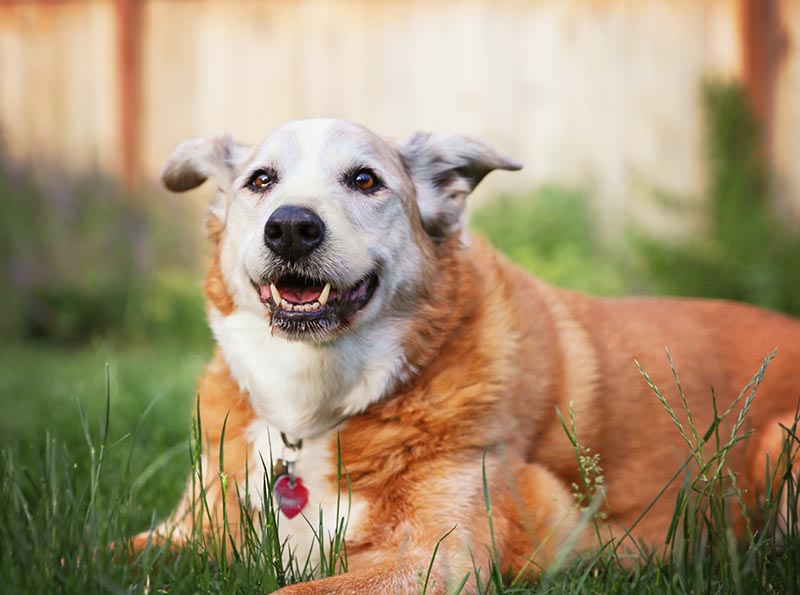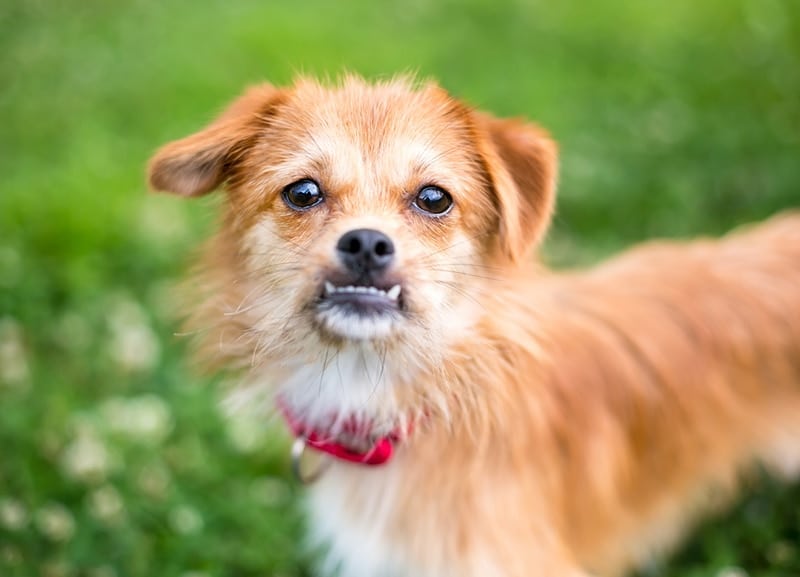
Does your dog have one of those cheesy grins? Those lower teeth sticking out further than the top, or perhaps it’s the top ones that are in the lead? If this sounds like your dog, then they likely have a malocclusion. Malocclusion is when the teeth or jaw do not line up as they should, and this can be a hereditary (inherited through breeding/genetics), congenital (individual birth defects), or acquired (happens later in life) condition.
Malocclusions are classified into four different types, each of which can range from mild to severe. With the exception of Class 1 malocclusions, they all involve a skeletal abnormality of the upper (maxilla) or lower (mandible) jaw.
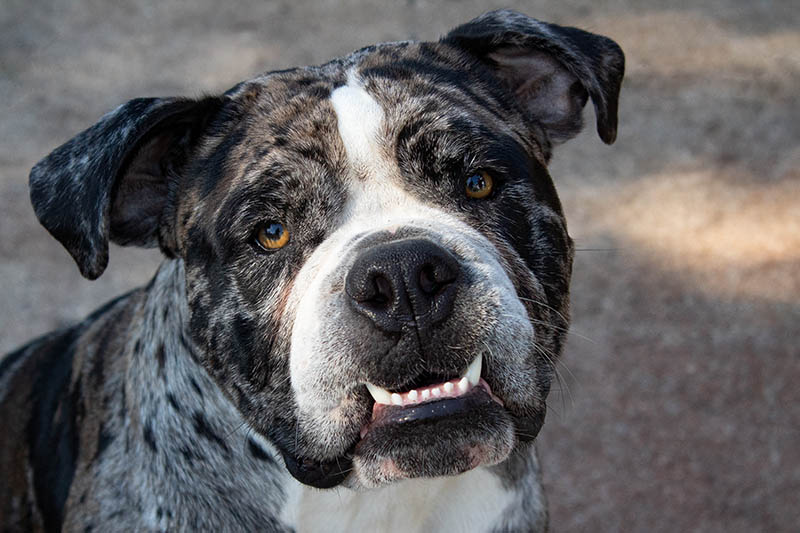
Underbites, also known as prognathism, are considered “normal” for some breeds. It is a genetic defect that has been amplified by selective breeding in dogs such as Boston Terriers, Bulldogs, Boxers, Pugs, Shih Tzu, and Pekingese. As cute as this feature may seem, more severe forms can cause serious problems and prohibit the normal functioning of the mouth.

What Is Canine Malocclusion?
Canine malocclusion is when the teeth in a dog’s mouth are misaligned. The condition can be noticeable as early as puppyhood when the pup develops its deciduous teeth (aka baby or milk teeth). If the deciduous teeth come in and set incorrectly, the adult teeth are sure to follow the same positioning and cause worse problems.
Malocclusion can also occur when the dog is an adult, but in this case, it will be due to an injury or growth, rather than being hereditary. Once the malocclusion has developed, it cannot improve without intervention. Canine malocclusion is only a concern when it affects the functionality and comfort of a dog, as opposed to their appearance. As mentioned above, many dog breeds can function normally with their imperfect teeth positioning, but they are a lot more susceptible to dental disease.
What Are the Different Types of Malocclusion?
There are four classes of malocclusion, and the one you are probably most familiar with is Class 3: the underbite.
| Class 1 | Malocclusion of individual teeth | Congenital or acquired | Jaw not affected, abnormal placement of individual tooth or teeth |
| Class 2 | Brachygnathism – overbite
“short jaw” |
Usually congenital. | Is actually due to the malformation/incomplete formation of the lower jaw. |
| Class 3 | Prognathism – underbite
“forward jaw” |
Mostly hereditary.
Seen in breeds such as Bulldogs, Boxers, Shih tzus |
Usually associated with brachycephalic breeds. Shortening of mandible not proportional to shortening of maxilla, resulting in protruding lower jaw. |
| Class 4 | Wry bite
Rare |
Usually due to trauma or something impacting development. | One quadrant of the jaw (eg. left mandible) is of different length or angle to rest of mouth |
What Are the Signs of Canine Malocclusion?
Signs can vary depending on the severity of the dog’s malocclusion, but they will likely have one or more of the signs below:
- Noticeable misalignment of teeth
- Abnormal jaw structure
- Difficulty chewing
- Difficulty picking up food with their mouth
- Avoiding small food chunks
- Discomfort or pain when chewing
- Mouth breathing
- Unable to close their mouth
- Food falls out of the mouth when they eat
- Bad breath
- Bloody drool
- Spasming jaw muscles
- Pawing at their face/mouth
- Gum disease
If your dog has discomfort or pain because of their malocclusion, you may notice changes in their behavior, and these signs shouldn’t be ignored. Instead, take your dog to the vet because untreated malocclusions can lead to health complications and great pain that could have been avoided.
What Are the Causes of Canine Malocclusion?
Canine malocclusions differ based on whether they are dental or skeletal abnormalities, meaning that they can be the result of a few abnormally positioned teeth or an abnormal facial structure that causes the teeth to sit incorrectly. Underbites are usually hereditary, as in the case of short-faced or long-faced dog breeds, which have abnormal facial structures due to breeding.
However, these abnormalities can also come about due to an infection during gestation or during their development. It can also occur when milk teeth don’t fall out, which causes overcrowding in the mouth. Trauma can also lead to malocclusion, as in the case of a bite to the face by another animal or being hit by a car, which can cause a jaw fracture.
How Is Canine Malocclusion Treated?
Functional malocclusions usually don’t require treatment or special care other than regular checkups at the vet and regular cleaning. The best thing you can do is leave unproblematic misaligned teeth alone; repairing them for cosmetic purposes is unnecessary and unethical. Treatment always includes anesthetic procedures and recovery, which should be avoided where possible.
However, if the tooth-to-tooth contact is causing erosion or trauma to the soft tissue in the mouth or the teeth, something needs to be done to stop your dog from experiencing pain, discomfort, or trouble eating. Non-functional malocclusions can be treated by removing deciduous teeth or any offending teeth, reshaping or shortening certain teeth, reshaping gum tissue to reduce contact with the offending teeth, or reshaping the bone below.
Sometimes, the problem can be fixed with one procedure, but many times, they require several procedures. In many instances, tooth extractions may be required if there is overcrowding or misplaced teeth are causing pain and damage. Although losing a tooth (or several) can be quite traumatic for us, dogs cope extremely well after dental extractions, particularly if they were previously experiencing pain or discomfort.
How Do I Care for a Dog with a Malocclusion?
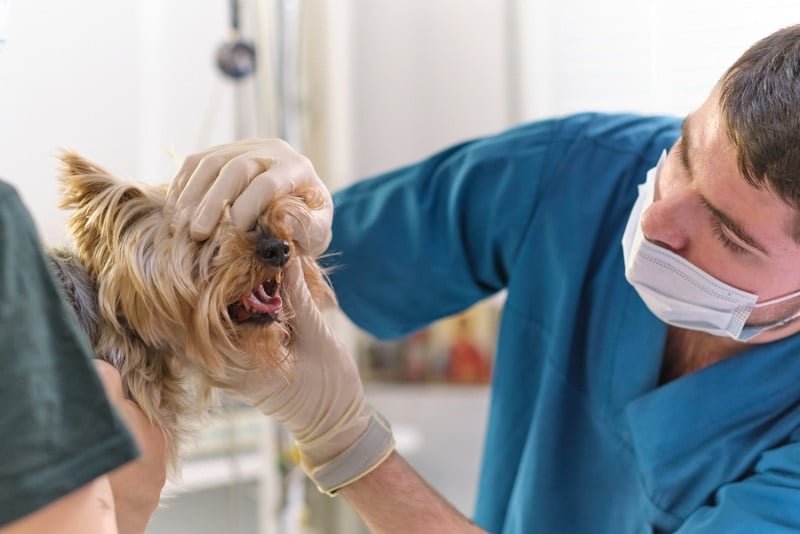
If your dog has a mild type of malocclusion, taking them for their annual vet appointments will help your vet determine if it is worsening and whether the malocclusion requires treatment. You can also keep an eye on your dog’s condition at home, making sure that no teeth are rubbing against others and causing erosion or puncturing the palate or gums.
If your dog’s mouth is overcrowded with teeth because their milk teeth haven’t fallen out, brushing their teeth often is important to reduce plaque and prevent gingivitis, but extraction of these teeth is the treatment of choice. Taking them for professional teeth cleanings is also essential.

Frequently Asked Questions (FAQ)
What Is Parrot Mouth?
Parrot mouth is a type of malocclusion whereby the upper teeth sit further than the bottom teeth in the mouth. It is also known as an overbite or brachygnathism.
Can Dogs Wear Braces?
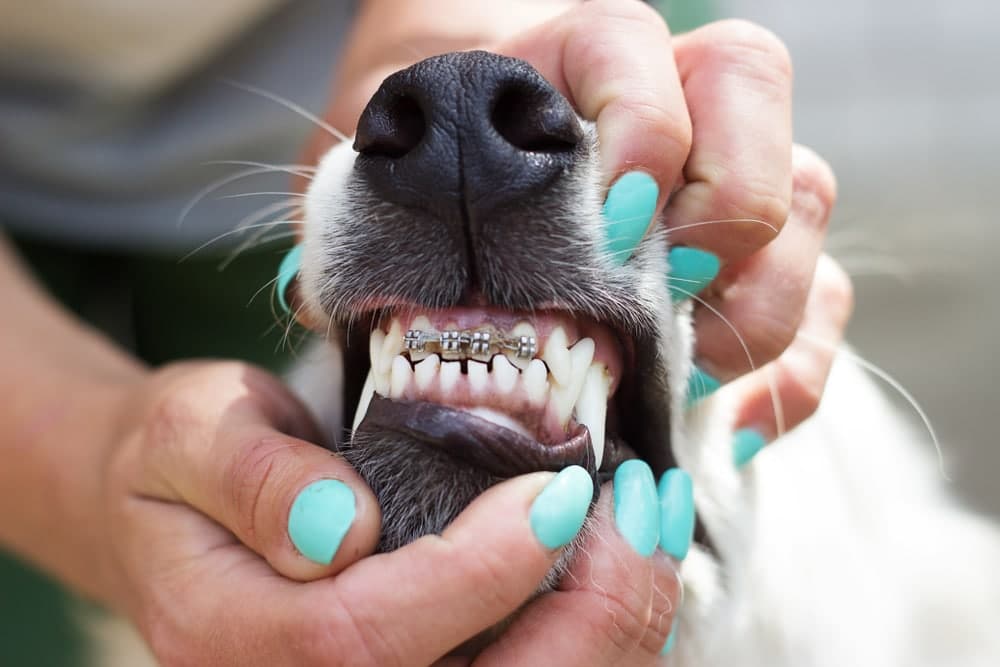
Braces for dogs are available from some veterinary orthodontists, but are not widely used. If you’ve ever worn braces yourself, you’ll know that they can be uncomfortable, even painful, and need to be worn for 6 months to 2 years.
Most malocclusions can be dealt with using cleaning, extractions, or other means, and braces would only be recommended if it was the only way to safely treat the problem. They should never be used purely for cosmetic purposes, as this would be cruel and unethical.
Can Canine Malocclusion Fix Itself?
A malocclusion cannot fix itself with time, regardless of the type or severity of your dog’s condition. In fact, the opposite is true, as malocclusion tends to worsen as the dog develops.
Conclusion
An underbite is a type of malocclusion where the bottom jaw (mandible) is longer than the upper jaw (maxilla). Also known as a class 3 malocclusion or prognathism, underbites are quite common, and are a feature of most brachycephalic breeds. Most malocclusions are functional, and the dog will not need specific corrective treatment, but they do require extra care and attention when it comes to dental hygiene.
Featured Image Credit: Mary Swift, Shutterstock