Diabetes in Dogs: Our Vet Discusses Causes, Signs & Treatment

In this article
View 5 More +Diabetes mellitus, sometimes referred to as “sugar diabetes”, is a metabolic disorder that affects the body’s ability to regulate blood sugar levels. Diabetes mellitus occurs when a dog has a lack of or abnormal response to insulin, which results in excess sugar (glucose) in the blood.
Fortunately, with the right treatment and careful monitoring, diabetes mellitus can be well managed, allowing your diabetic dog to live a long and happy life. The more you know about diabetes, the better you’ll be able to work with your veterinarian to look after your dog’s health. Read on to find out more about the signs of diabetes and how it is diagnosed and treated.

What Is Diabetes?
Diabetes mellitus is a condition that occurs when a dog can’t produce enough insulin or has an abnormal response to it. Insulin is a hormone produced by the pancreas that allows glucose to enter cells, providing them with energy to function and maintaining glucose in the bloodstream within normal levels. Diabetic dogs can’t control their blood sugar levels, leading them to become dangerously high.
When your dog eats food, the carbohydrates are broken down into simple sugars, including glucose, in the gastrointestinal tract. Glucose is absorbed from the intestines into the blood, where it travels to cells throughout the body.
If there is not enough insulin available, glucose can’t enter cells to be used for energy and builds up in the bloodstream, which is known as hyperglycemia. This means there is not enough energy for cells to function normally, and they become starved. The build-up of glucose in the bloodstream spills into the urine and draws in water, leading to increased thirst and urination.

What Are the Causes of Diabetes?
Most dogs have Type I diabetes mellitus (insulin-dependent) and an absolute lack of insulin due to the destruction of insulin-producing beta cells in the pancreas. This condition is usually caused when the body attacks and destroys its own insulin-producing cells, but it can sometimes res
Type II diabetes (non-insulin-dependent) is extremely rare in dogs, and there is no evidence of the canine equivalent of human Type II diabetes. It occurs when the pancreas produces some insulin, but the amount produced is insufficient, and/or the body’s cells respond poorly to the insulin. In dogs, insulin-resistant diabetes usually results from hormonal antagonism of insulin function, for example, in pregnancy or due to hormone-producing tumors.
Diabetes mellitus can occur in any dog, but it is uncommon in dogs under three years of age, and most are diagnosed in middle to older age, around 7 to 10 years. It is twice as common in unspayed females than male dogs and certain breeds may be predisposed, including Miniature Schnauzers, Cairn Terriers, Yorkshire Terriers, and Samoyeds.
Diabetes mellitus has also been associated with several other health conditions in dogs, including:
- Obesity
- Pancreatic disease
- Cushing’s disease (hyperadrenocorticism)
- Urinary Tract Infections (UTI)
- Dermatitis
- Otitis
- Hypothyroidism
- Long-term use of steroid medications or progestin
If you’re concerned about your pet's health, you should contact a vet.
What Are the Signs of Diabetes?
The first signs of diabetes most commonly include:
- Increased thirst (polydipsia)
- Increased urination (polyuria)
- Increased hunger (polyphagia)
- Weight loss
- Lethargy
- Abdominal pain (if associated with pancreatitis)
If left untreated, diabetes can progress to a very serious condition called diabetic ketoacidosis (DKA) and lead to signs that include:
- Vomiting and diarrhea
- Not eating
- Lethargy
- Appearing wobbly or unsteady
- Collapse
- Sweet smell to the breath
Other complications of uncontrolled diabetes include diabetic cataracts and frequent infections, especially urinary tract infections.
If your dog is showing any of these signs they should be seen by a vet as soon as possible. DKA is an emergency and dogs need to be seen by a veterinarian straight away.

Diagnosing Diabetes in Your Dog
Vets diagnose diabetes based on clinical signs, persistent fasting hyperglycemia (high blood glucose levels) and glycosuria (glucose in the urine). Additional tests may be needed to check for any concurrent conditions such as pancreatitis. If you are concerned your dog may be showing signs of diabetes it is useful to take a fresh urine sample to your vet appointment.
How Do I Care for a Dog With Diabetes?
Diabetic dogs require lifelong treatment and monitoring, but although it can take a bit of time to stabilize the condition, most dogs start to feel much better within only a few weeks of starting insulin.
The goals of caring for your diabetic dog are to:
Treating a dog with diabetes involves three things: insulin injections, controlling their diet, and regular exercise.
Insulin Injections
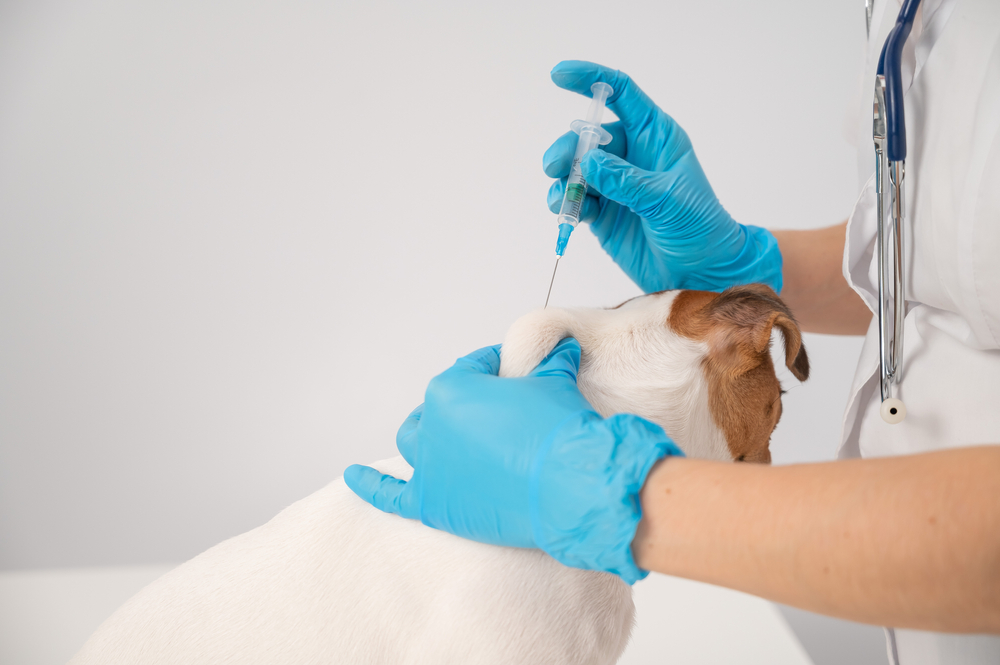
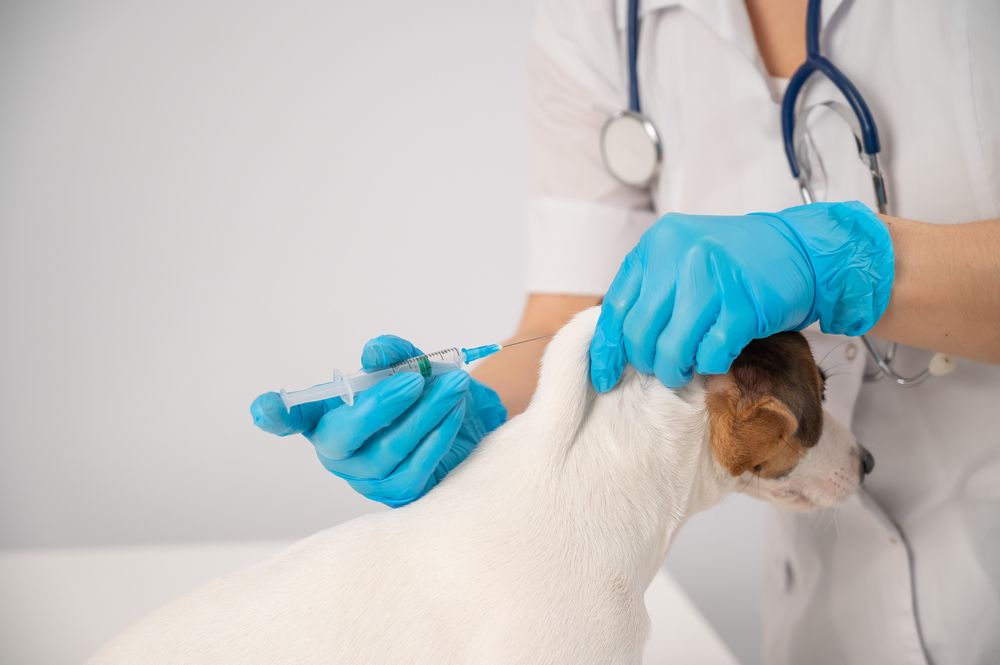
Insulin is the mainstay of treatment. Your vet will determine the dose after diagnosis, which will be based on your dog’s weight. Most dogs require insulin injections twice a day, which are given subcutaneously (under the skin).
This can seem daunting to start with but rest assured, the needles are tiny, and the volume that needs to be injected is small. Most dogs don’t even notice their injections! Your vet and vet tech will teach you everything you need to know and be there to support you through the process.

Diet
Your vet will make specific dietary recommendations for your dog. Keeping your dog’s meal content and amount consistent each day helps avoid changes in insulin requirements. Diets that contain high-quality sources of protein are usually recommended, and your vet may advise you to put your dog onto a reduced-calorie diet if they are overweight.
Exercise 🐕
Regular exercise is vital for your dog’s health and happiness, but it also affects their blood glucose levels. If your dog suddenly does more exercise than normal, they will use up more glucose which can result in low blood sugar.
For dogs at a healthy weight, it is usually best to keep daily exercise levels relatively consistent.
Monitoring
Diabetic dogs need ongoing monitoring, both at home and with regular visits to your veterinary clinic.
Monitoring at Home
Your veterinarian may ask you to track some signs of diabetes at home, typically they might ask you to record the amount your dog is drinking, their appetite and the amount of food they are eating, how often they are urinating or needing to go outside, and how well they seem to be in themselves.
It is important to be aware of the signs of hypoglycemia, as if not treated, it can be fatal. Signs of hypoglycemia include:
- Marked lethargy or sleepiness
- Depression
- Weakness
- Appearing wobbly, difficulty walking
- Collapse
- Seizures
If your dog is showing signs that may be consistent with low blood sugar levels, administer treatment as recommended by your vet. If this is unknown and your dog is conscious, rub a small amount of corn syrup or honey onto your dog’s gums. This should result in a rapid response and improvement. Contact your vet about this emergency situation.

Veterinary Monitoring
Vets monitor a dog’s response to insulin by looking at blood glucose measurements, blood fructosamine (which gives an idea of how well glucose has been regulated over the previous 2–3 weeks), and urine strips looking at urine glucose and ketone measurements. It is important not to adjust your dog’s insulin dose without consulting with your veterinarian.
For uncomplicated stable diabetics, you will probably need vet checkups every 3–6 months. More complicated cases, such as dogs with concurrent conditions like pancreatitis or Cushing’s disease, can be more difficult to control and manage and will usually need more frequent vet visits.
Frequently Asked Questions (FAQ)
Why does my dog have diabetes?
If your dog has been diagnosed with diabetes, you may wonder if you have done something wrong, but diabetes in dogs is due to a lack of insulin produced by the pancreas and is thought to be an autoimmune condition. Obesity, genetics, and other conditions can contribute to the development of diabetes.
Are diabetes insipidus and diabetes mellitus the same thing?
No, diabetes insipidus is a separate condition, although it also causes excessive thirst and urination. It is a rare endocrine condition and is caused by the inability to make or respond to antidiuretic hormone (ADH). ADH is produced in the hypothalamus area of the brain and helps regulate water consumption. Affected dogs produce large amounts of very dilute urine and have an increased thirst secondary to this.

Conclusion
It’s understandably worrying if your dog has been diagnosed with diabetes mellitus, but the good news is that the life expectancy of most dogs that are controlled on insulin is like that of other healthy dogs.
Diabetes mellitus is incurable, but it is manageable if you work closely with your veterinarian. Early diagnosis, consistent insulin therapy, controlling your dog's diet, regular exercise, and careful monitoring are all key to keeping your diabetic dog healthy and happy and their diabetes well controlled.
Sources
Featured Image Credit: Reshetnikov_art, Shutterstock
Expert dog care, straight to your inbox
News, insights, expert advice, and everything dog.

No spam — unsubscribe anytime.
By signing up, you agree to our Terms & Conditions and Privacy & Cookies Policy.
How useful was this post?
Click a star to rate. You can leave written feedback afterwards. (We read all feedback.)
Dr. Amanda Charles BVSc MRCVS (Veterinarian)
Dr. Amanda Charles, a 2002 graduate from Liverpool University, has built a prolific career in small animal medicine. She is passionate about providing pet owners with reliable and current information, enjoying the varied aspects of veterinary work. Outside the clinic, Amanda's life is filled with the energy of her two young sons, her spirited Cocker Spaniel, along with a spunky Ragdoll cat.
Dr. Charles is an accomplished veterinarian with a focus on small animals, particularly in the area of skin conditions, backed by over 20 years of experience and a Postgraduate Certificate in Dermatology. She practices part-time, offering extensive consultations on dermatology, and finds fulfillment in telemedicine and editorial roles.