My Dog Ate a Salt Dough Ornament, What Should I Do? (Vet Answer)

In this article
While often considered a fun and harmless keepsake craft, a salt dough ornament is actually a hazardous substance that can pose an unsuspected health threat when ingested by our canine companions. Salt above specific amounts can be dangerous to dogs, and due to the high salt content typically in these products, this can be a dangerous or even deadly situation.
In this article, we’ll discuss what to do if this happens to your pup, as well as a little more about salt dough poisoning and salt toxicosis in general.

Here’s What to Do
- Take a deep breath and remain calm; becoming anxious and worked up will inhibit you from being your dog’s best advocate when they need you the most.
- Because this can be an emergency, move as quickly as you can. In cases of salt toxicosis, time is of the essence, and in these cases, prompt treatment often has a better outcome.
- Remove any material that is high in salt that your dog could eat or drink more of.
- Take inventory of the situation. Do you happen to know the amount of salt that was used in this particular recipe? How much product was eaten by your dog? Is there an idea of when this may have happened? Are there any abnormal signs being displayed by your dog? This is all important and relevant information to collect and pass along to veterinary professionals.
- If your dog is not vomiting, let them drink some (but not large amounts) of fresh water as you consult with a veterinary expert.
- Contact a veterinarian, a veterinary emergency clinic, or a Pet Poison Control service immediately. Take and implement their advice seriously as this could be a life-threatening situation.
- Just a reminder to not induce vomiting at home without the direction of a veterinarian. Depending on numerous factors, this may or may not be recommended in your dog’s particular case and can be a potential further health hazard in some instances.
What Are Salt Dough Ornaments?
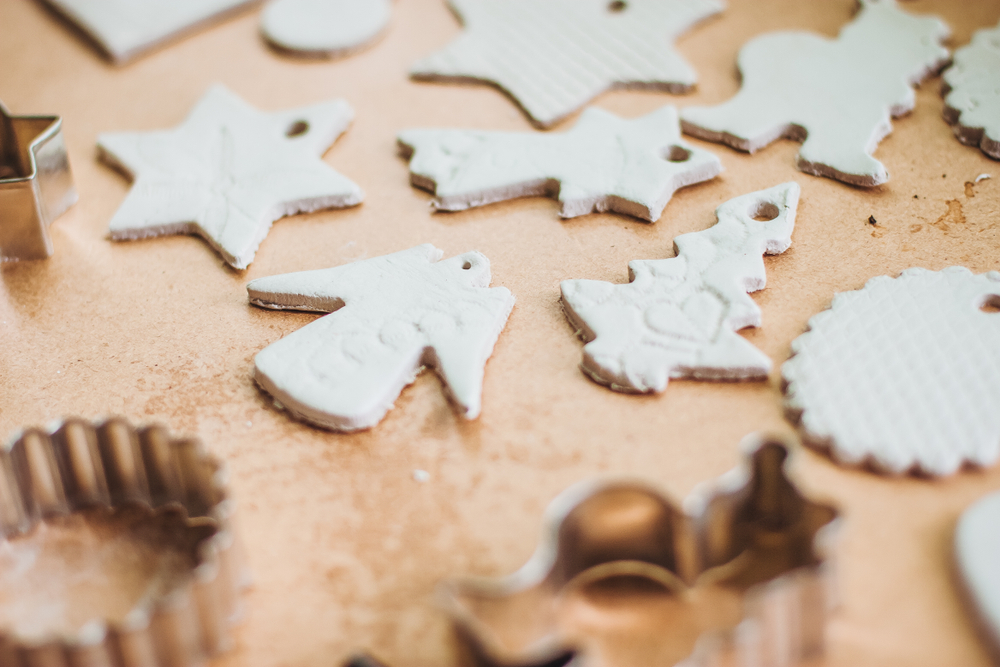
Salt dough ornaments are a common craft, typically utilized by families with children or in schools, often around the holidays. They are most frequently a mixture of salt, flour, water, with other potential ingredients, that are either dried or baked until they become a hardened product. These can then be used as decorations, Christmas tree ornaments, or other keepsakes. Because these products are high in salt, if consumed, it can lead to a medical condition known as salt toxicity. This can also be referred to as salt poisoning, hypernatremia (a high amount of salt in the blood), or water-deprivation-sodium ion intoxication.
Not only can salt dough products be a problem because of the high amount of salt, but depending on various factors such as the ornament’s size or the amount ingested, in conjunction with the size of the dog, they may also be painful to pass or even cause a gastrointestinal blockage.


Salt Toxicosis in Dogs
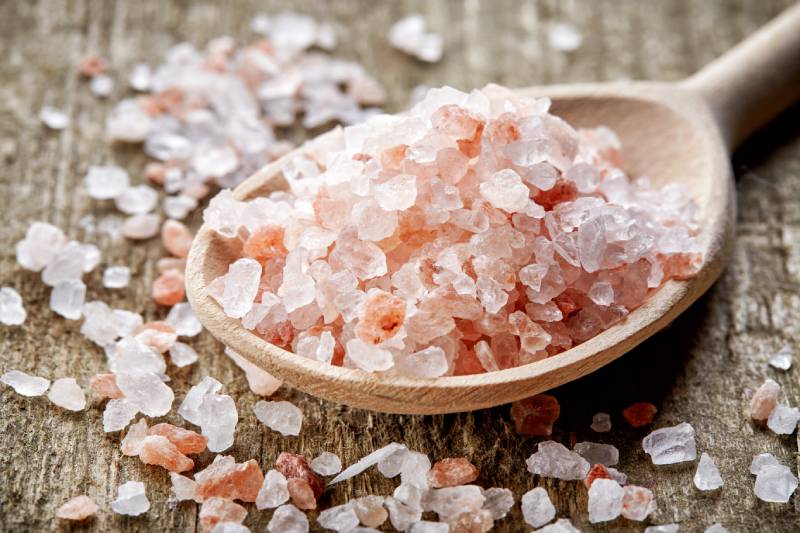
Sodium chloride, which is also referred to as salt, is a mineral that is available in various forms such as table salt, sea salt, Himalayan salt, etc. Its chemical name is NaCl, and it is in a 1:1 ratio of sodium (Na) and chloride (Cl). Salt is needed within a certain window amount in a dog’s body for survival. Among some of its essential purposes are to allow for proper nerve and muscle function and to balance fluids and minerals within the body. Because dogs are very sensitive to high amounts of salt, it doesn’t take much to cause a problem.
The size of the dog will determine how much salt can result in a toxic dose, but typically this can occur at 2–3 grams per kilogram (1 kilogram = 2.2 pounds). To give you an example, a toxic dose for a 20-pound Pug would equate to less than 0.5 tablespoon (T) of salt while an extra-large dog such as an 80-pound Golden Retriever would be about 3.5 T. As you can see, a little salt can cause a big problem in dogs!
Signs Observed in Dogs
Sometimes, there may be historical evidence of a salted product being consumed by a dog such as pieces of a salt dough ornament chewed up or an empty bag of chips. Other times, a dog may not have had access to water for a while. These instances can potentially be precursors to salt toxicosis signs observed in dogs; some of which are listed below.
At the start, salt toxicosis signs that may be observed include:
As time goes on and with more severe ingestion, you may see:

Treatment of Salt Toxicosis
Medical care for a dog that has this condition may include some of the following.
- If signs are not present, induction of vomiting via an injection at the veterinary clinic.
- Bloodwork and other indicated lab work—routine monitoring to see internal organ function, and electrolyte levels (including sodium).
- IV fluids and electrolytes—this will be tightly regulated and carefully monitored as making changes too fast or slow can cause additional health problems.
- Potential for warm water enemas.
- If muscle tremors or seizures are present, medication to control this.
- If brain swelling is present, specific medications such as steroids or diuretics may be needed.
Frequently Asked Questions (FAQ)
What are some other causes of salt toxicosis for dogs?
In addition to salt dough ornaments, other similar products that are high in salt, such as homemade or store-bought Play-Doh, can also be common culprits. Additional products that could cause salt toxicosis include an excess of salty human foods (such as chips, salted peanuts, etc.) or rock salt used for water softeners or deicing salt.
Bodies of salt water such as the ocean may also pose a threat to our canine companions. In addition, having limited access to water in and of itself can also lead to salt toxicosis in dogs; as they become dehydrated, a salt imbalance occurs within the body. Historically, some have used salt for dogs as an emetic (something given to induce vomiting), and this is obviously not recommended.

What can I do to prevent salt toxicosis such as with salt dough ornaments?
With the knowledge that these products are unsafe for canine consumption, you can try to circumvent this condition with some of the following ideas.
- Use pet-safe substitutes that do not contain salt for a homemade dough ornament; these may be available at a craft supply store. If using a homemade recipe without salt, be sure to discuss other specific ingredients with a veterinarian.
- The best case scenario would be to put any salt dough ornaments or related items away from areas in the home a dog can access.
- If salt dough ornaments are present in the home where a dog can access them, ensure that while the craft is being made or drying, the dog is placed in a separate area and cleanup is done thoroughly. If displayed on a Christmas tree, have the salt dough ornaments placed firmly on the top branches where the dog cannot reach. When finished displaying, put them away in an area where a dog cannot access them.
Conclusion
A dog ingesting salt dough ornaments or similar high-salt products is a problem that can range from dangerous to deadly for dogs. Understanding that high amounts of salt can be detrimental to your canine companion is vital.
While prevention truly is the best medicine, in cases of accidental ingestion, your new knowledge will provide you with the needed steps to get your dog the best care as quickly as possible.
Sources
https://www.petpoisonhelpline.com/blog/salt-dough-ornaments/
https://animalemergencyservice.com.au/blog/understanding-salt-toxicity-in-dogs/
https://www.merckvetmanual.com/toxicology/salt-toxicosis/salt-toxicosis-in-animals
https://www.akc.org/expert-advice/news/popular-salt-ornaments-dangerous-for-dogs/
https://www.aspca.org/news/crafting-care-pet-safety-tips-holiday-arts-and-crafts
Featured Image Credit: Lifesummerlin, Shutterstock
Expert dog care, straight to your inbox
Vet-reviewed advice, training tips, and the best of Dogster. Free, and you can unsubscribe anytime.
By signing up, you agree to our Terms & Conditions and Privacy & Cookies Policy.
Dr. Rachel Ellison DVM (Veterinarian)
Dr. Rachel Ellison lives on a mountain in Utah with her husband, daughter, and son, as well as their animal menagerie— a Bernese Mountain Dog, a Bengal/Siamese mix, and an orange tabby cat, as well as numerous chickens. During her free time, she enjoys being with those she loves, cooking and baking, reading, hiking, sharing her knowledge about cats, and exploring nature and the world around her.
Join the conversation
Ask a question, share your story, or send private feedback.