Are Dogs Good for Kids? 7 Vet-Approved Reasons for a Canine Companion


In this article
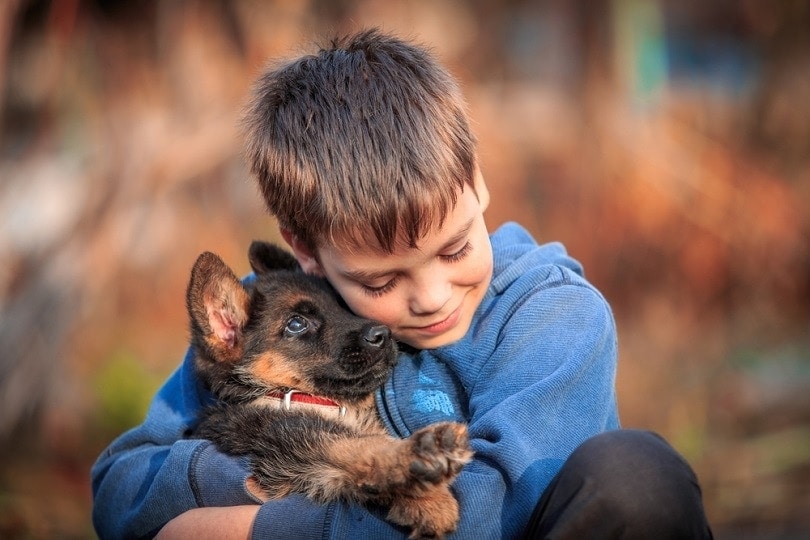
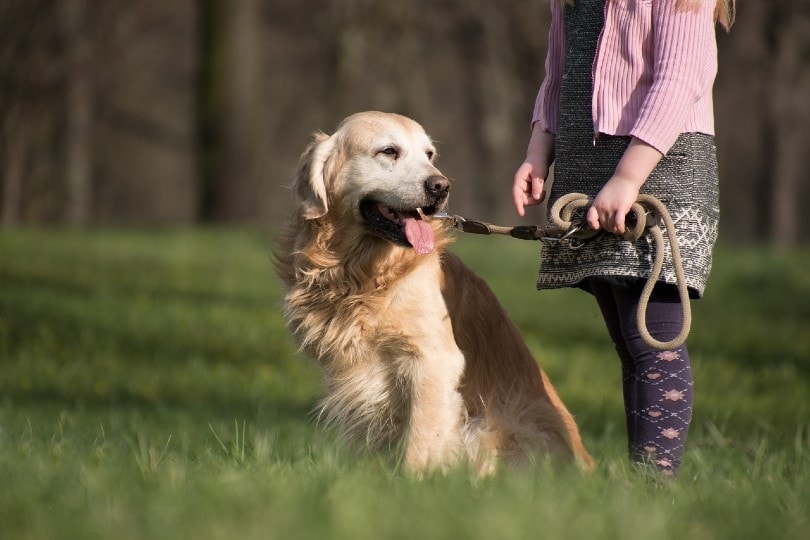
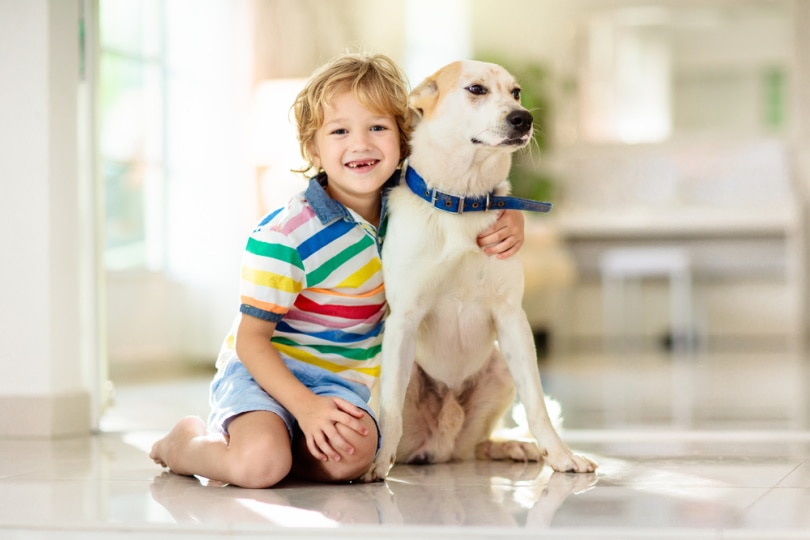
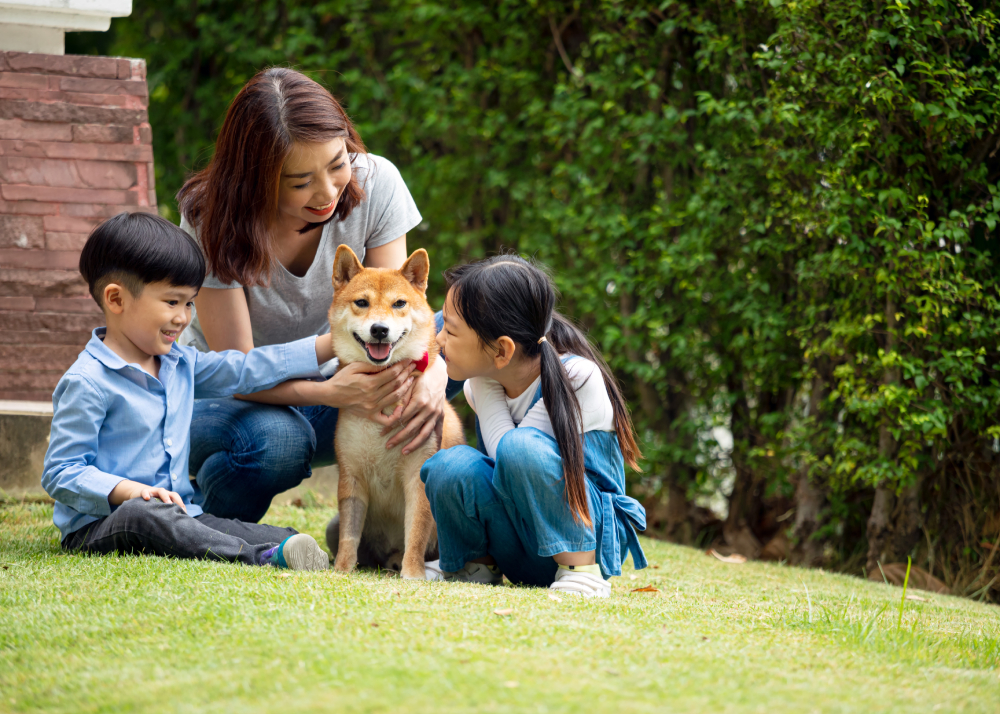
Nearly everyone who grew up with a dog will tell you how amazing it was and how they could never imagine their childhood without their family pet. Children love their dogs and for good reasons. Animals of all shapes and sizes teach lessons, provide companionship, and offer unparalleled joy. However, it’s understandable if you’re on the fence about bringing a dog into your home. It’s a huge decision and one that should not be taken lightly. Read on to find seven science-backed reasons your child needs to grow up with a dog.

The 7 Reasons That Dogs Are Good for Kids
1. Your Children May Not Develop Allergies
A study from 2002 found that animal exposure during the first year of a child’s life can reduce subsequent allergic sensitization.1 The key appears to be early exposure, so the sooner you can introduce a dog to your newborn, the better.

2. Your Children Develop Better Relationships
According to a 2016 study, children who are close to their pet dogs are also more securely attached to their parents.2 Not only that, but they’re also more likely to forge stronger bonds with their best friends. The study found that if children had one type of strong relationship, it’s more likely that other relationships in their lives would be strong as well.
Interestingly enough, researchers found that children who had more physical contact with their dogs were more likely to have better relationships with their moms, dads and friends.
3. Your Children May Reap Mental Health Benefits
A 2015 study found that kids who grew up with a family dog had lower rates of childhood anxiety.3
Another study from the same year found that dogs (and horses) can reduce feelings of depression and anxiety in adults that have experienced childhood trauma.4 Researchers found that they can also reduce the signs of post-traumatic stress disorder (PTSD), which is partly why these animals are often used in therapy interventions.

4. Your Children May Develop Better Life Skills
Dogs are living, breathing creatures with needs just like humans. Your children can learn responsibility and dependability when involved in some aspects of their care. Of course, your five-year-old begging for a dog won’t be able to take on all the pet care responsibilities, but they certainly can help with age-appropriate tasks.
Having a pet can be a great source of empowerment for young children who generally move through the world feeling disempowered and at the will of their parents and teachers. Having a dog and needing to provide for them in some way provides a sense of responsibility that gives empowerment and develops self-esteem.
When kids learn how to care for and nurture a dependent creature at a young age, it instills in them a sense of empathy that will guide them through the rest of their lives. Caring for pets can also improve emotional intelligence and allow your child to become a more compassionate individual.
Other life skills your children may garner from pet ownership include:
5. Your Children May Have Better Self-Esteem
In 2017, researchers found evidence that suggests children with pets have better self-esteem than their pet-less counterparts.5 An animal’s greatest influence appears to be on youths as they approach adolescence. Children in this age range may also have a higher need for the emotional support provided by their companion animals.

6. Your Children May Be More Active
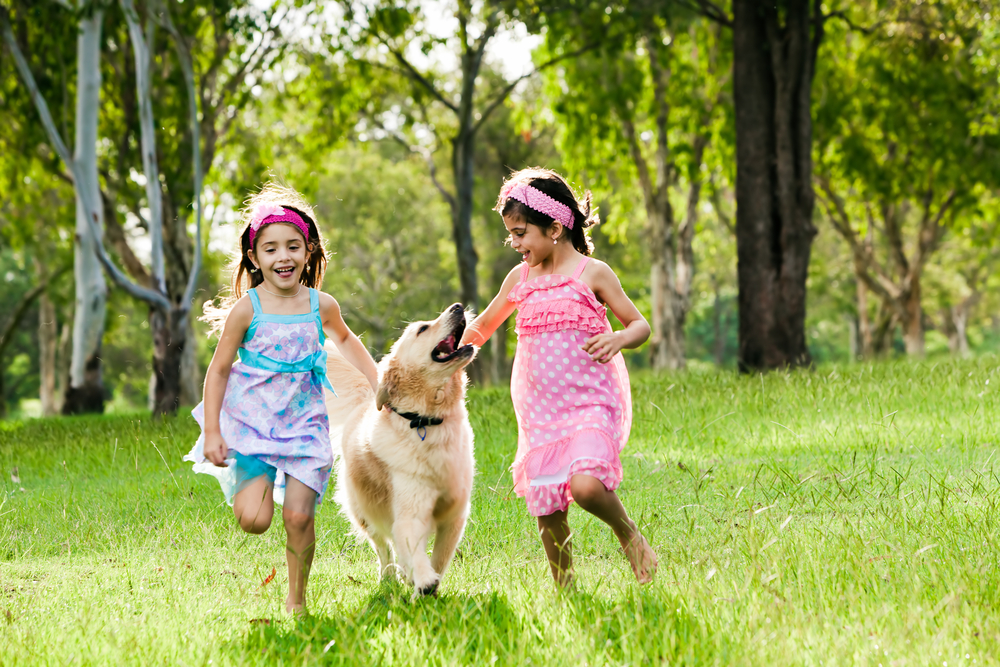
A 2010 study found that children with family dogs are more physically active than their peers without pets.6 Researchers found that those with dogs average 11 minutes more exercise daily. While this may not seem like a lot, it adds up to 5.5 hours of physical activity monthly in a society that’s getting progressively more and more sedentary. Every little bit makes a difference.
More recently, Australian researchers found that boys and girls with dogs were more physically active after adopting a dog.7 However, the impact of exercise was far more pronounced in young girls. The study shows that light-intensity physical activity was increased by 52 minutes daily when a dog was added to their family unit. Conversely, this three-year-long study found that girls whose pets died during the study had a huge drop in their daily activity by 62 minutes!
7. Your Children May Be Able to Deal With Stress Better
Children with dogs may be better equipped to deal with emotions when their pets are around.
In 2018, researchers took 99 children and asked them to deliver a five-minute speech that would be watched live by the experimenters.8 To up the stress ante, the children were told that the speech would be videotaped and evaluated later.
Half of the children were allowed to have their dogs in the room with them, while the other half were not. Those who had their dogs nearby were happier throughout the process. When allowed to have physical contact with their pet, the children experienced even less stress.
This suggests that when kids are around pets and are allowed to touch and interact with them, they may feel calmer inside.

Dog Ownership Isn’t for Everyone
As many benefits as there may be for dog owners and their families, adopting a dog isn’t a decision that should be taken lightly. Before bringing any pet into your home, here are some factors you should consider.
Your Budget
Dogs are living, breathing animals that rely on you to provide them with the necessities of life. If your budget does not include pet food, veterinary care, and emergencies, you may want to rethink your adoption plan.

Your Children’s Age
You may want to wait until your children are older before bringing a dog into the home, especially if you’re considering larger breeds. For example, St. Bernards make fantastic family pets, but they can grow to weigh 180 pounds and can inadvertently cause injuries to your children due to their size. However, small breeds may be at risk around young children as they can be very fragile and prone to injuries until your kids learn boundaries and how to respect animals.
Your Lifestyle
Do you work a 9-5, only to come home and run your children to their activities every day of the week? If so, do you have a plan for what your dog will be doing while you’re busy? Not everyone’s schedule allows time for pets, and that’s okay. But it’s important to consider your lifestyle when weighing the pros and cons of dog ownership, as you shouldn’t adopt any pets if you don’t have any free time to spend with them.

Your Desires
Your children may beg you to adopt a dog and promise that they’ll do the bulk of the work, but you and I both know that won’t happen. They’ll lose interest in doing their dog responsibilities when the novelty of having a pet wears off, and you’ll be stuck taking care of them all on your own. So, before you adopt one, you need to ask yourself if this is something you want or if you want a dog simply because you’re tired of telling your kids “no.”
Conclusion
As you ask yourself, “Is having a dog good for a child?”, think about the science-backed reasons children benefit from having a dog as part of the family unit. However, while dog ownership certainly has its pros, there are also cons to consider. Your children have a lot to gain from being a part of a dog-owning family, but just make sure that this is something you not only want but have the time and budget for, as well.
See Also:
Sources
Featured Image Credit: MENG KONGSAK, Shutterstock
Expert dog care, straight to your inbox
Vet-reviewed advice, training tips, and the best of Dogster. Free, and you can unsubscribe anytime.
By signing up, you agree to our Terms & Conditions and Privacy & Cookies Policy.
Chantelle is passionate about two things in her life – writing and animals. She grew up on the prairies of Canada surrounded by animals and as an adult, she choose to share her home with five cats, two guinea pigs, and a bearded dragon. Chantelle, her husband, and their child take great pride in being great animal parents- the ones who spend a thousand dollars on wall-mounted cat shelves so that their cats can have an indoor jungle gym all year round. When Chantelle isn’t snuggling her cats on the couch or taking pictures of them being funny, she’s outside exploring in the Rocky Mountains, binging the same shows on Netflix over and over, and reading about whatever random topic pops into her brain.
Join the conversation
Ask a question, share your story, or send private feedback.