
Understanding Dog Body Language: Vet-Approved Guide With Pictures


In this article
Even though there is a language barrier between humans and dogs, they have still earned the title of “Man’s Best Friend.” Imagine how strong your bond with your dog would be if you could talk to each other!
The good news is that although we may not be able to speak to our dogs, we can still communicate with them. While you can’t enroll your dog in English lessons, you can learn how to better understand canine body language. Dogs communicate nonverbally, using their ears, tails, and more to express their emotions.
The more you understand your dog’s body language, the better you can respond when they communicate their needs. In this article, we look at six ways your dog expresses their emotions and include pictures so you can see what canine body language looks like.

The 6 Dog Body Languages
1. Relaxed Body Language
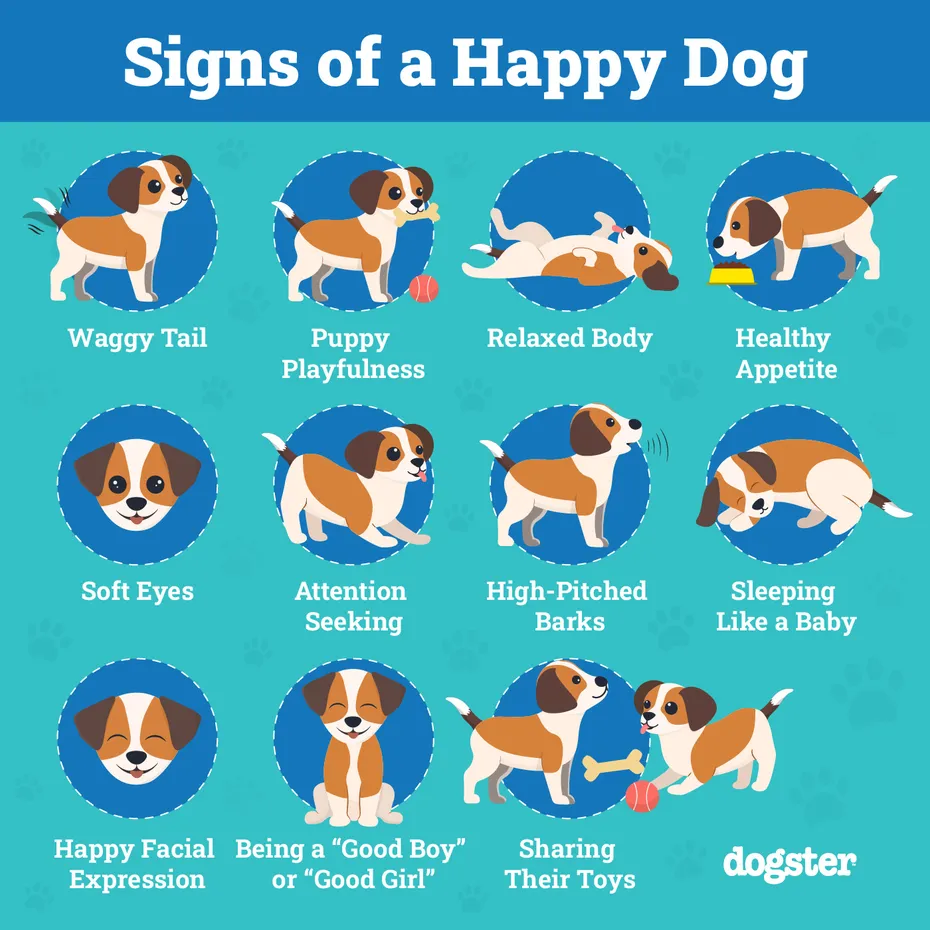
Relaxed dogs are happy dogs. This is when your furry friend is feeling their best, no matter whether they are resting or playing. Relaxed dogs are engaged with their surroundings and may be eager to receive or show affection.
They may be squirmy if they’re feeling excitable, and their motions may be overdramatized during play. Their tail will wag in wide, gentle motions. Their ears will be held in a relaxed, natural position, and their eyes will be soft. Their forehead and mouth will have no tension.
2. Stressed or Anxious Body Language

Stressed or anxious dogs often display mannerisms meant to soothe or dissipate tension, avoid attention, and demonstrate their discomfort. These behaviors include:
- Looking or turning away
- Hesitant movements or darting away quickly
- Licking or smacking lips
- Yawning
- Holding their body in a curve
- Raising a paw
- Scratching or pawing
- Trembling
- Freezing
If your dog appears distressed, try to find out what is agitating them. If the stressor is someone or something in their environment, remove the trigger so your dog can calm down.
3. Alert Body Language

When a dog is alert, they pay close attention to their surroundings. They are not necessarily agitated, but they may become agitated if they feel something is wrong. Alert dogs will have wide-open eyes and perked, forward-facing ears.
There will be no tension in their mouth or forehead. They will stand evenly on all four paws, poised and balanced so they can act at a moment’s notice. As for their tail, it will extend outward and may wag slightly.
4. Appeasing Body Language

Appeasing body language can be deceptive to the human eye. While this behavior is submissive and geared to make them appear unthreatening, it can appear frightening to humans. Appeasing dogs may pull their lips back into a grin or snarl, which can be mistaken for aggression.
Other signs that your dog is displaying appeasing behavior include pinned-back ears, squinted eyes, and a low-tucked tail. In addition to their scrunched-up mouth, they may lick their lips often.
5. Frightened Body Language

Spotting signs of fear in dogs is often easy for owners. Scared dogs will have a stiff, hunched posture and hold their heads close to the ground. Their ears will be tucked close to their head, and their tail will be tucked and pressed close to the belly.
They often turn their head away from whatever is frightening them, but they keep their eyes locked on the stressor. They may keep their mouth closed tightly or pant as though they are hot.
Be aware that a frightened dog can quickly become an aggressive dog, biting out of fear.
6. Aggressive Body Language

Aggression is typically easy to spot. Aggressive dogs will react to a stressor and will often do so with a rigid posture. The fur on their shoulders and the base of the spine will stand up straight, and their body will be shifted forward in a “ready” stance.
Their eyes will be locked onto whatever is causing their aggression, and they will likely have wrinkles along the mouth and forehead. Depending on the reason for their aggression, such as fear or territorialism, your dog may also display other signs.

Why Isn’t My Dog Relaxed?
While it is normal for dogs to express emotions outside of contentment and joy now and then, it can be upsetting to see your dog wracked with stress, anxiety, or fear. This is especially true when you have no clue why your dog is upset.
If your dog displays consistent or uninterrupted distress, talk to your vet. Stress, anxiety, fear, and aggression can be signs that your dog is sick or in pain. After ruling out medical conditions, you can then move on to other reasons for your dog’s emotional issues.
Consulting a vet or canine behavioral specialist can be a great way to discover why your dog exhibits emotional issues. They can tell you if the issue is related to your dog’s environment, enrichment, or something else. From there, you can take steps to improve your dog’s living situation so they can return to their happy, relaxed self.
Conclusion
Understanding your dog’s body language is an important part of communicating with our pets, as well as knowing how to approach or interact with dogs you have just met. When your dog displays emotions such as stress, fear, or aggression, it is a sign that something is wrong. Addressing the stressors in your dog’s environment will help them to feel comfortable in their home again.
You might also want to check out:
Sources
Featured Image Credit: Eventsfb, Pixabay
Expert dog care, straight to your inbox
News, insights, expert advice, and everything dog.

No spam — unsubscribe anytime.
By signing up, you agree to our Terms & Conditions and Privacy & Cookies Policy.
How useful was this post?
Click a star to rate. You can leave written feedback afterwards. (We read all feedback.)
Pets are Jordyn’s passion, especially cats. Whenever she has the opportunity, she loves to learn about animals and share her knowledge with everyone. She is devoted to her mischievous tabby cat named Jack and works hard to buy him his favorite toys and treats. Discovering new ways to better care for her pet is always on the top of her to-do list, and she is eager to help pet parents everywhere who have similar pursuits. In her free time, she loves to write, read, and take long walks. She has a creative spirit, which often helps her to come up with funny cat names.


