Australian Cattle Dog (Blue Heeler): Info, Pictures, Care & More

In this article
View 8 More +It takes determination, intellect, and physique to excel as a herding dog, especially in Australia’s harsh climate and rugged terrain. When ranchers first tried to manage their livestock in the Land Down Under, they quickly realized their typical breeds weren’t ready for the demanding conditions and that they’d have to develop a new line with a distinct edge.
So arose the Australian Cattle Dog, also known as the Blue Heeler, a herding Adonis born of a unique blend of domestic and wild breeds. The Beautiful and industrious ACD is one of the most capable working dogs. Let’s explore what makes the Blue Heeler a singular force in the dog world as we detail their history, temperament, and traits.
| Height: | 17 – 2o inches |
| Weight: | 35 – 50 pounds |
| Lifespan: | 12 – 16 years |
| Colors: | White, blue, silver, red, brown, gray, black |
| Suitable for: | Active individuals, active families with older children |
| Temperament: | Loyal, intelligent, trainable, determined, protective, fearless, aloof |
When the Anglo-Australian population began migrating toward inland Australia in the early 1800s, they encountered several issues with their ranching practices. With the wide-open expanses for herds to roam, cattle grew more independent and more challenging for dogs to control. The climate and terrain further stressed herders, who had to tame the semi-wild beasts in the expansive, hot, and rocky environment.
Lacking the necessary stamina and skill, the English-derived dogs fell out of favor. In the 1820s, a pioneering pastoralist, Thomas Simpson Hall, carefully bred the English Drover’s Cur with Australia’s wild dog, the Dingo. Many believe that further efforts infused breeds like Dalmatians, Kelpies, and possibly Bull Terriers, influencing everything from the Blue Heeler’s unique coat to their uncompromising loyalty.
Australian Cattle Dog Characteristics

Australian Cattle Dog Puppies

The Australian Cattle Dog has maintained their popularity over the years. Although they aren’t the most prevalent breed, finding a reputable breeder in your region is relatively easy. The American Kennel Club’s Marketplace showcases breeders nationwide, all with the reputability the AKC affiliation affords. Meanwhile, the Australian Cattle Dog Club of America lists ACD breeders that operate according to its code of ethics.
If you get a purebred ACD puppy, research the breeder regardless of their credentials. You should be able to spend time with your potential puppy and their parents and check the quality of the facilities. Be wary of breeders who don’t provide health testing information or pedigree records.
As with any dog, training and socialization are critical for Australian Cattle Dogs. Puppies are high-energy and independent. They need a devoted, patient, and experienced owner to shape them into well-behaved, outgoing adults.
The unexpected demands of raising Australian Cattle Dogs also make some owners give them up for adoption. As you search for your next dog, consider adopting through an Australian Cattle Dog rescue. You’ll surely find several dogs of all ages needing a good home.
- You may be interested in: How to Find a Breed-Specific Dog Rescue Group in 5 Vet-Approved Tips

Temperament & Intelligence of the Australian Cattle Dog 🧠
The Australian Cattle Dog is intelligent and energetic, making them exceptional working dogs. Indeed, they thrive when they have a job and are more cooperative with a dedicated, experienced owner. Otherwise, the clever dogs can become stubborn and testy as they try to take over the dominant role in the house.
Though you’ll have to be a firm leader to earn their cooperation, Australian Cattle Dogs show their people loyalty and love. Although not overly cuddly, ACDs quickly forge strong bonds with their family and often one person in particular. They are picky with their affection and generally wary of strangers, but are rarely aggressive. While their aloofness is one of many reasons ACDs need consistent socialization, it also makes them astute watchdogs and family protectors.
Are These Dogs Good for Families 👪
The Australian Cattle Dog is a protective and devoted family dog, but they aren’t ideal pets for young children. Their reactivity, dominant personalities, and herding behavior can be problematic, especially when the children don’t know how to respond to it.
All dogs have different tolerances for children; some are naturally sweet, and others prefer to keep their distance. Generally, Australian Cattle Dogs can make excellent family dogs with the proper training and socialization from an early age.

Does This Breed Get Along With Other Pets 🐶 😽
Australian Cattle Dogs sport a high prey drive and commanding demeanor. Cats and smaller pets risk getting chased, while dogs of the same sex in the house may inspire conflict. Much of this depends on their background and individual personality. Raising them from a young age alongside another pet offers the best chance of a friendly dynamic.
Things to Know When Owning an Australian Cattle Dog
The Australian Cattle Dog’s limitless energy and strong-willed personality are perhaps their most consequential traits. They are not apartment dogs. Since they’re working dogs, Australian Cattle Dogs flourish when they have a job and can get a healthy amount of exercise.
When you limit their space and ability to burn energy, you may find them less cooperative and engaging in unwanted destructive behaviors around the house. Daily attention and play sessions are essential for an Australian Cattle Dog, as maintaining a healthy bond will influence much of their behavior.
They command respect and don’t give it as willingly as many other dogs. Owners must set strict boundaries, provide enrichment and attention, and deliver a daily sense of purpose that positively directs their dog’s energy.
Food & Diet Requirements 🦴
Australian Cattle Dogs are muscular and active, requiring nutritious food featuring high-quality proteins and fats as the main ingredients to fuel their development and maintain their bodies. As adults, they’ll eat 1.5–2.5 cups of food daily, depending on their size and activity level, split between two meals.
- Our Recommendations: Best Dog Foods - Dogster's Reviews & Top Picks

Exercise 🐕
Australian Cattle Dogs need significant exercise (at least an hour), ideally in ways that engage their natural working instincts and athleticism. Walks are fine, but they’d often rather keep up on bike rides, jogs, and hikes. Trips to the dog park offer excellent play and socializing opportunities for a well-behaved Heeler, and they love games of tug-of-war, fetch, and frisbee.
More than anything, Australian Cattle Dogs want jobs and challenges. They’re happiest if you can work training into their daily exercise, with activities like agility trials, obedience competitions, and flyball.
Training 🎾
Training should be a focal point from the second your Australian Cattle Dog arrives home. As herding dogs, they’re intelligent and talented, allowing them to pick up training quickly and efficiently. They’re also stubborn.
While they have a high potential, they need consistent, engaging training to ensure they abide by boundaries and understand acceptable behavior. Without a firm, confident leader, they can become more dominant and stubborn.

Grooming ✂️
The Australian Cattle Dog’s short, thick coat isn’t high maintenance, but the tradeoff with the double coat is the shedding. While you won’t have to worry about haircuts, brushing is necessary a few times weekly.
During the spring and fall shedding periods, you may need to brush your dog daily with a de-shedding tool and a curry brush to keep the house free of fur.
- Our Recommendation: Best Dog Shampoos - Dogster's Reviews & Top Picks
Health and Conditions 🏥
The Australian Cattle Dog is a healthy, long-living dog when they receive adequate exercise and a quality diet. Common health issues in the breed include sensorineural deafness, progressive retinal atrophy, and hip and elbow dysplasia. Most breed-specific disorders are genetic. With a reputable breeder who does rigid testing, you can reduce the likelihood of several problems. Investing in pet insurance also ensures that you can provide the best care for your dog as they grow.
Male vs Female
Little separates the male and female Australian Cattle Dog besides the male’s extra few inches in height. Many owners find females to mature quickly and be more mellow, whereas males are more energetic and affectionate.
Hormone-driven behavior further decreases after spaying and neutering, helping to limit sex-related aggressiveness, which tends to be more common in males.
3 Little-Known Facts About The Australian Cattle Dog
1. Australian Cattle Dogs Are Born White
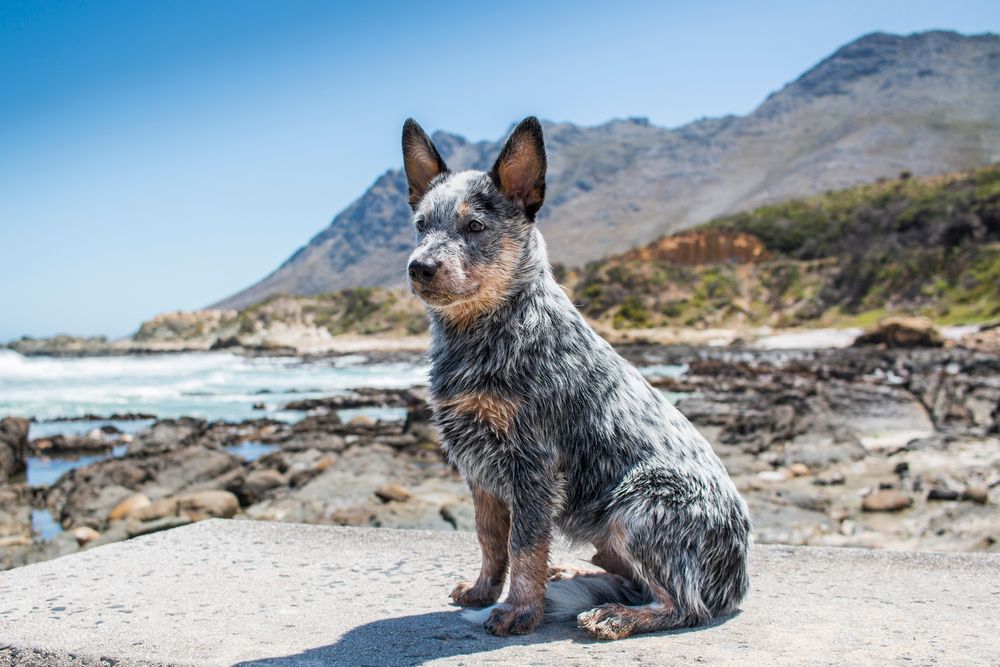
The gorgeous blue-gray color against the ticked and piebald patterning is one of the Blue Heeler’s most distinct characteristics, making their birth color a bit surprising.
Rather than appear with their full coloration, these dogs come into the world sporting a plain white coat. The color starts to emerge in the first 2–3 weeks. It can take a year or more for the final adult color to set.
2. Australian Cattle Dogs Live a Long Time
Although smaller breeds tend to live the longest, the hardy Australian Cattle Dog is one of the most durable. One dog, Bluey, even took the record for the world’s oldest dog, having lived to the ripe old age of 29.
Born in 1910 and passing away in 1939, Bluey holds the record to this day. In 2023, a Rafeiro do Alentejo named Bobi appeared to have surpassed Bluey. But with the 31-year-old dog’s history coming into question, Guinness suspended his record, restoring Bluey’s place as the official oldest dog in the world.
3. Australian Cattle Dogs Are Not Merle
Although they often have a merle look, Australian Cattle Dog coats are roan, which is an important distinction from a breeding standpoint. Australian Cattle Dogs are essentially heavily white, though it typically appears as an accent that provides the hallmark ticking pattern. As a result, breeding two Australian Cattle Dogs with similar coats doesn’t eliminate the chance of the lethal DNA combination that can occur when breeding two merle dogs together.
https://www.youtube.com/watch?v=h_VFTNMUdJw&ab_channel=blueeyesto082
Conclusion
The Australian Cattle Dog (Blue Heeler) is a crowning accomplishment in the breeding world, and they’re a testament to all that’s possible to achieve specific results. They are remarkable workers. While their intelligence and determination can make them demanding companions, they shine their brightest when they are allowed to do what they do best—working hard and delighting their owners.
See Also:
Featured Image Credit: Madelein Wolfaardt, Shutterstock
Expert dog care, straight to your inbox
News, insights, expert advice, and everything dog.

No spam — unsubscribe anytime.
By signing up, you agree to our Terms & Conditions and Privacy & Cookies Policy.
How useful was this post?
Click a star to rate. You can leave written feedback afterwards. (We read all feedback.)

Nicole has loved animals of all sizes her whole life so it's no wonder she has dedicated her career to helping them through what she loves best: learning, writing, and sharing knowledge with others. She’s the proud mom of two dogs, a cat, and a human. With a degree in Education and 15+ years of writing experience, Nicole wants to help pet parents and pets around the planet to live happy, safe, and healthy lives.