Why Is My Dog's Tail Kinked? 4 Vet-Verified Possible Reasons


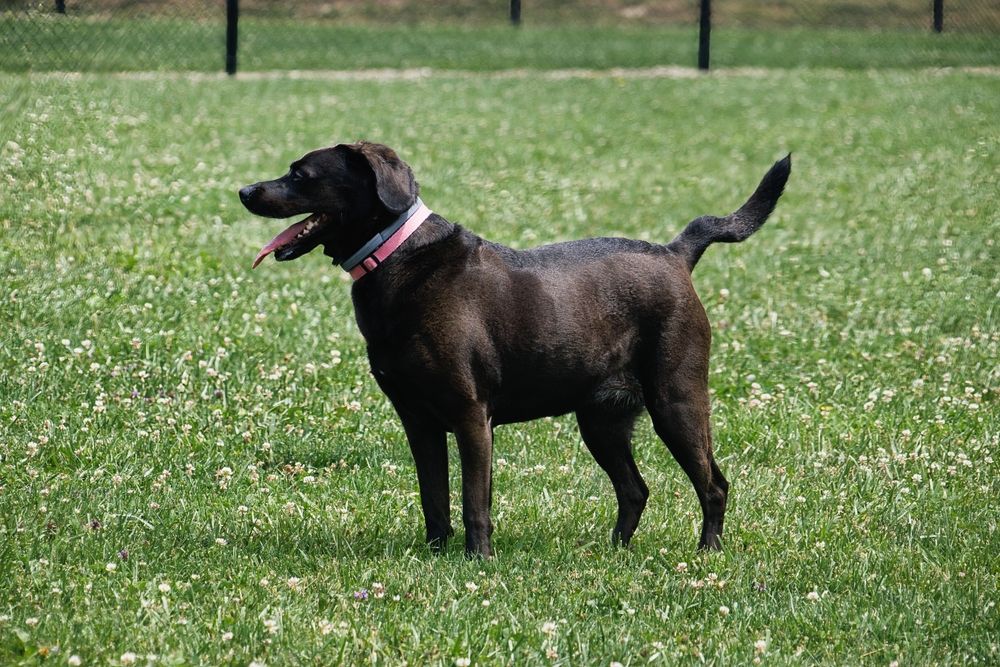
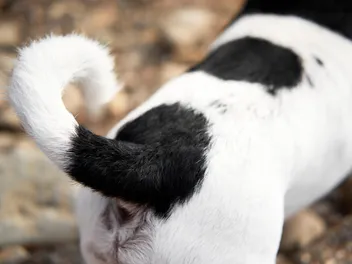
Kinked tails are relatively common in dogs and have a variety of causes. Some kinked tails may be acquired from things like injuries, while other dogs are born with kinked tails.
Either way, kinked tails are usually only a superficial issue as long as the underlying cause has been treated. In some cases though, a kinked tail could interfere with tail mobility or cause constant pain.
Whether your dog has had a kinked tail since a puppy or your adopted dog with an unknown history has one, you are probably interested in why it looks that way. This article will explore four possible reasons for a dog's tail to become kinked. Generally, it is the result of injuries or genetic abnormalities.

The 4 Possible Reasons Why Your Dog’s Tail Is Kinked
Let’s look below at the four possible reasons why your dog's tail could be kinked.
1. Genetics
Dogs may have a kinked tail from birth due to genetics. The medical term for this would be “hemivertebra (HV)”, a congenital condition that causes deformed vertebrae in dogs. It's most commonly seen in dog breeds like English Bulldogs, Boston Terriers, and Pugs. A corkscrew-like tail is a characteristic of these breeds and isn’t usually a cause for concern. There are some instances where the hemivertebrae could cause spinal cord issues if it involves vertebrae higher up a dog's back.

2. Fractures from Injuries or Trauma
A dog's tail could become kinked from fractures caused by injuries from things like being stepped on or crushed by a heavy object. These injuries could result in bone, muscle, and nerve damage, ultimately causing one or more kinks to form in the tail.
If a dog's tail fracture doesn’t heal properly, it could heal in an unusual position that can make it appear kinked.
Signs your dog may have fractured their tail include:
If you suspect your dog has injured their tail, don’t hesitate to contact a veterinarian for advice.
3. Limber Tail Syndrome
Limber tail syndrome or acute caudal myopathy is a muscular disorder more commonly affecting breeds with undocked tails. This disorder is known by many slang names, such as dead, limp, or flaccid tail syndrome. Active hunting and working dogs are at a greater risk of developing limber tail. However, it could affect any breed.
Dogs usually develop this disorder by overexerting their tails and injuring the muscles responsible for tail movement. Dogs who have recently been active and experience a painful tail the next day may have limber tail. Other signs associated with this disorder include difficulty sitting and wagging their tail, and a painful, droopy tail.
A dog's limp tail could appear kinked or broken depending on the angle they are holding it.
4. Happy Tail Syndrome
Despite the name, happy tail syndrome doesn’t refer to anything positive. Happy tail syndrome occurs when dogs with thin, long tails repeatedly wag them against hard surfaces. It is commonly seen in dogs confined to small spaces, such as kennels, that bang their tails on the side of the enclosure when wagging.
This can cause injuries to the tip of their tails, potentially leading to nerve damage and wounds. It's not unusual for some dogs to develop a kink near the tip of their tail from repeated injuries caused by happy tail syndrome.

Can a Dog's Kinked Tail Be Fixed?
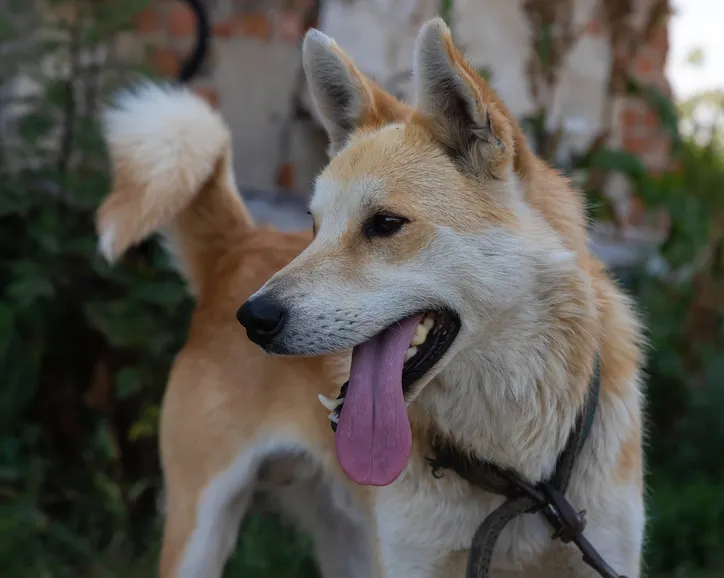
Unfortunately, there is little you can do to fix a dog with a kinked tail from birth or old, improperly healed injuries. Fortunately, a kinked tail is typically a superficial issue that does not cause a dog any pain or discomfort.
However, some kinked tails can be corrected if the cause is a fresh fracture and it can be reset by a veterinarian to encourage it to heal in a more natural position. Kinked tails that are chronically painful should be looked at as well.
It's best to consult with a veterinarian about any concerns you have about your dog's kinked tail and its fixability.
Final Thoughts
There are four main reasons why a dog would have a kinked tail. This includes genetics, injuries, limber tail syndrome, or happy tail syndrome. Most of the time, kinked tails are a cosmetic issue that don’t require further attention. However, if your dog’s kinked tail is painful or their tail suddenly shows up kinked, consult a veterinarian.
See Also:
Sources
https://vcahospitals.com/know-your-pet/tail-injuries-in-dogs
https://veterinarypartner.vin.com/default.aspx?pid=19239&id=4952641
https://www.petmd.com/dog/general-health/dog-tail-injury-signs-causes
https://vcahospitals.com/know-your-pet/acute-caudal-myopathy-limber-tail
https://www.petmd.com/dog/conditions/behavioral/happy-tail-syndrome-dogs
Featured Image Credit: Sharon Feragotti, Shutterstock
Expert dog care, straight to your inbox
News, insights, expert advice, and everything dog.

No spam — unsubscribe anytime.
By signing up, you agree to our Terms & Conditions and Privacy & Cookies Policy.
How useful was this post?
Click a star to rate. You can leave written feedback afterwards. (We read all feedback.)
Sarah lives in South Africa with her partner and pets. She is currently interested in veterinary science and ichthyology, which she wants to study alongside her main passion: pet content writing. Sarah has over 60 fish including: goldfish, tropicals, shrimp, and snails. She also keeps hamsters and a tarantula. Sarah wishes to provide quality content to readers and allow others to learn from her experience and knowledge. Sarah has much experience in all aspects of pet care. Providing the world with the knowledge on ethical pet ownership is her lifelong dream.