


In this article
Fleas and ticks are common pests that can irritate dogs and cause further health complications. Flea and tick season refers to times in the year when they’re most active. Different regions in the US will have flea and tick seasons that start and end in different months. Areas with warmer climates can also have year-round flea and tick seasons. Knowing when flea and tick season takes place in your state can help you better prepare and prevent infestations and keep your dog safe.

What Is Flea and Tick Season?
While fleas and ticks can survive cold weather, they tend to be most active during the spring and summer when the weather starts to get warmer. These active periods make your dog more susceptible to infestations.
Fleas and ticks will become less active in the late fall and winter when the weather gets colder. Flea and tick populations in areas with cold winters usually enter a dormancy phase and resume activity in the spring.
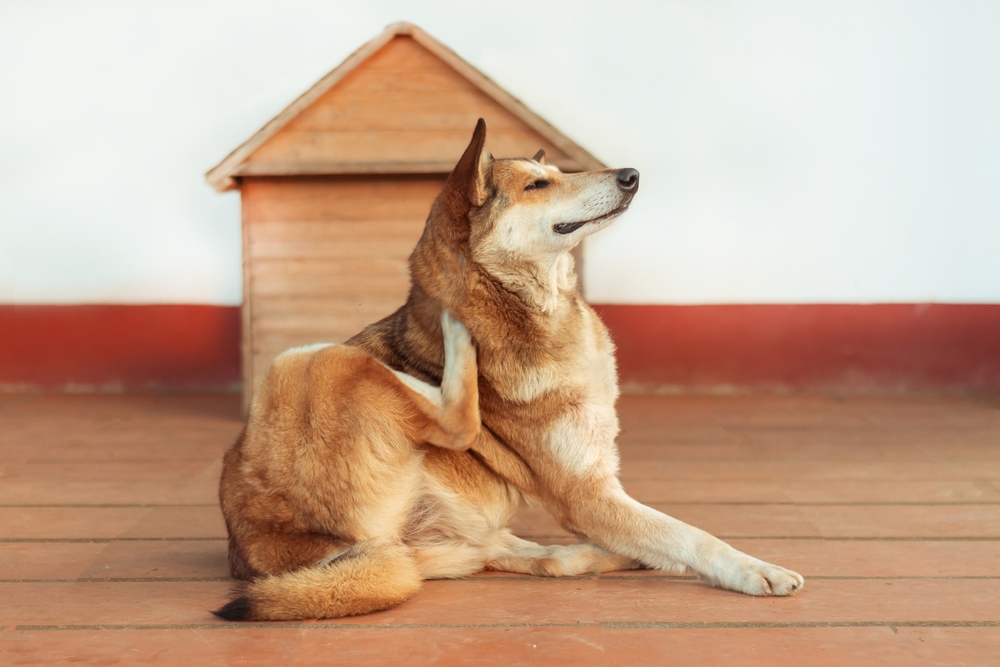
Flea and Tick Season: State-by-State
Temperature plays a large role in flea and tick season. Warmer states can have year-round flea and tick seasons. However, most states have flea and tick seasons that start in March or April and end in September, November, or December.
Fleas and ticks are resilient and can survive without a host for a significant amount of time. So, there are no states with no fleas, but some states have very short flea and tick seasons. Here’s a general breakdown of flea and tick seasons for each state. Remember, fleas and ticks can be seen year round depending on seasonal variation, so this is a general guide, only.
Year-Round Season
- Alabama
- Arizona
- Arkansas
- California
- Florida
- Georgia
- Hawaii
- Louisiana
- Mississippi
- Nevada
- Oregon
- South Carolina
- Texas
- Washington
March to July Season
- Utah
- Wyoming
March to September Season
- Colorado
- Utah

March to November Season
- Iowa
- Maryland
- Massachusetts
- Michigan
- Missouri
- New Hampshire
- New Jersey
- New York
March to December Season
- Delaware
- Kentucky
- Ohio
- Rhode Island
April to July Season
- Montana
April to August Season
- Idaho
April to September Season
- Illinois
- Indiana
- North Dakota
- North Carolina
- Oklahoma
- Tennessee
- Vermont
- Virginia
May to October Season
- Alaska

Flea and Tick Prevention
One of the most effective ways to prevent flea and tick infestations is to stay on top of your dog’s flea and tick prevention medication. Prevention medication includes topical treatments, collars, and tablets.
Some dogs require flea and tick medication year-round, while others just need it during the spring and summer. It’s best to consult your veterinarian to determine the right regimen for your dog. Your veterinarian can also help you choose the best brand for your dog.
Since fleas and ticks hide really well in your dog’s coat, make sure to check your dog’s coat regularly during flea and tick season. Fleas and ticks can latch to any part of the body, but they tend to prefer areas with dense fur and deeper crevices, such as the neck fur, abdomen, and armpits.
Routine cleaning around the house and maintaining your yard can also help keep fleas and ticks at bay. Washing your pet’s bedding and vacuuming your floors regularly can help prevent flea and tick infestations. Mowing your lawn and keeping your grass at a shorter length can minimize flea and tick populations. These pests also prefer shady and humid areas, so make sure to pick up sticks and dead leaves and avoid overwatering your lawn.
Fleas and ticks can latch to small animals, so keep the perimeter of your house clean to avoid attracting mice, rats, and other rodents. Make sure your trash bins are shut securely, and don’t leave any food out.
Treating Flea Infestations
It’s important to act quickly with flea infestations because they can spread very quickly and wreak havoc in your entire house. Because fleas are so small, it’s likely you won’t notice them on your dog right away. The best way to spot fleas is to observe your dog’s behavior. Dogs with fleas often exhibit these signs:
- Excessive scratching, chewing, or biting skin
- Skin irritation or inflammation
- Skin infections
- Fur loss
- Flea dirt
If your dog has fleas, consult your veterinarian right away. Your veterinarian can do a physical exam on your dog to check for any other health issues caused by the fleas. They can also recommend and prescribe flea medication that will help kill fleas.
If you need to speak with a vet but can't get to one, head over to PangoVet. It's our online service where you can talk to a vet online and get the advice you need for your pet — all at an affordable price!
You’ll also have to clean out your home thoroughly and consistently until it’s completely cleared of the flea infestation. This includes washing your dog’s bedding and soft toys with hot and soapy water. You’ll also have to wash any soft materials and decorations that fleas can hide inside, such as your own bedding, pillows, rugs, and bathmats.
Don’t forget to vacuum your floors, curtains, and upholstered furniture. You can use a flea control spray or powder before vacuuming to destroy larger flea infestations.
It’s important to keep cleaning until your house is completely cleared of fleas. Fleas can quickly bounce back and infest your home again if you don’t follow through on treating your house to the very end. If the infestation becomes unmanageable, it’s recommended to hire a professional exterminator.
Treating Ticks
Ticks can carry harmful parasites that cause serious illnesses in dogs and humans, so you must remove them right away if you see them on your dog. The best way to remove ticks effectively is to use a tick remover tool.
First, put on a pair of disposable gloves to protect yourself from contracting a transmittable disease. Then, use a tick remover tool to detach the tick from your dog’s skin according to instructions. You may need to enlist the help of another person if your dog isn’t staying still.
Get as close to the skin as possible and slowly yet firmly detach the tick from your dog’s skin. Working patiently will reduce the risk of the tick’s head detaching from its body. If the tick’s head gets stuck on your dog’s skin, you can try to remove it with tweezers. However, be careful not to cause damage to your dog’s skin. If it’s difficult to remove the head, contact your veterinarian for further assistance.
After you’ve removed the tick, place it in a container or baggy with isopropyl alcohol, which will preserve the tick. Disinfect the tick bite area and wash your hands thoroughly after disposing of your gloves.
Monitor your dog’s condition over the next few days and look for any strange signs or symptoms. If you notice anything strange, contact your veterinarian. Your veterinarian can examine your dog and check for any tick-borne illnesses.

Conclusion
Flea and tick season varies from state to state, but most states have seasons that begin in the spring and end in the fall. Make sure to be extra vigilant during your state’s flea and tick season and check your dog’s skin and coat regularly for pests. If you find either of these pests on your dog, act immediately to remove them. Keep your veterinarian in the loop and schedule a visit with them if you notice any strange or unusual behaviors or signs from your dog.
Featured Image Credit: schubbel, Shutterstock


























2 Responses
N.Carolina is April to September
its on the list
I believe missing North Carolina on this list/ in this article, which is where I live. :-/