In this article
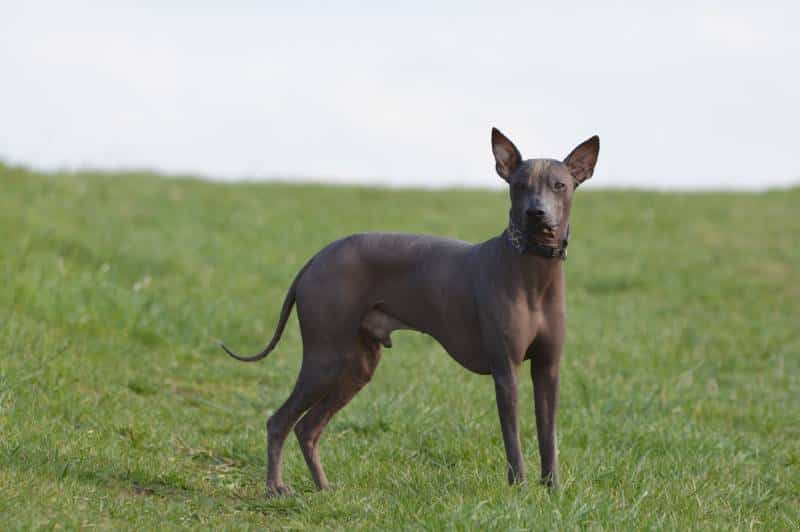
View 8 More +The Peruvian Inca Orchid might sound like some kind of exotic flower, but it’s actually the name of an interesting dog! This breed is mighty, protective, noble, affectionate, and loyal to their human companions. They are docile in a family environment, but they are quite feral when raised in a pack, due to their strong hunting background and instincts.
Are you interested in learning more about the Peruvian Inca Orchid dog breed? You’ve come to the right place!
Breed Overview
Height:
10 – 25 inches
Weight:
18 – 25 pounds
Lifespan:
11 – 12 years
Colors:
Black, tan, gray, white, brown, pink
Suitable for:
Hunters, active families, singles, houses with fenced yards
Temperament:
Noble, intelligent, alert, lively, protective, affectionate, loyal, adventurous
There are many amazing qualities about the Peruvian Inca Orchid breed, yet there are certain ones that only seasoned dog owners can appreciate. First, these are loyal and affectionate dogs, but they are aloof when it comes to interacting with strangers, and they don’t always get along with other dogs and animals. They enjoy hunting small animals and vermin.
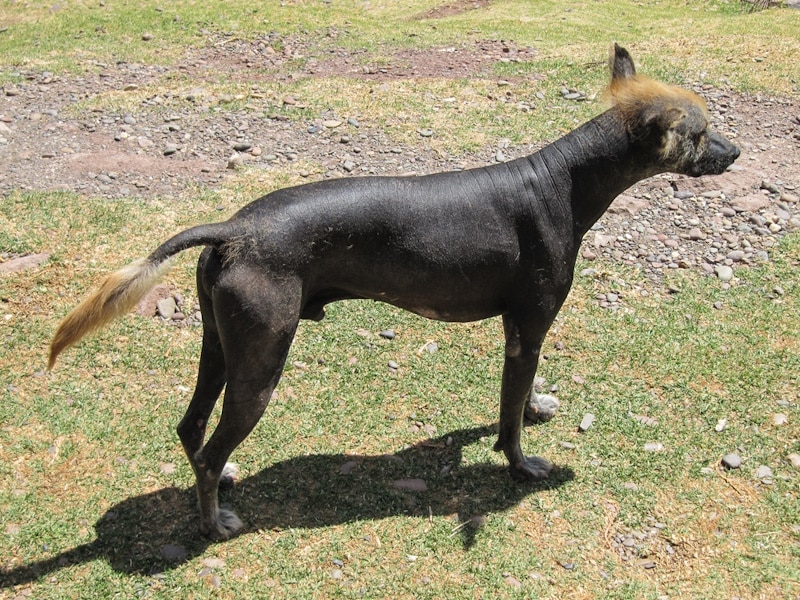
Second, they have a medium-sized build, and most are hairless, with smooth and supple skin. Hairless Peruvian Inca Orchids tend to have a small patch of fuzzy hair on their heads that some people think resembles a mohawk. The dogs of this breed that aren’t hairless have short, dense coats that protect them from the outdoor elements, be they sunshine, wind, rain, or snow.
Peruvian Inca Orchid Characteristics

Peruvian Inca Orchid Puppies
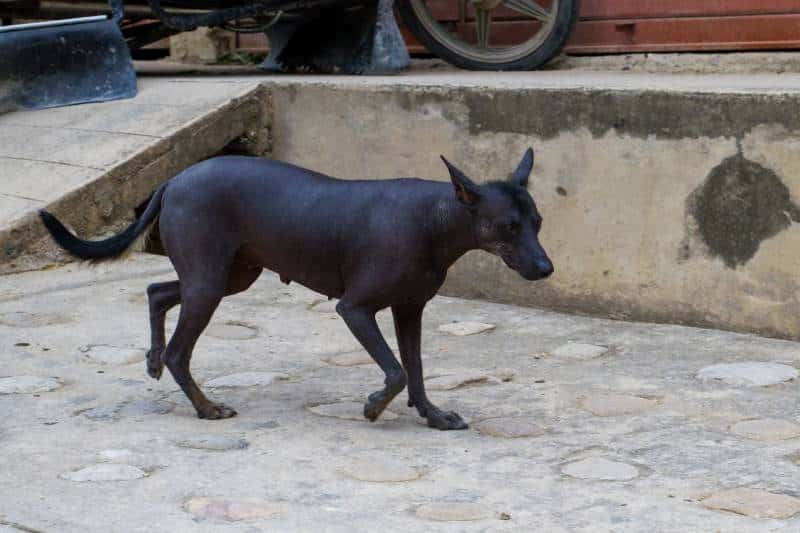
As puppies, Peruvian Inca Orchids are calm, loving, and curious. As they grow older, they tend to become more lively and agile, so they should spend plenty of time outside each day running, playing, and exercising in general. They do not enjoy spending time alone, so if they are not with their mother, there should always be a human caretaker around to look after them and keep them company.
However, as they become adults and have a thorough amount of training under their belts, they can tolerate time alone at home, making it possible for companions to go to school and work without much worry about problems like destructive behavior and signs of stress or depression. Since most Peruvian Inca orchids are hairless, puppies must be kept warm and safe in a temperature-controlled setting and provided with plenty of bedding for comfort.
Temperament & Intelligence of the Peruvian Inca Orchid 🧠
The Peruvian Inca Orchid is a loyal dog breed that tends to bond immensely with their human (and sometimes even animal) family members. That said, they are known for being aloof when it comes to interacting with strangers and people in social settings that are not considered a part of their “pack.” These are patient dogs, which means they can get along well with children in the household.
This breed is instinctively protective and can make for a good watchdog. These fast dogs love nothing more than to run around while playing games at the park or hanging out at the beach. While hanging out indoors, they are most likely to be found curled up on the couch snoozing or following a companion around.
Are These Dogs Good for Families?👪
The Peruvian Inca Orchid can make a good family pet, but they must be trained and socialized from a young age to ensure proper behavior within the house and while around children. Their patience and easygoing attitude make them fun to be around and keep them in a positive frame of mind, even when things aren’t going the way that they expect.

Link: Peruvianincaorchidcluboftheunitedstates.org
Does This Breed Get Along With Other Pets? 🐶 😽
This breed can get along with other pets if they are socialized and introduced to animals at a young age. Otherwise, they may not get along with strange animals or household pets in the long run. Simply making sure a Peruvian Inca Orchid pup has an opportunity to regularly spend time with and play with other puppies that are not a part of their litter can go a long way in ensuring their friendliness to other animals as they age.
Things to Know When Owning a Peruvian Inca Orchid
Food & Diet Requirements🦴
Like all dogs, the Peruvian Inca Orchid requires a high-quality diet that includes real meat protein as a major ingredient. Some dogs do well with grain-free options, but this breed doesn’t seem to have any sensitivities to grains, so quality sources as part of their diet should not be a problem. It’s a good idea to choose food designed just for puppies until your Peruvian Inca Orchid grows into adulthood, to ensure that they get all the proper nutrients needed for optimal growth and development. There is no special type of diet this breed needs that is different from that of most other breeds.
Exercise🐕
The Peruvian Inca Orchid is an active, agile dog that should get at least 30 minutes of moderate to vigorous exercise each day. The bulk of this exercise should come in the form of brisk walks and activities like hiking, running at the beach, playing fetch in the yard, and exploring the dog park. When it’s raining outside, indoor interactive games and puzzle toys can provide an energy outlet until outdoor exercise is possible again.
Training 🦮
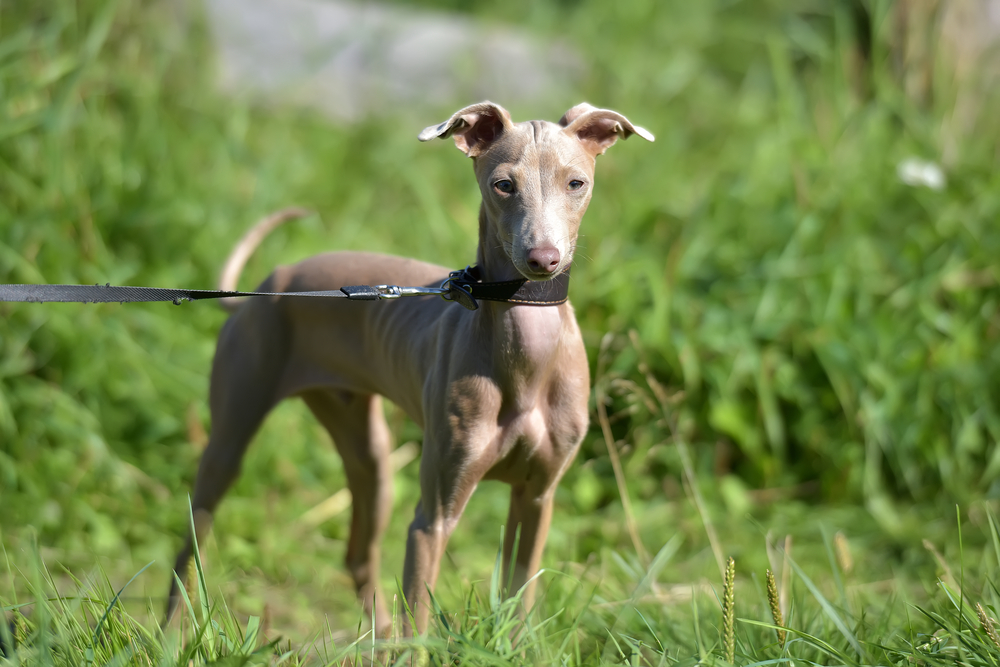
All Peruvian Inca Orchids should be trained from a young age, while still puppies. If possible, start training when they’re about 8 weeks old. Obedience training helps keep these dogs focused and mindful. It will help ensure proper behavior in social settings and help keep things like predatory behavior at bay. Fortunately, these smart dogs take well to training, especially in spaces that are free of distractions. First-time dog owners should consider professional training help for the first month or two.
Grooming✂️
Since most Peruvian Inca Orchids are hairless and even the ones that aren’t, have little hair, grooming is generally easy when caring for them. They don’t shed much, and they don’t need to be combed or brushed regularly. They may need occasional bathing to get rid of built-up dirt on the skin, but otherwise, they tend to do well when it comes to keeping themselves groomed. They should get enough outdoor exercise so their nails will stay naturally trimmed. The ears should be checked regularly and cleaned with a cotton ball or damp cloth when dirt is present.
Health and Conditions🏥
Generally, the Peruvian Inca Orchid is a hardy, healthy breed. That said, there are a few health conditions that they are prone to developing.
- Acne
- Sunburn
- Skin allergies
- Eye disorders
- Dental disease
Male vs. Female
Like with most dogs, there is little to no difference between the males and females of this breed.
3 Little-Known Facts About the Peruvian Inca Orchid
1. They Are Peru’s National Dog
As their name suggests, this breed is the official national dog of Peru. The country declared the Peruvian Inca Orchid the national dog in 2001, citing their unique look as part of the reason. This breed is the only one from Peru that is recognized and registered internationally.
2. They Were Named by an American
These dogs have been referred to by many names, including “perros flora” and “moon dogs” by the Spanish, but it was not until Jack Walklin, an American canine fancier, was introduced to the breed in the 1960s that they were given an official name. Jack combined a few of the previous characterizing labels to come up with the name, “Peruvian Inca Orchid.” Then he decided to bring a few dogs back to the United States. From there, the name gained popularity and stuck!
3. They Aren’t Easy to Find
Although they are well-known among dog enthusiasts and many breeder communities, the Peruvian Inca Orchid is a rare breed that isn’t easy for the average person to find as a pet. So, you likely won’t see this breed hanging out at the dog park or being advertised by breeders. Their lack of popularity is thought to be due in part to their hairless appearance.
Final Thoughts
The Peruvian Inca Orchid is an interesting dog breed that enjoys life in Peru, the United States, and other places around the world. However, they are not that popular, which naturally results in less breeding and the status of being relatively unknown among the public. However, if you are interested in obtaining a rare breed, this might be the one to learn more about. If you like them, you can find a breeder to work with if you look hard enough.
See Also:
- Mexican Hairless (Xoloitzcuintli): Pictures, Care, Traits & More
- Ecuadorian Hairless Dog: Pictures, Info, Care Guide & More
Featured Image Credit: Tomas Krejci, Shutterstock