Why Does My Dog Pee When I Come Home? 5 Vet-Approved Reasons

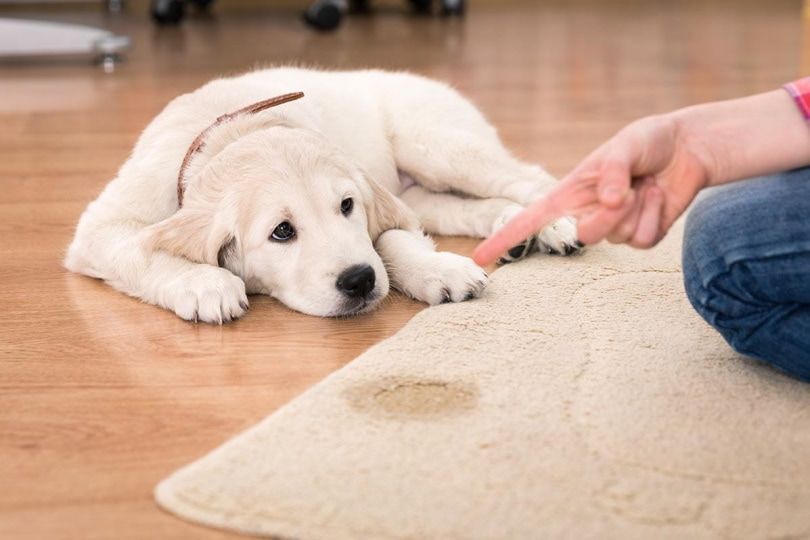
No one is as excited to see you come home as your dog. But homecomings can be challenging when your pup has an issue holding their bladder. If your dog is tinkling before its time, getting to the bottom of it is a top priority—and we want to help you.
Luckily, in some cases, solutions are pretty simple. Here, we will go over five reasons your dog might pee when you come home—and how you can curb this unpleasant behavior. Let's get to it.

The 5 Vet-Approved Reasons Why Your Dog Pees When You Come Home
1. Excitement
There is pure joy when your dog sees you come home from work. However, some dogs have weaker bladders and less self-control than others. If they get super excited, they might let out a few dribbles from the surge of emotional energy.
It is important not to punish your dog if you think this might be the case, as it could lead to submissive urination and other potential concerns.
Potential Solutions
- Use Low, Calm Tones
The softer you can make your voice, the better. Too many high-pitched noises can get their little tails wagging so fast that accidents happen. Keep introductions slow, smooth, and relaxed. As much as you want to make as big of a deal about seeing them, it's crucial to act neutral.
- Don’t Make Eye Contact
Dogs who are waiting for acknowledgment will try to lock eyes with you. Try to avoid looking directly at them if you can help it. If you make eye contact, it's almost like they think you're on the same page—and often jump with glee.
- Take Them Outside Immediately
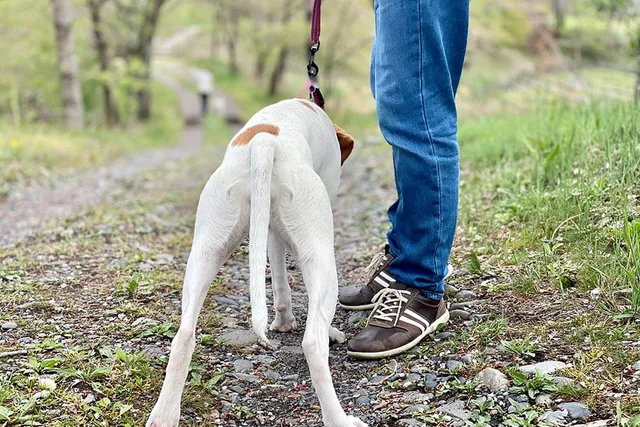
When you enter the door, get their gear on and get them outside as quickly as possible. Your dog can't have an accident if they are outside when you open the door. So, the key is to get them out of the house before it's even an issue.
2. Emotional Distress
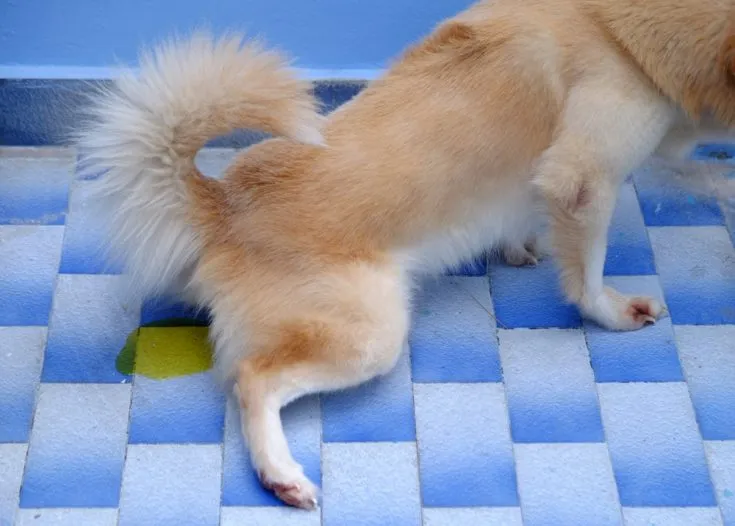
If a dog is having a hard time without you while you’ve been away, they might urinate as a relief when you come home. As they quickly change moods from anxiousness to happiness, it might cause a momentary lapse of control.
Often, emotional distress accompanies or is a precursor to separation anxiety, which we will talk about next. The key here is to nip it in the bud before it becomes a more significant issue.
Potential Solutions
- Create a Calming Atmosphere While You’re Away
It's easy for a dog to get restless if left in an unsettling environment. If they hear lots of loud noises, bangs, or uncertain noises, it can create a lot of anxiety.
Try to keep them in a relaxed, quiet, and peaceful space. You might even try turning on some classical music or other soft tunes. According to a study, soft rock and reggae seem to decrease stress in dogs 1.
- Fill Their Time With Activities
Could you imagine sitting somewhere all day staring out of the window? If the answer is no, your dog feels the same way. Give them lots of toys for entertainment, such as chew toys, balls, interactive battery-operated toys, and so on.
You can find tons of options on the market.
If you suspect this might be something your dog is experiencing, the advice from a vet can help.
3. Separation Anxiety
Anxiety is a real thing among many kinds of breeds and personality types. If your dog is very anxious without you, they might urinate in the fear response.
Separation anxiety is a prevalent and extremely challenging issue in dogs. The symptoms manifest differently for many canines. Some can be overly destructive, while others just show very bad anxious behaviors.
If your dog has separation anxiety, they might prematurely urinate as soon as they hear your keys jingle in the door.
Potential Solutions
- Don’t Speak Until You Take Them Out
We can sometimes wind our dogs up just by talking to them. As hard as it will be to act disinterested in seeing your dog, take them out right away so they can relieve themselves as soon as you get home. Once they've done their business, giving pets and playing is safe.
- Sign Up for Doggy Daycare
While it might not fit into every budget, doggy daycare is becoming a much more accessible resource for pet owners. If your dog is particularly destructive while you're away, you can use their inner desire for companionship by taking them to a trusted facility.
In addition to doggy daycares, many people take up pet sitting as a side hobby. You could choose somebody with a respectable history to babysit your dog when you're not home.
- Practice Bonding Techniques
Your relationship with your dog is key. If you feel overwhelmed or frustrated by their behavior, they can feel this, which might even worsen. Make time with your dog when you are home, making the best of your moments together.
The more secure they feel in your relationship, the less insecurity they feel. This isn't always the case, however. Some dogs can never quite kick the cycle.

4. Submissive Urination
Submissive urination can be a problematic and aggravating issue when you have a dog. However, it is essential to have extreme patience while you work out the kinks, as any negative punishment can worsen the situation.
So, what exactly is submissive urination? As annoying as it might be to clean the carpet every day, it is often a sign of respect. If your dog is dribbling when they see you, this might be a signal that they know you're the boss. However, it can also be very common in dogs who have been previously abused.
If it is submissive urination, this problem will likely happen more often than just your homecomings. Usually, making eye contact with them or raising your voice can trigger submissive urination.
Potential Solutions
- Allow Your Dog to Mature
Luckily, submissive urination is usually a problem when dogs are very young. It’s something they usually outgrow. So, if your dog is under two years old, you might just need to let them mature a little.
- Keep Your Interactions Peaceful
If your dog has moments when they are more likely to urinate, such as times of high stress or during a lot of household chaos, mentally catalog it. If you can tell one of these challenging times is coming for your dog, do your best to soothe the situation. Do not increase anxiety by fueling the fire.
Submissive urination is usually a fear response. If these fearful dogs are harshly punished, it can sometimes lead to aggression. So, handle it without negative punishments.
5. Premature Relief
Your dog knows they can finally go to the bathroom when you get home. Because they've been holding it, they might be so relieved to see you that they have an accident before they get out the door. This might be more common in younger pups that haven't quite learned bladder control yet.
Even though you might want to punish them, it is essential to understand that they are often just getting the concept down. After all, they are trying to hold it, and so you get home. Harsh punishments might make this issue a much bigger deal than what it needs to be.
We want to point out that premature relief is different from submissive urination. Submissive urination is linked to fear or instinctual response, while premature relief is simply a matter of not holding it long enough. The amount of urine, in this case, is likely also much more.
Potential Solutions
Give It Time
As aggravating as it might be, if they prematurely use the potty, it could simply be a matter of learning how to control their bladder.
- Be Prepared for the Accident
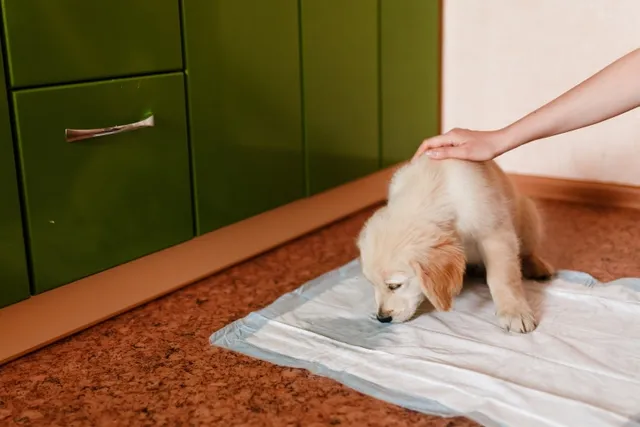
If this is a daily occurrence, you might as well be ahead of the game. If you know your dog will be when you get home, then be ready before it happens. You can buy doggie diapers, set out puppy pads, or other preventative measures down to prevent messes on the floor.
While we don't recommend using puppy pads long-term, they can be perfect for such issues.
- Give the Dog a Treat When They Wait It Out!
The best way for your dog to avoid premature relief is if he learns that going outside is good. And there is no clearer good than a treat! Do this on occasion; other times, offer a word of praise or a cuddle. By giving a positive consequence to doing their business in the right place and time, you will strengthen this behavior.

Final Thoughts
As aggravating as it might be right now, know that there are always solutions to these issues. Hopefully, you can pinpoint what's causing the behavior, so you can take the proper steps to smooth out the situation.
If you have any in-depth questions, you can always contact your vet or canine professional for guidance.
You Might Also Be Interested In:
Featured Image Credit: Olimpik, Shutterstock
Expert dog care, straight to your inbox
Vet-reviewed advice, training tips, and the best of Dogster. Free, and you can unsubscribe anytime.
By signing up, you agree to our Terms & Conditions and Privacy & Cookies Policy.
Ashley Bates is a freelance dog writer and pet enthusiast who is currently studying the art of animal therapy. A mother to four human children— and 23 furry and feathery kids, too – Ashley volunteers at local shelters, advocates for animal well-being, and rescues every creature in need. Her mission is to create awareness, education, and entertainment about pets to prevent homelessness. Her specialties are dogs and cats.
Join the conversation
Ask a question, share your story, or send private feedback.