Why Do Dogs Kick Their Legs When You Scratch Them? 6 Possible Reasons Explained

In this article
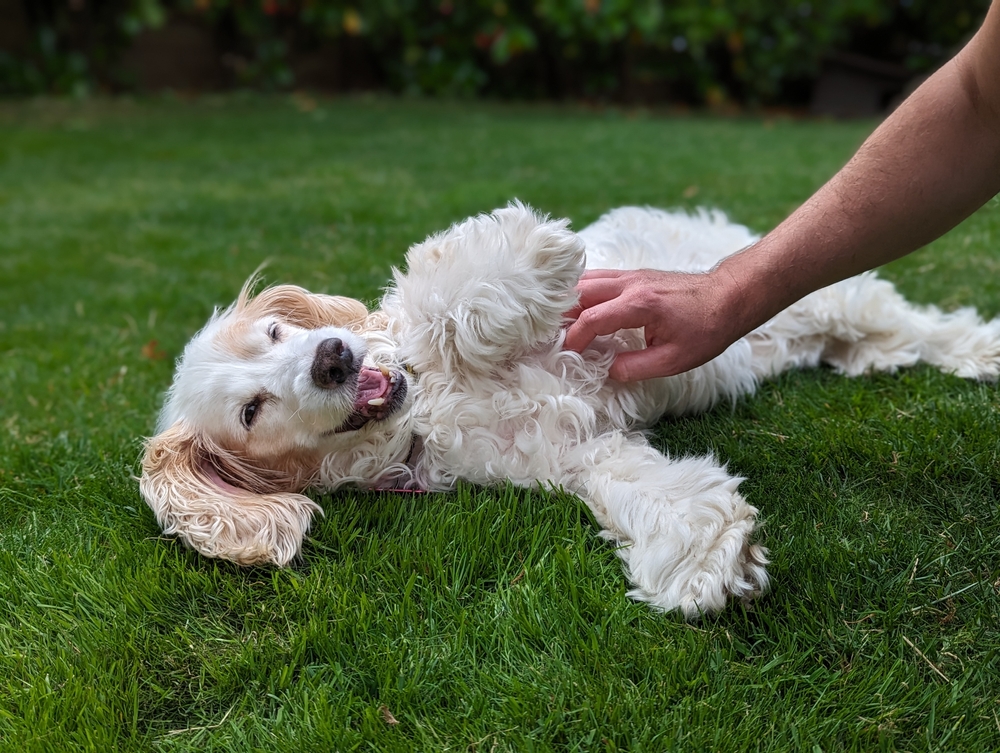
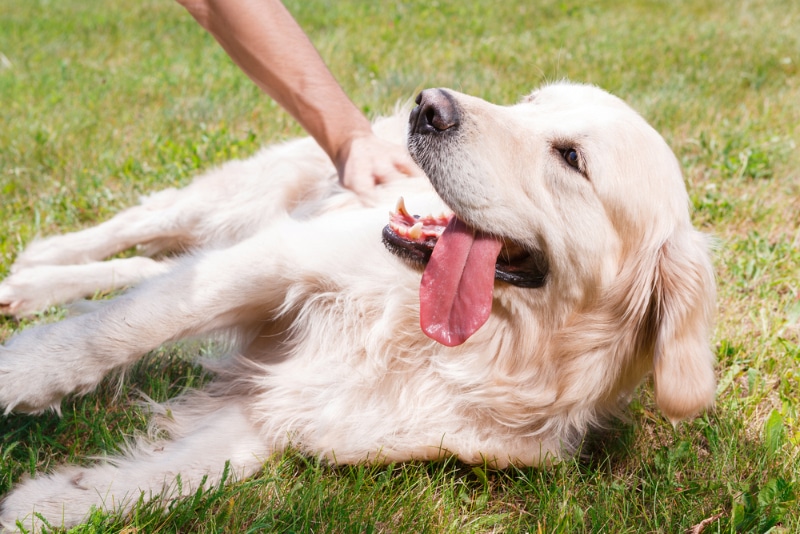
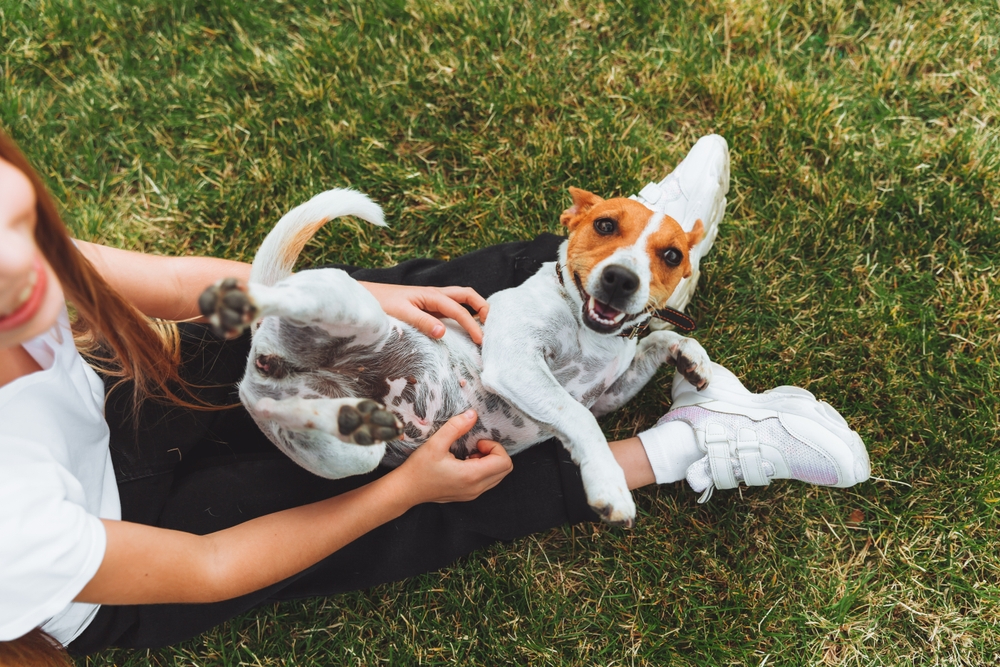
Most dog parents know about their dogs’ sweet spot on their bellies, which causes them to kick their legs. This is a common behavior, but not all dogs react in the same way, and some have a reflex spot elsewhere on their bodies.
Kicking might be a sign of encouragement to convince you to pet them more, a sign of excitement, or a sign of pain or distress.
Working out why your dog is kicking and whether they’re enjoying being scratched requires looking for other signs and reading their body language. In this article, we’ll discuss six possible reasons your dog might kick their leg while being scratched and whether you should carry on.

The 6 Possible Reasons Dogs Kick Their Legs When You Scratch Them
1. Scratch Reflex
The scratch reflex is the official name for the reaction that occurs when you scratch your dog’s sweet spot, starting the frantic leg kicking. It is a natural reaction, similar to the one we have when the doctor taps just below the knee to test our reflexes.
According to experts, the scratch reflex occurs because your dog has a collection of nerve endings at that spot, and it is likely to be a natural reflex designed to help scratch and get rid of fleas and other pests that might be irritating.
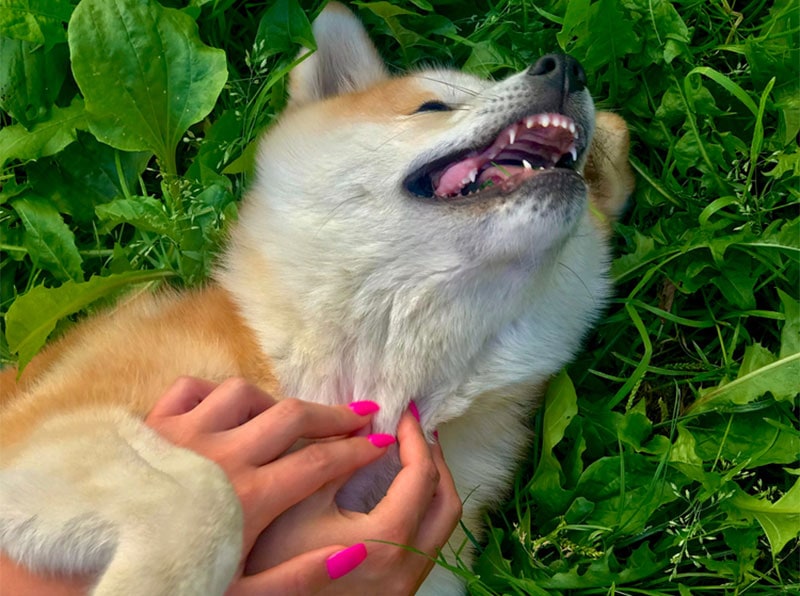
Most dogs seem to enjoy the sensation and will lay there as long as you’re willing to keep scratching. Watch your dog’s body language to determine if they are enjoying it. If they look irritable or feel discomfort, stop scratching. If they look like they’re enjoying it, you can carry on because it doesn’t cause pain or harm in most cases.
There is typically a delay between your scratching and your dog’s kicking. This is the time it takes for the message to get from your dog’s nerves to their brain. Similarly, there’s another delay when you stop scratching. The kicking will continue for a second or two afterward.
If you scratch for a long time, the reaction might stop. This is simply because the nerves are worn out. However, the scratch reflex will return.

2. Pleasure
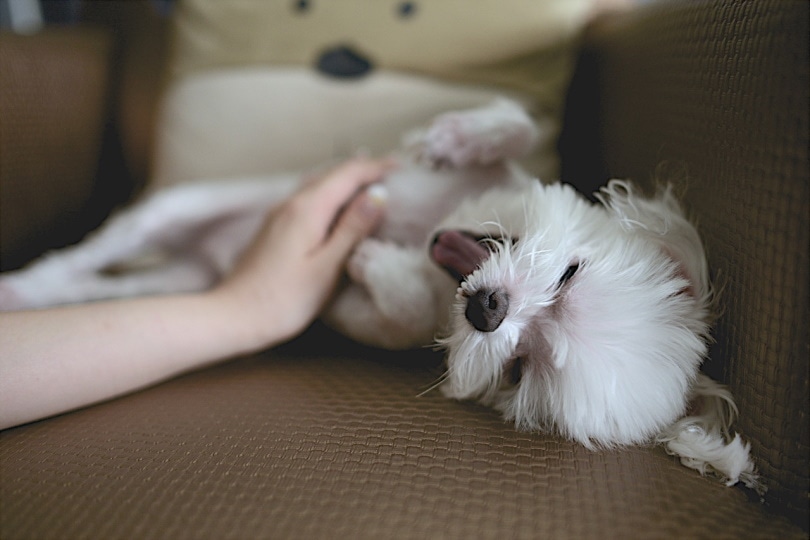
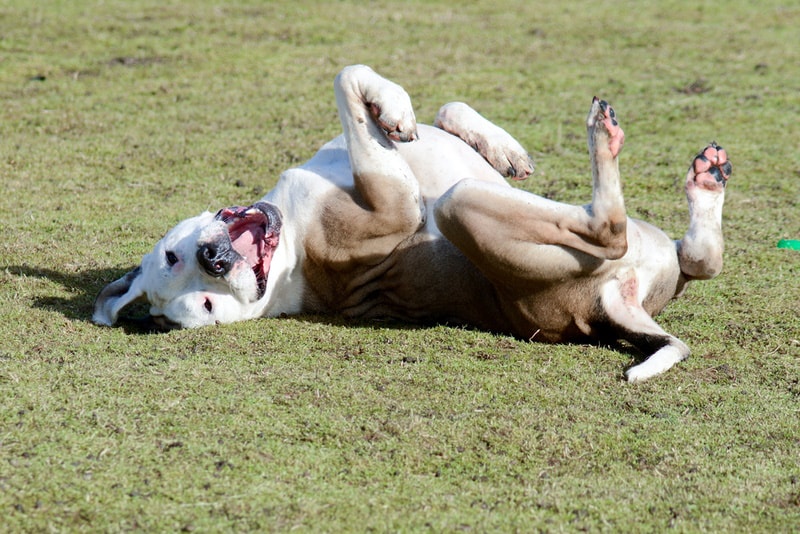
Most dogs love attention, and they enjoy being stroked and scratched. Not only do they enjoy the physical sensation of being scratched, but they also enjoy the release of oxytocin, which gives them a positive emotional boost.
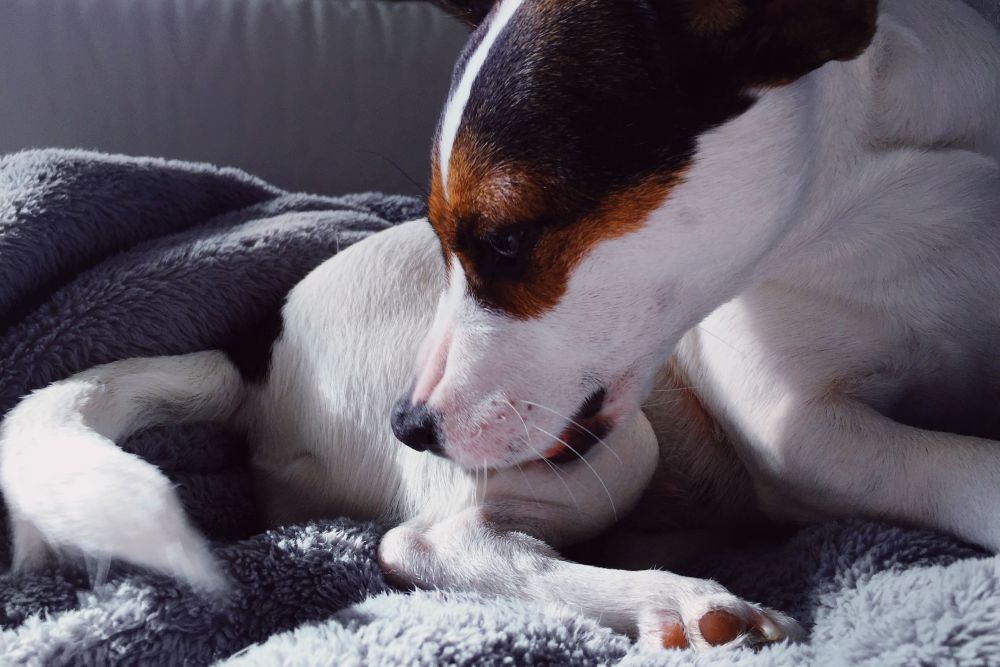
Depending on where you’re scratching, you might be helping relieve an itch that your dog can’t reach. Although they can scratch their bellies, it isn’t as easy as scratching the back of the head, so you might be lending a hand in getting rid of the itch.
3. Encouragement
Dogs react to positive reinforcement. They will repeat actions that lead to a positive outcome or reward. Giving your dog a treat when they listen and sit down is positive reinforcement. However, dogs don’t just learn through intentional training.
If you’ve reacted positively to them kicking their legs when you scratch them, they may do so again just to get that same positive response. Effectively, your dog might be kicking their legs to encourage you to interact with them.

4. Irritation
The natural scratch reflex is believed to have evolved as a response to fleas and other pests on your dog’s skin. Nerves feel the movement and biting of the fleas, and they transmit this feeling to the brain, which sends a message back to scratch and move the flea. Your dog might be kicking their legs because they’re irritated by your touch.
Tiny hairs around the belly, between the paws, and on the end of the nose can be especially irritable, and if you scratch or gently stroke these areas, irritation could cause kicking.
5. Surprise
If you scratch your dog while they’re sleeping or just zoning out, you might catch them by surprise. The kicking might be a natural response to warn you to back off. Try not to startle your dog when they’re sleeping. If necessary, speak to them when you’re walking over. This will give them a chance to respond appropriately to the attention.

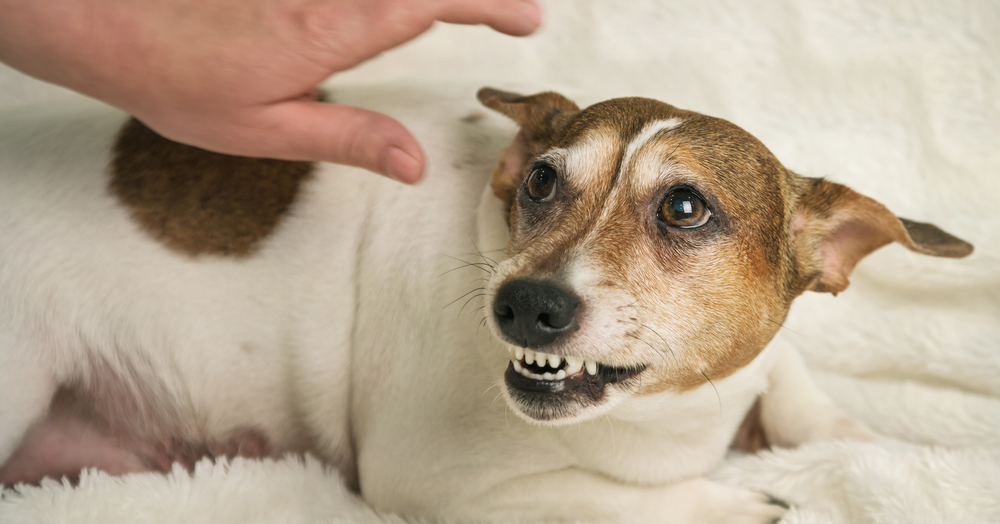
6. Pain
A dog doesn’t have too many ways to stop you from touching a painful spot. They can move, bark, or attempt to bat your hand out of the way with their feet.
Look for other signs of pain. If your dog scratches or bites the area frequently when you’re not stroking it, it could be a sign of pain. Look for redness, swelling, and even open cuts or sores.
If you’re in doubt and believe your dog might be in pain, have them checked over by a vet. They can conduct a more thorough check and determine the likely cause of pain.
Do All Dogs Have a Scratch Reflex?
All dogs have a scratch reflex. It is a natural reaction typically used to get rid of fleas, ticks, and other pests. However, some reflexes are more pronounced than others, and many dogs will start kicking almost as soon as your hand goes near them.
Similarly, while the scratch reflex is typically found on the belly, that isn’t true of all dogs. Some might react to being stroked at the base of the tail, while others might react positively when given attention between the ears or at the base of the neck.

Do Dogs Enjoy It?
While the reflex has developed to address fleas and other nuisances, many dogs seem to enjoy being scratched on their sweet spot. This is because of the extensive collection of nerve endings in the area. It is a very sensitive spot.
However, not all dogs enjoy the sensation. Some will move out of the way; others might try to move your hand or stop scratching. Look at your dog’s body language to determine if they’re enjoying it.
Conclusion
Dogs have different ways of reacting to being scratched, depending on whether they like it. Kicking is a common reaction and is most often associated with finding the sweet spot on the belly and rubbing it. However, kicking is also possible when you scratch other areas, and possible causes include pain, discomfort, irritation, or surprise.
Check your dog’s body language to determine whether they’re enjoying the attention or whether you should stop. If you believe your dog is in pain, speak to a vet so they can determine the cause and treat it.
Sources
Featured Image Credit: Inna Photography, Shutterstock
Expert dog care, straight to your inbox
Vet-reviewed advice, training tips, and the best of Dogster. Free, and you can unsubscribe anytime.
By signing up, you agree to our Terms & Conditions and Privacy & Cookies Policy.
Matt is a freelance writer from the UK. He lives with his partner and daughter, as well as two cats and one dog. A data analyst by profession, Matt moved from numbers to words more than 15 years ago and has been writing ever since. Having volunteered at a local animal sanctuary, he has a lot of experience with dogs, cats, and horses. Matt has also kept bearded dragons, a variety of birds, fish, guinea pigs, hamsters, mice, and rats. His daughter has adopted the same passion for animals, keeping and breeding snakes. A geek at heart, Matt is a member of a local board gaming group and regularly forces his family to “enjoy” board games with him at home.
Join the conversation
Ask a question, share your story, or send private feedback.