When looking for a new dog from the shelter, most people tend to ignore senior dogs. They gravitate toward puppies because they are cute, and people imagine that they will have a greater influence over their pet’s personality if they get a young dog (though there is no evidence to suggest that). There is also a stigma about adopting senior dogs, leading most potential owners to ignore the myriad benefits that come along with it.
Getting an old dog can be an amazing experience. Do not discount a pup just because they’re getting up there in age. Ownership of senior dogs has great benefits that most people don’t consider or even know about—here’s a list of 10 of these benefits.

The 10 Benefits of Adopting a Senior Dog
1. Some Senior Dogs Are Often Already Trained
Many senior dogs at the shelter have a good chance of having at least received the basics of training from their previous owners. They are usually house-trained, and some may know how to sit, stay, and stop.
Senior dogs are also willing to go with the flow and understand that they should be listening to their owners. Young dogs often require more training and a more intensive adjustment period than senior dogs. If you don’t want to spend time training a new dog and getting them up to speed on basic expectations, a senior dog could be an excellent alternative to an untrained puppy.
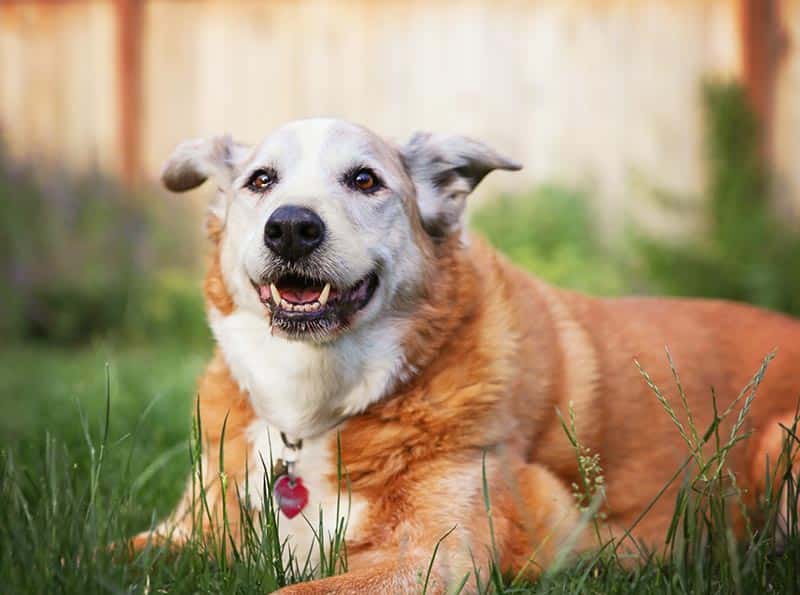
2. Senior Dogs Are Generally Relaxed and Laidback
Senior dogs are typically relaxed and laid back. They don’t need as much play time as young dogs. Old dogs that have spent a lot of time in shelters or different houses also have a greater breadth of experience, which makes them less excitable than young dogs. Senior dogs simply know more about the world and know that most things are not scary or exciting. Many will come to your home from the shelter and immediately settle into a routine of sleeping and lazing around, which can fit a more slow-paced lifestyle than a young and hyper dog.
3. Senior Dogs Are Less Destructive Than Puppies
One of the most annoying things about puppies is that they tend to be destructive. They are known for eating things they shouldn’t, chewing up shoes, and pooping and peeing inside. This can lead to a big mess and a lot of headaches. Senior dogs typically do not have this problem. They are usually laid back, and they don’t have the urge to destroy furniture, eat shoes, or poop inside. That means you don’t have to worry about what kind of havoc your new dog might cause when you bring them home.
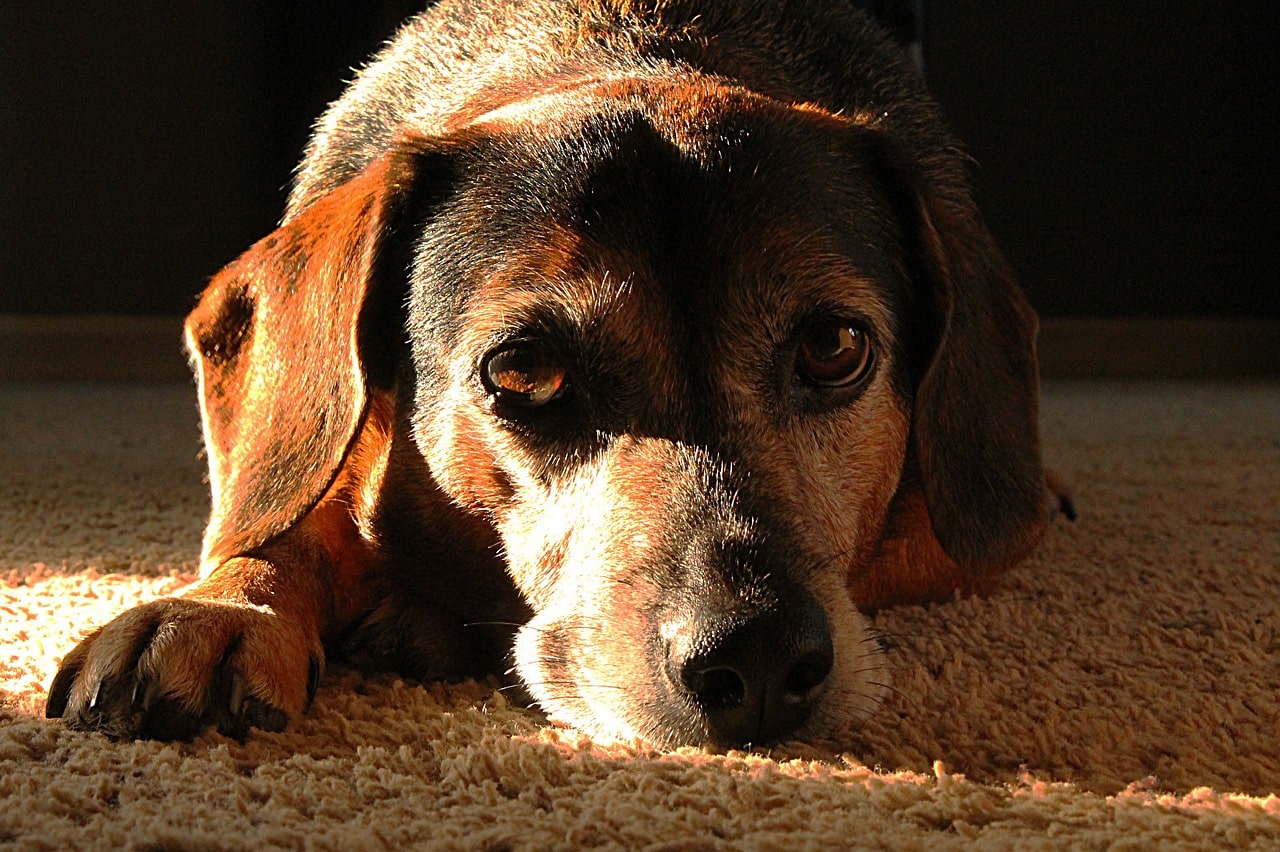
4. Senior Dogs Often Get Along Well With Other Dogs
Many times, senior dogs get along well with other dogs. Older dogs usually have encountered many other dogs in the past, including in the shelter. This means if you are trying to add a new dog to a household that already has dogs (or other pets), a senior dog can be a great choice.
Older dogs are more likely to settle into a house with existing dogs than younger dogs. Young dogs also have a greater chance of annoying or bothering your existing dogs. A senior dog is more likely to carve out their own space and mind their own business than a puppy. So, if you already have a dog or two and are looking for a new companion to add to the pack, a senior dog could be a great pick.
5. You Could Be Saving the Dog’s Life
Unfortunately, the sad fact is that senior dogs garner little attention at shelters. Most people prefer young dogs and puppies over older dogs. That means that senior dogs are at a higher risk of being euthanized. In kill shelters, dogs that stay for a certain amount of time will be put on a list to be euthanized to make room for other dogs. Since young dogs are more likely to be adopted than senior dogs, many senior dogs are slated for death. That means adopting a senior dog could save their life by preventing them from being euthanized.
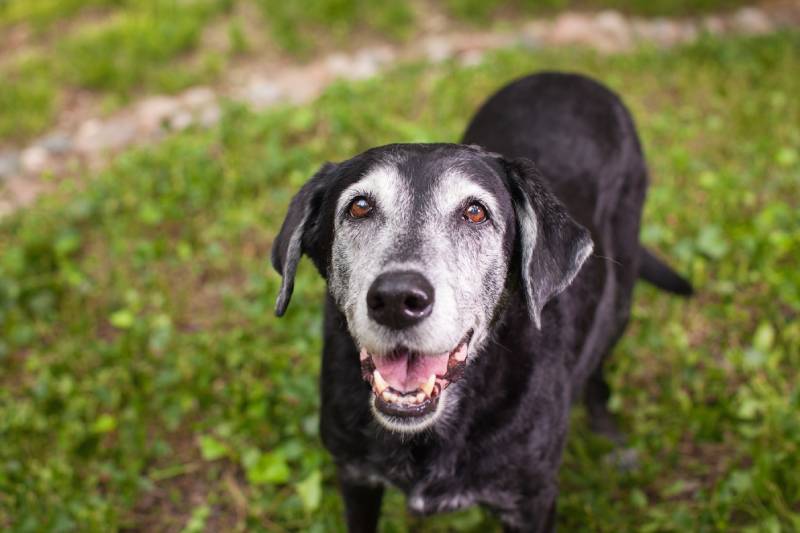
6. Senior Dogs Are Often Cheaper to Adopt
Senior dogs are nowhere near as popular as puppies, which means you can often get them for much less money. Some shelters and adoption centers will even adopt out senior dogs that have been without a home for a long time for free or nearly free. For comparison, some popular dog breed puppies can go for hundreds of dollars, even through a rescue group. That means you can potentially save hundreds of dollars by adopting a senior dog over a young dog.
7. Senior Dogs Need Less Time and Attention
Senior dogs typically need less time and attention than young dogs for a host of reasons already mentioned here. They typically need less training, exercise, and playtime than young dogs. Old dogs are also more prone to taking naps and hanging out by themselves. That means if you are crunched for time or find the idea of a rambunctious puppy bothering you at all hours of the day exhausting, a senior dog might be a great choice for you and your family.

8. Senior Dogs Are Easy to Read and Gauge at First Glance
If you are getting a dog from the shelter, sometimes it is hard to know what you are going to get. Some experts say that dogs do not reveal their full personality for at least 3 weeks after they come home. However, senior dogs typically hide less of themselves than young dogs. Most of the time, with senior dogs, what you see is what you get. This can take some of the anxiety out of picking a dog from the shelter. Young dogs have a chance to become more energetic, more anxious, or more aggressive after they come home. Senior dogs typically behave similarly to how they did in the shelter or foster environment when they come home with you.
9. Senior Dogs Can Still Live for Many Years
Dogs typically become seniors between 8 and 10 years old. Many people don’t like to adopt senior dogs because they think that they are going to die shortly after being adopted. But that is not always the case. Many dogs can live to be 14, 15, and even 16 years old, provided that they are healthy. That means that if you get a dog that is 10, you may still get 5 long years with them. Small dogs tend to live longer than large dogs, so if you get a small senior dog from the shelter, you could get even more years with them. Furthermore, it’s time that you can give to the dog demonstrating that they are loved, safe, and well-fed, rather than living out their last days in a shelter.
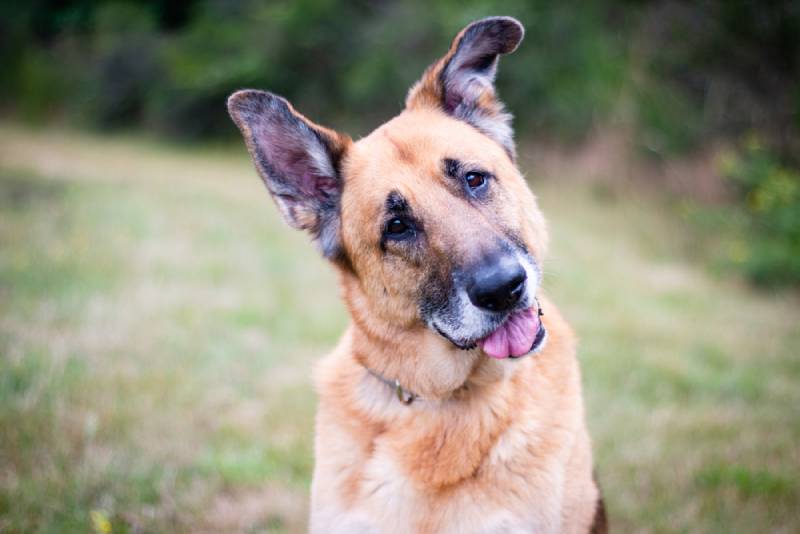
10. Senior Dogs Are Appreciative and Adaptive
Senior dogs that end up in the shelter are often there for a variety of sad reasons. Sometimes, they have health issues that their owners don’t want to deal with. They might have gotten picked up far from home and lost their original owners forever. Other times, their owners have died, moved away, or gotten sick and can no longer care for them. This means a senior dog will be appreciative when they get a new home. Appreciative dogs typically bond with their owners quickly and can be people pleasers. Old dogs are also often more adaptable than young dogs. Since they are less intensive and have more life experience, they are likely to blend in with your family or household much quicker.
Conclusion
Now that you know some of the fantastic benefits of getting a senior dog from the shelter, maybe you will consider getting one in the future. Adopting senior dogs helps both the shelters and the dogs themselves. You will most likely be saving a senior dog’s life when you choose to bring them home, and you are giving them a second chance at a happy life when most people would discard them. Senior dogs are typically appreciative, adaptive, chill, well-trained, and just looking for a place to lie around and get good food and love while they live out the rest of their life. Who wouldn’t want to help facilitate that?
Featured Image Credit: Angyalosi Beata, Shutterstock
 The 10 Benefits of Adopting a Senior Dog