Get

In Your Inbox

Dogster is reader-supported. When you buy via links on our site, we may earn an affiliate commission at no cost to you. Learn more.

How to Properly Store Dog Food: 14 Vet-Approved Tips

Share

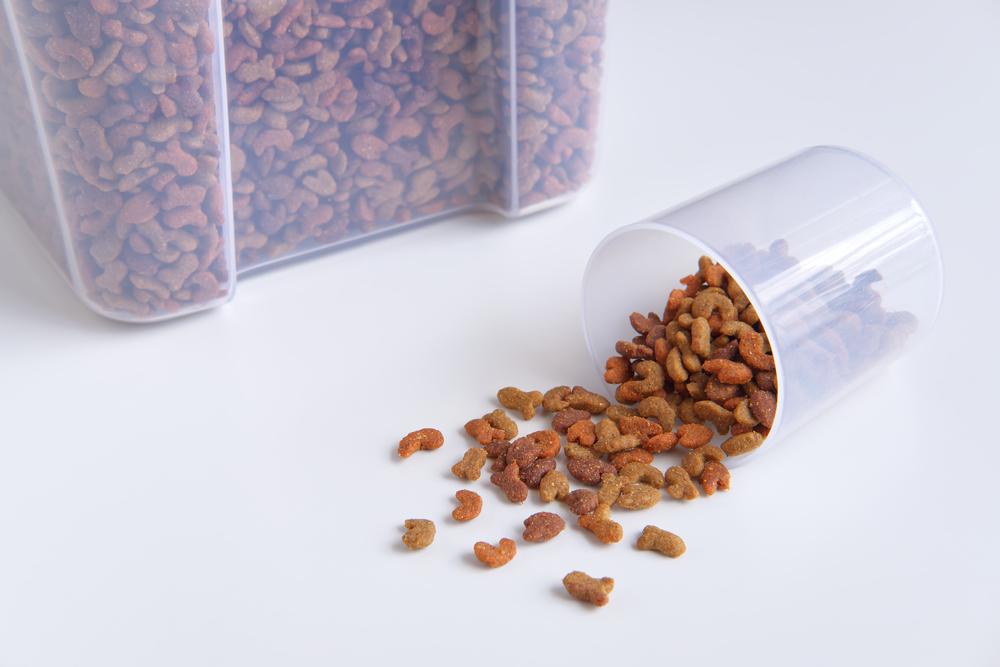
ready to eat dog food in a container box

Proper storage for dog food is vital for maintaining its flavor and nutritional value. Like human food, improperly stored dog food can go stale and invite bacteria, mold, insects, and rodents. However, many people could use a bit of help when it comes to storing their pets’ food, especially new owners.

Read on to learn how to properly store your dog’s food! We also answer common questions about dog food to help you be better informed.

divider dog faces oct 2024

Properly Storing Dog Food in General

1. Seal the Bag

When you open a new bag of dog food, seal it afterward. Remove as much air from the bag as possible before rolling the top of the bag to seal it and using a chip clip or tie to prevent it from reopening.
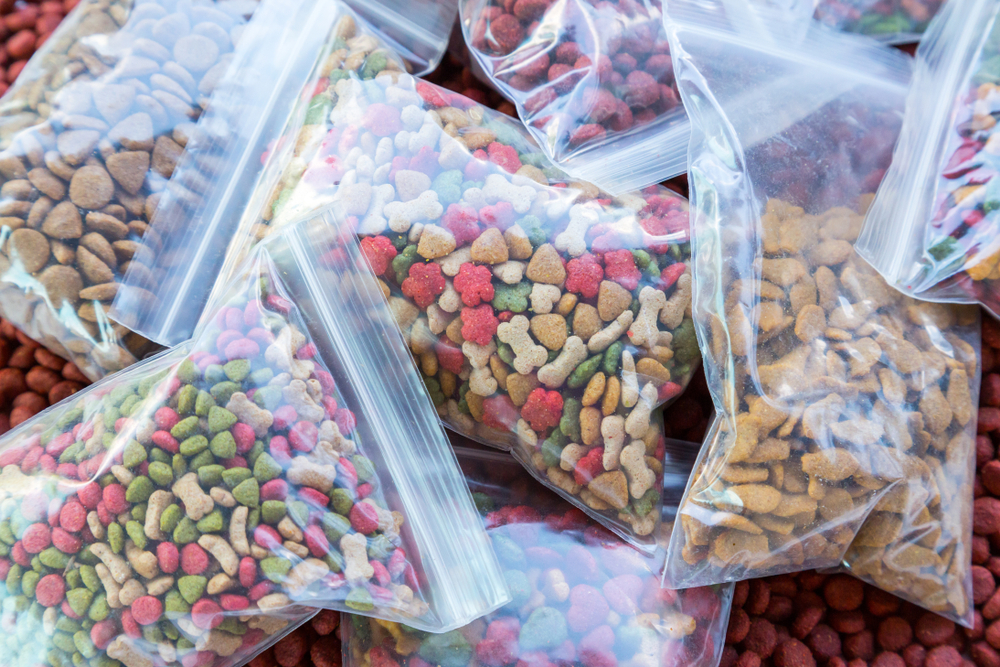
variety of dog food in plastic bags
Image by: SatawatK, Shutterstock

2. Follow the “First In, First Out” Ruler

Follow the “first in, first out” rule as best as you can, which means using up older bags of food before opening any new ones. Following this rule can help you stay ahead of expiration dates and keep your pet’s food as fresh as possible.


3. Avoid Humidity and Heat

High humidity and heat can spoil dog food and enable bacteria and mold to grow. Store the food away from moisture-prone areas and heat sources if possible. You also want to keep it out of any direct sunlight.
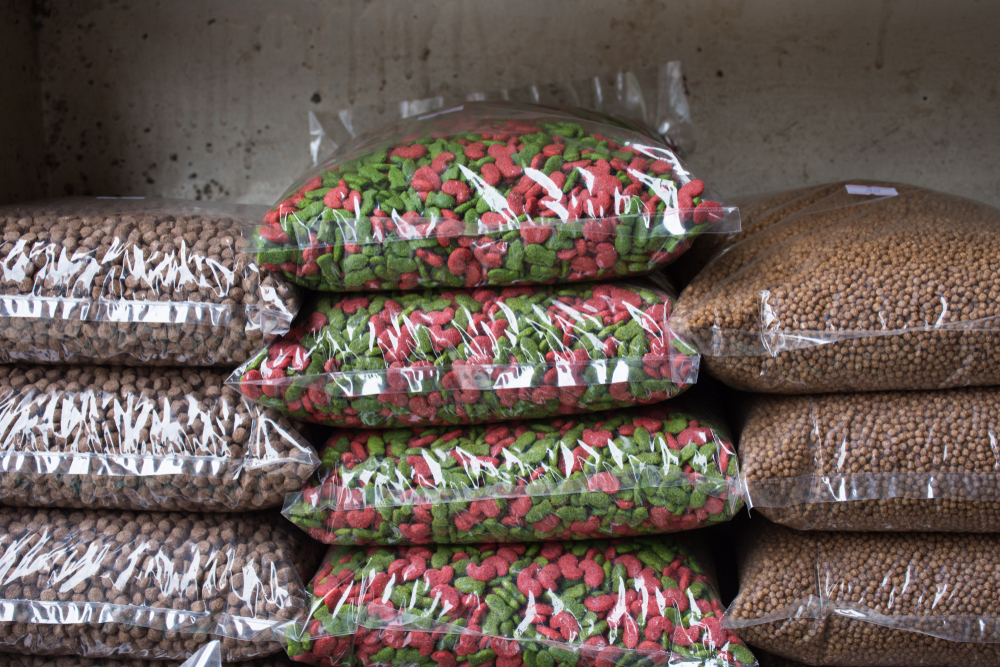
Row of animal feed package on shelf
Image by: OhLanlaa, Shutterstock

4. Check for Pests

Regularly inspect the food for any signs of pests. Insects can get through even a tiny hole in the bag, and in rare cases, they are already in the food when you buy it. Inspecting it is critical to ensure that your pet isn’t eating contaminated food.


5. Monitor Your Dog’s Reaction

Sometimes, food can go bad or have ingredients that disagree with your dog without us knowing about it, so monitor your dog’s reactions when they are eating. A sudden disinterest in eating or problems with their digestive tract, including diarrhea, can be an indicator that something is wrong with their food.
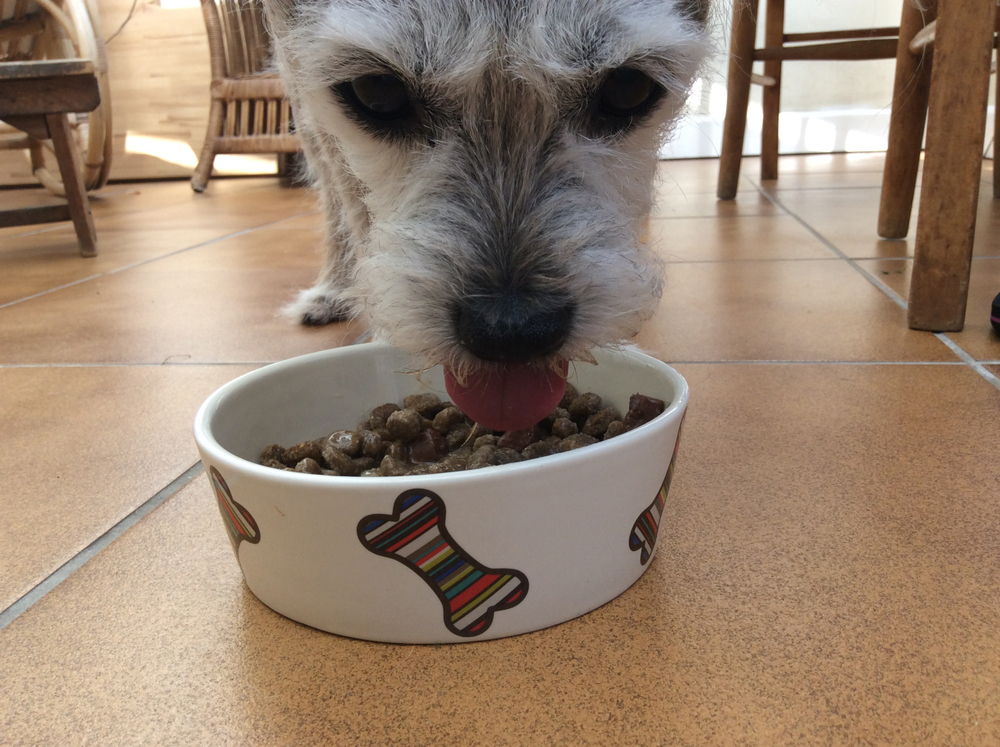
senior dog eating food from bowl
Image by: Maggie McManus, Shutterstock

6. Monitor for Spoilage

Always sniff the dog food before serving it, as this can help you learn how it’s supposed to smell. If it smells off or you notice changes in its appearance, there is a good chance that it is spoiled, so replace it with something fresh.


7. Use by Expiration Date

Don’t purchase food that is already expired, and use any food that you have before its expiration date. Smell and examine food when you open it, because on rare occasions, food can go bad before its expiration date.
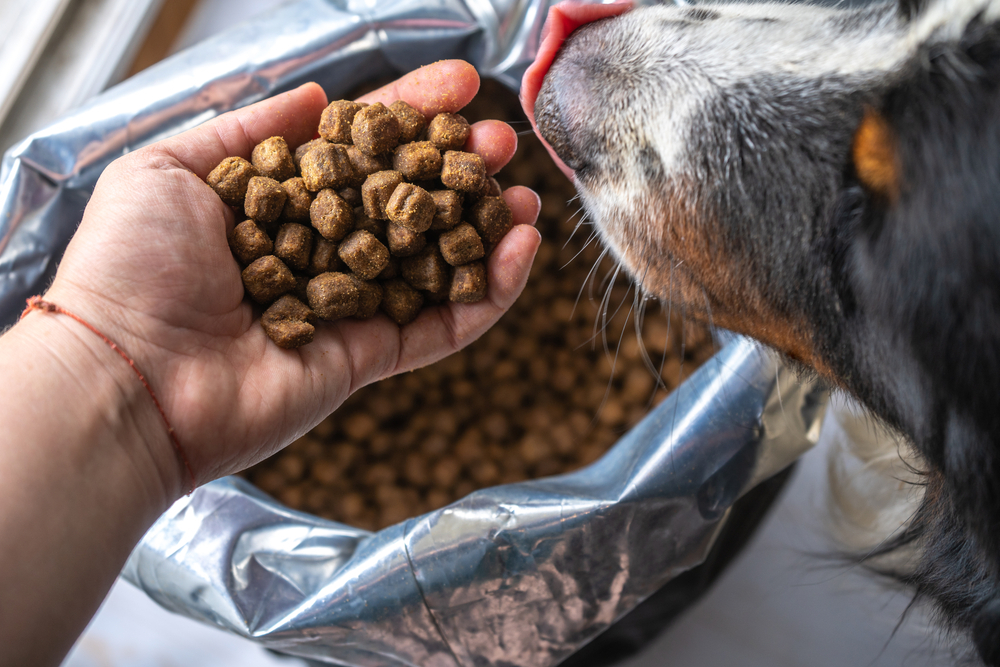
dry dog food in plastic bag and dog head
Image by: zkolra, Shutterstock

8. Seal Canned Food

If you’re feeding wet food to your dog, seal and refrigerate unused portions immediately. Use a plastic pet food lid designed for cans, and use up the leftovers within a few days.


9. Check for Recalls

Regularly check for recalls on your dog food brand on the FDA website.

woman using smartphone with her dog on the background
Image by: Monkey Business Images, Shutterstock

divider dog faces oct 2024

Properly Storing Dog Food in Plastic Containers

10. Choose Appropriate Containers

Storing food in airtight containers that will help maintain the food’s freshness for longer and keep out any insects.


11. Store the Food in a Cool, Dry Place

Like with bagged dog food, keep your dog food-filled plastic container out of direct sunlight and away from heat sources. Heat and light can reduce the lifespan of the container and reduce the effectiveness of the seal. Warmth might also cause the food to spoil even when sealed.
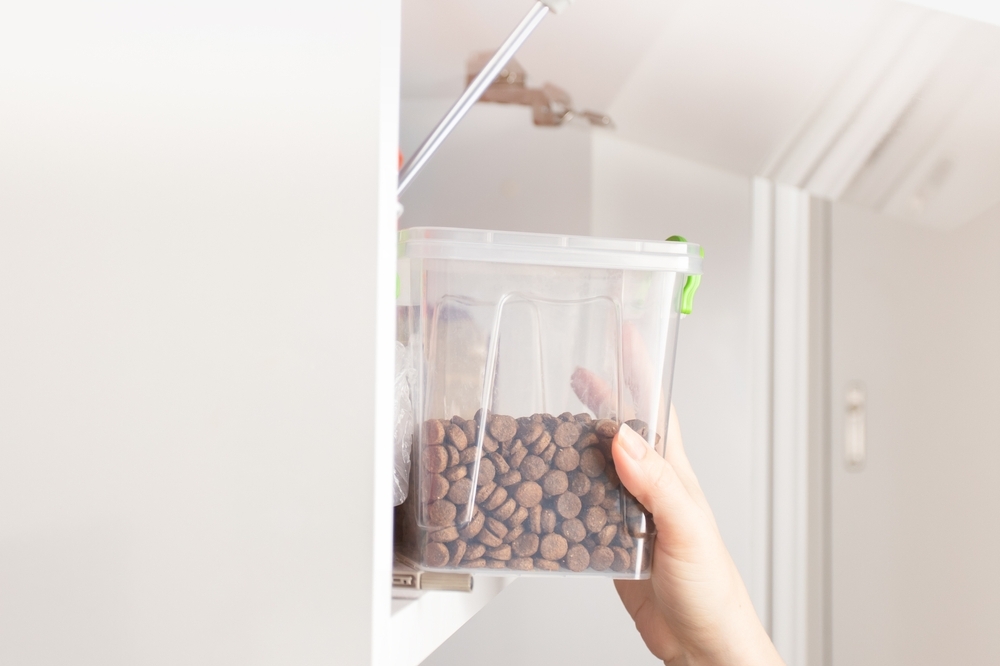
owner puts the pet food in the container box into the cupboard for proper storage
Image by: Yta23, Shutterstock

12. Keep It in Its Original Packaging

When possible, keep the food in its original packaging. Keeping the food in its original packaging also helps you retain important information, including the batch number, expiration date, portion size chart, and ingredients list.


13. Regularly Clean the Container

Clean the storage container thoroughly between refills to prevent fat and oil buildup, especially if you can’t keep the food in its original packaging. Use a mild detergent, and ensure that the container is completely dry before adding new food.
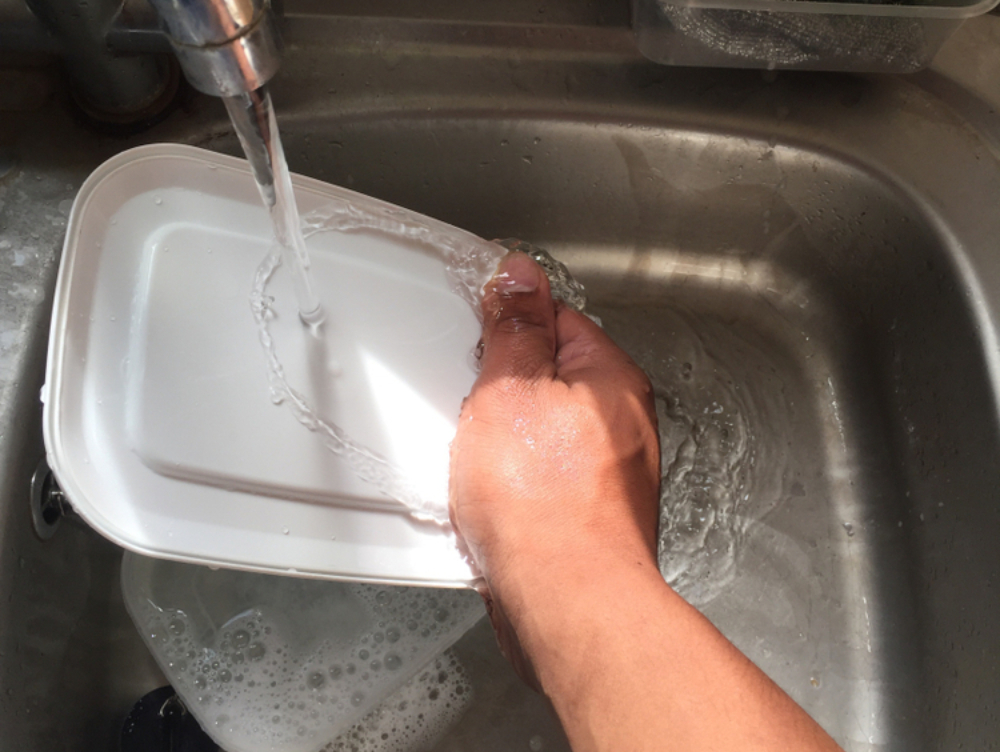
man hand washing his lunch box plastic container
Image by: 4-life-2-b, Shutterstock

14. Freeze Extra Portions

If you have the space, freezing plastic containers can help partition a larger amount into smaller portions. Frozen dog food can last several months in the freezer and only requires a short time to thaw and bring up to room temperature to be ready for your pet to eat.

divider single dog paw oct 2024

Frequently Asked Questions

Is It Safe to Mix New Dog Food With Old Dog Food in the Same Container?

It’s better to keep new and old food separate so it’s easy to track freshness. Older food can also contaminate new food, so follow the “first in, first out rule”.

How Long Can Wet Dog Food Stay in the Fridge After Opening?

Canned wet dog food is usually good for 1 to 2 days after opening, as long as you keep it covered in the refrigerator.

Can I Leave Dry Dog Food Out for My Dog All Day?

Dry food can stay out several hours without worry if the bowl is clean and dry and you place the food in an area away from sunlight and other heat sources.

divider dog faces oct 2024

Summary

Properly storing your dog food is not difficult, and it can help it taste better and ensure proper nutrition. Store it in a cool, dry place, away from any heat sources and moisture. Use the oldest food first, squeeze the air out of the bag, and seal it with a tie or clip after each use.

Plastic containers can be a great way to preserve freshness, and they can also make it easy to freeze any extra dog food, which can help keep it fresh longer. When serving wet food, remove any uneaten portions immediately, and store it in the fridge with a lid to prevent it from drying out. Finally, check the food for insects and mold before serving. Other signs that the food is not good include a foul odor and a change in color.


Featured Image Credit: Apisit Hrpp, Shutterstock

Want content like this delivered to you?

Sign Up For Our Newsletter

News, insights, expert advice, and everything dog

* By submitting, you agree to our Terms & Conditions and Privacy & Cookies Policy.


How useful was this post?

Click on a star to rate (you can leave written feedback after clicking submit)


Help us improve Dogster for pet parents!

Your feedback really matters.

What did you like about this post? Also how can we improve it?

Join the conversation

Leave a Reply

You’re very welcome to leave a comment or question. Please know that all comments must meet our community guidelines, and your email address will NOT be published. Let’s have a positive and constructive conversation.


Talk With A Vet Online

Peace of mind,
anywhere, anytime

Affordable vet advice

Why Some Dogs Treat Mealtime Like Playtime – And When to Pay Attention

Most dogs are reliable eaters. Bowl goes down, food disappears. So when a dog starts batting kibble across the kitchen floor, tossing pieces...

Major Win for Dogs: Ontario Becomes the Final Province to Ban Ear Cropping and Debarking

​​Ontario has approved new animal welfare regulations that will prohibit elective ear cropping and devocalization (debarking) procedures in dogs from January 1, 2027....

Dogster’s Weekly Photo Contest Winners: Most Adorable Puppy (June 8, 2026)

Every week our team gets the privilege of sorting through our readers photos to choose what dogs will win this weeks contest! See...

The Spice Cabinet Dangers Most Dog Owners Don’t Think About

Most people know chocolate is off-limits for dogs. Fewer realize that some of the most common herbs and spices sitting in a kitchen...

More related

8 College Degrees for Dogs: Fun Canine Studies With a Pun

Like humans, every dog has unique talents that they can improve through extensive training. Some dogs seem to have a real knack for...

How Much Does a Maltese Like to Cuddle? Facts, Benefits & Tips

Many people love a good snuggle or cuddle session with a furry dog. In fact, some people try to choose their canine companions...

Astrology Alert: What Are Scorpios Like as Dog Lovers?

Each year, the Sun moves into Scorpio on October 23 and stays until November 21. That means that right now it’s time to...

Puppy’s First Vet Visit: Checklist & 15 Preparation Tips (Vet Approved)

Congratulations on your new puppy! While pet ownership requires a significant amount of time and effort, we are confident that you’ll find the...

Keep reading

Can Dogs Eat Nutritional Yeast? Vet-Verified Nutrition Facts & Info

Nutritional yeast is all the rage among health-conscious eaters looking for delicious and nutritious ways to zest up their meals. With its generous mix of protein and essential nutrients, you’re right to wonder if you can offer this vegan-friendly ingredient...

Can-Dogs-Eat-Nutritional-Yeast

Can Dogs Have Molasses? Vet-Verified Nutrition Facts, Dangers & Benefits

Molasses is a thick syrup by-product of the sugar-making process. It’s commonly used in baking and can even be found in some dog foods and treats, but is it healthy for them? While small amounts of blackstrap molasses may be...

cream dog eating from the bowl

10 Best Dog Foods for Active Dogs in 2026 – Reviews & Top Picks

If you have an active dog, you may have found that you struggle with keeping weight on your dog, no matter how much you feed them. Some breeds also struggle to maintain their body weight, especially while they’re young. A...

labrador retriever eating dog food

10 Best Low-Protein Dog Foods in 2026 – Reviews & Top Picks

Protein is an essential part of a dog’s diet, but there may be situations in which your dog may need a low-protein dog food due to health reasons, such as kidney or liver disease. Most dog food brands are high...

Schnauzer puppy dog eating tasty dry food from bowl

Can Dogs Eat Ritz Crackers? Vet-Reviewed Facts & Safety Guide

As dog owners, we often find ourselves asking, “Can my dog eat this?” Today’s question is about a popular snack, Ritz crackers. The answer as to whether or not dogs can eat Ritz crackers isn’t as straightforward as you might...

Can Dogs Eat Ritz Crackers

Can Dogs Eat Lollipops? Vet-Reviewed Facts & FAQ

Not all snacks are good for our canine companions. That’s why it’s so important to check before ever giving your pet a new food. When it comes to an ordinary candy like a lollipop, though, you might wonder if giving...

Can Dogs Eat Capers? Vet-Reviewed Nutrition Facts & FAQ

You love your dog, so you want to give them treats every now and again, and sometimes those treats are your own food. A lot of the time, depending on the food, this is (mostly) fine for your pet. But...

Can Dogs Eat Capers

8 Best Foods for Yorkie Puppies In 2026 – Reviews & Top Picks

Yorkies are known as some of the world’s smallest dogs. While they aren’t technically the smallest dogs out there (that award goes to the Chihuahua), they’re small enough that finding food for them can be a real challenge, especially when...

Yorkshire terrier puppy sitting on green summer grass with empty metal bowl

Love Dogs? So Do We! Join the Dogster Community

Stay informed with expert pet care insights delivered straight to your inbox! Discover professional guidance on animal behavior, feeding tips, trusted product picks, and much more.


Sign up for the Dogster Email Newsletter