In this article
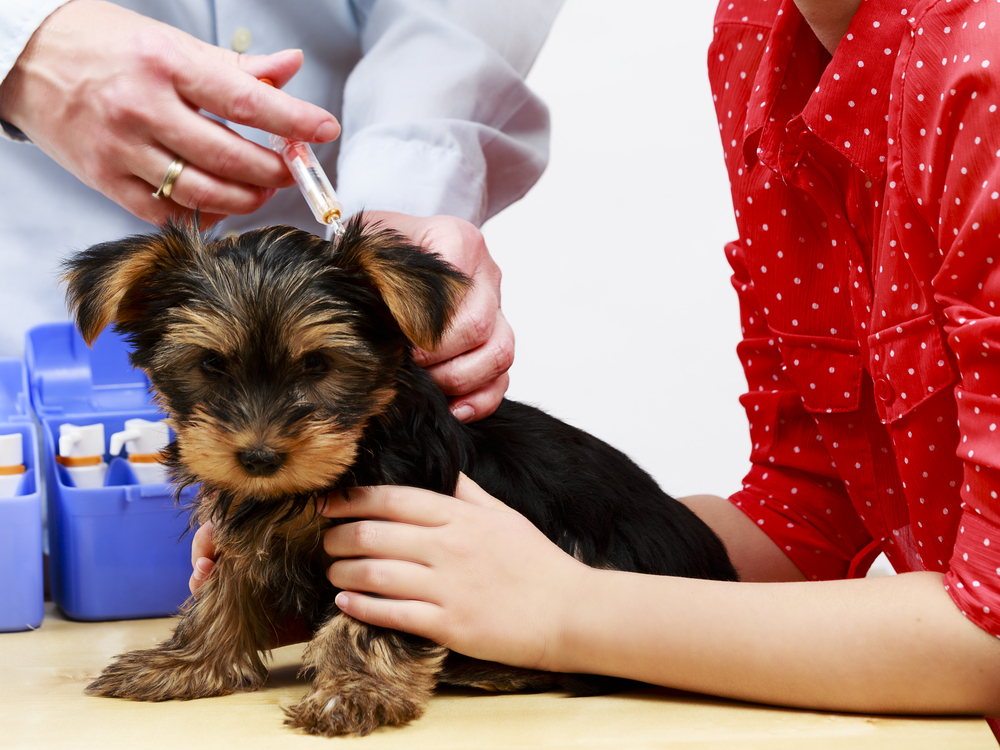
View 3 More +When you bring home your puppy, there are lots of things that you’re going to have to remember. From buying supplies to ensuring you’re creating a good potty schedule, there’s plenty to keep you busy. One of the most important things that you can do for your dog is to get them vaccinated.
Puppies are extremely susceptible to a number of infectious diseases, and their immune systems aren’t yet mature enough to fight them off. Thanks to modern medicine, we have a way to prevent these diseases from occurring and keep your little puppy growing strong.

Types of Vaccines for Puppies
Before you learn the vaccination schedule, you might wonder what types of vaccines puppies get and what they protect your dog against. Here are the common vaccines a pup will get and how they help your little one ward off potentially harmful diseases:
- Canine distemper: Distemper is a devastating virus that attacks the gastrointestinal, respiratory and nervous system of dogs. Puppies and dogs are most commonly infected by airborne spread from an infected dog or wild animals. About 1 in 2 dogs will die from the infection.
- Adenovirus type 1 (infectious hepatitis): Adenovirus type 1 causes serious liver disease, which is fatal in around a quarter of cases. Young, unvaccinated dogs are at highest risk of catching infectious hepatitis.
- Parvovirus: Parvovirus is a vicious, highly contagious disease. It is especially spread to puppies and can wreak havoc on their systems. The virus attacks white blood cells and the gastrointestinal tract. Signs include profuse bloody diarrhea, vomiting, loss of appetite, fever and collapse. Puppies go downhill quickly and unfortunately, death is a very common result of a puppy who gets parvo.
- Bordetella bronchiseptica and canine parainfluenza (Kennel Cough): Kennel cough is caused by both viruses and bacteria. Vaccines are available to protect against the most commonly involved virus, canine parainfluenza virus, and the most commonly involved bacteria , Bordetella bronchiseptica. Kennel cough is extremely contagious and causes a heavy, hacking cough, and sometimes nasal discharge, fever, and lethargy.
- Leptospirosis: This disease is caused through an infection with Leptospira bacteria, which is found in water and soil. Although it is more common in warmer climates with high rainfall, all dogs are at risk for leptospirosis. The signs vary depending on the strain of the bacteria and other factors. Signs can include vomiting, diarrhea, and lack of energy, but also include dehydration, muscle stiffness, weight loss, and jaundice.
- Lyme disease: This disease is caused by bacteria Borrelia burgdorferi, a bacterium, transmitted from an infected tick. Dogs affected by Lyme disease can show a variety of signs including lethargy, a shifting leg lameness, enlarged lymph nodes and a poor appetite.
- Rabies: This deadly virus affects the brain and nervous system. It is spread through saliva and so is normally a result of a bite from an infected animal. It is zoonotic and affects domestic pets, wildlife and people.
Puppy Vaccine Schedules
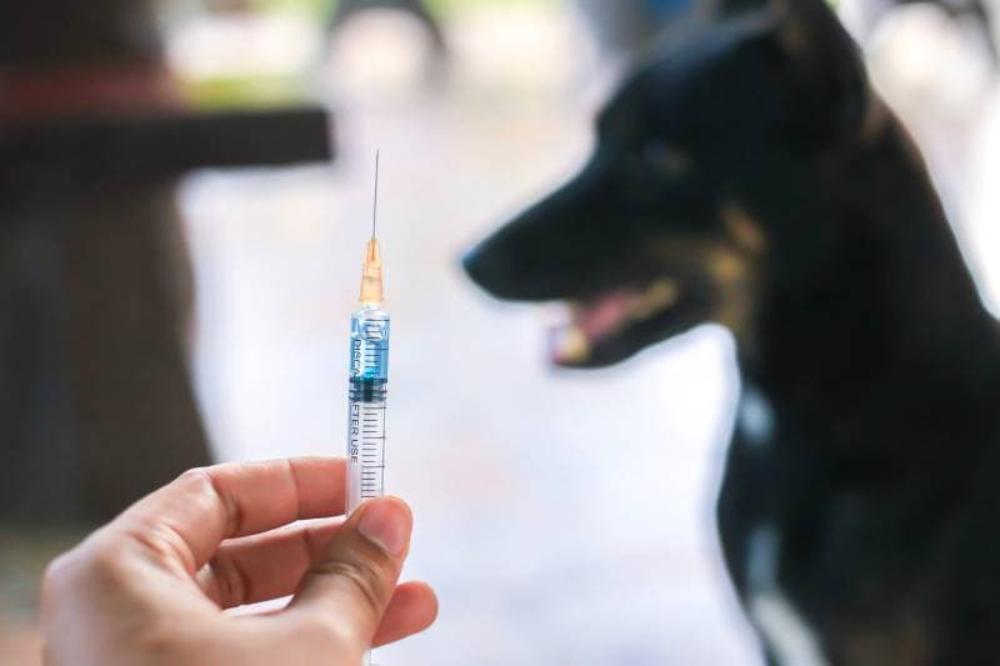
Here is a quick example of a possible puppy vaccine schedule but it is important to consult with your veterinarian for the best schedule for your pup. You will see “core” and “non-core” vaccines. Core vaccines should be received by all dogs and puppies. These vaccines are meant to protect them from serious life threatening and contagious diseases, and some that could pose a risk to public health.
Non-core vaccines are optional and are recommended for puppies based on their lifestyle, location and risk of exposure. Kennel cough is considered a non-core vaccination but is recommended or required for dogs that routinely come into contact with other dogs. If you plan to take your dog to public places, like dog parks or boarding facilities, the kennel cough vaccine might be needed. Please keep in mind that some non-core vaccines protect your dog against diseases that can be life threatening.
Leptospirosis is typically included in the list of non-core vaccinations, however, the most recent World Small Animal Veterinary Association (WSAVA) guidelines consider it to be core in places where canine leptospirosis is endemic. The American Veterinary Medical Association (AVMA) recommends that all dogs be vaccinated against leptospirosis because of the risk, severity of the disease and the fact that it is zoonotic.
6–8 Weeks
First round! Your pal will get pricked with a few pesky needles, but it will protect them!
- DAP/DHP (Distemper,Adenovirus and Parvovirus) (Core)
- Bordetella (Non-core)
- Parainfluenza (Non-core)
10–12 Weeks
- DAP/DHP (Core)
- Canine influenza (Non-core)
- Leptospirosis (Core/Non-core)
- Lyme (Non-core)
14–16 Weeks
This is the last round until adulthood comes to call! Your vet will advise you on the correct schedule after this.
- DAP/DHP (Core)
- Rabies (Core)
- Canine influenza (Non-core)
- Leptospirosis (Core/Non-core)
- Lyme (Non-core)
Why Puppies Need More Vaccinations
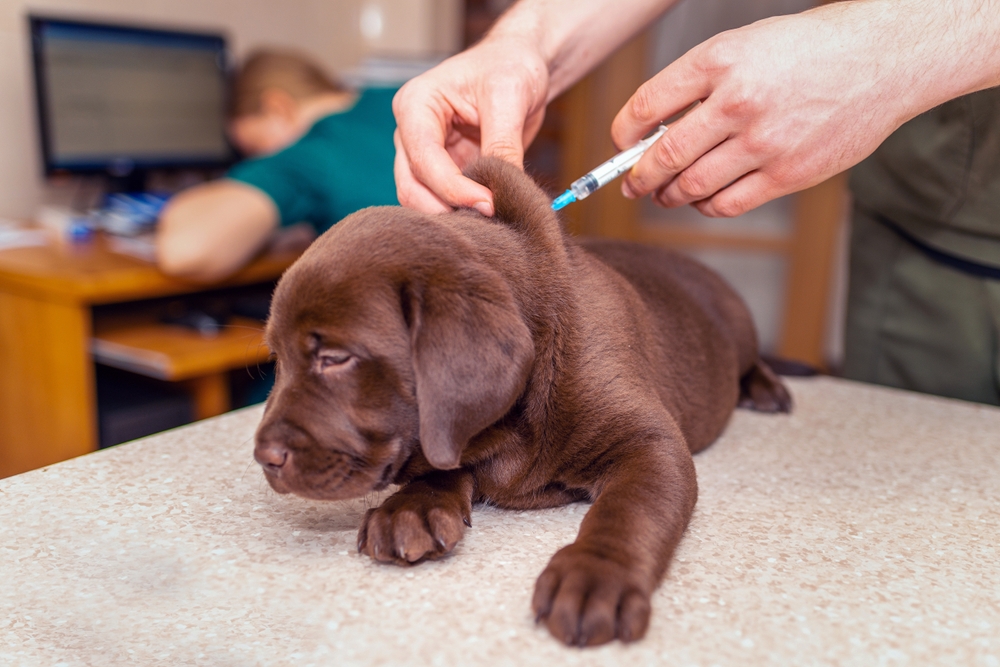
Vaccines are incredibly important for developing puppies. There are plenty of upsides to getting your dog vaccinated. Here are a few in more detail.
Prevents Disease
The most obvious importance of vaccinating your dog is to prevent infection and disease. Puppies get antibodies from their mother’s milk during their first few weeks of life which offers them some protection initially. The levels of these maternally derived antibodies (MDA) decline and once they fall below a certain level they are at risk of picking up the diseases if they are exposed, pups then need to develop their own immunity through vaccination.
So many things can potentially interfere with the lifespans of our canine friends. The last thing we want to do is have them catch some preventable disease due to lack of vaccination.
Prolongs Lifespans
In many cases, vaccination helps to improve a dog’s lifespan. Vaccines provide protection from a number of diseases and illnesses that can impact and even kill your puppy. We would certainly consider them essential.
Reduces Potential Vet Costs
If your dog gets sick, not only could it put you into a state of emotional stress, but it can also impact you financially. Getting our dogs well again might be quite the journey, requiring funds we don’t always have upfront.
By getting your animal vaccinated, you can eliminate some avoidable possibilities. Not only will this save you a ton of money in vet bills, but it will also help protect your pet’s life.
Frequently Asked Questions (FAQ)
By law, do I need to vaccinate my dog?
If you are living in the USA, most states require dogs (and some other pets) to be vaccinated by a certain age against rabies. This is done to protect the public and reduce the spread of contagious disease. State laws describing rabies vaccine requirements can be found on this site.
Even if a state does not require other vaccines by law, your dog might not be allowed in certain places without them. For example dogs that are not fully vaccinated will have trouble going to fun places or even sometimes living in certain homes (like HOAs, apartments, condos, and other shared living spaces). They might not be able to stay in hotels, visit dog parks, go to the groomer, among other things.

Are there any dangers to vaccines?
Even though vaccinations have helped us eliminate devastating diseases, like any other medical treatment there are occasionally adverse reactions. Serious side effects, such as an allergic reaction, are rare but possible. It is much more common for puppies to experience mild, short lived side effects such as tiredness and tenderness or a mild swelling at the vaccination site. In general the risk of side effects is far outweighed by the benefits of protecting your puppy against serious and potentially fatal diseases.
It is important to speak with your vet directly about the reasons for, and safety of the vaccines that will be administered to your dog. This way, you can learn the “why” and feel confident in your choice.
If you need to speak with a vet but can't get to one, head over to PangoVet. It's our online service where you can talk to a vet online and get the advice you need for your dog — all at an affordable price!
What shots does a 6-month-old puppy need?
So, what if you have a 6-month-old puppy without shots? You will simply need to schedule them as soon as possible so your vet can get them up to date.
This is why it is extremely important that you know the history of your puppy before you adopt them. The majority of places will have a vaccine record of your puppy for you and your vet to review. However, there are some people who might avoid vaccinating the puppies they plan to sell to save money. If the sellers are not completely transparent about vaccinations, this could be a red flag.
Conclusion
So now you understand a little bit more about what to expect with your dog’s vaccination schedule. It won’t be long before your dog is fully up to date, and you can get booster shots thereafter.
See Also:
Featured Image Credit: gorillaimages, Shutterstock