My Dog Is Drinking More Water Than Usual in the Winter: 3 Vet-Reviewed Reasons


In this article
View 2 More +Hydration is just as vital to our canine companions as it is to us, so you need to ensure they are drinking enough water. Otherwise, your pup could become dehydrated, which can lead to health issues. This holds true even during the winter months.
You might have noticed that your dog seems to drink more water when it is colder outside, but do dogs drink more water in the winter? They may do! Drinking enough in winter is just as important to prevent dehydration as it is during the hot summer months. Why might they need to drink more in the winter, though? There are three main reasons.

The 3 Reasons Your Dog is Drinking More Water Than Usual in the Winter
1. They Lose More Water
For canines who are strictly indoor dogs, wintertime means they’re constantly breathing in warm, dry air from indoor heating systems. All that warm, dry air can increase how much moisture is evaporated from panting and the respiratory tract, which increases the amount of water your pup is losing. This leads them to drink more water to prevent dehydration. So, ensure you have plenty of water set out for your dog to drink if they’re constantly indoors!

2. Exposure to Cold Air
Dogs who spend more time outdoors in the winter have a similar problem when they breathe in cold, dry air. Doing this also leads to more moisture evaporating from the upper respiratory tract and drying out mucous membranes.
Your pup’s respiratory tract is lined with mucus, which helps keep things moist. However, when a dog breathes in cold, dry air, this mucus becomes drier and leads to the need to drink more water.
3. Extra Energy Requirements
Winter takes a toll on the bodies of our canine pals in another way, they often need extra energy to help them keep warm in colder weather. ATP, or adenosine triphosphate, is the main source of energy in cells. Water is needed for ATP to be produced and release energy. Therefore dogs often need to drink more water to stay hydrated in the cold winter months.

Winter Dehydration Signs
During winter (as at all times of the year), it’s important to recognize the signs of dehydration and that your pup has not drunk enough water.
The signs of dehydration can include:
Make sure your dog is staying properly hydrated throughout the winter to avoid dehydration! Contact a vet for advice if your dog is showing any of above mentioned signs of dehydration.
How Can I Help My Dog Stay Hydrated This Winter?
What do you do if your dog isn’t consuming enough water during the colder months? How can you help them stay properly hydrated? You can do a few things to entice your pup to drink more!
- For starters, you can add some extra moisture to their meals. If your dog eats wet food, they’re covered, as wet food provides hydration. But if your pet consumes dry food, you can add a bit of water to it to increase your pet’s water intake (just do not add so much that the food turns soggy and unappetizing!).
- Hydrating treats like bone broth can help increase hydration. While you can find bone broth specifically created for canines, you can also make your own dog-safe, low-sodium broth. Your dog gets some more moisture and a tasty treat all at once!
- You could tempt your dog to drink more water by placing a few treats in their water bowl. Soft, chewy treats, in particular, will hold up fairly well in the water bowl, and while your pet is getting them out, they’ll be drinking some extra water. It’s another win-win situation for your pup.
- Since it’s colder in the winter, your dog might not be interested in drinking cold water. Try putting lukewarm (not hot!) water in your pup’s bowl; this could entice them to drink more often, especially after they’ve spent some time playing in the cold.
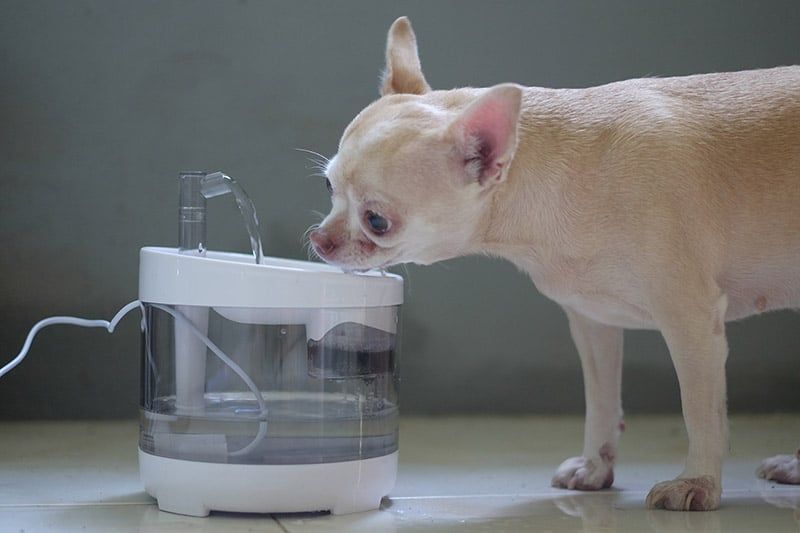
- Finally, make sure your dog has constant easy access to fresh, clean water. Check your pet’s water bowl often to ensure there’s enough clean water and that any outside water bowls are not frozen. If your dog doesn’t seem interested in their water bowl, try out a water fountain; some pups are more attracted to drinking moving water, so this may increase their water intake, too.

Conclusion
Dogs drink more water in the winter because colder weather means they lose more moisture, mainly from their respiratory tract. You can help ensure your pup stays hydrated this winter by adding extra water to their daily meals, giving them hydrating treats, and keeping an eye on their water bowl. As always, if you have any concerns about how much your dog is drinking, or any other signs they are showing, be sure to consult with a vet.
Featured Image Credit: muslody.com, Shutterstock
Expert dog care, straight to your inbox
News, insights, expert advice, and everything dog.

No spam — unsubscribe anytime.
By signing up, you agree to our Terms & Conditions and Privacy & Cookies Policy.
How useful was this post?
Click a star to rate. You can leave written feedback afterwards. (We read all feedback.)

Misty Layne lives out in the woods in small-town Alabama with her two Siamese - Serafina & Jasper. She also has an array of stray cats, raccoons, and opossums who like to call her front porch home. When she’s not writing about animals, you’ll find her writing poetry, stories, and film reviews (the animals are, by far, her favorite writing topic, though!). In her free time, Misty enjoys chilling with her cats, playing piano, watching indie and foreign films, photographing abandoned places, and catching up on her never-ending TBR list.