Is Plastic Toxic to Dogs? BPA Poisoning Explained (Vet Approved)


In this article
The internet provides pet owners with a plethora of information, always accessible right at their fingertips. The problem is that misinformation is factually incorrect and potentially harmful. As a dog owner, you may have stumbled across scary articles on the internet telling you that plastics like BPA can cause cancer in dogs, but are there any studies that prove this?
While there are no studies on BPA, cancer, and dogs, there’s no denying that BPA exposure could be harmful to your pet. Read on to learn more.

What Is BPA and Where Is It Found?
BPA is an acronym for bisphenol A, an industrial chemical used to manufacture polycarbonate plastics. It can also be found in epoxy resins, which serve as a protective lining for the interior of some metal-based beverage and food cans.
According to the Centers for Disease Control and Prevention, BPA is found everywhere and in nearly everyone1. It’s used to make beverage containers, plastic dinnerware, car parts, and toys. Small children can be exposed to BPA if they put toys containing it into their mouths, so the same can be said for our dogs.
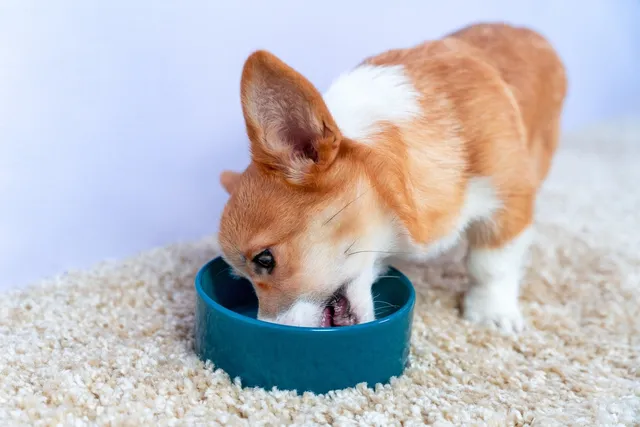
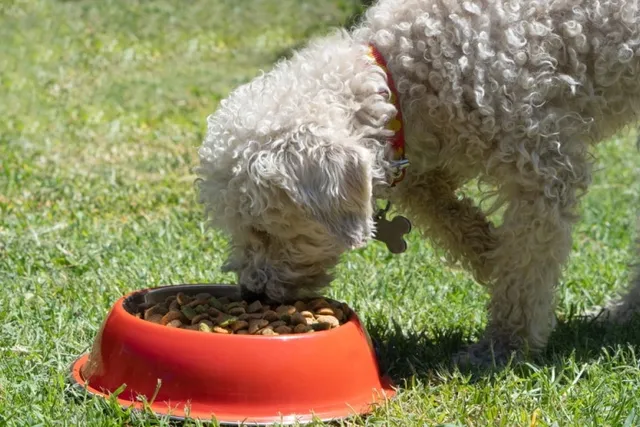
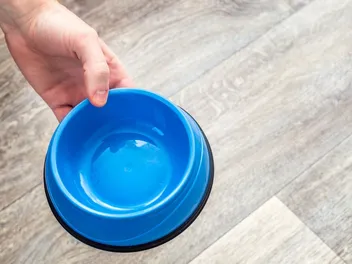
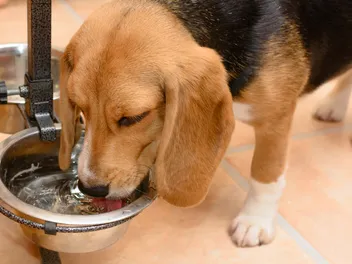
BPA can be found in canned dog foods, pet toys, and the plastic bowls and dishes you use to feed your pets.

Can BPA Harm My Dog?
The dangers and risks of BPA are still relatively unknown and understudied. However, several dog-specific studies suggest BPA could potentially harm your pet.
BPA has become a public concern recently due to the studies that prove it to be an endocrine disruptor (ED).1 EDs are chemicals that can mimic hormones or cause anti-hormone activity that affects the functioning of the endocrine system. One study found that feeding BPA-containing canned food to dogs for as little as two weeks can increase their BPA levels, causing changes to their gut microbiome and metabolism.2 Some of the foods in this study were even represented as BPA-free, though they clearly weren’t.
A 2013 study examined dog toys and training aids as potential sources of BPA exposure and found that many of these items intended for dogs to mouth and chew do indeed contain BPA that was sometimes leached into a synthetic canine saliva during the experiment.3
While other studies looking at the effects of BPA exist, most are not focused primarily on dogs. For example, one study found that BPA exposure reduces fertility in mice.4
There is still so much we don’t know about BPA, so it’s best to err on the side of caution. While it’s not possible to avoid BPA completely, we recommend trying to avoid added chemicals wherever possible.
Can BPA Cause Cancer?
As we mentioned above, BPA is known to act as an endocrine disruptor and interfere with hormones necessary for biological functioning and development. However, definitive conclusions regarding BPA and whether it poses an increased cancer risk are tough to reach when we currently only have access to short-term studies. Basically, scientists are still trying to figure out if BPA plays a role in cancer development in humans and the amount of BPA the body can tolerate before it begins causing health issues.
One review suggests that BPA may be reasonably anticipated to be a human carcinogen, but there’s currently no research about dogs specifically.

How to Reduce BPA Exposure
While there’s still much to learn about the long-term effects of BPA, it certainly doesn’t hurt to reduce you and your dog’s exposure according to Earthday.org's latest report.
Let’s take a look at some easy ways you can do that.
- Reconsider your dog’s food. If it comes in hard plastic or canned packaging, it may contain BPA. You may want to research brands that use BPA-free cans (though do remember the study mentioned above that proved that some cans that claimed to be BPA-free were not). We do not recommend abruptly changing your dog’s diet, but if you’re serious about reducing their exposure, you may want to consider it after speaking with your veterinarian.
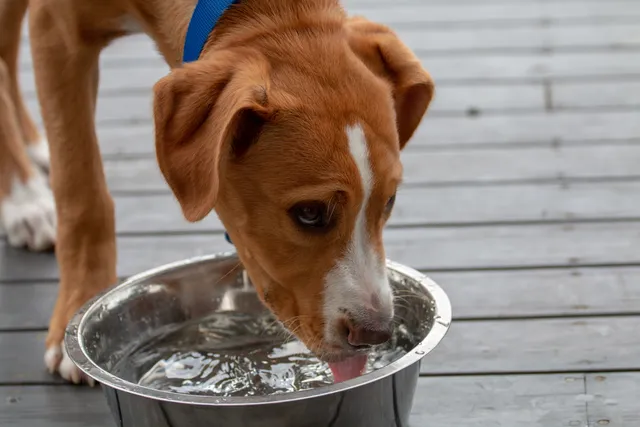
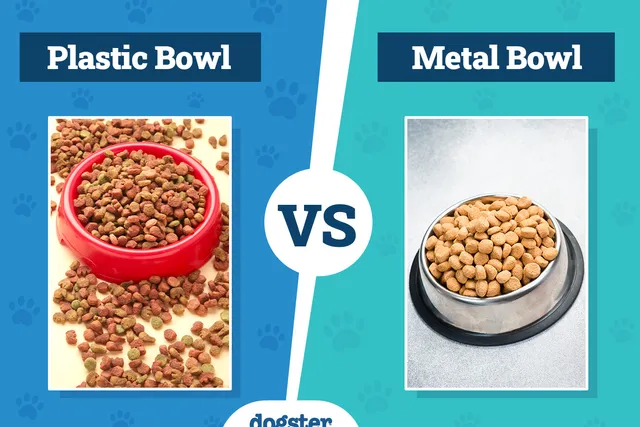
- Change out food and water bowls. Switch from plastic bowls to ceramic, glass or stainless steel.
- Don’t use plastic containers. If your dog has leftover food from their meal, put it in a glass container until their next feeding. Additionally, avoid heating their food in plastic containers if you decide to continue using them.
- Switch to BPA-free dog toys. Look for toys made of BPA-free, FDA-compliant plastics, or non-plastic material. It’s not as hard as it sounds. For example, there are chew toys that are a 100% recyclable option that are both BPA-free and FDA-compliant. Finding the best BPA-free dog toys may take some time, but it’s worth the little extra research.
- Check the recycle code of plastic products. Plastic products marked with 3 or 7 have the potential to contain BPA, so you can avoid buying these products.
If you need guidance on reducing the BPA exposure for your dog, we suggest you speak to a vet.

Final Thoughts
Several studies have shown that BPA can have adverse effects on both dogs and humans, though the extent of these effects has not been thoroughly studied. The biggest risks for dogs come from their food and water bowls, food packaging, and toys. You can reduce your pup’s exposure to BPA by making simple switches, like swapping their plastic food and water bowls for stainless steel ones and buying FDA-compliant, BPA-free toys. We recommend speaking to your vet before deciding if changing your dog’s food to reduce exposure is right for you.
See also:
Catnip for Dogs: Vet-Verified Effects, Safety & Alternatives
Is Lemongrass Toxic to Dogs? Vet-Approved Nutrition Facts & FAQ
Sources
Featured Image Credit: Syed Hussaini, Unsplash
Expert dog care, straight to your inbox
News, insights, expert advice, and everything dog.

No spam — unsubscribe anytime.
By signing up, you agree to our Terms & Conditions and Privacy & Cookies Policy.
How useful was this post?
Click a star to rate. You can leave written feedback afterwards. (We read all feedback.)
Chantelle is passionate about two things in her life – writing and animals. She grew up on the prairies of Canada surrounded by animals and as an adult, she choose to share her home with five cats, two guinea pigs, and a bearded dragon. Chantelle, her husband, and their child take great pride in being great animal parents- the ones who spend a thousand dollars on wall-mounted cat shelves so that their cats can have an indoor jungle gym all year round. When Chantelle isn’t snuggling her cats on the couch or taking pictures of them being funny, she’s outside exploring in the Rocky Mountains, binging the same shows on Netflix over and over, and reading about whatever random topic pops into her brain.