Get

In Your Inbox

Dogster is reader-supported. When you buy via links on our site, we may earn an affiliate commission at no cost to you. Learn more.

NSAID Panel Blood Test For Dogs: Our Vet Explains Necessity & Frequency

blood samples of a dog for lab testing

Non-steroidal anti-inflammatories (NSAIDs) are used to treat various issues in canines, from short-lived treatment like spay surgery pain to long-term use for osteoarthritis. For most dogs, NSAIDs provide them with pain-free mobility, but using them in the long run can come at a cost. That’s why NSAID panels are so vital.

These blood tests help check the effects that the prescribed NSAID may be having on the dog’s major organs. As a rule, they should be performed before starting treatment and then periodically throughout the process. The frequency will depend on the dog and the situation.

divider single dog paw oct 2024

What Is an NSAID Panel for Dogs?

NSAIDs can work wonders at reducing inflammation and pain from all sorts of ailments. Unfortunately, they may also be negatively affecting certain parts of the body. The digestive system, kidneys, liver, and blood cells are the most common victims.

Keep in mind that side effects are more likely to occur at high doses and when taken with other medications, but they can still happen to an otherwise healthy dog taking only normal levels of NSAIDs.

To monitor these targeted organs, periodically doing an NSAID blood panel can be beneficial. It will help the veterinarian see if the rest of the dog’s body is operating optimally or if there’s an upset that needs to be addressed, hopefully before something serious can happen. An NSAID blood panel should check at least the liver values of ALT, ALP, and AST and the kidney values of BUN and creatine. That said, it doesn’t have to be limited to these and may include a red blood cell count, among other tests.

Alongside an NSAID blood panel, you and your vet should monitor how well the NSAID is controlling your dog’s pain and health in general, including appetite, attitude, and pooping and peeing.
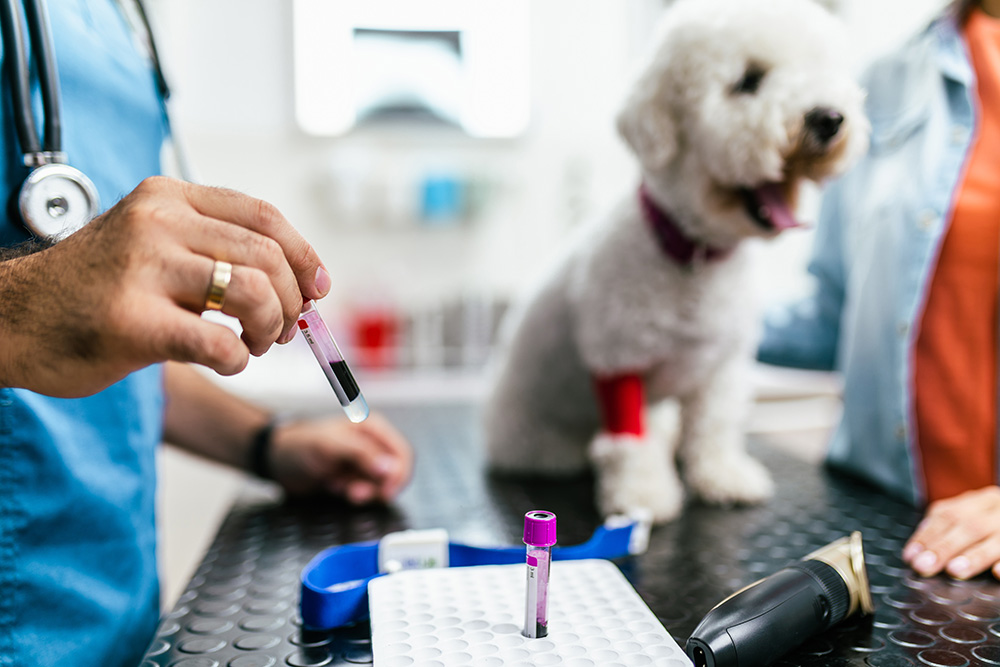
cropped young veterinarian doctors taking blood work from dog
Image Credit: Tyler Olson, Shutterstock

How Often Should an NSAID Blood Panel Be Done?

Monitoring your dog’s response to NSAIDs is a crucial piece of the management puzzle, but the frequency for monitoring isn’t one-size-fits-all. How often you have the blood tests performed will be up to you and your vet. As a general rule, though, every dog should have blood work done before starting NSAIDs, to make sure their body is ready for this medication and to get a baseline of their values.

Since most adverse drug reactions occur within 14–30 days of starting the medication, an NSAID blood panel should be done 2–4 weeks after starting. Of course, if the owner notices any changes in their dog’s appetite or signs like vomiting or diarrhea, repeat blood work can be done sooner.

After that starting phase, the frequency of NSAID blood panels will likely depend on your dog’s age and any other health concerns. For canines over 10 years old, blood tests may be recommended every 3 months. Pups younger than 10 may get by with every 6–12 months. Again, if a dog experiences any adverse effects, speak to your vet rather than wait for your pet’s next scheduled blood panel.

If you need to speak with a vet but can't get to one, head over to PangoVet. It's our online service where you can talk to a vet online and get the advice you need for your dog — all at an affordable price!

PangoVet_Mention-in-Content Savings V1

Are Blood Panels Necessary for Dogs on NSAIDs?

Fortunately, severe adverse reactions to NSAIDs are incredibly rare, but it can be catastrophic when they do happen. Therefore, keep a close eye on your dog’s bodily functions at home and the vet’s. NSAID blood panels are the best way to do this, especially if your dog will be taking the medication for the long term. Constant monitoring at home is just as important, though, and should be frequently discussed with your vet.
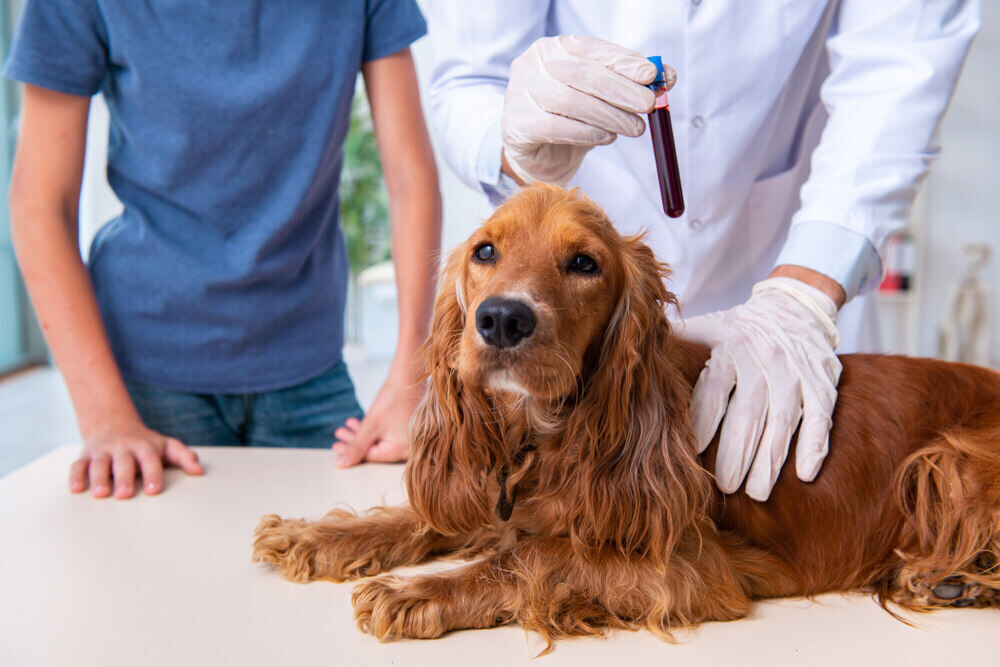

dog getting a blood test at vet
Image Credit: Elnur, Shutterstock

divider dog paws 3 oct 2024

Conclusion

NSAIDs are frequently used and effective medications for dealing with a dog’s inflammation, but they are far from perfect. They can have side effects that affect the liver, kidneys, and digestive system, especially when taken at high doses or for the long term.

Any canine taking an NSAID for longer than a couple of weeks should receive regular NSAID blood panels before beginning the medication and after 2–4 weeks with it onboard to check organ function. After that, it depends on your pup’s age and your vet’s discretion, but they’re typically done every 3 months for dogs over 10 years and every 6–12 months for pups younger than that.


Featured Image Credit: hedgehog94, Shutterstock

Want content like this delivered to you?

Sign Up For Our Newsletter

News, insights, expert advice, and everything dog

* By submitting, you agree to our Terms & Conditions and Privacy & Cookies Policy.


How useful was this post?

Click on a star to rate (you can leave written feedback after clicking submit)

Help us improve Dogster for pet parents!

Your feedback really matters.

What did you like about this post? Also how can we improve it?

Join the conversation

Leave a Reply

You’re very welcome to leave a comment or question. Please know that all comments must meet our community guidelines, and your email address will NOT be published. Let’s have a positive and constructive conversation.


Talk With A Vet Online

Peace of mind,
anywhere, anytime

Affordable vet advice

10 Best Dog Shampoos at PetSmart in 2026 – Reviews & Top Picks

If you’re new to the dog shampoo game, you are probably overwhelmed by the numerous choices. With hundreds of shampoo brands, it’s hard...

Crazy Dog Lady: How Two Became Three

Hi, I’m Dr. Maja! Read my introduction to learn more about me and my two crossbreed dogs, Lava and Hela. It’s crazy how...

Mini Bernese Mountain Dog Breed: Info, Pictures, Temperament & Traits

So, what do you get when you cross a full-sized Berner and a Cavalier King Charles Spaniel? You get the same impressive appearance...

How to Train a Dog at Home: 8 Simple Tips (Vet Approved)

Training is an important part of raising your dog to be a well-behaved member of canine society. Some pet parents enroll their dogs...

More related

10 Best Dog Toys for Large Pups in 2026 – Reviews & Top Picks 

You probably want to treat your large dog to a new toy but don’t want to spend too much money. All too often,...

10 Off-Leash Dog Parks in & Near Greensboro, NC to Visit in 2026

If you live in an apartment or somewhere that doesn’t have a big backyard to explore, you’re probably always looking for a great...

Can You Teach an Old Dog New Tricks? Vet-Verified Facts & Tips

It’s an age-old question of whether or not you can teach an old dog new tricks, and many people believe that it’s impossible,...

Male vs. Female Bull Terrier: Key Differences (With Pictures)

The English Bull Terrier is known for their distinctive look and affectionate nature, not to mention their endless goofy antics. Famous for being...

Keep reading

10 Best Dog Foods for Weight Gain in 2026 – Reviews & Top Picks

We hear a lot about canine obesity and foods to help our dogs lose weight. There’s a good reason for it, given that an estimated 56% of dogs in the United States are overweight.1 But what if your dog has...

white boxer dog eating

Can Dogs Eat Spam? Vet-Verified Nutritional Facts & FAQ

Protein is an important part of a healthy dog’s diet, and there are few protein sources that are as beneficial as meat. Whether you feed your dog chicken, beef, salmon, or other animal-based protein, you can keep your dog healthy...

Can Dogs Eat Spam

9 Best Dog Travel Bowls in 2026  – Reviews & Top Picks

Dogs often make some of the best travel companions. With so many dog-friendly places to visit, you can plan all kinds of trips with your dog. When traveling with your dog, it’s important to pack several essential supplies to make...

Border collie puppy drinking water from bowl in a park

Can Dogs Eat Trout? Vet Reviewed Facts & Info

Are you considering giving your dog some tasty trout? You may be wondering if this popular fish is safe for them to digest. So, can dogs eat trout? To cut a long story short, yes they can, but it’s only...

Can Dogs Eat_trout

10 Best Dog Foods for Cocker Spaniels in 2026: Reviews & Top Picks 

Dog food can be a little tricky to pick these days since there are so many vast recipes and brand options on the market. If you have a Cocker Spaniel, you are probably looking for the best choice for your...

Cocker Spaniel puppy eating

10 Best Puppy Foods for Goldendoodles in 2026 – Reviews & Top Picks

Welcoming a Goldendoodle puppy into your home is fun and exciting! The right toys, beds, leashes, bowls, and food are all important things to acquire when you get a new dog. When it comes to puppies, they need different nutrition...

female goldendoodle puppy

Dog Foods for Brain Health: Throughout All Life Stages

Whether you have a young puppy just beginning its journey or a senior dog that is starting to slow down, it’s essential to find food that does more than just fill its tummy. Sometimes we can only focus on the...

French bulldog eating from a bowl

Can Dogs Eat Crawfish? Vet Reviewed Facts & FAQs

A crawfish, also known as a crayfish, rock lobster, and crawdad, is a well-known crustacean eaten worldwide. People of many cultures eat them; dogs can eat them, too, if they’re prepared properly. Some preparation methods can be dangerous for dogs,...

Can Dogs Eat_Crawfish