

In this article
Border Collies are medium-sized dogs originating from the border between Scotland and England. They’re known for their intelligence, agility, and energy, making them excellent working dogs.
On average, Border Collies reach their maximum height and weight at 1.5 to 2 years old. Males tend to be somewhat larger than females, standing at 19 to 22 inches and weighing 30 to 55 pounds. Females stand 18 to 21 inches tall and weigh 27 to 42 pounds.
These growth rates can vary between individual Border Collies. Their nutrition, exercise, and genetics can influence their growth and development. Keep reading to learn exactly how big Border Collies can get.

Border Collie Overview

The Border Collie is an intelligent and energetic breed, first bred to herd sheep. They are medium-sized dogs with a lean build and coats in various colors and patterns. Border Collies have high energy levels, a great work ethic, and an eagerness to please.
Border Collies are descendants of Old Hemp, a sheepdog from England and Scotland. Old Hemp had exceptional herding abilities and worked as a stud to breed other sheepdogs. Other ancestors of this dog include the Bearded Collie, the Kelpie, and the Rough Collie.
As working dogs, Border Collies excel in agility, obedience, and herding trials. They thrive when given plenty of exercise and mental stimulation. So, they’re best suited for active owners who can give them plenty of opportunities to play.
In terms of temperament, Border Collies are friendly and loyal to their owners but can act reserved or even aloof around strangers. They’re good with children and other pets when socialized properly. Their strong herding instincts can make them prone to certain behaviors. That includes nipping, chasing, and herding, which can become problematic if ignored. Proper training and socialization are essential for raising a well-behaved Border Collie.
Border Collie Size and Growth Chart
This growth chart is specific to Border Collies. It includes the height and weight of Border Collies at different stages of their growth. We’ve specified a general range for both height and weight, as the growth of each individual dog can vary.
Growth charts can be useful for owners to track the growth of their Border Collie and ensure they’re developing at a healthy rate.
| Age | Male Height Range | Male Weight Range | Female Height Range | Female Weight Range |
| 1 month | 8 to 10 inches | 6 to 10 pounds | 8 to 10 inches | 6 to 10 pounds |
| 3 months | 14 to 16 inches | 15 to 20 pounds | 13 to 16 inches | 13 to 18 pounds |
| 6 months | 18 to 20 inches | 28 to 40 pounds | 17 to 19 inches | 23 to 35 pounds |
| 9 months | 19 to 22 inches | 36 to 50 pounds | 18 to 21 inches | 30 to 42 pounds |
| 1 year | 19 to 22 inches | 40 to 55 pounds | 18 to 21 inches | 30 to 50 pounds |
When Does a Border Collie Stop Growing?
Border Collies reach their full height and weight by 12 to 15 months. Although, their bone density and muscle mass may continue to develop for a few more months. Most Border Collies will stop growing in height by the time they reach their first birthday. In rare cases, they may grow a little more in height until they are 18 months old.
Individual Border Collies may have slightly different growth rates. So, they may continue to gain muscle mass and fill out until they’re almost 2 years old. But their height is usually fully developed when they’re 12 to 18 months old.
Tracking your Border Collie’s growth during its first year is crucial. Rapid or stunted growth can point to underlying health issues or nutritional deficiencies. Consult your vet if you have concerns about your Border Collie’s growth.

Factors Affecting the Size of a Border Collie
Border Collies can grow up to 22 inches tall, but some individual dogs may be bigger or smaller than others. Malnutrition, lack of exercise, and faulty genetics can prevent a Border Collie from reaching its potential.
- Genetics: A Border Collie’s size is largely determined by its genetics. The size of a puppy’s parents and ancestors can say how big it’s likely to grow.
- Nutrition: Proper nutrition is essential for a Border Collie’s growth and development. Feeding your dog a balanced and nutritious diet can ensure they grow to their full potential. The diet must be appropriate for their age and activity level.
- Exercise: Regular exercise is important for a Border Collie’s physical development. Puppies that get plenty of exercise during their growth period are likely to grow into strong and healthy adults.
- Health: Various health issues can affect a Border Collie’s growth rate. That includes hormonal imbalances, malnutrition, or skeletal problems. Ensure your dog is up to date on its vaccinations, deworming, and vet checkups to identify issues affecting its growth.
Ideal Diet for Maintaining a Healthy Weight
The ideal diet for a Border Collie varies based on age, activity level, and body condition. Here are some general guidelines to help you create a balanced diet for your Border Collie:
- Choose a high-quality dog food that meets the AAFCO standards for complete nutrition. Look for food appropriate for your dog’s age, size, and activity level.
- Measure your dog’s food portions to avoid overfeeding. Make sure to research the appropriate amount for your dog’s weight and activity level.
- Limit treats and table scraps. These can add up and contribute to excess weight gain.
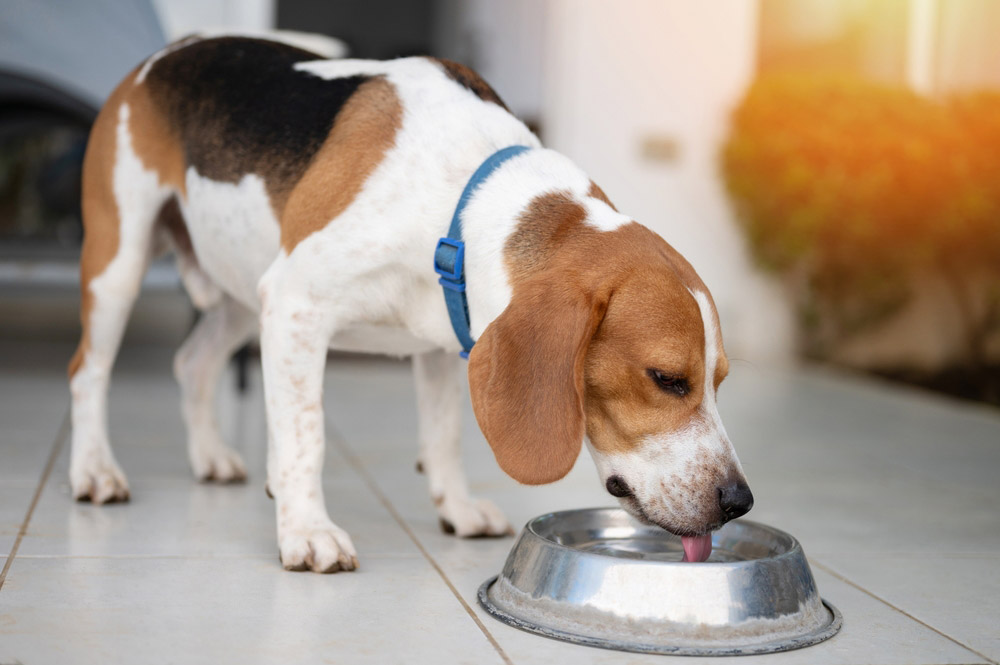
- Give your dog access to fresh water at all times. Proper hydration is important for maintaining a healthy weight.
- Consider feeding your Border Collie several small meals throughout the day. This will help them regulate their appetite and avoid overeating.
- Consult a vet to create the appropriate feeding plan, if you’re concerned about your Border Collie’s weight.
- Choose good protein sources. For Border Collies, this includes meat, fish, and eggs. Meanwhile, healthy fish oil and flaxseed fats can help keep their skin and coat healthy. Fruits and vegetables are other good sources of vitamins and minerals for your Border Collie.

How to Measure Your Border Collie
Measuring your dog during its growth period is important to ensure they’re developing normally. It can also help you watch their health and prevent obesity.
- To measure your Border Collie’s height, place them on a level surface, such as a floor or a table.
- Stand your Border Collie upright. Then, measure from the ground to its shoulder blades using a flexible tape measure. This measurement will give you the height of your Border Collie.
- Use a digital scale designed for dogs to measure your Border Collie’s weight. Have your dog stand on the scale and record their weight. Or, if you don’t have access to this type of scale, measure your weight first and note it, then hold your dog and note that way. Find the difference between the two to determine your dog’s weight.
If you have difficulty measuring your Border Collie, consult a vet for guidance.

Final Thoughts
Border Collies are a medium-sized breed known for their herding abilities and athleticism. Like all dogs, they go through a growth period during the first year with major changes in height and weight. Owners can use a growth chart to ensure their dog is growing at a healthy rate.
Factors like genetics, nutrition, and exercise can affect the size of a Border Collie. So, you must provide a balanced diet, regular exercise, and adequate mental stimulation.
Understanding how big Border Collies get and what factors affect their size is important for anyone wanting to own this breed. With proper care and attention, you can help them reach their maximum physical potential.
Featured Image Credit: Julia Suhareva, Shutterstock






























3 Responses
My male border collie is 4 months old. He is already 13 kg and @ 450 mm(18”) tall. Lean strong and fast. How big will he get?
Hello Phil,
thank you for your message. Your Border Collie sounds like a great dog! From what you described it seems he is falling within the measurements mentioned in the chart, so you can expect him to grow within those measurements, although perhaps on the higher side of the numbers.
Hope this helps!
Thank you! Great article/post.