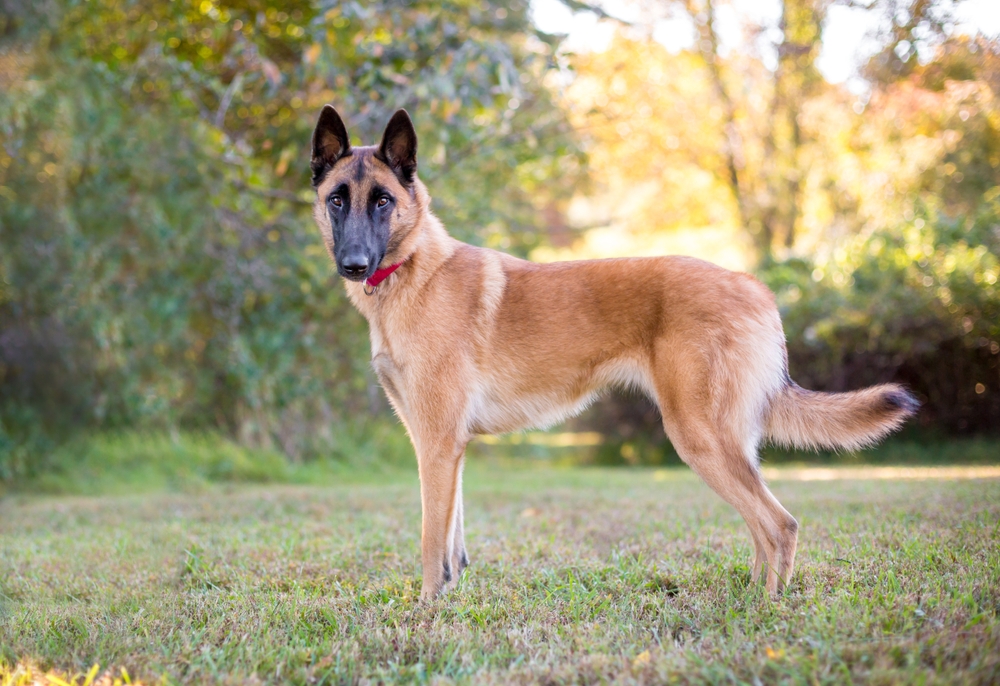
Whether your dog was born deaf or has developed deafness with age or illness, living with a deaf dog does raise some new challenges even for experienced pet owners. However, with care, patience, and guidance, it is possible to ensure your dog stays fit and healthy and doesn’t come to any harm as a result of their deafness.
You will need to change the way you interact with your dog and be prepared to communicate your dog’s needs to others, but it doesn’t take too much more effort than caring for a hearing dog.

How to Tell if Your Dog Is Deaf
The best methods to identify deafness in a dog will depend on whether they were born deaf or have developed deafness later in life.
- If you think your dog has become deaf or is losing their hearing, take note of how they react to noises that would normally get a reaction: the sound of kibble hitting the metal bowl, the jangling of the metal leash catch, the sound of the mailman hurriedly stuffing envelopes through the mailbox. If your pup used to respond to these noises but doesn’t any longer, it could be a warning sign of hearing loss.
- With a puppy, the process is similar except you won’t have any historical reactions to compare the response to. You should be able to tell if a puppy is startled when you appear from behind, having verbally announced your approach, however, or if they don’t react to sharp noises like keys being jangled.
- In either case, you can try making noises while your dog is sleeping. If they stir and wake up, they can likely hear you.
If you suspect your dog is losing their hearing or a puppy has impaired hearing, get them seen by a vet as soon as possible. Vets can rule out other problems and advise whether deafness is likely. A brainstem auditory evoked response (BAER) hearing test is the most sure-fire way to diagnose deafness.

The 5 Tips for Living With a Deaf Dog
Whether your dog has become deaf, or you have a new, deaf puppy, it does raise some additional challenges compared to owning a hearing dog. Below are some tips to help you adapt.
1. Don’t Startle Them
Dogs typically use all of their senses to determine what is going on around them, but they do rely heavily on their sense of hearing to let them know when you, other people, and other animals are approaching. If your dog can’t hear, you should find other ways to let them know when you are going to appear. Deaf dogs can feel vibrations, so gently tap your foot on the floor, or try to get in line of sight before making the final approach.
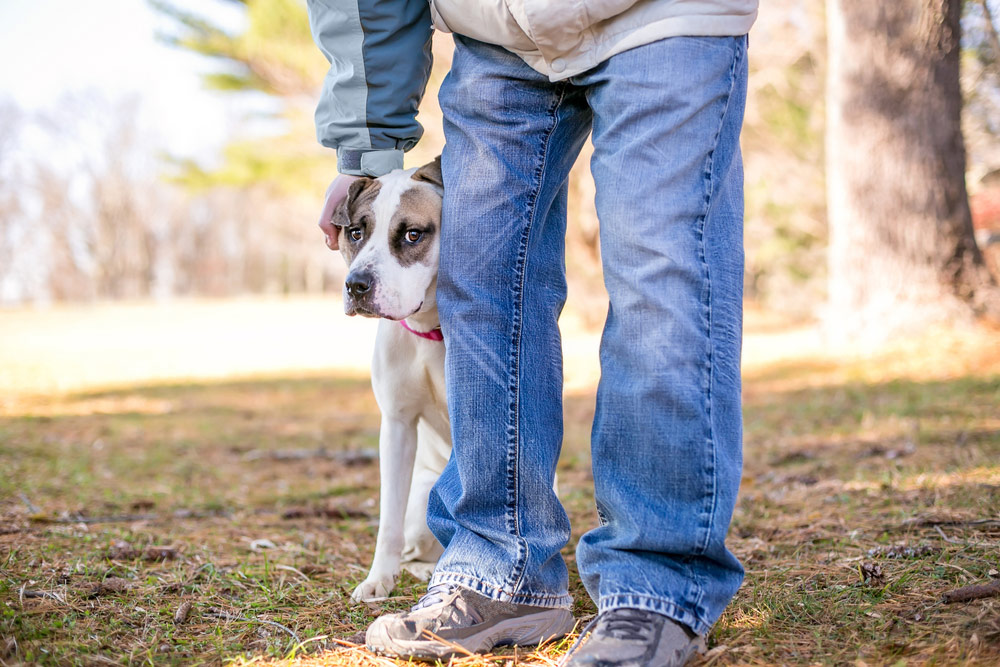
You can try and get them used to being approached from behind by desensitizing them to the sensation. Gently touch your puppy on the back as you approach, and as soon as they turn around, give them a treat and plenty of reward. This will help ensure that your deaf dog doesn’t react if they are approached unseen while out of the house or when people come over to visit.
2. Train Hand Signals
Generally, we use words when teaching dogs commands. With deaf dogs, that is not an option. Instead, you will need to find other ways to convey your message. Many owners use a combination of hand signals and words when training their dogs, sometimes without even realizing they are doing it, and hand signals are effective when your dog can see you.
- Good Dog – Good dog, good boy, or good girl, are commands dog owners use all the time to encourage good behavior or to let dogs know they have done something positive. Use a thumbs-up signal or make a circle with your finger and thumb. Whenever your dog does something you ask of it, such as sitting, or if it does something you want to encourage, make sure they can see you and give the sign. You can also combine the hand signal with the reward of a treat.
- Watch – Watch is an important command for deaf dogs. If your dog’s attention wanders or it has its gaze taken by something else, you will struggle to get any commands across. Hold a treat in your hand and place your hand down by your side with your finger pointing up at your face. Your dog will look at the treat. Hold the position and, eventually, they will look at your face as they try to determine why you have not given the treat yet. When they look up at you, give them the good dog thumbs up and the treat.
- Sit – Sit is an important command for all dogs to learn. As well as encouraging relaxed behavior, it can be used to prevent your dog from chasing other pets and it can be used to prevent bad behavior. Put a treat in your hand, enclosed in your first. Hold your hand out for your dog to sniff the treat and then move your hand over their head and towards their rear end. This should encourage them to naturally take a sitting position while they follow your hand’s movement. Praise and reward. Over time, you should be able to just use the fist position to encourage your dog to sit.
- Stay – Stay is another critical command for hearing-impaired canines and is beneficial for all dogs. Use a hand gesture like a flat palm facing towards them. Have your dog sit, give them a treat for doing so, and then give the stay command before moving a step back. Immediately give the good dog gesture and reward if they remain in place. If they have already stood up or moved before you can give the command, simply have them sit again and repeat the process. Over time, you can increase the number of steps you take away from your dog.
- Teaching Recall – You shouldn’t have your deaf dog off a leash in public, but recall is still an important part of training, and it can prove useful in other situations, even around your own home. While training recall, you will need to get yourself into your dog’s line of sight. Hold your arms out wide and look friendly and reassuring. When your dog comes to you, give the dog a signal and reward them for responding.
3. Always Use a Leash Outdoors
There are a lot of potential hazards dogs face while outdoors, especially if they are off the leash. A hearing dog can use sound to identify when cars are approaching or if another dog is running up behind them, but deaf dogs can’t do this. You also have no way to get their attention if they do decide to run off. Keeping them on a leash keeps them safely by your side.
You can even teach leash movements, so a gentle single tug stops your dog while a double tug means to come back. A pull to either side can lead your dog in that direction. But, above all, a leash can be used to prevent your dog from running into roads or getting into scrapes.

4. Use Vibrations
If you need to get your dog’s attention and aren’t in their field of vision, you will need to use other methods. Vibrations are effective, and you can use them to your advantage. Walk heavily towards a sleeping deaf dog so you don’t startle them. Tap your foot on the floor when leaving a room: it will get your dog’s attention so they know you are leaving the room.
5. Let Others Know Your Dog’s Needs
Whether people come to the house or ask to pet your dog in public, you should let them know that the dog is deaf and tell them if there is a best way to approach.
Similarly, always let groomers, vets, and other professionals who will have to deal with your dog know that they are deaf. Let them know the signals you use and whether there are any movements or hand signals that they can use while handling them.
Conclusion
Having a deaf dog does raise some challenges. You will need to change the way you approach your dog and will likely need to teach hand signals rather than vocal commands. You will also have to keep your pup on a leash when out in public, and it can be an idea to use a long leash even while in your yard or garden.
However, with some practice and preparation, your hearing-impaired dog can still enjoy a long, enjoyable, and healthy life. And you can enjoy the company of your pup.
See Also:
- How to Train a Deaf Dog: 9 Vet-Approved Tips for Success
- Living With a Blind Dog: 14 Vet-Approved Tips & How to Help Them Live Well
Featured Image Credit: sweetlouise, Pixabay