10 Common Dog Potty Training Issues (Vet-Verified)


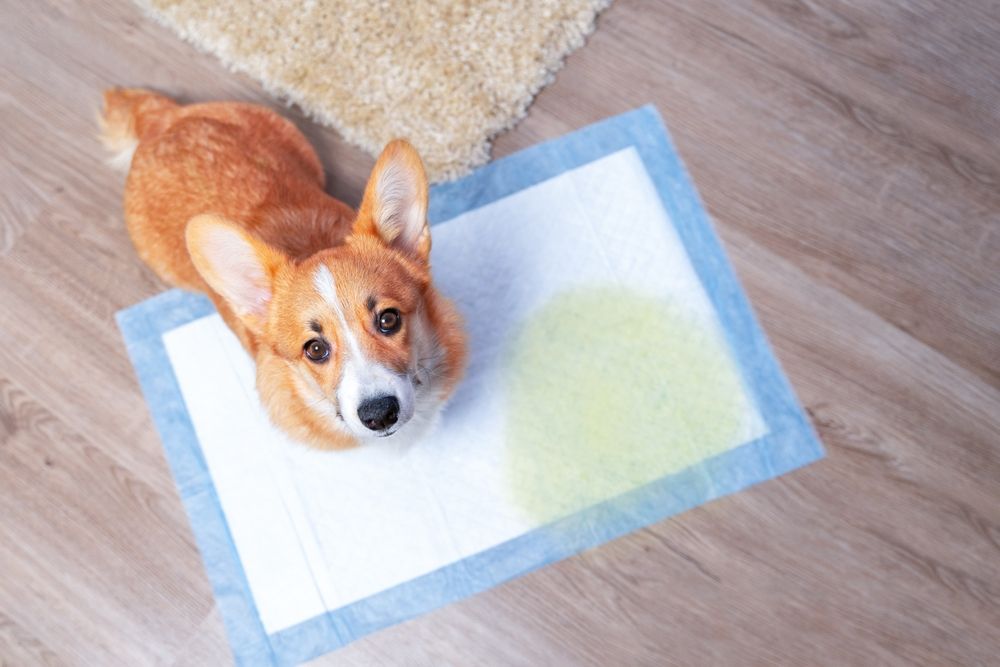
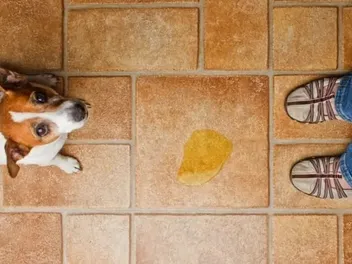
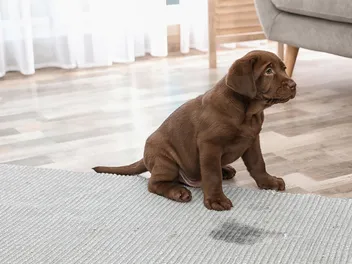
Dog potty training is challenging for most dog owners and is often a rite of passage for becoming a dog parent. You’re not alone in the challenges, and accidents are to be expected as your dog or puppy learns to be potty trained. Many dog parents face similar challenges throughout the experience. So, we’ve compiled a list of common issues that come up during potty training and some helpful tips for dealing with them.
Some of these issues can be resolved over time and with consistency, while others may require professional involvement. Identifying specific issues can help you determine if your dog needs to see a veterinarian or work with a professional dog trainer.

The 10 Common Dog Potty Training Issues
1. Improper Crate Training
Crate training and potty training often go hand in hand when housetraining a dog. Puppies are less likely to have potty accidents when they’ve been crate-trained and are in their crates as their instinct is to avoid peeing and pooping in their sleeping area.
One of the most important parts of crate training is to make the crate a positive and safe environment for puppies. This means that puppies should never be put into crates as a form of punishment. They also shouldn’t be left in crates for longer than they can tolerate and should continue to be rewarded whenever they go in their crates on their own.

2. Not Enough Potty Breaks
Puppies usually have accidents more frequently when they’re not being let out enough. As a general rule, puppies can usually hold their bladder for the number of hours that equals their age in months, plus one. For example, a 3-month-old puppy must be let out at least every 4 hours.
It’s also important to note that most puppies need to be let out about 30 minutes after they’ve eaten. So, if your puppy continues to have accidents in the home, try letting them out more frequently.
3. Soiling the Same Area
Puppies will continue to pee in the same spot. So, it’s important to clean up urine thoroughly to prevent repeated accidents. Make sure to use a cleaning spray that’s specifically formulated for pet urine and stains. These sprays will contain ingredients like enzymes that will break down odors and prevent puppies from revisiting the same spots. You may also need to block off an area for a while to prevent your puppy from developing a habit of peeing in the same area.
If you're looking for an all-in-one, pet-friendly, enzyme cleaner, we highly recommend the Hepper Advanced Bio-Enzyme Pet Stain & Odor Eliminator Spray.

- ADVANCED ENZYMATIC CLEANER - Penetrates the most stubborn smells and stains at the deepest molecular levels to dissolve any pet mess you encounter and lift it away at the source.
- FOR ANY MESS, ON ANY SURFACE - This pet odor eliminator cleans your carpets, floors, furniture, fabrics, and more. Whether it's urine, feces, vomit, or drool, you can erase all foul spots and smells!
- FRESH, NATURAL ODOR - Our unique formulation doesn't rely on dangerous or unpleasant chemical fragrances to get the job done. We eradicate smells and stains, not just cover them up.
It eliminates tough stains and odors easily and is excellent for accident prevention. Plus, it comes with a 100% satisfaction guarantee! Click here to order now.
At Dogster, we’ve admired Hepper for many years, and decided to take a controlling ownership interest so that we could benefit from the outstanding products of this cool pet company!
4. Your Dog Won’t Pee When Outside
Some dogs won’t pee when they’re outside because they feel uncomfortable. It’s common for dogs to be resistant to peeing outside when it’s raining, snowing, or too cold. If it’s raining, try using an umbrella to keep your dog a little drier. If there’s a lot of snow outside, dig an area and expose some grass to encourage your dog to pee. It can also help to go on a walk to encourage your dog to relieve themselves.
5. Your Dog Doesn’t Notify You When They Have to Go Outside
Some puppies may keep having accidents in the house because they don’t have a means of letting you know when they have to go potty. Therefore, it’s important to establish communication between you and your puppy to ensure you know when they have to be let out.
You can say a keyword or phrase like “Go potty” every time you take your puppy out. Your puppy will eventually understand the phrase and is more likely to react enthusiastically when you say, “Go potty,” when they need to go out.
Some dogs can also learn to be bell-trained. You can start by attaching a potty bell to your door and ringing it every time you take your puppy out for a potty break. Eventually, your dog will learn that the bell rings every time they have to go out, and they’ll begin to ring it on their own.

6. Urinary Health Issues
In some cases, puppies can have urinary tract issues, like cystitis, that make it difficult for them to pee or hold their pee. So, if you’re having a particularly challenging time with potty training, schedule an appointment with your veterinarian to see if any medical conditions are affecting your puppy’s ability to urinate. Some other signs of urinary problems include straining to urinate, painful urination, and drinking more water.
7. Small Dogs Have Smaller Bladders
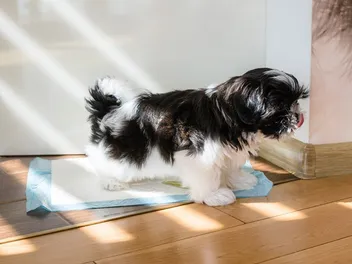
Smaller dog breeds can have a more challenging time with potty training because they have smaller bladders and a faster metabolism. They can’t hold their bladders for as long as larger puppies their age and have to be let out more frequently.
Potty training small breed puppies can take more time and a lot of patience, but with consistency, puppies eventually become potty trained successfully.
8. Eliminating Only When Unobserved
Puppies and dogs that have experienced punishment for relieving themselves may develop a tendency to pee only when they’re unobserved. Therefore, it’s important not to punish puppies and dogs for accidents that happen indoors.
If your puppy won’t relieve themselves when they’re being observed, you can try setting up an outdoor playpen and place them in there when it’s time for them to go potty. Supervise your puppy from a short distance and immediately praise and reward them when they finally relieve themselves.

9. Lack of Consistency
Dogs thrive on routines, and consistency can do wonders with potty training progress. Therefore, it’s important to set up a potty routine and stick to it until your dog is fully potty trained. Inconsistency can be confusing for dogs and become a barrier to learning and identifying appropriate places to go potty.
Along with the consistent frequency of potty breaks, make sure to take your puppy to the same area to pee and poop. Your puppy will be able to smell urine and feces and be more likely to relieve themselves.
10. Urine Marking
Some dogs may develop the habit of urine marking around the house. Dogs will often pee on objects in the home as a means of claiming and securing their territory. Urine marking is a behavior that’s more common in male dogs that haven’t been neutered and tends to start when puppies begin to sexually mature around 6 months. However, dogs with behavioral issues, such as separation anxiety, may also engage in inappropriate urine marking.
Even though you try everything on our list and you feel you are doing everything right, the issues may still persist for some other, perhaps behavioral reasons. The best thing you can do in that case is consulting your vet and asking for an advice.
Conclusion
Many different issues can arise with potty training, and it’s completely normal for it to be one of the most challenging parts of raising a puppy. Most issues can be resolved by developing a consistent potty routine and adding more potty breaks throughout the day. Crate training can also help significantly with dogs getting potty trained.
If you’re having a particularly challenging time or feel stuck, consider taking your dog to your veterinarian to make sure they don’t have any urinary health issues. It also doesn’t hurt to work with a professional dog trainer to develop a plan to help your dog get potty trained more quickly.
Sources
Featured Image Credit: Masarik, Shutterstock
Expert dog care, straight to your inbox
News, insights, expert advice, and everything dog.

No spam — unsubscribe anytime.
By signing up, you agree to our Terms & Conditions and Privacy & Cookies Policy.
How useful was this post?
Click a star to rate. You can leave written feedback afterwards. (We read all feedback.)
Jessica is a freelance writer who spends bigger part of her day researching and writing while her furry companion Cavapoo, Nora, snoozes beside her. She loves dogs, pets and animals because there’s so much to learn from them, and they do so much for us. As a dog mom, she understands the strong connection that pet parents have with their pets. So, she loves sharing helpful information that pet owners can use to better understand their beloved pets. When she isn't writing, you may find her walking dogs, tending to her plants, or drinking her nth cup of coffee.