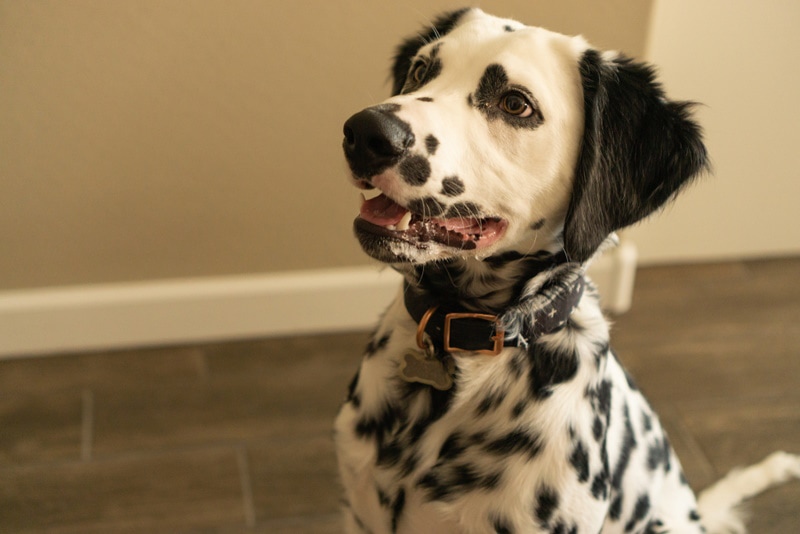
Dalmatian Dog Breed: Info, Pictures, Care & More

In this article
You’ve probably seen the movie 101 Dalmatians, so you may think you’re pretty familiar with the Dalmatian breed. But how much do you really know about these dogs? If you’re considering adopting a Dalmatian, you need to be prepared. These canines are affectionate and can make wonderful pets, but they’re also a handful due to their high energy and tendency to be stubborn. One quick note, people often misspell this breed as "Dalmations", so just remember it's "Dalmatians" with an "a" and not "Dalmations" with an "o"!
Before adopting one, you should learn everything you can about the Dalmatian. We’ve made that easier for you by gathering everything you could possibly want to know below. You’ll find out just how energetic these dogs are, how to groom them, and whether you’ll be able to handle training one. Keep reading!
Breed Overview
Height:
Weight:
Lifespan:
Colors:
Suitable for:
Temperament:
Dalmatians are a truly fascinating breed. They’ve been around an incredibly long time, have had many jobs throughout history, and even gone by various names. Whether you know the breed from 101 Dalmatians or simply know them as the mascot of firehouses everywhere, you’ll find there’s so much more to learn about the Dalmatian!
Dalmatian Characteristics

Dalmatian Puppies

You may be able to find one of these pups at a nearby shelter, as they are often given up once people realize just how energetic they are. If you can’t find a Dalmatian at your local shelter, you might reach out to Dalmatian rescue organizations to see if they have any puppies. If you still aren’t able to find one of these dogs at a rescue, you’ll need to go through a reputable breeder (though this can get a bit pricey).
You’ll want to devote plenty of time to training your new puppy. These dogs are highly energetic, and if not exercised enough, they may engage in destructive behaviors, such as chewing up all your shoes. Dalmatians are also incredibly social with their loved ones, so you’ll need to give them a lot of attention. Make sure you’re up for all that before bringing one of these pups home!
Dalmatian Origin & History
The Dalmatian’s history is a bit mired in mystery. It’s believed that these canines came to Europe through the Romani people, who traveled there from India. The breed's name comes from a narrow belt close to the Adriatic Sea, but no one is completely sure where these pups originated.
What is known is that the Dalmatian is an old breed, as paintings in Egyptian tombs featuring spotted dogs running beside chariots have been found. While these spotted canines might not be the Dalmatian we know today, they are likely ancestors of the breed.
And though the Dalmatian is probably best known as a firehouse mascot, the breed has played various roles throughout history. Bred to guard passengers in stagecoaches and other vehicles, the Dalmatian has also ended up scouting and guarding borders, being a hunting companion, and acting as a herding dog. But their role of guarding the horses drawing fire carriages is where they became beloved!
Temperament & Intelligence of the Dalmatian 🧠
Dalmatians are incredibly high-energy, so being active is a must. Otherwise, you won’t be able to keep up with them! These dogs require tons of physical and mental stimulation, plus they love receiving attention from their people. This means you’ll spend lots of time with your pup (which is excellent for bonding). Giving your Dalmatian a job around the house will allow them to get some of that energy out while also letting them use their high intelligence.
With the family, these canines will be affectionate and friendly, so you’ll get the chance to cuddle up with them, too. However, this breed tends to be aloof towards strangers, which is why early socialization is vital. The Dalmatian is also quite gentle, so they do well with all members of the family.
One other important thing to know about this breed’s temperament is that they can be prone to separation anxiety. If you and your family will be away from home a majority of the time, you’re better off going with another breed.

Are These Dogs Good for Families? 👪
Dalmatians can make terrific pets for the right family. They will need an active family due to their high energy, though. The breed also tends to do better with older kids than younger ones, as their energetic natures might lead them to accidentally knock down a little one in their exuberance. However, the Dalmatian will be protective of children in the family, so they won’t hurt a child on purpose. Closely supervise any playtime between this breed and children. These pups will also want to be involved in every family activity, so everyone in the family will enjoy plenty of bonding time!
Does This Breed Get Along With Other Pets? 🐶 😽
If you begin socializing your puppy at an early age, they should be able to get along with other pets. This breed can sometimes have issues with other dogs in the home, though, particularly if the other canine is of the same sex. A Dalmatian may become aggressive with other canines. However, early socialization can help minimize any aggression on their part.
When it comes to felines, a Dalmatian should be perfectly fine. Kitty may not be as fine, though, due to how high-energy these pups are. Cats may not enjoy the amount of activity a Dalmatian will bring, and there’s also a chance a Dalmatian could run roughshod over a cat during exuberant play. But this breed shouldn’t dislike cats or try to hunt them down.

Things to Know When Owning a Dalmatian
What else should you know when owning a Dalmatian? Several things, including what kind of dog food they need, how to groom them, and how well they take to training. Here’s a closer look at all that and more.
Food & Diet Requirements 🦴
Dalmatians will require a diet of well-balanced, high-quality dog food. Ideally, you should get a food that is age or breed-specific. You may need to find dog food that is low in purine, as Dalmatians are prone to developing bladder stones, and purine can lead to more bladder stones. However, speak with your vet before going with a low-purine food to ensure this diet is suitable for your pet. You’ll also want to avoid giving your pup table scraps because of their propensity for bladder stones.
If you’re unsure how much your Dalmatian should be eating daily, ask your vet, as they can tell you how many calories your pup should consume.

Exercise 🐕
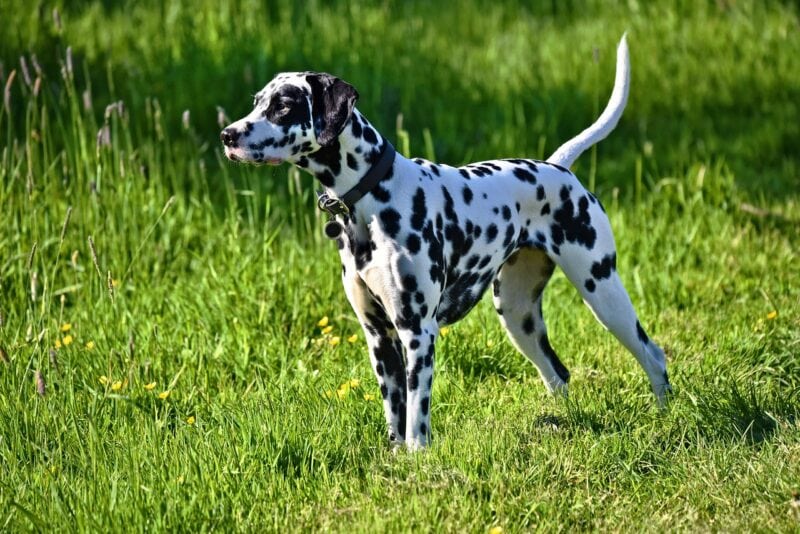
Dalmatians were bred to run beside carriages and other vehicles, meaning they could run 20–30 miles a day without breaking a sweat. So, the amount of energy these dogs have is no joke! All that energy means they need to be active often, though; you’re looking at two hours of exercise and play daily for these pups. That’s a lot of activity, so make sure you’re up for it before adopting a Dalmatian. As we said previously, many people give these dogs up because they aren’t truly prepared for how energetic they are.
To fit in those two hours of exercise, you can go for walks and runs with your pup each day, take your pet hiking or trail running, enjoy a trip to the dog park, romp in the backyard, or set up agility courses for your dog to run. Giving your Dalmatian a job around the house can help immensely, too! Remember, if your pup doesn’t receive enough daily exercise, they might start engaging in destructive behaviors, which you want to avoid.
Training 🎾
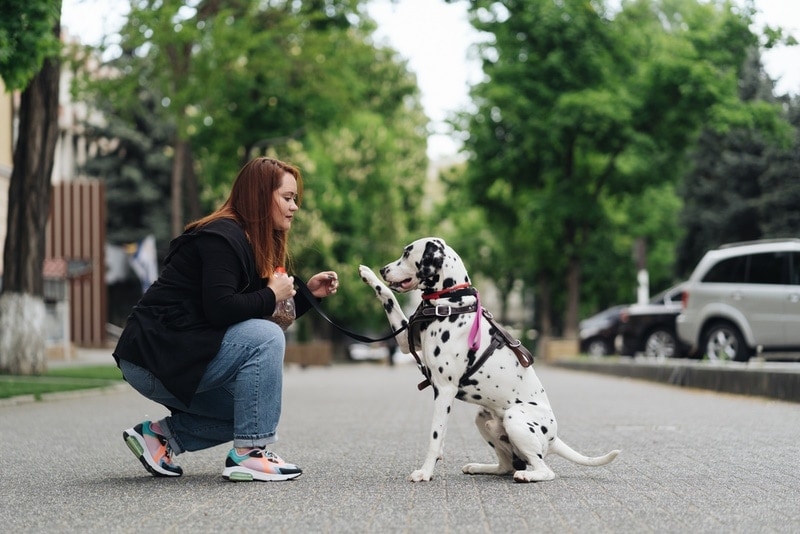
The good news when training a Dalmatian is that the breed is incredibly intelligent and quickly picks up on new commands and tricks. The bad news is that the breed has a reputation for being willful and will absolutely set themselves up as the dominant one at home if you don’t set yourself up as that first. So, despite their ability to learn fast, the Dalmatians are rather hard to train. However, you need to begin training them the second you bring them home, not only on commands but also in socialization.
Training a Dalmatian is best left to an experienced dog owner or a professional trainer. Don’t be afraid to reach out for help with training your dog!

Grooming ✂️
On the flip side, grooming a Dalmatian is pretty easy. To keep their beautiful coat looking its best, you need to give them an occasional bath and brush them weekly with a rubber curry comb that can remove dead hair. Because the breed’s ears flop, you should check them regularly and clean as needed. Other than that, simply keep your pup’s nails trimmed and their teeth brushed, and you should be good to go!
Health and Conditions 🏥
Dalmatians are fairly hardy, especially considering they are purebred dogs (purebreds tend to have more health problems). There are still a few health issues they are prone to developing, though; some serious and some not.
Male vs. Female
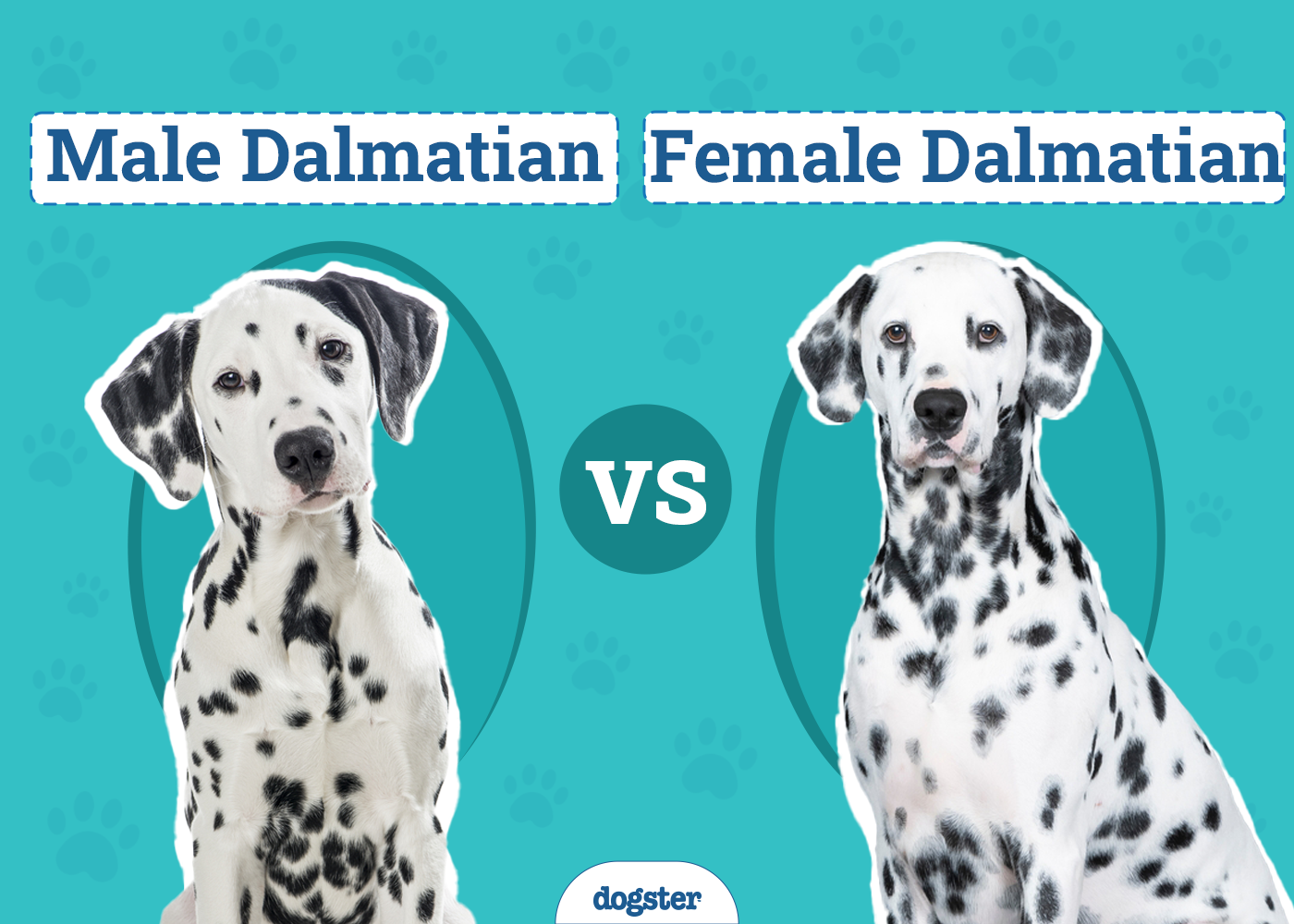
There isn’t a lot of difference between male and female Dalmatians. Males will be larger and weigh more than females; they may also be a bit more aggressive towards other canines. Other than that, males and females should be pretty much alike in temperament. However, having a female fixed costs more than having a male fixed, so consider that when deciding between the sexes.
3 Little-Known Facts About the Dalmatian
Eager to learn even more about this breed? Here are three facts you might not have known about the Dalmatian!
1. Dalmatians have had many monikers.
Dalmatians have gone by many names throughout the years. Just a few of these include Leopard Dog, Carriage Dog, Spotted Dog, and Plum Pudding Dog! (We think “Dalmatian” is by far the best name they’ve had.)
2. This breed isn’t born with spots.
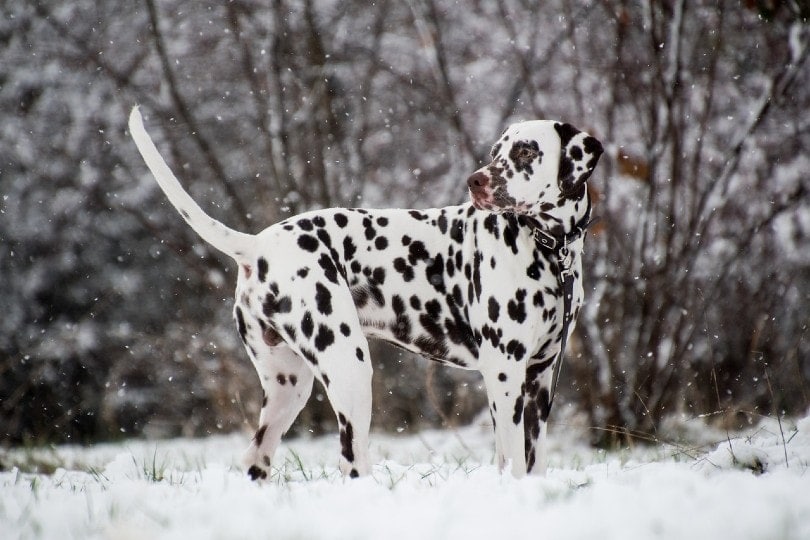
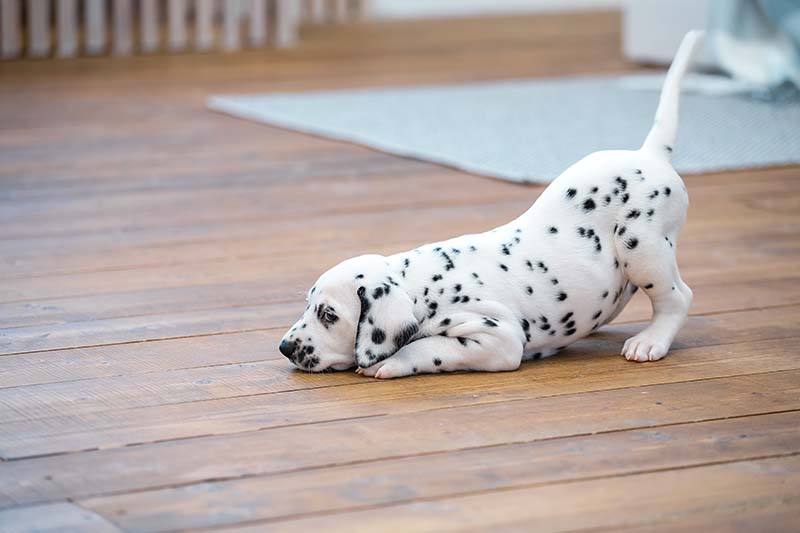
Shocker, we know! It’s true, though; Dalmatians are totally white when they are first born. Spots don’t start showing up on their coats till they are about 10 days old and continue to grow larger until they reach about 1½ years of age.
3. No two Dalmatians look the same.
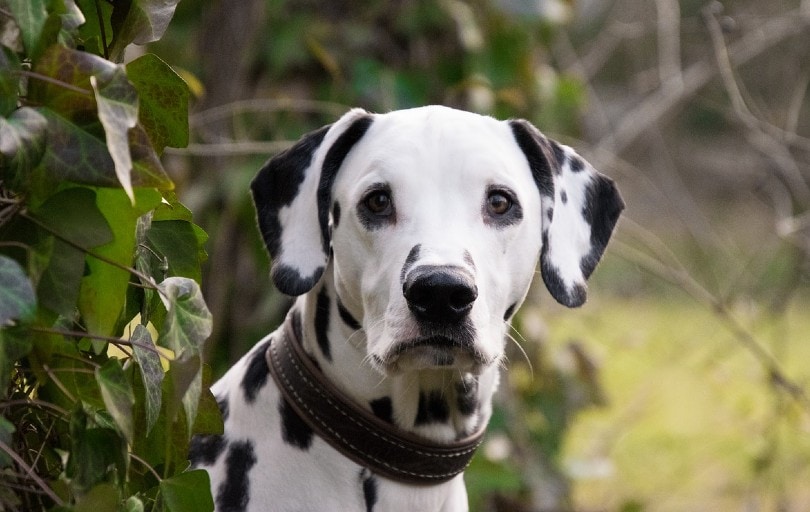
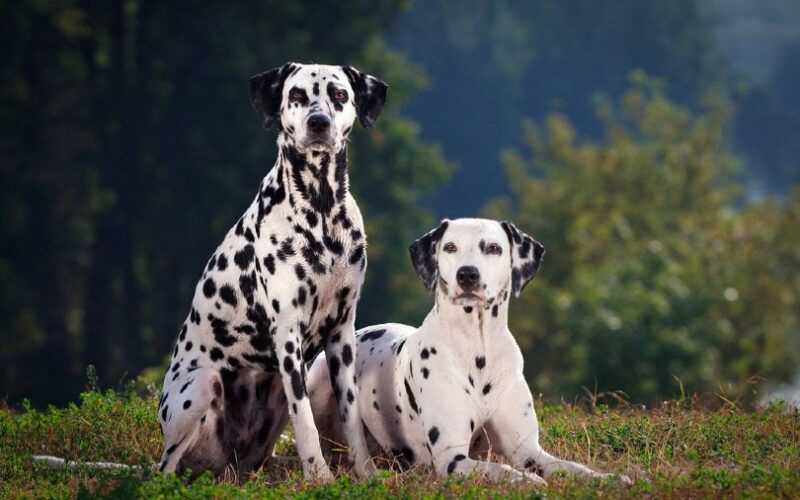
Put two Dalmatians beside each other, and you might think they look identical. However, no two Dalmatians have the exact same coat. In fact, the Dalmatian’s coat is akin to human fingerprints; each dog has a coat uniquely their own!

Final Thoughts
So are Dalmatians good dogs? Absolutely! They can make a wonderful pet for the right person or family. However, if you’re thinking of adopting one, you need to be prepared to be highly active. If these pups don’t receive enough exercise, they will become destructive. You should also be prepared for challenges during training; don’t be surprised if you need to ask a professional to step in. Finally, be ready to have an affectionate dog who wants to do everything with you! And just remember, it's "Dalmatian" and not "Dalmation".
See also:
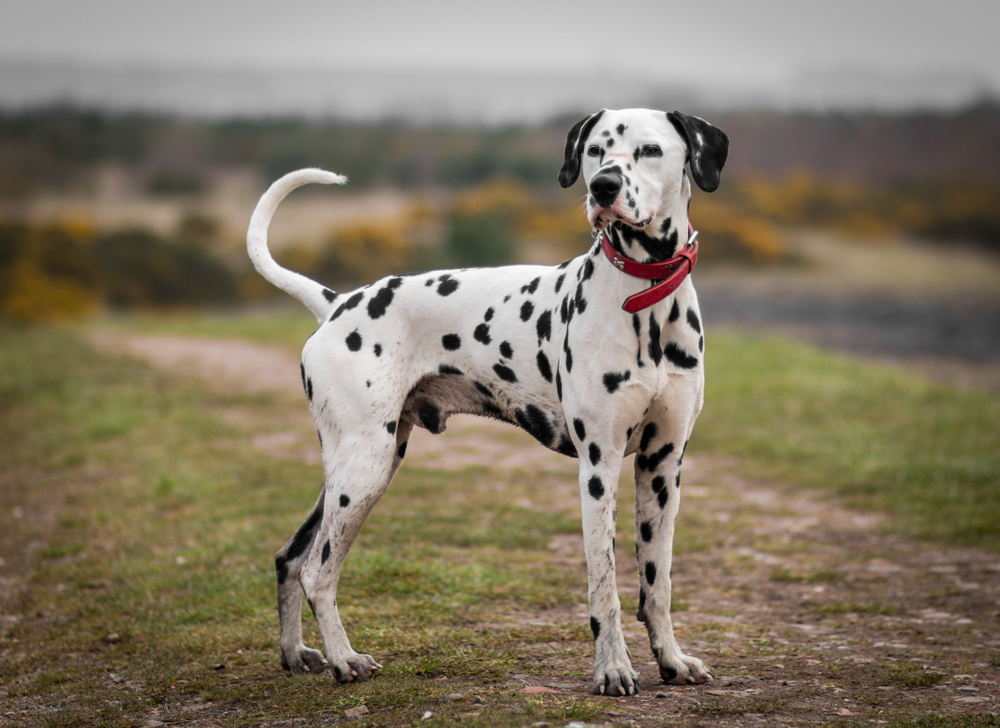
Featured Image Credit: Beth James, Shutterstock
Expert dog care, straight to your inbox
Vet-reviewed advice, training tips, and the best of Dogster. Free, and you can unsubscribe anytime.
By signing up, you agree to our Terms & Conditions and Privacy & Cookies Policy.
Misty Layne lives out in the woods in small-town Alabama with her two Siamese - Serafina & Jasper. She also has an array of stray cats, raccoons, and opossums who like to call her front porch home. When she’s not writing about animals, you’ll find her writing poetry, stories, and film reviews (the animals are, by far, her favorite writing topic, though!). In her free time, Misty enjoys chilling with her cats, playing piano, watching indie and foreign films, photographing abandoned places, and catching up on her never-ending TBR list.
Join the conversation
Ask a question, share your story, or send private feedback.