Get

In Your Inbox

Dogster is reader-supported. When you buy via links on our site, we may earn an affiliate commission at no cost to you. Learn more.

Can a Dog Get Kennel Cough from the Vaccine? What the Science Tells Us

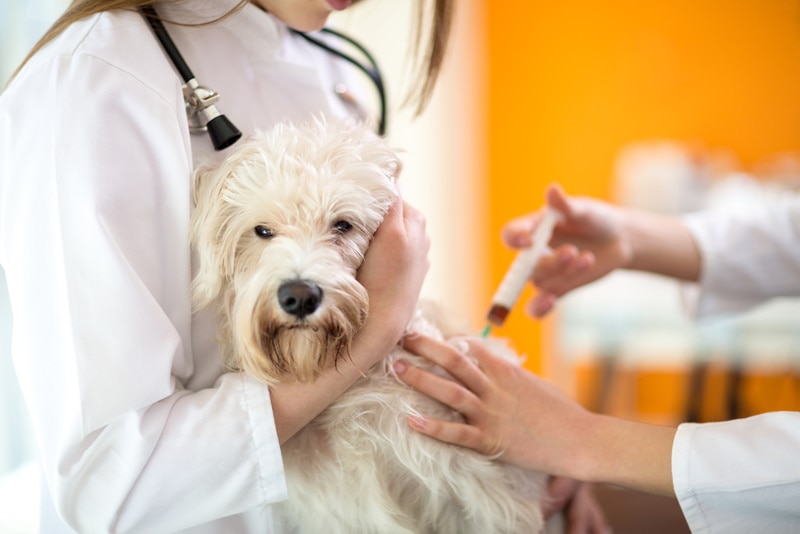
maltese dog receiving an injection

Kennel cough is an infectious canine tracheobronchitis caused by several bacteria and viruses. It is highly contagious and infected dogs show respiratory signs with a honking cough, runny nose, and fever. Puppies and geriatric dogs tend to be more susceptible to kennel cough, but dogs of all ages can be infected.

The main way to protect your dog from becoming severely ill from common kennel cough strains is to have them vaccinated. However, some dog owners have noticed that their dogs appear sick shortly after the vaccine. They may even show similar signs to the disease they just got vaccinated against.

So, is it true that dogs can get kennel cough from the vaccine? Yes, some dogs may develop a mild form of kennel cough after the vaccination.

divider dog paws 2 oct 2024

What Is the Kennel Cough Vaccine?

Kennel cough vaccines are an effective way to reduce your dog’s risk or prevent them from contracting kennel cough. The vaccines provide dogs with immunization against certain pathogens that cause kennel cough. These pathogens include Bordetella bronchiseptica (bacteria), adenovirus-2, and parainfluenza virus.

Two types of vaccines may aid in the prevention of kennel cough in dogs, namely the Bordetella vaccine and the DA2PP vaccine.

The American Animal Hospital Association (AAHA) lists the Bordetella vaccine as a non-core vaccine, so it’s usually given based on a dog’s lifestyle and risks.1 This vaccine helps protect against the B. bronchiseptica bacterium, which is a common cause of kennel cough in dogs of all ages. It can be administered to dogs either via an injection under the skin or nasally or orally. It doesn’t necessarily prevent 100% of illness, but it does significantly reduce your dog’s risk of becoming severely ill with kennel cough.

The DA2PP is a core vaccine that covers the other pathogens that may cause kennel cough; adenovirus-2, and parainfluenza virus. Puppies between 6 to 8 weeks old should get the DA2PP vaccine along with the Bordetella vaccine. They will need to get booster shots (only if they receive it through injectables) up until they are 16 weeks and again between 12 to 16 months. Vaccines are given yearly after that.
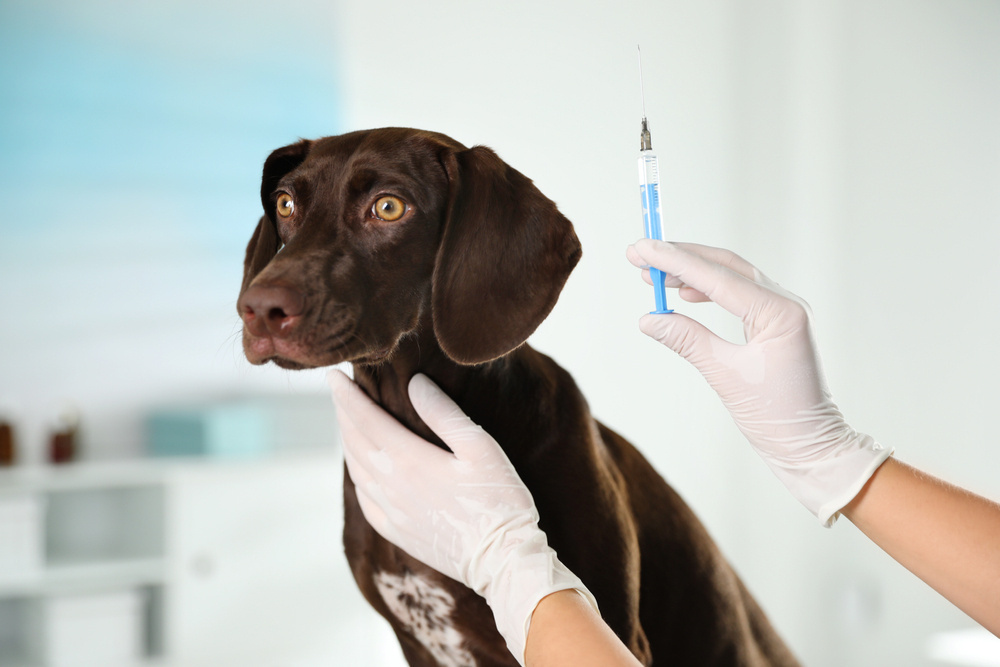
Professional veterinarian vaccinating dog in clinic
Image By: New Africa, Shutterstock

How Does the Kennel Cough Vaccine Affect Dogs?

When a dog receives a vaccine, they are exposed to altered or killed microorganisms that stimulate an immune response. This causes their immune systems to react to the microorganisms and build up a population of white (immune) cells for future protection.

Dogs who have received the kennel cough vaccination will be protected but may still experience certain reactions to the vaccine. This is because their immune systems are stimulated by the vaccine.

Signs of vaccine reactions in dogs include:
  • Irritation and itching at the injection site
  • Lethargy
  • Changes in appetite
  • A lump at the injection site
  • Low-grade fever

Fortunately, most reactions to the vaccine are short-lived and usually resolves on its own. Severe reactions to the kennel cough vaccine are rare but can be life-threatening. Your dog should receive immediate medical attention if they have collapse, difficulty breathing, hives, swelling, or vomiting shortly after the vaccine.
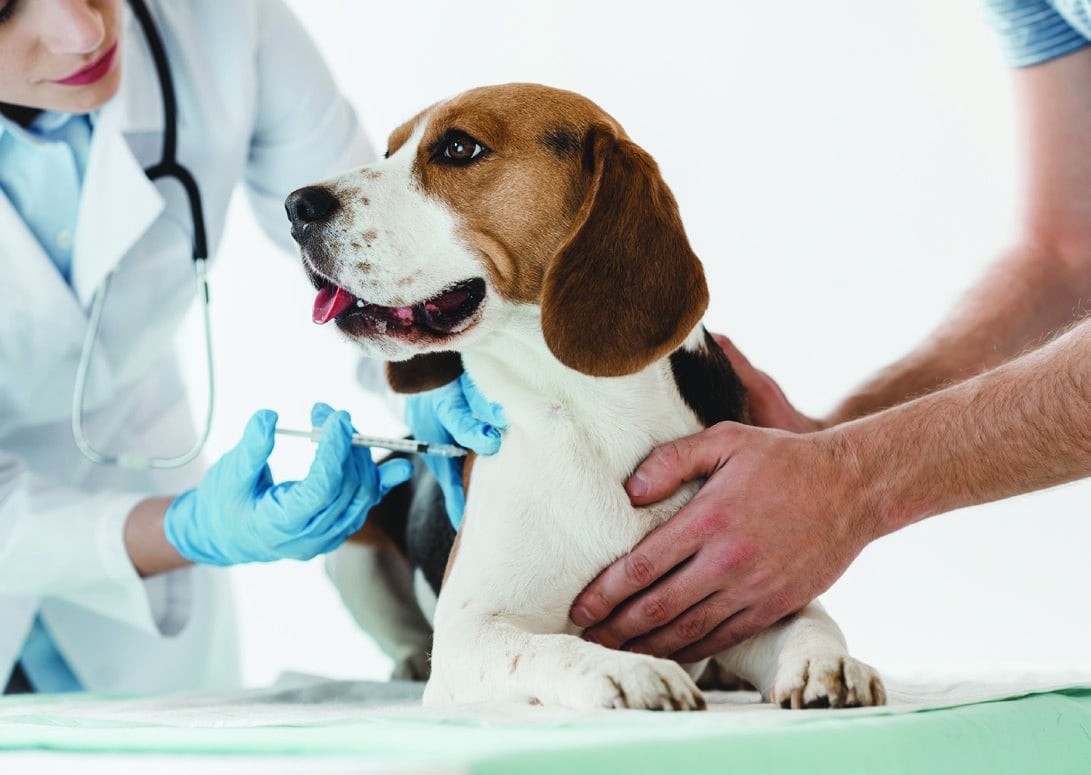
cropped image of man holding beagle while veterinarian doing injection by syringe to it
©Mario Forcherio / EyeEm | Getty Images

Does the Vaccine Give Dogs Kennel Cough?

It’s not unusual for some dogs to develop a mild form of kennel cough about 2–7 days after the vaccination. This could occasionally happen when dogs are given a modified live vaccine, which has weak yet active organisms. Modified live vaccines do not usually cause the disease that is being prevented but might if the vaccine reverts to virulence. Dogs with prior exposure or built-up immunity from the vaccine might be less likely to develop kennel cough afterward.

Intranasal or oral Bordetella vaccines often contain modified live organisms, which makes them stronger than injectables but higher risk of causing signs or reverting to a virulent form. Additionally, the intranasal Bordetella vaccination could make dogs sneeze or cough after the vaccinations. This could be mistaken as a sign of kennel cough.

It is important to note that even a vaccinated dog could still develop kennel cough. However, they are less likely to experience severe signs of the disease and tend to recover quicker. Furthermore, the signs of a vaccine reaction from a dog’s natural immune response can replicate those of kennel cough too.

If you need guidance on managing your dog’s cough, we suggest you speak to a vet.

If you need to speak with a vet but can't get to one, head over to PangoVet. It's our online service where you can talk to a vet online and get the advice you need for your dog — all at an affordable price!

PangoVet_Mention-in-Content Savings V1

divider dog paws 2 oct 2024

Conclusion

Dogs are protected against kennel cough by the Bordetella and DA2PP vaccines they get as a puppy and as boosters as adults. Despite being vaccinated, some dogs could get sick from the vaccine with the same disease the vaccine was preventing. This could happen with modified live vaccines.

Also, it is normal for some dogs to have a mild reaction to the vaccines which could be mistaken for kennel cough. Most dogs tolerate the kennel cough vaccine well and generally have little to no adverse effects. Even vaccinated dogs can still get kennel cough, although it is usually less severe.


Featured Image Credit: Lucky Business, Shutterstock

Want content like this delivered to you?

Sign Up For Our Newsletter

News, insights, expert advice, and everything dog

* By submitting, you agree to our Terms & Conditions and Privacy & Cookies Policy.


How useful was this post?

Click on a star to rate (you can leave written feedback after clicking submit)

Help us improve Dogster for pet parents!

Your feedback really matters.

What did you like about this post? Also how can we improve it?

Join the conversation

Leave a Reply

You’re very welcome to leave a comment or question. Please know that all comments must meet our community guidelines, and your email address will NOT be published. Let’s have a positive and constructive conversation.


Talk With A Vet Online

Peace of mind,
anywhere, anytime

Affordable vet advice

How to Teach Your Dog to Surf: Vet-Approved Tips, Instructions & FAQ

Is your water-loving pup ready for their next challenge? When swimming becomes a little too ho-hum, your dog may be an excellent candidate...

Grey Pitbull: Info, Pictures, Origin & History

Pitbulls come in different colors, one of the rarest being grey. Grey Pitbulls are not a particular dog breed but any Pitbull with...

5 Ways to Prepare for a Hike With Your Dog & What to Bring

I love hiking in the mountains with my dogs. We all know a tired dog is a happy dog, right? If you don’t...

Will Coyotes Attack Dogs? 8 Vet-Approved Ways to Protect Your Pup

When you think of coyotes, you might imagine them out in the wild, but the truth is that as coyotes’ natural habitats shrink,...

More related

Long Haired Dachshund Grooming Tips (10 Expert Pointers)

Dachshunds are mischievous, adorable dogs that have delighted people for hundreds of years. The popularity of these little dogs is one of the...

Are Belgian Malinois Smarter Than Other Dogs: Vet-Verified Facts & FAQ

Belgian Malinois are a popular dog breed known for their intelligence, agility, and loyalty. In this article, we will explore whether Belgian Malinois...

Ibizan Hound: Dog Breed Info, Pictures, Facts & Traits 

The Ibizan Hound (Pondenco Ibicenco) is a true relic. These staggeringly elegant medium-large dogs’ ancestry dates back to around 3400 BC, and their...

Dog Car Sickness: Vet-Reviewed Remedies, Causes & Prevention Tips

For every dog that loves hanging their head out the car window and feeling the breeze in their hair, there’s another that would...

Keep reading

Can Dogs Eat Anise Seed? Vet-Approved Benefits & Risks

Dogs can eat anise seed, and the strong-smelling spice is known to be the canine version of catnip. It can be used as a fun, stimulating treat for training or as a natural remedy. Before feeding anise seed to your...

Can Dogs Eat Anise Seed

What Fruits Can Dogs Eat? 13 Vet-Approved Options

Summer is right around the corner, and if you’re anything like me, you’re probably excited about all the in-season fruits you’ll be able to eat soon. You might also be curious about which fruits, if any, are safe to offer...

Labrador retriever dog eats watermelon from hands

Can Dogs Eat Parsnips? Vet-Verified Nutrition Facts, Risks & Serving Tips

Parsnips may have a small fan club. They aren’t as popular as other vegetables in the Apiaceae family, such as carrots and celery. Some think the former are sweeter, but parsnips have a slight edge. Nevertheless, these vegetables pack a...

Dogster-Can-Dogs-Eat-Parsnips

Can Dogs Drink Wine? Vet-Verified Risks & FAQ

If you enjoy relaxing with a glass of wine in the evenings, you might feel inclined to give your dog some. Their adorable begging as you sip the wine could make you question whether a small sip could do them...

Can Dogs Drink Wine

Solid Gold Dog Food Review 2026: Recalls, Pros, Cons, & FAQ

If you are a dog owner, you know that finding the right food for your pet is essential to their health and well-being. Many dog food brands are on the market, but one of the most popular is Solid Gold....

Dogster_Solid Gold Dog Food Review

Can Dogs Eat Mac and Cheese? Vet-Reviewed Nutrition Facts & Safety Guide

When you’re sitting at the kitchen table, it’s a common sight to have your dog giving you puppy eyes, begging for food. But just because they want something doesn’t mean you should give it to them. That’s the case with...

Can Dogs Eat Mac and Cheese

Is Lamb Dog Food Good for Dogs? Vet-Reviewed Benefits & FAQ

There are a host of dog foods out there to choose from when it comes to feeding your dog and many different meat options available to tempt your pet’s palate. While a good majority of dog foods will contain chicken,...

dachshund dog eating from elevated bowl

Can Dogs Eat Ginger Snaps? Vet-Verified Facts & Explanation

Ginger snaps are a spiced cookie that’s synonymous with the holiday season. They’re slightly sweet without being too overpowering, and deliciously crunchy. While you may enjoy them, ginger snaps aren’t something we recommend offering your dog. Ginger snaps aren’t inherently...

Can Dogs Eat Ginger Snaps