Get

In Your Inbox

Dogster is reader-supported. When you buy via links on our site, we may earn an affiliate commission at no cost to you. Learn more.

Do Dogs Pee More in Cold Weather? Vet-Verified Facts & Useful Tips


Share

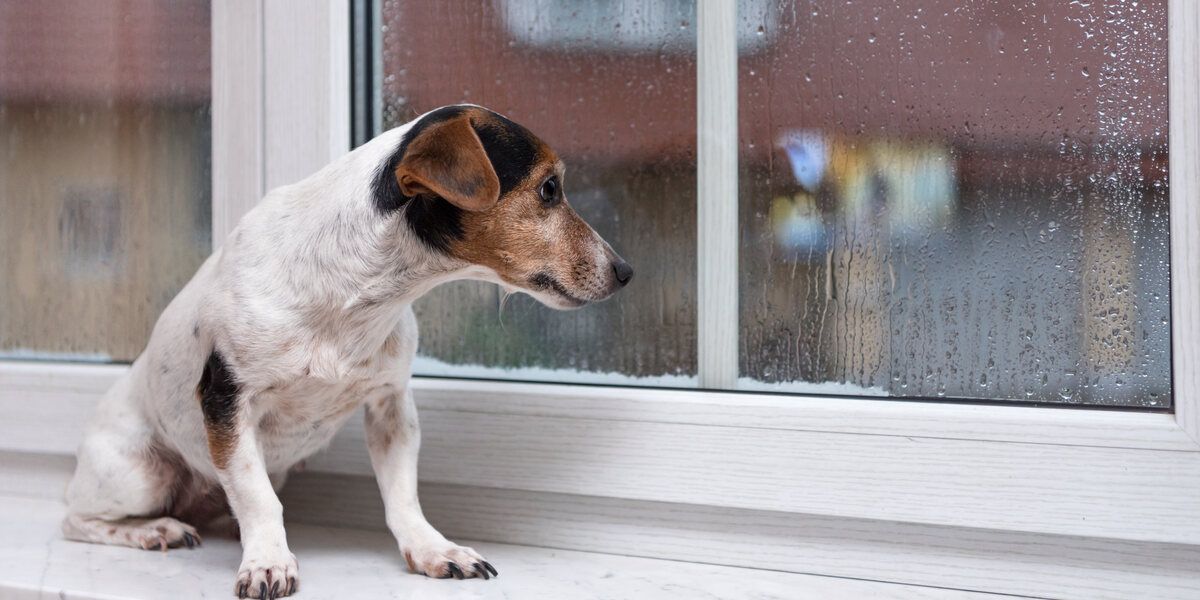
small Jack Russell Terrier dog in window

A dog’s needs change as the seasons do, and wintertime comes with its unique set of challenges. Many dogs choose to hold in their pee and poop when they deem it too cold to go outside, but this can lead to accidents indoors. Another thing dog owners sometimes notice is that their pets appear to need to pee more often during cold weather. Is this a real phenomenon, or are they imagining it?

As it turns out, yes, some dogs do need to pee more in cold weather (and, spoiler alert, so do some humans!). Read on to learn more.

divider single dog paw oct 2024

Why Do Dogs Pee More in Cold Weather?

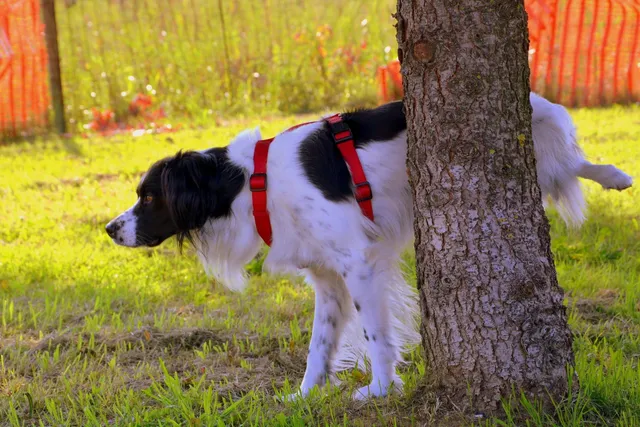
Brown poodle dog peeing over some tall grass in a dog park
Image Credit: Ching Louis Liu, Shutterstock

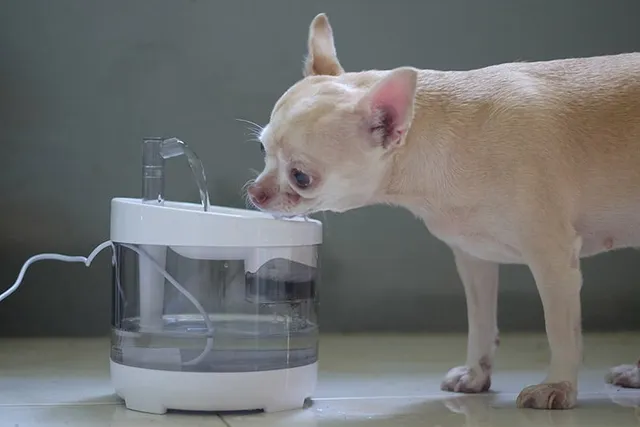
Proper hydration is important year-round, but it’s especially important to ensure your pups are hydrated during the cold winter months. You may find that your dog drinks more during the cooler months when the humidity is lower because a well-heated home or apartment can be very dry and dehydrating. As we all know, the more a dog drinks, the more they typically pee.

It’s also believed that a dog’s body may go through cold diuresis when in colder weather. This is a phenomenon that has been extrapolated from human medicine where when the body is exposed to cold temperatures, it naturally constricts blood flow to the skin to keep the core warm and direct blood flow to the vital organs. Blood pressure then increases due to the same amount of blood being pumped through a smaller space, and so the kidneys work overtime to filter out the excess fluid to keep blood pressure from getting too high. The excess fluid is then released through the bladder.

What Other Bathroom Habit Changes Occur in Cold Weather?

Many dogs change their bathroom habits when the weather is cold, snowy, rainy, or otherwise unbearable. Other changes you may notice in your dog during the winter include:

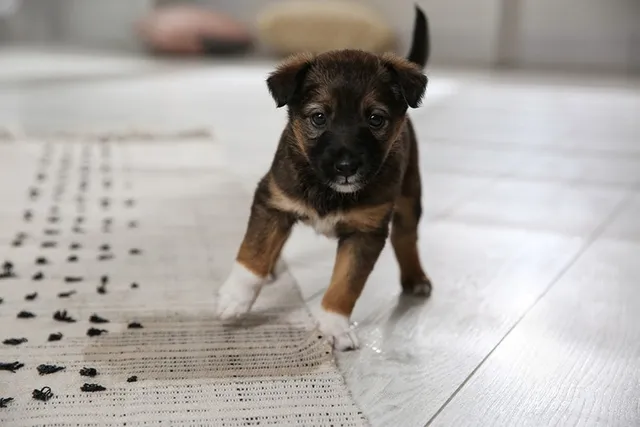
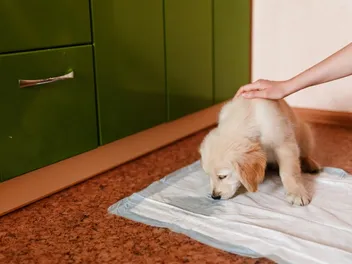
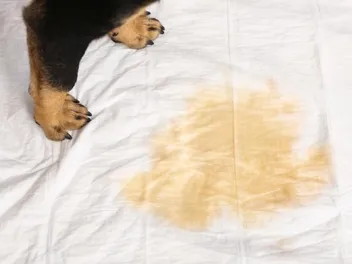
  • Indoor accidents: Some dogs prefer eliminating inside their home when the weather outside is frightful. However, many underlying health conditions can cause inappropriate elimination as well, so don’t be so quick to discount your pup’s indoor peeing or pooping as weather-related, especially if they’re exhibiting other signs or behavioral changes.
  • Shortened bathroom breaks: Dogs may pick up the pace when doing their business outside during the colder months of the year to reduce their exposure to the elements. We certainly can’t blame them for that one!

How Can I Make My Dogs More Comfortable to “Go” Outside?

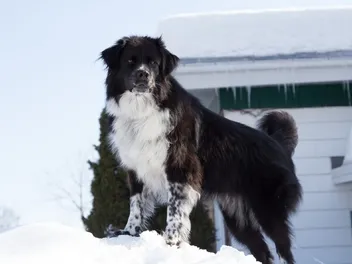
Outside is the best place for your dog to eliminate, but it can be difficult to convince your pup to do so when they have to contend with piles of snow and frigid temperatures. Thankfully, there are some things you can do to make the season more comfortable for your pup and easier on yourself, too.

harrier puppy in the snow during winter
Image By: Joachim Bago, Shutterstock

Clear a space for them

When dogs are first trained to poop and pee outside, they may create associations with the environment, such as the feel of the grass under their feet. These surfaces will feel different to your dog when wet or snow-covered, so help your pup remake those associations by making the ground feel as close as possible to what they’ve become accustomed to feeling. Clear a patch of snow from an area in your yard so your dog can see and feel the grass. Though the grass may look different (flattened and brown), it can help them feel more comfortable eliminating when they see something that looks familiar to them.

Get them winter gear

Winter can last an awfully long time, and without the proper attire, your pup could be miserable. Buy your pet a sweater or jacket and booties if they tolerate clothing. You may want to introduce attire before the snow starts flying, though, just to give them some time to get used to it.

Praise and rewards. Help your dog make positive associations with going outside during the frigid months by offering them tons of praise and tasty rewards whenever they pee or poop outside. It’s essential to treat and praise them while they’re still outside so they can make the connection that eliminating outdoors means getting a treat.

Chocolate Labrador Retriever puppy pees on carpet
Image Credit: New Africa, Shutterstock

divider single dog paw oct 2024

Final Thoughts

Some dogs (and humans) may pee more during the winter due to the increased water consumption brought on by the dry air inside their heated homes. Peeing more during cold weather can also be a result of cold diuresis.  The colder weather can make dogs change their bathroom habits in other ways, too. You can help your pet maintain proper elimination habits throughout the winter by ensuring their bathroom breaks are quick, comfortable, and warm with our tips above.


Featured Image Credit: thka, Shutterstock

Want content like this delivered to you?

Sign Up For Our Newsletter

News, insights, expert advice, and everything dog

* By submitting, you agree to our Terms & Conditions and Privacy & Cookies Policy.


How useful was this post?

Click on a star to rate (you can leave written feedback after clicking submit)

Help us improve Dogster for pet parents!

Your feedback really matters.

What did you like about this post? Also how can we improve it?

Join the conversation

Leave a Reply

You’re very welcome to leave a comment or question. Please know that all comments must meet our community guidelines, and your email address will NOT be published. Let’s have a positive and constructive conversation.


Talk With A Vet Online

Peace of mind,
anywhere, anytime

Affordable vet advice

We Bred English Bulldogs So Extreme They Can’t Mate Naturally

Picture this: A male English Bulldog waddles over to a female in heat, full of confidence and swagger. Then… nothing. His barrel chest,...

Damning Dry Dog Food Report Not What It Seems

Over the past few days, pet and vet communities have been reeling from the revelation that high levels of heavy metals have been...

Ask Dr. Paola- Help! My Dog’s Won’t Stop Barking! (February 23, 2026)

Welcome to our “Ask Dr. Paola” series, where every Monday we bring expert advice straight from Dr. Paola Cuevas (MVZ) to help our...

Why You Should Never Ignore Yellow Dog Poop

Yellow dog poop is one of those things that sounds bizarre until it happens to your dog. Then suddenly you’re standing there with...

More related

Can Dogs Catch Parvo Twice? Our Vet Explains the Signs, Treatments & Prevention

Parvo is one of the most dreaded diseases among dog owners, and for a good reason. However, if your dog has survived parvovirus,...

Why Is My Dog’s Tongue White? 6 Vet-Verified Reasons

You can usually tell when your dog isn’t feeling well; whether they’re lethargic, off food, or just not seeming like themselves. But have...

How Much Does a Samoyed Shed? Vet-Verified Facts & Tips

The adorable Samoyeds are among the most popular breeds. Few puppies are cuter and more adorable. These dogs always seem like they’re smiling....

Are Beagles Good for First-Time Dog Owners? Care & Traits Explained

Beagles can make great first-time dogs for the right family. They are one of the lower-maintenance breeds widely available today, so they are...

Keep reading

9 Best Salmon Dog Foods in 2026 – Reviews & Top Picks

Many dog owners are choosing to feed their dogs food that contains salmon as the main ingredient because of the benefits this fish has to offer their dogs in terms of nutrition. Salmon is a common ingredient in high-quality dog...

dog eating wet food

10 Best Dog Foods for Pomskies in 2026 – Reviews & Top Picks

The Pomsky is a mix of a Husky and a Pomeranian. They essentially look like miniature Huskies, and they put the “A” in adorable! These beautiful dogs have become a bit of a social media sensation due to their unique...

young pomsky outdoor

Bone Meal in Dog Food: Is It Healthy for Your Dog?

If you’ve ever spent any time reading the ingredients list on dog food labels, then you might have noticed one particular ingredient cropping up occasionally: bone meal. So what is bone meal, and is it good for dogs? The short...

belgian malinois food bowl eating patient

10 Best Dog Foods for Great Danes in 2026 – Reviews & Top Picks

Caring for a Great Dane is an incredible experience but you may have problems locating the ideal food for your massive friend. Numerous companies produce dog food and treats, but fewer meals are designed for extra-large breeds. Great Dane adults...

Great Dane dog

5 Vet-Verified Benefits of Venison in Dog Food: Canine Diet & Health

A vast selection of commercial dog foods are available, including ones with different meats and meat-based ingredients. Dogs are facultative carnivores which means they need meat-based proteins, but can also eat some plants, and like all animals, they benefit most...

venison_Shutterstock_DronG

Lean Meats for Dogs in Fresh Food Diets: Vet Approved Facts, Pros, Cons & FAQ

Protein is an essential part of your dog’s diet, and can be found in meat, eggs, and certain vegetables. It plays a vital role in your dog’s body, such as building and sustaining muscles, tissues, and cells. Without protein, your...

fresh raw meat on old wooden table

9 Best Affordable Dog Foods for Pit Bulls in 2026 – Reviews & Top Picks

If you’re a Pit Bull parent, you know how strong and muscular these dogs are. They have a lot of energy, and because of their strong physique, they need food rich in protein, carbs, and omega fatty acids. Pit Bulls...

pitbull eating

Merrick Dog Food vs Blue Buffalo 2026 Comparison: Pros & Cons

If there’s one goal you should strive toward as a dog owner, it’s providing your pooch with the best life possible. You can do this by showering him with love, snuggles, and toys, but an even better way to ensure...

Dogster_Dog Food Merrick VS Blue Buffalo

Love Dogs? So Do We! Join the Dogster Community

Stay informed with expert pet care insights delivered straight to your inbox! Discover professional guidance on animal behavior, feeding tips, trusted product picks, and much more.


Sign up for the Dogster Email Newsletter