Get

In Your Inbox

Dogster is reader-supported. When you buy via links on our site, we may earn an affiliate commission at no cost to you. Learn more.

How to Protect Your Dogs From Rattlesnakes: 5 Vet Reviewed Tips

Share

Man holding small shivering dog in his arms

If rattlesnakes live in your area or you frequently travel to regions inhabited by them, you should be aware of the huge risk they pose to your dog. Rattlesnakes pack a potent venom that can be fatal to your dog, and unexpected bites can end in long-term damage or tragedy for the unwary traveler’s pooch. Warmer months are especially thick with rattlers, making it even more vital to be on the lookout for them while you’re out.

While you can’t get rid of all rattlesnakes, thankfully, there are ways you can protect your best four-legged friend on the go where the rattlesnakes live! Join us below as we talk about the danger that rattlesnake venom poses to your paw-some furry friend, as well as effective ways to protect them.

divider dog faces oct 2024

Before You Begin

Rattlesnake venom injected by a rattlesnake’s hollow fangs quickly travels through the body, wreaking havoc on countless bodily functions and attacking organs. If allowed to run its course, rattlesnake venom can kill within hours depending on the severity of the bite. There is an antidote for rattlesnake venom, but due to the remote regions they often live in, you may not have access to veterinary care as soon as the bite occurs. The best prevention is preparation in this case, and our tips below will reflect that.

The 5 Tips to Protect Your Dogs From Rattlesnakes

1. Learn the Signs

You may not be there when a rattlesnake bites your dog, so it’s important to know the signs that it happened so that you can seek immediate veterinary attention. Be aware that the effects can sometimes be delayed, so what may seem like a mild problem can quickly turn worse without treatment.

Signs to watch for include:
  • Seeing puncture wounds
  • Redness, pain, and swelling
  • Restlessness and pacing
  • Panting
Depending on the amount of venom and your dog’s size, you may also see:
  • Vomiting
  • Drooling/frothing
  • Shaking/seizures
  • Incoordination
  • Diarrhea
  • Respiratory troubles

If you notice any of these signs, see a vet immediately.

Did you know you can speak to a veterinarian without having to travel? Just head over to PangoVet. It's our online service where you can talk to a vet online and get the advice you need for your pet — all at an affordable price!

PangoVet_Mention-in-Content Savings V1


2. Leash Up

Letting your dog off leash allows them some freedom but also opens them up to risks like rattlesnake bites. Most rattlesnake bites tend to happen around the face, so not letting your dog’s nose around everywhere can drastically slash the risk of ever encountering a rattlesnake. Choose a non-retractable leash that makes it easier to pull your dog close if you ever hear the telltale rattle when you’re out and about. Keeping your dog in arm’s reach with a leash helps lower not only the chances of getting bit by a snake but also the risk of being cut or poked by unfriendly flora in the wild.


3. Get Your Dog the Rattlesnake Vaccine

The rattlesnake vaccine can help bolster your dog’s immune system against the possibility of a bite in the future. It’s not foolproof and doesn’t eliminate the possibility that your dog will get bitten but can help lower some of the risk if they do. Dogs that are vaccinated typically experience milder signs and often have an easier time recovering with prompt medical treatment. If you expect to take your dog somewhere where rattlesnakes live, we strongly recommend you get them the rattlesnake vaccine. Ask a vet for more details!
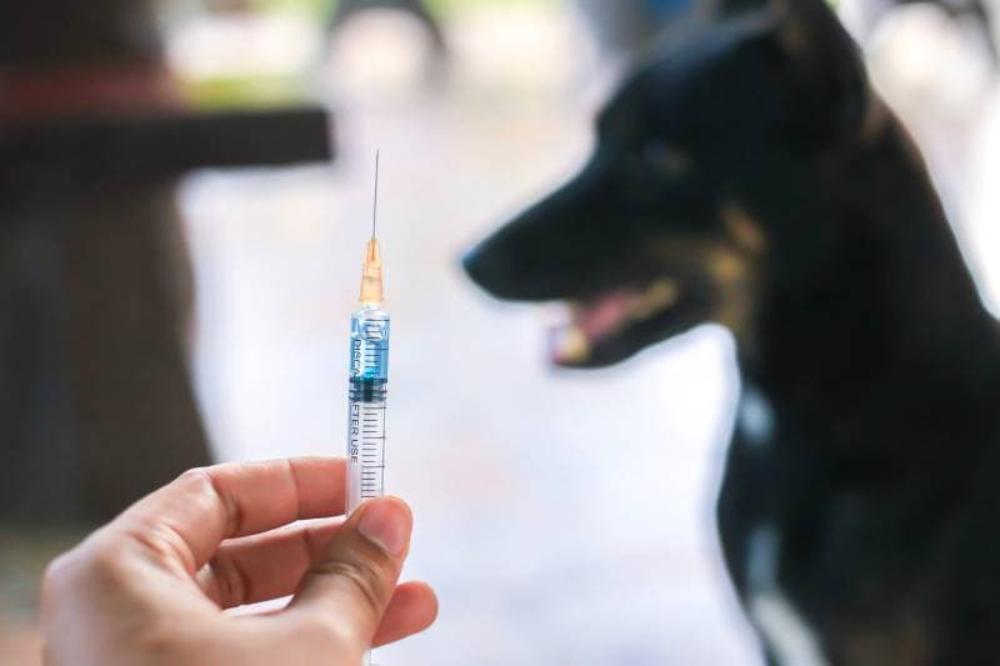
hand holding syringe for rabies vaccine with a black dog in the background
Image Credit: Numstocker, Shutterstock

4. Avoid Brush Where Rattlesnakes Live

Rattlesnakes tend to live near brush and underneath rocks. Remove places they can live near your property by trimming or outright removing brush and picking up big rocks. Exercise caution and use tools to flip over these rocks so you don’t get bit by a sleeping snake. Out in nature, lead your dog away from wooded areas with brush that could harbor rattlesnakes and stick to established trails when possible. By avoiding the places they live and removing appealing hiding spots, you’re more likely to avoid encountering rattlesnakes and keep your dog safe.


5. Act Decisively in Case a Bite Occurs

Sadly, prevention doesn’t guarantee that your dog will never get bitten by a rattlesnake. In case the worst happens, you need to remain calm and act quickly to get your dog immediate medical attention. If possible, you can take a picture of the snake for positive identification, but make sure your dog is okay first. If you have one handy, you can apply an ice pack or something cold to the site of the wound while you get your dog to the nearest emergency animal clinic ASAP.

The vet will be able to diagnose the severity of the bite, including how much damage has been done, and administer antivenom to counteract the venom. The sooner your dog gets the antivenom, the better their chances of making it through with minimal long-term damage.
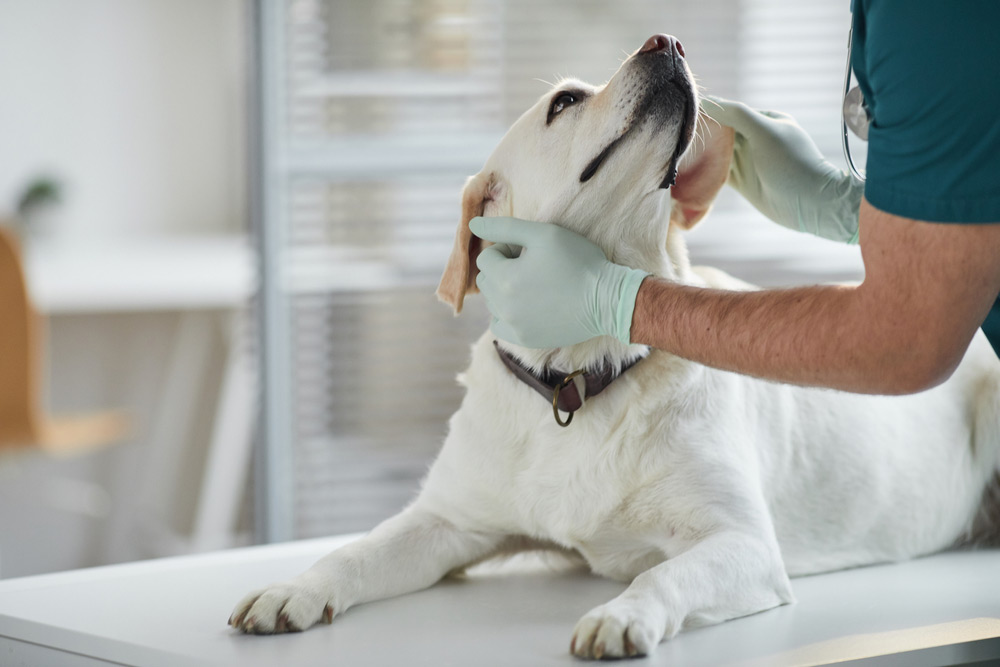
vet checking up labrador retriever dog in the vet clinic
Image Credit: SeventyFour, Shutterstock

divider dog faces oct 2024

Wrapping Up

Rattlesnakes can be deadly to your dog and even cause long-term side effects, making prevention your best ally. Use a leash at all times when going through rattlesnake-infested territory, stay away from likely hiding places like brush or rocks, and get your dog the rattlesnake vaccine to help them fight off the effects of a bite in case it happens. In the event of a bite, stay calm as a cucumber and get your dog to an emergency center as soon as possible!


Featured Image Credit: Hanna Taniukevich, Shutterstock

Want content like this delivered to you?

Sign Up For Our Newsletter

News, insights, expert advice, and everything dog

* By submitting, you agree to our Terms & Conditions and Privacy & Cookies Policy.


How useful was this post?

Click on a star to rate (you can leave written feedback after clicking submit)

Help us improve Dogster for pet parents!

Your feedback really matters.

What did you like about this post? Also how can we improve it?

Join the conversation

Leave a Reply

You’re very welcome to leave a comment or question. Please know that all comments must meet our community guidelines, and your email address will NOT be published. Let’s have a positive and constructive conversation.


Talk With A Vet Online

Peace of mind,
anywhere, anytime

Affordable vet advice

Marigold Shocks Her Owner By Delivering 17 Irish Doodle Puppies in a Single Day

The one question vets hate hearing as they ultrasound expectant canine mothers is “how many puppies are there?” The reason is that, on...

Dogster’s Weekly Photo Contest Winners: Out Adventuring (March 12, 2026)

Every week our team gets the privilege of sorting through our readers photos to choose what dogs will win this weeks contest! See...

Ask Dr. Paola- Help! My Dog Gets Reoccurring UTIs (March 9, 2026)

Welcome to our “Ask Dr. Paola” series, where every Monday we bring expert advice straight from Dr. Paola Cuevas (MVZ) to help our...

DIY Repellents for the Dog Who Thinks Everywhere Is His Toilet

Dog urine and everything nice have a complicated relationship. One thrives, the other suffers, and if you’re reading this, you already know which...

More related

23 Essential Boston Terrier Supplies to Get You Started: 2026 Guide

A new dog is incredibly exciting, especially when you’re finally bringing home your dream Boston Terrier. It’s not just the dog you need...

Maltipoo vs. Maltese: What’s the Difference? (With Pictures)

While they look visually similar, these two breeds have some key differences. They’re both adorable and charming but have different grooming needs and...

Doberman vs Great Dane: Key Differences (With Pictures)

The Doberman Pinscher and Great Dane are loyal and large dogs that make excellent pets. When comparing the two to one another, they...

It’s Not Always the Most Wonderful Time of the Year (If You’re a Vet, Pet, or Pet Parent)

While there are parties for hosting, marshmallows for toasting, and caroling out in the snow, spare a thought for your veterinary team this...

Keep reading

Can Dogs Have Stevia? Vet-Verified Nutrition Facts & Info

Most of us know that sugar is only allowable for dogs in small quantities, but the diverse sugar substitutes available today can leave many unsure about which sweet additives are safe. Since they’re low- or no-calorie alternatives that don’t affect...

Dogster-Can-Dogs-Have-Stevia

11 Best Wet Dog Food for Huskies in 2026 – Reviews & Top Picks

Every Siberian Husky owner knows that these dogs have tons of energy. Huskies require a quality, high protein diet low in carbs to recharge and refuel, making the decision of what to feed an important task. Huskies are extremely active...

husky eating

Can Dogs Eat Goat Cheese? Vet-Verified Nutrition Facts & FAQ

Goat cheese might not be among America’s top 15 most consumed cheeses, but it certainly has its fans. You probably won’t have any problem getting your dog to eat it, but does that mean you should? The answer raises more...

Can Dogs Eat Goat Cheese

Can Dogs Eat Banana Bread? Vet-Reviewed Facts & Safety Guide

Banana bread is a sweet, sticky treat, and it’s the ideal recipe for using over-ripe bananas. Bananas are the star ingredient in banana bread (unsurprisingly), and dogs can safely enjoy bananas on their own without issue (in moderation). So, what...

Can Dogs Eat_banana bread

11 Best Dog Foods for Dental Issues in 2026 – Reviews & Top Picks

Dogs are prone to dental problems just like humans. In fact, according to the American Veterinary Dental Society, 80% of dogs will have some form of dental disease by the time they are 3 years old.1 This can lead to...

Dog teeth zoomed in_Andriyko Podilnyk_Unsplash

10 Best Dog Foods for Colitis in 2026 – Reviews & Top Picks

So, your dog has been diagnosed with colitis. Colitis is a condition of a dog’s colon, the large intestine, or bowels. It is a common, inflammatory disease that is the main cause of diarrhea. Watching the stress and discomfort your...

white and brown dog eating in a food bowl

Can Dogs Eat Couscous? Vet-Reviewed Nutrition Facts & FAQ

Couscous has become an increasingly popular grain in people’s diets because it’s delicious, versatile, and healthy. If you make couscous often and have a dog, you might have wondered if this food is safe to give to your pup. After...

Can Dogs Eat Couscous

Can Dogs Eat Cloves? Vet-Reviewed Health & Nutrition Facts

Cloves add a warm, rich, almost sharp flavor to food and drinks. It’s packed full of inflammation-fighting nutrients that may help ease joint and arthritis pain. But what about dogs and cloves? Although eating a bite of food containing cloves...

Can Dogs Eat_cloves

Love Dogs? So Do We! Join the Dogster Community

Stay informed with expert pet care insights delivered straight to your inbox! Discover professional guidance on animal behavior, feeding tips, trusted product picks, and much more.


Sign up for the Dogster Email Newsletter