How to Keep Dogs From Digging Under Your Fence: 18 Vet-Verified Helpful Tips


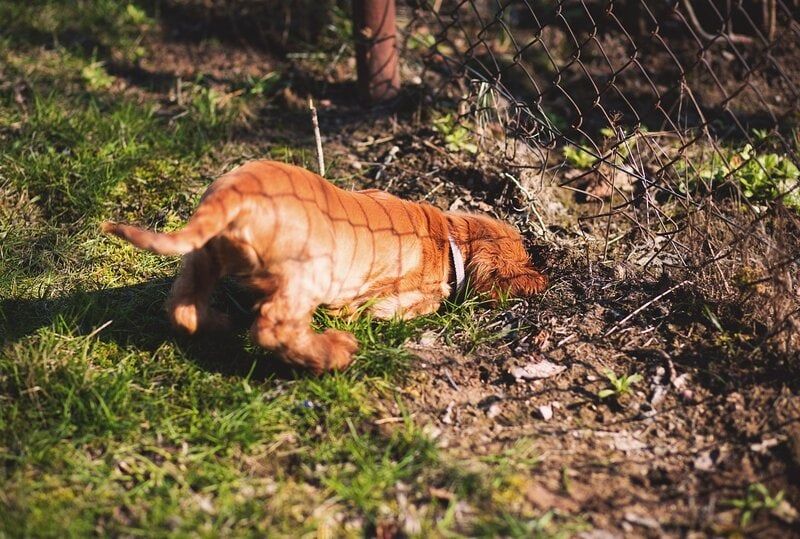
Dogs are known for their boundless energy and enthusiasm. A big part of that is their love of digging. For dogs, digging is not only a fun activity, but it is also a normal canine behavior. The act of digging can help them to relieve boredom, anxiety, and even stress. And, while some people may view digging as destructive behavior, for dogs, it's simply a normal canine behavior.
If your dog is an escape artist and a digger, you're not alone. Many dogs are good at finding ways to get out of their yards and go exploring. While it may be fun for them, it can be worrisome for you. When your dog is digging under the fence, there are a few things you can do to help keep them safe and sound. With a little patience and some creative thinking, you can outsmart even the most clever doggy escape artists to help keep your dog safe and sound at home.

The 18 Tips for Keeping Dogs From Digging Under Your Fence
1. Fill Existing Holes
As we all know, dogs are attracted to holes and the process of digging within them. However, this can pose a problem for dog owners if the holes are located in areas where they are not wanted, such as under a fence. Therefore, it is important to fill up any holes that are present to dissuade the dog from digging there.

2. Bury the Bottom of the Fence
If your dog is constantly digging under the fence, you'll want to take measures to prevent them from doing so. One way to do this is to bury the bottom portion of the fence. This will make it more difficult for your dog to dig underneath and escape.
3. Install Wire Mesh Along the Fence Base
Adding a buried wire barrier along the bottom of your fence can help prevent digging escapes. Instead of thin chicken wire, consider using sturdy hardware cloth (welded wire mesh), which is more durable and less likely to bend or create sharp edges.
For best results, bury the mesh at least 12 inches (30 cm) underground and bend it outward in an L-shape along the ground to discourage digging. Make sure all edges are secured and turned away from your dog to prevent paw injuries.

4. A Layer of Gravel
A layer of gravel or large, smooth rocks placed along the base of the fence can make digging more difficult and less appealing for some dogs. Gravel can also help improve drainage and reduce mud buildup along the fence line.
Choose larger stones rather than small, loose gravel to reduce the risk of ingestion, and monitor your dog to ensure they do not attempt to chew or eat the rocks.
5. Concrete the Fence Into the Ground
Concrete is a material made up of a mixture of cement, water, and aggregates, such as sand or gravel. It is used in construction to create foundations, walls, floors, and sidewalks. When concrete dries, it becomes hard and strong. This makes it difficult for dogs to dig through. A layer of concrete along the fence line will prevent dogs from escaping.

6. Create a Digging Spot
The act of digging is a natural canine behavior that is often exhibited when dogs are bored, anxious, or stressed. By providing your dog with a designated area to dig, you can prevent them from engaging in this behavior in other areas of your home or yard. This will also help to reduce any damage that may be caused by their digging.

7. Spay or Neuter Your Pooch
If your dog is escaping in search of a mate, spaying or neutering may help reduce roaming behavior. Reproductive hormones play a role in mate-seeking and territorial behaviors, so lowering these hormone levels can decrease the motivation to wander. For example, intact males may attempt to escape if they detect a nearby female in heat, while intact females may try to roam during their estrus cycle.
8. Tire Them Out
When you exercise your dog and keep them mentally sharp, you are giving them a chance to burn off energy. This is important because tired dogs have less energy for activities like digging. By exercising your dog, you can help them stay calm and avoid destructive behaviors.

9. Interrupt Their Line of Sight
If your dog is displaying behavior that suggests their digging is seeking to catch prey, it may be beneficial to reduce visual stimulation that may trigger digging attempts. This can be done by planting tall hedges or trees along property boundaries, or by installing privacy fences. This type of obstruction can provide your dog with a sense of security and boundary, which may help to curtail its predatory instincts.

10. Temperature Control
There are a few possible explanations for why your dog might be digging. One possibility is that they are trying to become cooler. Dogs have an instinct to dig to create a cool spot to lie in during hot weather. Another possibility is that your dog is trying to find a warm place to relax. Dogs will sometimes dig to create a cozy spot where they can curl up and relax.
Keep your dog at a comfortable temperature. Offer an outdoor bed to lie in, iced water and shaded spots if it is hot, and heated beds or outdoor shelters if it is cold.
11. Something Is Bothering Them
The source of your dog's worries and resultant digging may be their lack of confidence in the yard. To help them relax and stop digging, you need to identify what is causing their anxiety and address it accordingly. This may involve providing more supervision and/or training or making changes to the layout of the yard. Once your dog feels more confident and comfortable in their surroundings, they will be less likely to dig. Ask a veterinarian for their guidance on identifying the cause of your dog's unwanted behavior.
12. Get Rid of Digging Rodents
Your dog may be digging along the fence line because they detect the presence of burrowing animals such as moles or gophers. Many dogs are highly motivated by movement and scent, and they may attempt to dig in order to chase or catch these animals.
If burrowing wildlife is contributing to the problem, addressing the source may help reduce your dog’s digging behavior. Consider contacting a professional pest control service that uses pet-safe, humane methods. Avoid rodenticides or traps that could accidentally harm your dog, as secondary poisoning and accidental injuries are real risks.
13. Enrich Your Dog’s Life
The digging behavior of some dogs may be the result of boredom or lack of stimulating activities. Dogs that are bored or not given enough mental and physical stimulation may start to dig holes as a way to relieve boredom or pent-up energy. While this behavior may be considered destructive by some, it is important to provide dogs with an outlet for their energy and to ensure they have plenty of toys, bones, and other chewables to keep them occupied.

14. Protective Landscaping
One method of keeping your dog from digging under your fence is to create an unappealing barrier around the perimeter of your property. This can be done by planting non-toxic bushes along the surface of the ground, for example. The bushes will provide a physical barrier that will make it more difficult for your dog to dig under the fence.
15. Keep Your Eye on Them
It is important to keep an eye on your dog when they are outside to make sure they are not doing something that could harm them or someone else, like digging under the fence. If you see your dog start to dig, quickly stop them by calling their name to get their attention. Once they have stopped, praise them for listening and give them a treat if you have one.

16. Avoid Punishing Your Dog for Digging
Punishing a dog for digging is unlikely to resolve the behavior and may even make it worse. Dogs do not connect delayed scolding with something they did earlier, so reprimanding them after you discover a hole will only cause confusion.
Even interrupting digging with harsh corrections can increase anxiety or damage your relationship with your dog. Instead of punishment, calmly interrupt the behavior if you see it happening and redirect your dog to an appropriate activity, such as a designated digging area or an engaging toy.
17. Use Only Safe Deterrents
There are a variety of products on the market that claim to deter digging, but many of them contain ingredients that can be harmful to dogs if ingested. Some common ingredients in these products include capsaicin, citric acid, and essential oils, which can cause gastrointestinal upset or even poisoning if your dog comes into contact with them. If you're looking for a way to deter your dog from digging, try using a physical barrier instead.

18. Do Not Tie Your Dog to Prevent Digging
Tethering or tying a dog out is not an appropriate solution for digging behavior. Leaving a dog tied up, especially without close supervision, can pose serious risks. Dogs can become tangled in their tether, which may lead to injury, distress, or even strangulation. A tethered dog is also more vulnerable to attacks from other animals and may be unable to escape perceived threats.
Most importantly, tethering does not address the underlying reason for digging.

Conclusion
In conclusion, if you are having trouble with your dog digging under your fence, try one or more of the solutions above, such as burying chicken wire along the base of the fence, setting up a physical barrier like cement, or providing your dog with an alternate place to dig, such as a sandbox. With a little patience and effort, you can keep your dog from digging under your fence and ruining your perfectly manicured lawn.
Featured Image Credit: freestocks-photos, Pixabay
Expert dog care, straight to your inbox
News, insights, expert advice, and everything dog.

No spam — unsubscribe anytime.
By signing up, you agree to our Terms & Conditions and Privacy & Cookies Policy.
How useful was this post?
Click a star to rate. You can leave written feedback afterwards. (We read all feedback.)
Nicole has loved animals of all sizes her whole life so it's no wonder she has dedicated her career to helping them through what she loves best: learning, writing, and sharing knowledge with others. She’s the proud mom of two dogs, a cat, and a human. With a degree in Education and 15+ years of writing experience, Nicole wants to help pet parents and pets around the planet to live happy, safe, and healthy lives.