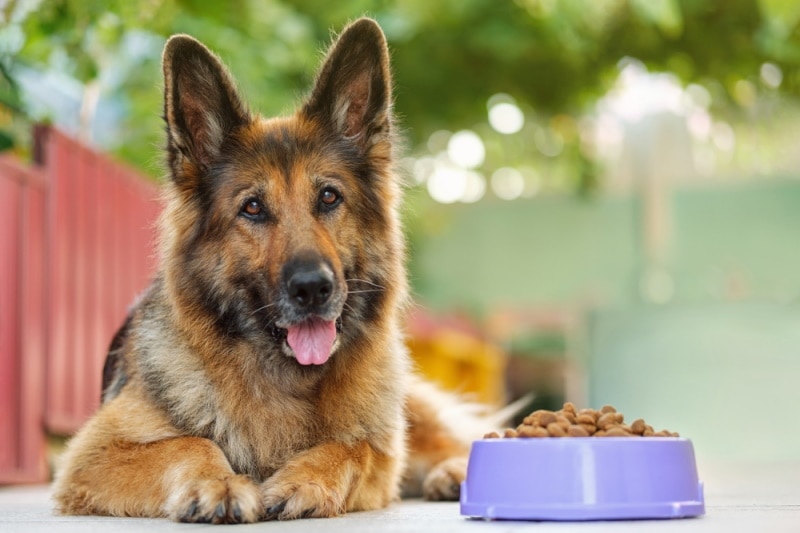
Getting a dog isn’t all sunshine, frisbees, and couch cuddles; it’s also a lot of hard work in planning how the dog is taken care of amongst your family, as well as continuing efforts on everyone’s part to keep your dog happy, healthy, and safe. Dogs can run amok if you let them, which makes it necessary to set common sense house rules for their behavior.
Like kids, it takes some time to teach them how things work and where the boundaries are. Let’s talk in more detail about specific house rules you can implement for your dog before they come home down below.

The 8 House Rules to Set for Dogs
Before we get into the house rules for your new dog, understand that training is the key to enforcing their behavior. If you want them to behave in a certain way, then you need to positively reinforce that behavior. Treats are often the best way to do this, but praise and pets work as well.
1. Where Your Dog Is Allowed to Go
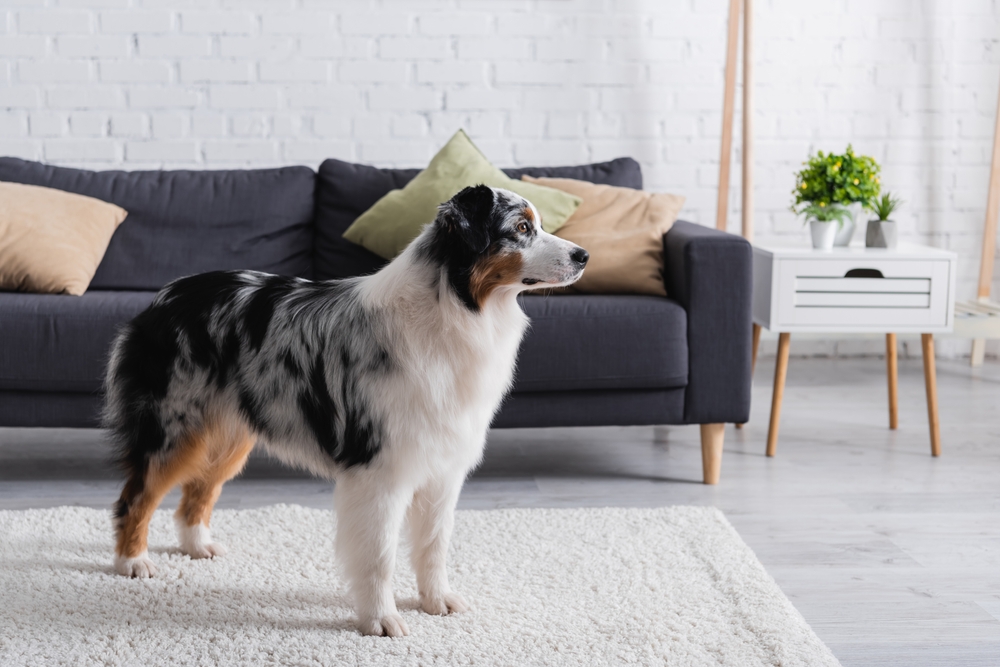
One of the most pressing house rules for dogs is where they can go and where they’re explicitly not allowed. Well-trained dogs can be allowed more leeway here, while young puppies should be watched and possibly confined to certain areas. Baby gates can help fence off where they’re allowed to go as a pup, but they won’t work long for big breeds. Anywhere your dog shouldn’t go should be kept shut or physically blocked off. Keep your home office and kids’ rooms shut when your dog is loose, for instance.
If you have a yard, we recommend securing it against inquisitive escape artists. Chain-link fences can do the job fine for small to medium breeds, while higher wood picket fences may be more appropriate for a Husky or German Shepherd. Small gaps can be secured with chicken wire as needed, but make sure it’s really nailed down or else determined pooches can pry it loose.
Of course, all of this needs to be taught to your dog as well. Practice some simple commands, like “sit” and “stay.” Don’t forget to use positive reinforcement whenever your dog acts in the way that you like, such as if they sit just outside the door of a room that is off-limits while you’re inside.
2. Furniture Rules

You should decide before your dog comes home whether they’ll be allowed on furniture, only specific furniture, or not on your human furniture at all. Dogs, especially puppies, can scratch or chew on furniture, so you may wish to buy furniture covers for your nice sofa. Whether you let your dogs on the furniture or not, they should have a nice, comfortable dog bed in a relatively private area. Dogs like comfort too!
Establishing furniture rules early is vital because when they’re bigger, you’ll have a hard time wrangling your full-sized dog off the bed. Training your dog to only get on furniture with specific commands can help if some furniture is OK’d for dog use. For example, training them to only climb up when you say “up.” Consistency is key here.
3. Responsibilities for the Dog

Nobody likes talking brass tacks, but you need to get your whole family on the same page when it comes to pet responsibility. Keeping your dog safe and healthy will take work and the duties associated with pet ownership can cause division when tackled without careful planning. Clearly delineate who is responsible for what and when—whiteboards are good for clearly divvying up pet responsibilities.
This includes a feeding schedule, potty routine, morning routine, training, and so on. Of course, you need to work this into everyone’s schedules. Maybe one person takes night classes but offers to do morning walks and feedings, and the other person can take care of the dog in the evening. Split things up as appropriate and make sure to talk to your family about any updates or irregularities in your dog’s routine. You’d be surprised how much clear communication makes a difference to smooth things over, for both the family and the dog.
4. Sleeping Arrangements

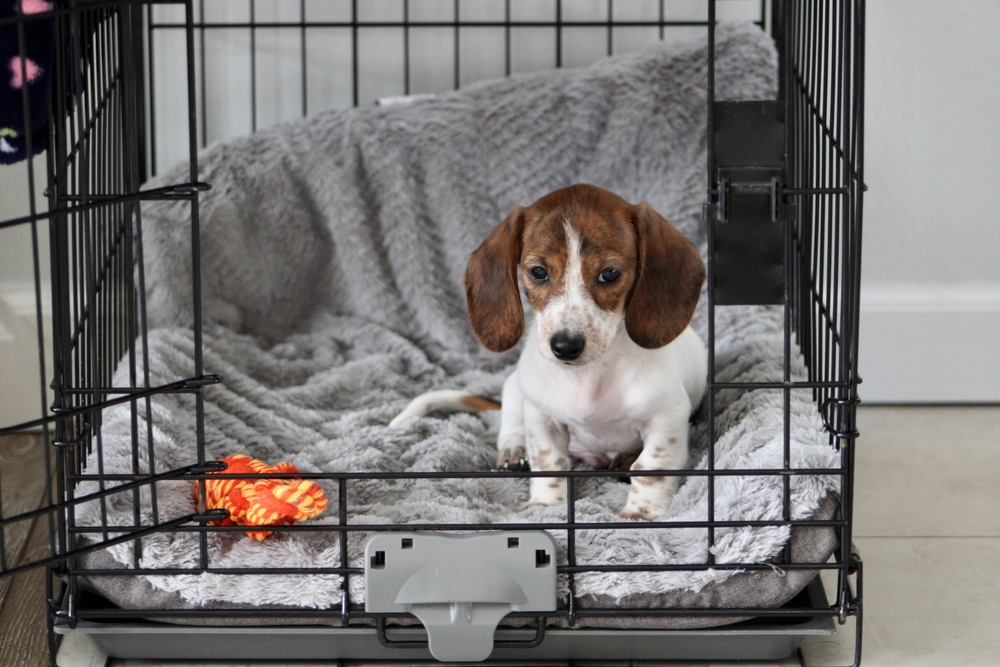
It seems obvious, but your dog will need somewhere to sleep. Bigger dogs will need a bigger crate and/or dog bed, while small dogs are more compact and manageable if your home has limited space.
If you’re crate training them, your dog’s crate should be somewhere close enough to hear if your pup needs to go out in the middle of the night. Some other people put the crate farther away because their puppy is whining due to separation anxiety. What works for your family will depend on whether you crate train them, how well the dog takes to it, and where they’ll feel most comfortable.
5. Table Scraps and Begging

Dogs can quickly develop a taste for human food, so you want to decide whether you’ll be indulging your dog when it comes to table scraps. Human foods are often cooked with salt, seasonings, and other ingredients that your dog doesn’t need. At worst, they may contain toxic additions like onion or garlic. Some foods like lean chicken, beef, lamb, or turkey are great for dogs to eat daily as long as they’re served plain.
It’s healthiest for your dog to not eat table scraps since they get everything they need from a balanced kibble, but it’s up to you. The whole family should understand whether they’re allowed to feed the dog table scraps, what foods are acceptable, and when the dog doesn’t get table scraps.
You also need to consider begging. This doesn’t bother some pet owners, but it’s really better if your dog understands that begging isn’t acceptable and doesn’t mean that they can get what they want. To counteract this, you might have your dog go to their kennel whenever you’re eating at the dinner table.
6. Houseguest Boundaries
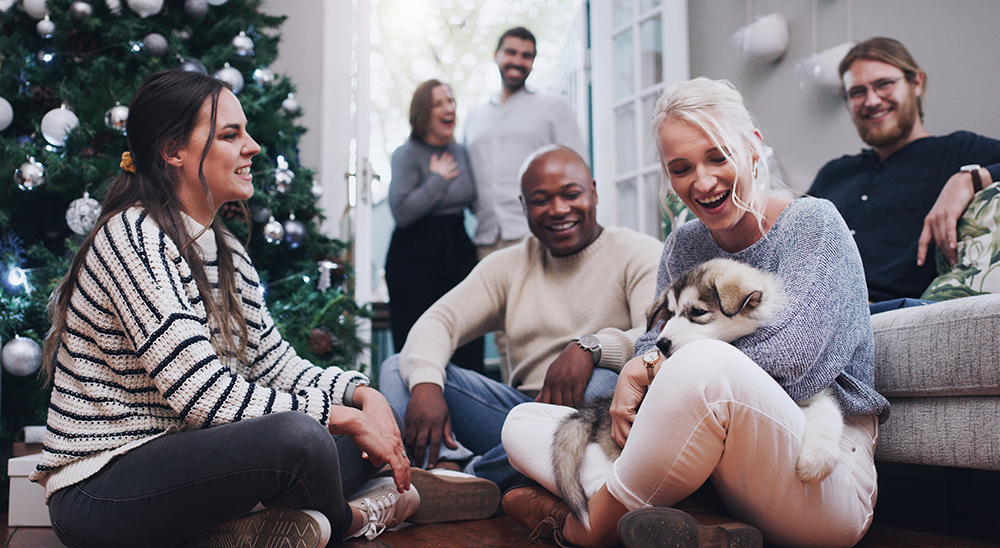
Having a dog and houseguests at the same time can be tricky because dogs like to jump on people. Friendly breeds that like people are more likely to be excitable in this way. The family will need to know proper protocol on what happens with the dog when people are over. Do they go in a dog-proofed room, in their crate, on a special mat, or outside in the yard for some playtime? Who will take responsibility for the dog while guests are over?
If you opt to not put your dog away for guests, you’ll need to train them how to behave around people. Socialization for that can take some time, so we recommend always having a plan B.
7. Training Expectations
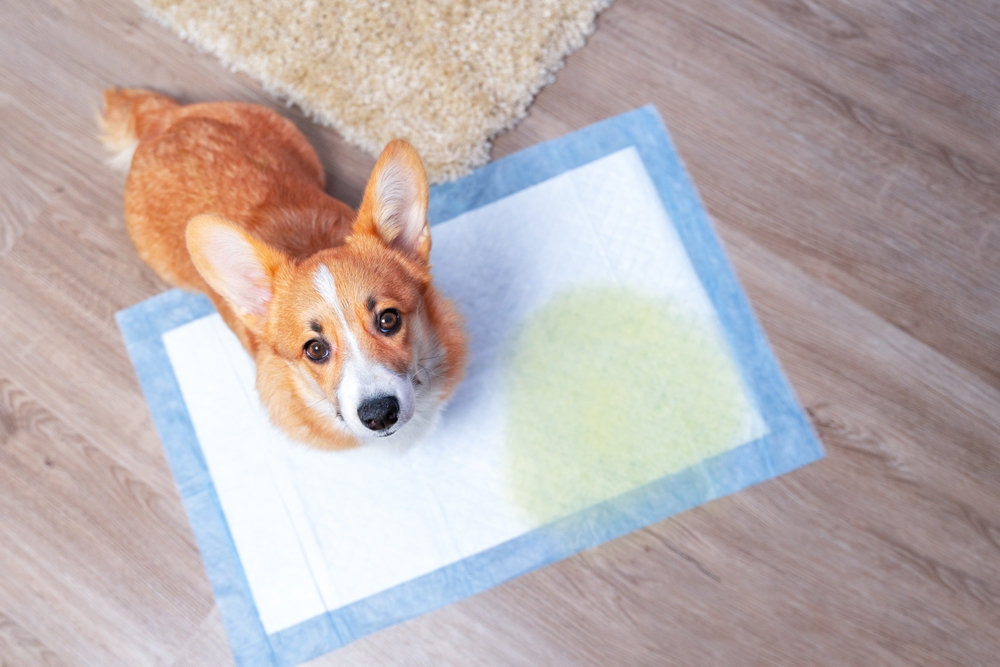
Dog training encompassing basic obedience commands is essential for the growing dog and their family. Everyone should learn how to properly use positive reinforcement to establish clear boundaries and expectations for your dog. Rather than scolding bad behavior, you should strive to ignore bad behavior so that you don’t accidentally reinforce it. The key to positive reinforcement and successful training is offering a clearly defined reward—a piece of plain chicken, for example—for a desired behavior.
You’ll have to set up a training schedule with shorter sessions. Aim for 5 minutes per session for a 6-month-old dog, and slowly ramp it up if they show interest. Dogs have very short attention spans, so it’s important you don’t overdo it. Too many training sessions can actually be counterproductive in some cases! If you’re feeling lost in your training efforts, you can enlist the help of a professional dog trainer who can help give you pointers on dog body language and set up a viable schedule for your home.
8. Crate Training
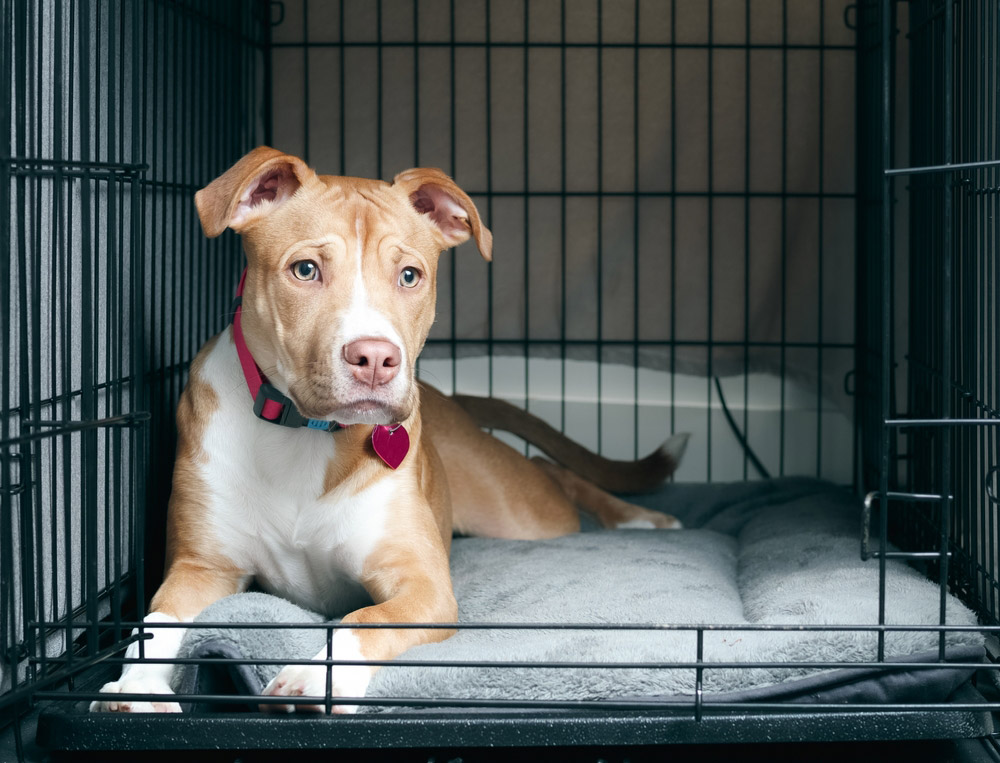
If you’re not planning to crate train, skip this. However, crate training can be a helpful way to safely confine your dog when used properly and not abused or used as a punishment.
A dog’s crate should be their safe haven. To introduce it, leave the crate with the door open in a public place for your dog to investigate. Do this before ever using the crate to confine your dog. Your dog’s crate should have a comfy dog bed if they won’t chew it up, as well as some toys to help keep them occupied when in the crate. After they sniff around, you can get them used to being inside with the door open. Then you can progress to closing the door for progressively longer periods of time.
Crate training can be a way to keep your dog safe when used properly. For instance, you can begin teaching your dog a command like “Bed,” or “Go to your crate,” to go to their crate as soon as they begin using it. They may not get it at first, but using a reward and showering them with praise will quickly form a positive association in their little doggy mind. Consistency and positive reinforcement will get your dog used to their crate and even help them love it.

Final Thoughts
Preparing for a new dog can be harrowing, but it doesn’t have to be if you approach it with a methodical mindset. Write down a schedule with everyone’s responsibilities, establish basic boundaries like where your dog sleeps, and get on the same page with training efforts. It takes some work to come up with something that works for the whole family, but a furry new four-legged family member makes it all worth it!
Featured Image Credit: Prostock studio, Shutterstock
 The 8 House Rules to Set for Dogs