Can Cats & Dogs Share Water Bowls? Vet-Verified Facts & FAQ


In this article
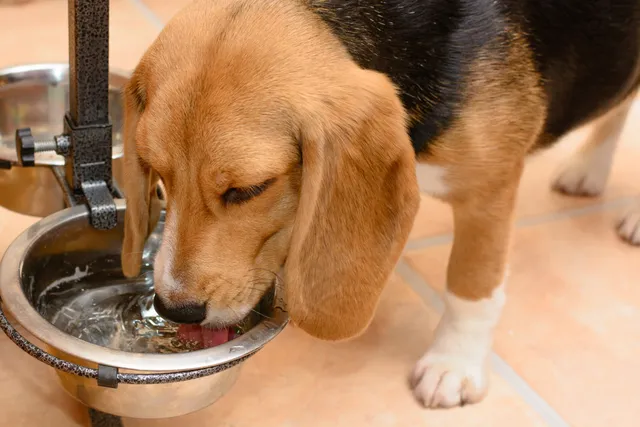
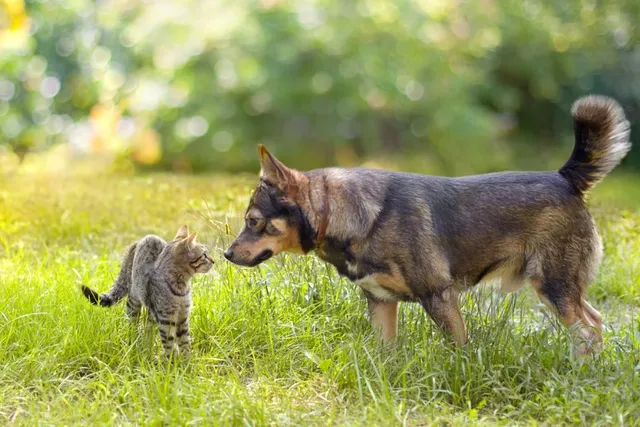
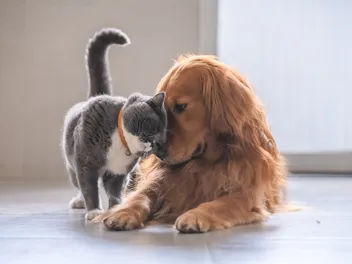
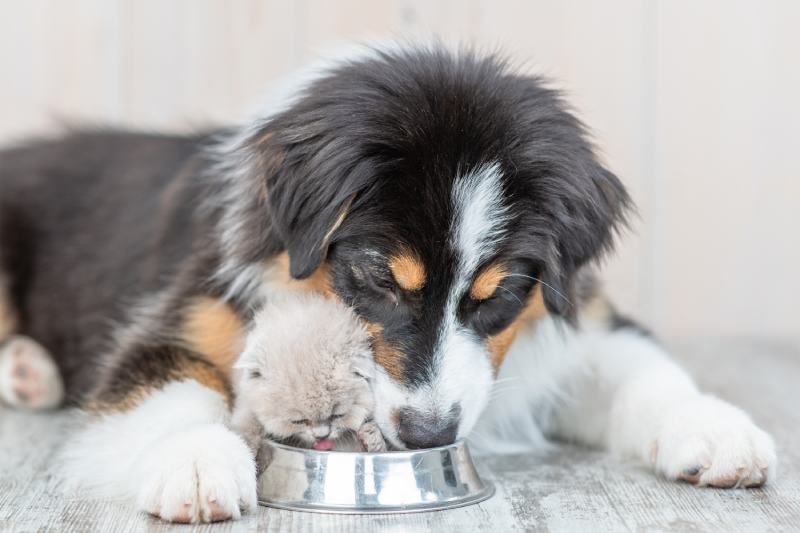
Dogs and cats are the two most popular pets in the United States and we know that it’s crucial to their health that they drink plenty of water every day. Despite how they are often portrayed, many dogs and cats live together in harmony. In households like this, pet parents may want to know if it is safe for the cat and dog to share water bowls. You’ll be glad to know that drinking from the same bowl poses no overt health risks for either pet, provided they are both healthy. There are, however, several stipulations to this statement.
Below we’ll discuss sharing water bowls, keeping your pets hydrated, and how to persuade them to drink enough water to stay healthy.

Should Cats and Dogs Share a Water Bowl?
While it is perfectly safe for healthy dogs and cats to share a water bowl, it isn’t something they should be forced to do.
Cats in particular can be quite picky about their water source, and may not appreciate the slobber, grass, food crumbs etc, that your dog may leave behind! Obviously, not all dogs are such sloppy drinkers, but plenty of them are!
Equally, it is not uncommon for our cats to rule the roost, and we don’t want our dogs being scared away from their water source by a feisty feline.
With this in mind, there should be drinking bowls that each can call their own, but if they happily drink side-by-side, this is a beautiful and perfectly harmless practice.

Are there any Risks from Dogs and Cats Sharing Water Bowls?
If your dog and cat are healthy, the risk of occasionally sharing a water bowl is extremely low. However, since both pets can be exposed to pathogens and illnesses outside of your home, sharing a bowl might pose several risks, especially if yours is an outdoor cat.
Parasites, viruses, and bacterial infections can all be transmitted via shared food and water bowls, and there are quite a few that can infect both cats and dogs. These risks can be minimized with regular vaccinations, flea and worm treatment of your pets, and daily cleaning and disinfecting of their bowls.
Lastly, there's always the risk of aggression when a dog and cat are forced to share the same water bowl. Even pets raised together can become aggressive with one another when competing for resources.
What Benefits Do Cats and Dogs Get from Drinking Water?

Water is essential to all living things. Maintaining good hydration levels is important for your cat and dog’s survival, and performs numerous roles,1 including:
- Facilitates the passage and digestion of food through the digestive system
- Aids in temperature regulation
- Contributes to lubrication of joints
- Keeps blood and oxygen circulating through the body
- Removing toxins from the body
- Keeps electrolytes balanced, and maintains homeostasis
What Kind of Water is Best for Dogs and Cats?
Most tap water is safe for dogs and cats, but some sources may contain high levels of chlorine used for purification, which some cats can detect and not enjoy the taste of. Besides tap water, the other types of water you can give your dogs and cats include:
- Filtered water: This is one of the easiest and cheapest ways to improve the quality and flavor of your tap water. You can install a filter into the water supply, or use filtered water jugs or dispensers. Pet water fountains usually include a filtration system, and are a great option that we will explore later.
- Purified water (eg. spring water, bottled water): This is water that’s been purified to remove chemicals, toxins, and other contaminating particles. Sometimes minerals are removed, also, which makes them clean, but less beneficial in terms of nutritional value.
Although distilled water does not contain contaminants, it lacks minerals that benefit your cat and dog. Products like Smart Water are distilled water with the electrolytes replaced, which is very safe for cats and dogs, but also an expensive and unnecessary option. Filtered tap water is much healthier and cheaper than distilled water.
Should You Give Your Cat and Dog Bottled Water?
In situations where the tap water is unsuitable for drinking, then bottled water is the ideal option. Depending on the mineral content etc. of your water at home, some pets will still refuse to drink it, even if it is filtered. In these cases, bottled water is a very safe alternative.
However, sometimes the problem isn’t with the water, but the bowl.

What Type of Water Bowl is Best for Cats and Dogs?
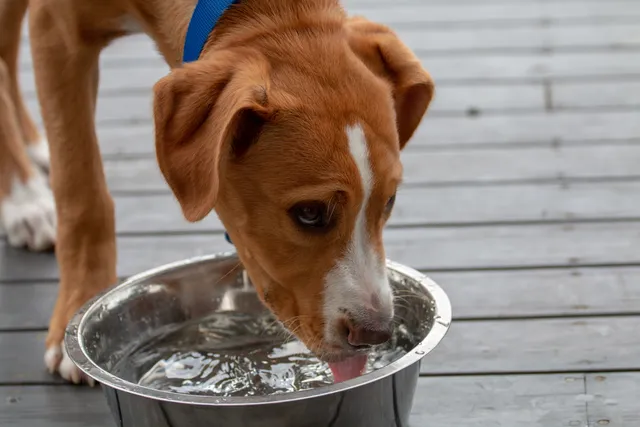
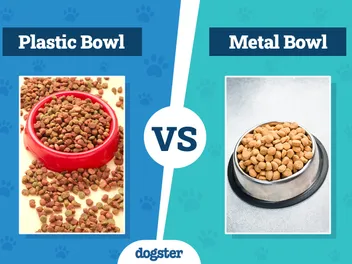
Plastic is a common and cheap material for bowls, but not necessarily the best option for water. The biggest problem with plastic water bowls is that they can become damaged by scratches. Even if they’re so small you can’t see them, micro-scratches in plastic are a favorite hiding place for germs and bacteria that can make your dog or cat sick, or affect the taste of the water. Therefore, veterinarians recommend using either stainless steel or ceramic water bowls for both cats and dogs. Here are some top tips for providing your canine and feline friends with the most appealing water sources at home:
- Size: cats prefer a wider, more shallow bowl that stops their whiskers from hitting the sides, and allows them to keep an eye on their surroundings. Aim for a water bowl that is twice the width of your cat’s (or dog’s) head; whichever is bigger.
- Location: make sure you place at least one bowl on a higher level that only your cat can reach, preferably somewhere away from too much activity. Always place water bowls away from food and litter boxes to avoid contamination.
- Material: as mentioned above, stainless steel or ceramic bowls are the best in terms of cleanliness and keeping water cool. Your pets may have a preference, so there may be some trial & error involved.
- Freshness: water should be changed at least once a day, more often on warmer days. This is particularly important if your cat and dog share.
- Temperature: no one likes to drink tepid water. On hot days, top up your pet’s water with water fresh from the fridge, or add some ice cubes to their bowl.
- Movement: Cats in particular like to drink from a moving water source, which is why you often see them loitering around a dripping faucet. Water fountains are an excellent way to keep your pet’s water clean, fresh, filtered, and appealing.
Our Favorite Products
| Image | Product | Details | |
|---|---|---|---|
|
Hepper Stainless Steel Water Fountain |
|
Check Price |
|
Hepper NomNom Water & Food Bowl |
|
Check Price |
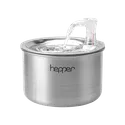
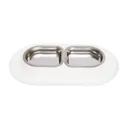
We've taken the guesswork out of it and tried a few premium products we highly recommend. Our favorite bowl is the Hepper NomNom Cat Bowl. Two elevated stainless steel, whisker-friendly dishes sit secured to a moat-style base, designed for comfortability and mess prevention. The Hepper Stainless Steel Cat Water Fountain is our top choice for water fountains. Triple filtration, adjustable water flow speed, and an ultra-quiet design make this a excellent choice. As an added bonus, this pair is modern and seamlessly fits in with all homes, unlike unsightly traditional bowls.
At Dogster, we've admired Hepper for many years, and decided to take a controlling ownership interest so that we could benefit from the outstanding designs of this cool pet company!
Are Water Fountains a Good Choice for Dogs and Cats?
Water fountains are particularly popular for cats because they solve many problems cats have when it comes to water. For example, fountains keep the water fresh and moving instead of standing still, which cats like, as do plenty of dogs.
The question of whether to get a water fountain for your cat and dog is one of size and practicality. There are some large water fountains on the market, some with capacities of a whopping 450 fl. oz (13.3L). This means that there are fountains large enough to accommodate even large dogs, but they are going to take up a lot more space than an average water bowl.
If you’d prefer something smaller, it would be worth using a smaller fountain as your cat-only water source, with a larger bowl down at ground level.
The benefit of a water fountain is that, apart from a daily top up, you only need to clean them around once a week. The downside is that, due to the multiple parts, when you do have to clean them, it’s fiddly and time consuming.
Price-wise, you might be surprised to learn that there are many options around the $30, with the most expensive just over $100, which makes them a pretty affordable investment.

Should Cats and Dogs Share the Same Food Bowl?
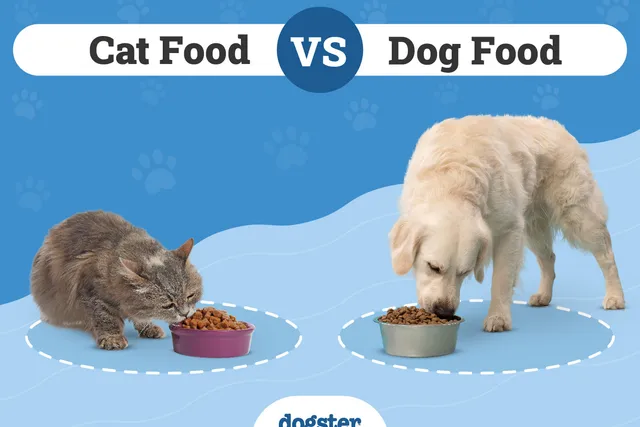
Although eating a little bit of cat food or dog food won’t be a big deal for your dog or cat, sharing a food bowl is not recommended. The main reason is that cats and dogs have different nutritional needs. If all your cat ate was dog food, or vice versa, each would eventually show signs of sickness and ill health because they wouldn’t get the nutrients their bodies need to function optimally. Additionally, food is a much higher value resource than water, and more likely to cause disputes between the two.
Final Thoughts
If your cat and dog get along well enough to share a water bowl and they are both in good health, then this practice is perfectly safe. It is important to ensure that there is more than one water source available, however, so that they have the option of not sharing. One way to achieve this is to provide your cat with a drinking fountain at a higher level, with a larger bowl at ground level (or another fountain!). This is a great way to offer an appealing water source for your cat, whilst providing for them both. The main risks associated with sharing bowls are the risks of also sharing diseases and parasites, which can be reduced with regular flea & worm prevention, routine vaccination, and regular cleaning of the water bowl. If there is any friction at the household watering hole, be sure to provide each of your pets with a safe and secure place to drink, to avoid any fights or resource guarding.
Sources
Featured Image Credit: Ermolaev Alexander, Shutterstock
Expert dog care, straight to your inbox
News, insights, expert advice, and everything dog.

No spam — unsubscribe anytime.
By signing up, you agree to our Terms & Conditions and Privacy & Cookies Policy.
How useful was this post?
Click a star to rate. You can leave written feedback afterwards. (We read all feedback.)
Greg Iacono is a self-taught writer and former chiropractor who, ironically, retired early due to back problems. He spends his time writing scintillating content on a wide variety of subjects. Greg is also an accomplished video script writer known for his ability to take a complex subject and make it accessible for the layperson.
Before retiring from chiropractic, Greg had clinics in 3 different countries, including the U.S., Belgium, and Peru. When not writing, Greg spends his time traveling, riding his motorcycle, and doting on his 7-year-old daughter, Valery. He also has a massive Lego city he built with his son, Alex, and is very proud of his daughter, Catherine, an accomplished graphic artist.