Get

In Your Inbox

Dogster is reader-supported. When you buy via links on our site, we may earn an affiliate commission at no cost to you. Learn more.

Is Coconut Oil Okay for Dogs? 8 Reasons to Try It (Vet Answer)

Share

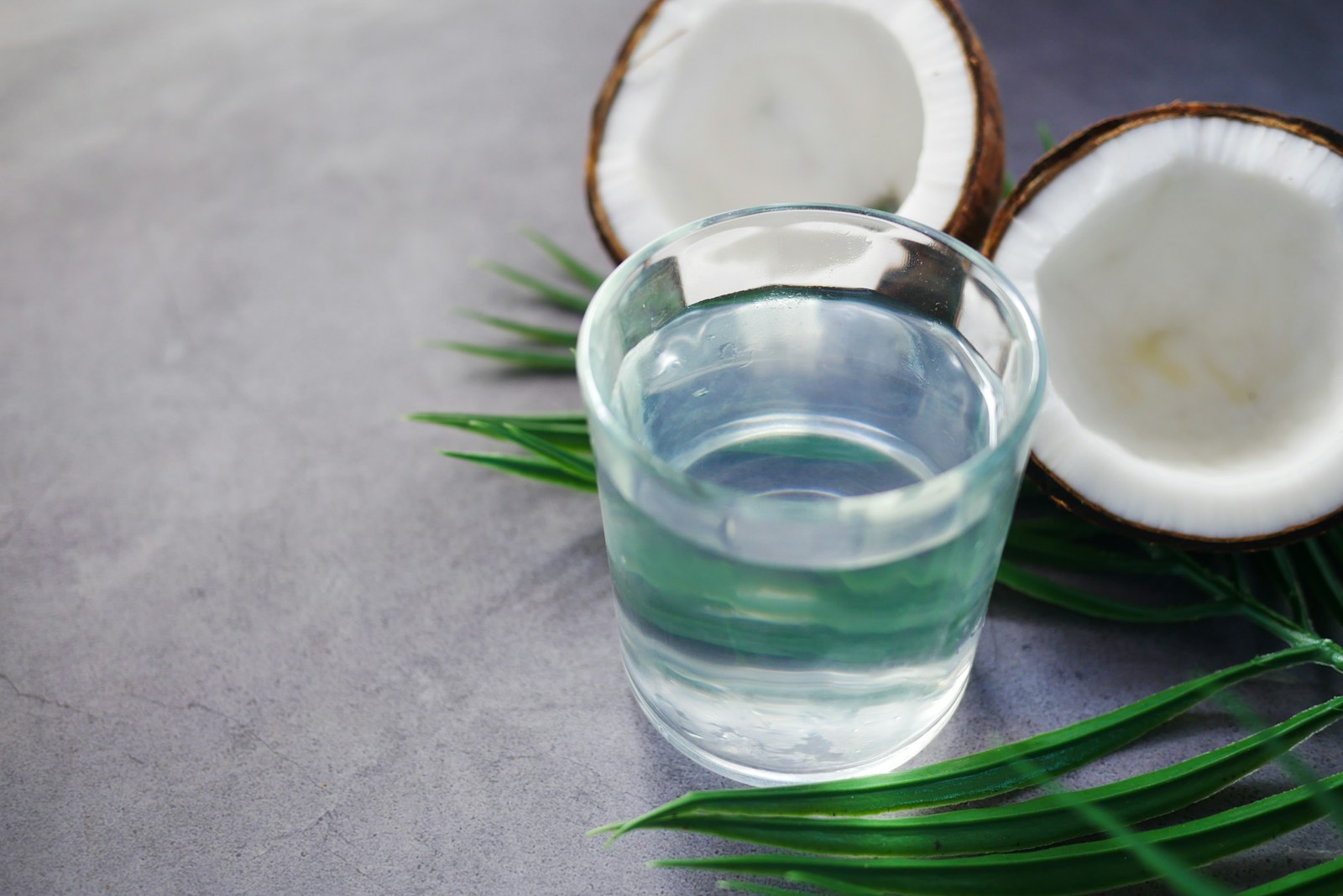
coconut oil in a glass

Coconut oil is produced by pressing the meat inside the coconut to extract the liquid used for making the oil. In its purest form, such as virgin coconut oil, it has wide-ranging health benefits compared to refined or processed oil. Therefore, there may be positive benefits to adding coconut oil to your dog’s diet. It contains fatty acids and saturated fats that may promote healthy skin, hair, and nails. There may also be anti-inflammatory properties that are useful for inflammatory conditions.

Not all dogs enjoy eating coconut oil, though, and it may also cause gastrointestinal upset. Before adding coconut oil to your dog’s diet, discuss this ingredient with your veterinarian to minimize any side effects or health issues that might occur.

Some dogs may develop diarrhea, and in others, it may trigger an allergic reaction if they are allergic to any of the ingredients. Coconut oil also adds calories, which may lead to weight gain. The high-fat content can be detrimental to dogs with a history or tendency to develop pancreatitis.

That said, if your veterinarian has deemed coconut oil to be safe for your dog, there are a few good reasons to try it. However, none of the touted benefits of coconut oil are guaranteed, as research efforts are ongoing, particularly in veterinary medicine.

divider single dog paw oct 2024

The 8 Reasons to Try Coconut Oil For Your Dogs

1. Decrease Inflammation

Applied topically or taken internally, coconut oil may help reduce inflammation in the body, such as inflammation due to joint disease and arthritis.
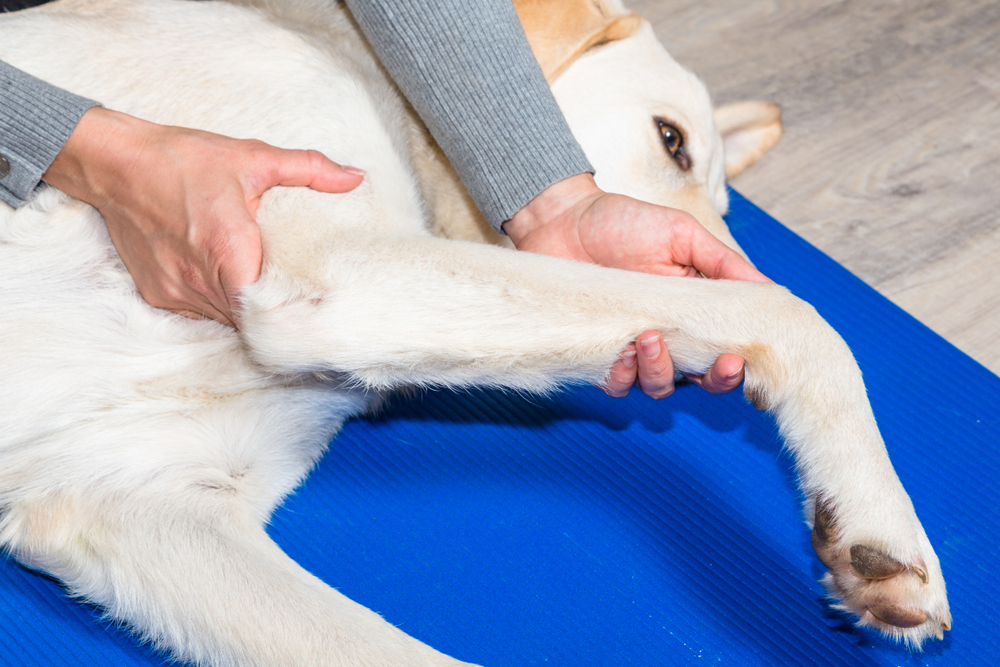
woman massaging dog's leg
Image Credit: msgrafixx, Shutterstock

2. Prohibit the Growth of Harmful Bacteria and Fungi

The antibacterial and antifungal properties of coconut oil may inhibit the growth of harmful microorganisms that could lead to infection. Lauric acid is a medium-chain triglyceride found in coconut oil that may help kill and/or limit the growth of certain bacteria. In this way, coconut oil may promote healing.

Always check with your vet before adding coconut oil to your dog’s diet.

If you need to speak with a vet but can't get to one, head over to PangoVet. It's our online service where you can talk to a vet online and get the advice you need for your dog — all at an affordable price!

PangoVet_Mention-in-Content Savings V1


3. Aid Digestion

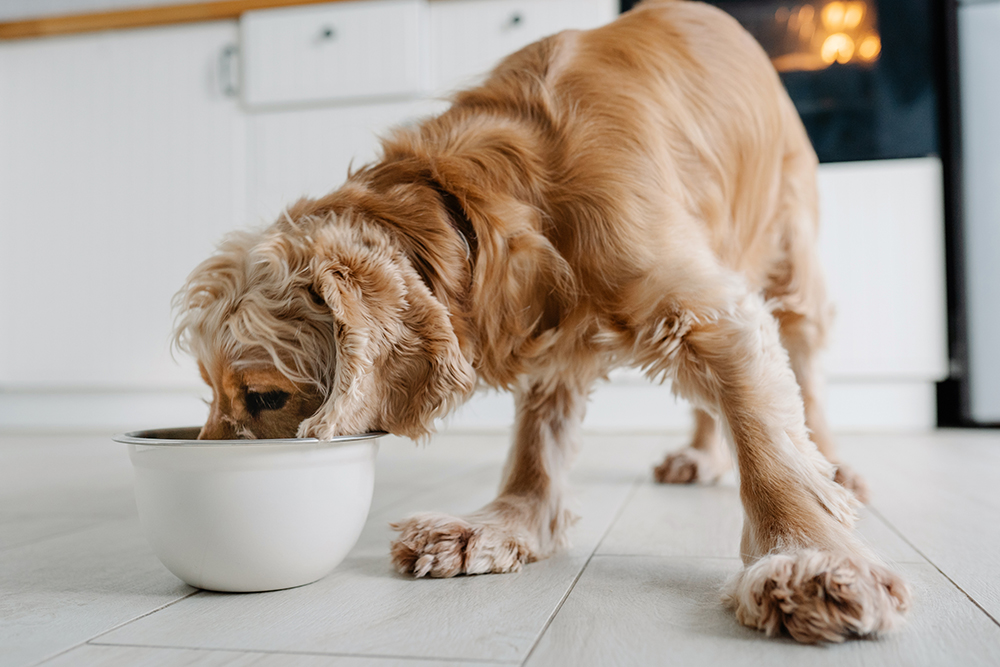
The properties of coconut oil may improve your dog’s digestion and nutrient absorption.
English cocker spaniel dog eating in the kitchen
Image Credit: Switlana Sonyashna, Shutterstock

4. Improve Skin and Hair Coat

Coconut oil may decrease skin dryness and improve the appearance of the coat, whether applied topically or given orally as a supplement.


5. Prevent Odors and Bad Breath

The antibacterial and antifungal properties of coconut oil may help inhibit the bad odors associated with bacterial and fungal overgrowth.

a happy woman with her jack russell terrier dog
Image Credit: New Africa, Shutterstock

6. Decrease Cognitive Decline

The fatty acids in coconut oil may help prevent brain-aging changes.


7. Improve Energy

Coconut oil is rich in medium-chain triglycerides, which are types of saturated fat. They can serve as a rapid source of energy.

happy and excited Petit Basset Griffon Vendeen running dog sports
Image By: Cavan-Images, Shutterstock

8. Help With Certain Medical Conditions

Antioxidants in coconut oil may prevent free radicals from forming in the body. This can reduce the risk of the development of chronic or degenerative diseases.

If you are seeking the best possible treatment for your pup, we recommend speaking with a vet.

divider single dog paw oct 2024

Final Thoughts

While coconut oil may have various benefits, including skin moisturization and antioxidant properties, it should be offered to your dog in moderation. Some dogs may experience diarrhea, pancreatitis, or weight gain or have an allergy to it. Research into the health benefits of coconut oil is ongoing, particularly in canines. As a precaution, it is best to discuss this topic with your veterinarian before adding it to your pet’s diet.


Featured Image Credit: Towfiqu barbhuiya, Unsplash

Want content like this delivered to you?

Sign Up For Our Newsletter

News, insights, expert advice, and everything dog

* By submitting, you agree to our Terms & Conditions and Privacy & Cookies Policy.


How useful was this post?

Click on a star to rate (you can leave written feedback after clicking submit)

Help us improve Dogster for pet parents!

Your feedback really matters.

What did you like about this post? Also how can we improve it?

Join the conversation

Leave a Reply

You’re very welcome to leave a comment or question. Please know that all comments must meet our community guidelines, and your email address will NOT be published. Let’s have a positive and constructive conversation.


Talk With A Vet Online

Peace of mind,
anywhere, anytime

Affordable vet advice

Marigold Shocks Her Owner By Delivering 17 Irish Doodle Puppies in a Single Day

The one question vets hate hearing as they ultrasound expectant canine mothers is “how many puppies are there?” The reason is that, on...

Dogster’s Weekly Photo Contest Winners: Out Adventuring (March 12, 2026)

Every week our team gets the privilege of sorting through our readers photos to choose what dogs will win this weeks contest! See...

Ask Dr. Paola- Help! My Dog Gets Reoccurring UTIs (March 9, 2026)

Welcome to our “Ask Dr. Paola” series, where every Monday we bring expert advice straight from Dr. Paola Cuevas (MVZ) to help our...

DIY Repellents for the Dog Who Thinks Everywhere Is His Toilet

Dog urine and everything nice have a complicated relationship. One thrives, the other suffers, and if you’re reading this, you already know which...

More related

Are Border Collies Hypoallergenic? Vet-Verified Breed & Allergy Facts

Border Collies are extremely active and fun dogs that often become beloved companion animals for many individuals and families. While these dogs can...

11 Best Dog Foods for Dental Issues in 2026 – Reviews & Top Picks

Dogs are prone to dental problems just like humans. In fact, according to the American Veterinary Dental Society, 80% of dogs will have...

How Many Dogs Die in Car Accidents Each Year? Vet-Verified Facts & FAQ

Did you know that it’s estimated by the National Highway Traffic Safety Administration (NHTSA) that 42,939 people died in car accidents in 2022?1...

19 Essential Golden Retriever Supplies to Get You Started: 2026 Vet-Reviewed Guide

With their gorgeous blond locks and constantly wagging tails, it’s no wonder that golden retrievers are one of the most popular and well-known...

Keep reading

Can Dogs Eat Walnuts? Vet-Verified Facts & Safety Tips

Dogs can eat many foods that humans eat, and you can enjoy sharing a variety of snacks with your dog. However, in most cases, dogs should refrain from eating nuts and seeds, including walnuts. While walnuts in themselves aren’t toxic...

Can Dogs Eat Walnuts

Wag vs Blue Buffalo Dog Food: 2026 Comparison, Pros & Cons

Great dog food leads to happy dogs but picking out the right food for your dog can be hard. With hundreds of different brands, each offering something different, it’s hard to know where to start. Is it better to pick...

Dogster_Dog Food Wag VS Blue Buffalo

7 Best Dog Foods for Vizslas in 2026 – Reviews & Top Picks

If you’re the owner of a Vizsla, you understand the energy and active lifestyle these dogs are prone to. Not known as a lounge-around dog, Vizslas like to be on the go and exude energy. This is why choosing the...

hungarian vizsla puppy dog eating food from a bowl

What Food Is Good for a Dog’s Skin & Coat? Vet-Verified Facts & FAQ

A shiny, glossy, and smooth coat not only makes your dog the most stunning pup around, but it is also quite indicative of their health. Indeed, canines can have skin and coat problems for many reasons, including what they eat,...

English cocker spaniel dog eating in the kitchen

Can Dogs Eat Coleslaw? Vet-Verified Facts & FAQ

Coleslaw is a tasty side dish that typically makes appearances at cookouts and BBQ restaurants. If your dog likes to hang around when you’re cooking or eating, then they may want a taste of the foods on your plate, including...

Can Dogs Eat Coleslaw

Where Is Taste of the Wild Dog Food Made? Manufacturing Locations

With growing concerns surrounding the safety of pet food and some countries lacking laws that apply to the regulation of pet food manufacturing, a lot of United States-based pet owners are on the hunt for foods that are manufactured right...

brown dog eating its food

Can Dogs Eat Mozzarella Sticks? Health & Safety Facts

Is any comfort food quite as comforting as a plate of ooey-gooey mozzarella sticks? We don’t think so! The next time you find yourself with a plate of perfectly golden mozzarella sticks, you might find your dog curiously sniffing around...

Can Dogs Eat_mozarella sticks

Can Dogs Eat Beef Broth? Vet-Verified Nutrition Facts & FAQ

The internet is filled with articles about the benefits of bone broth for people, dogs, and cats. These sensationalist pieces proclaim that bone broth, including beef broth, is a wonder drug or a superfood. However, can dogs eat beef broth,...

Can Dogs Eat_beef broth

Love Dogs? So Do We! Join the Dogster Community

Stay informed with expert pet care insights delivered straight to your inbox! Discover professional guidance on animal behavior, feeding tips, trusted product picks, and much more.


Sign up for the Dogster Email Newsletter