Get

In Your Inbox

Dogster is reader-supported. When you buy via links on our site, we may earn an affiliate commission at no cost to you. Learn more.

Why Does My Dog Walk Sideways? 10 Possible Reasons Explained (Vet Reviewed)

Share

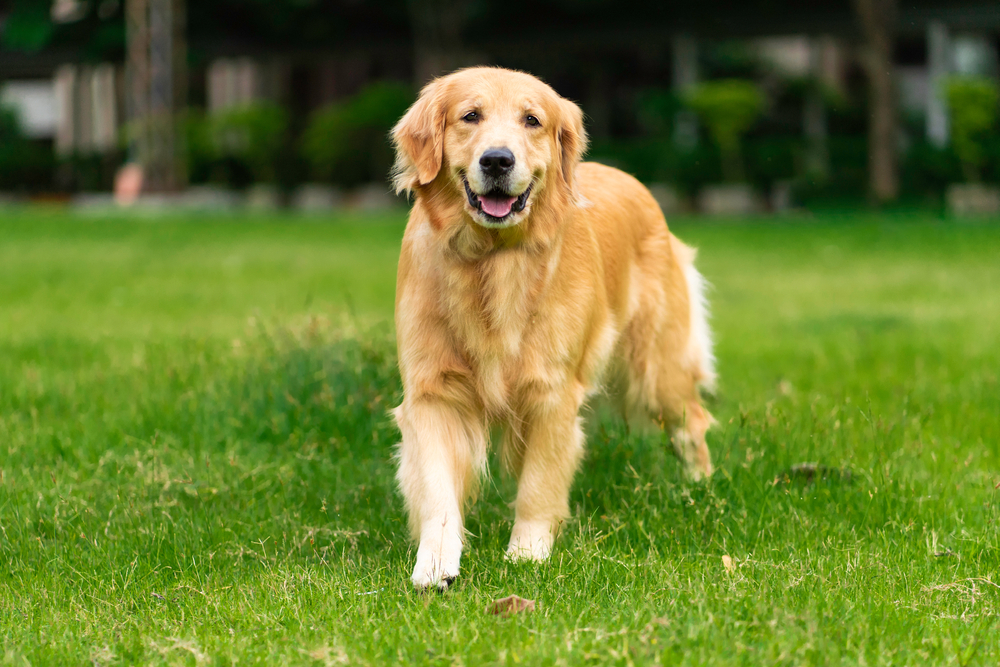
golden retriever dog walking at the park

All dogs have their quirks, some of which bring a smile to our faces and some make us concerned about a medical issue. One of those quirks, or differences in behavior is walking sideways.

Some reasons for this sideways walk are benign and not of concern. It could also be a one-off occurrence. However, other causes are worth further investigation since side-walking may be a sign of a medical issue. Of course, you should discuss any abrupt behavioral change with your vet, particularly if you detect any other red flags, such as loss of appetite, lethargy, confusion, incoordination, or weakness.

divider single dog paw oct 2024

The 10 Potential Reasons Your Dog Is Walking Sideways

1. Avoidance

Some dogs may walk sideways simply to avoid something. It could be another pet or a person in their way, or your pup may do this to steer clear of a new object in your home. Some dogs may even react strangely to a new surface. We’ve known some pets to walk sideways when walking on tile if they haven’t felt it under their feet before. Pay attention to any patterns you see with your pooch’s walking, as this could help you discover the reason behind this behavior.

Golden Retriever Dog Stands Near Bowl In Kitchen
Image Credit: Tatyana VC, Shutterstock

2. Developmental Issue

Some dogs may have an odd gait because of a developmental issue or previous injury. These animals probably won’t show any other signs of distress or discomfort because they’re used to how they navigate their world. Again, you shouldn’t see anything else unusual besides a funny walk. This is just how they are, and they shouldn’t have any other problems getting around your home.


3. Anatomy

Growing puppies may walk sideways out of sheer clumsiness and trying to not trip over their own feet. It’s normal for a dog to take some time to get accustomed to their growing body, not unlike a growing teenager. You may see this trait more often  in large and giant breeds like Great Danes or Irish Wolfhounds.
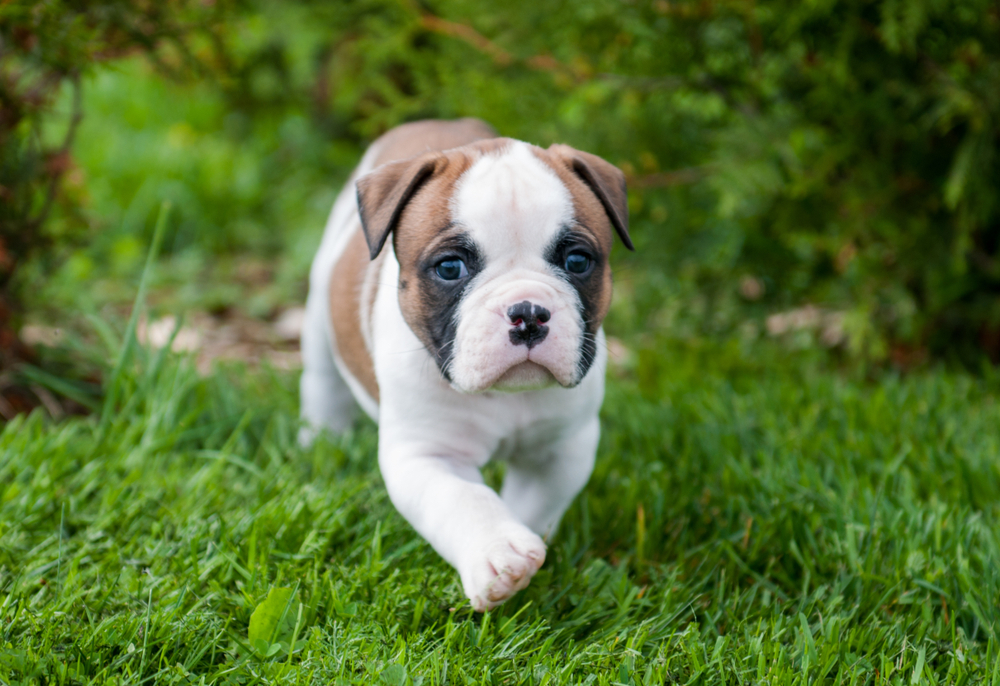
Image Credit: Zanna Pesnina, Shutterstock

4. Anal Gland Problem

A dog may have an unnatural gait if it’s painful to get around normally. An anal gland problem is one cause of a change in locomotion as walking may aggravate their condition. Your pet may step carefully, going sideways or even turning circles to avoid the discomfort.


5. Injury

An injury may also affect your pet’s walk. It could be anything from a torn nail to a pulled muscle. Remember that your pet still has wild instincts to keep moving to keep from showing their vulnerability if hurt.

Boston terrier dog with injury
Image Credit: Ruben PH, Shutterstock

6. Ear Infection

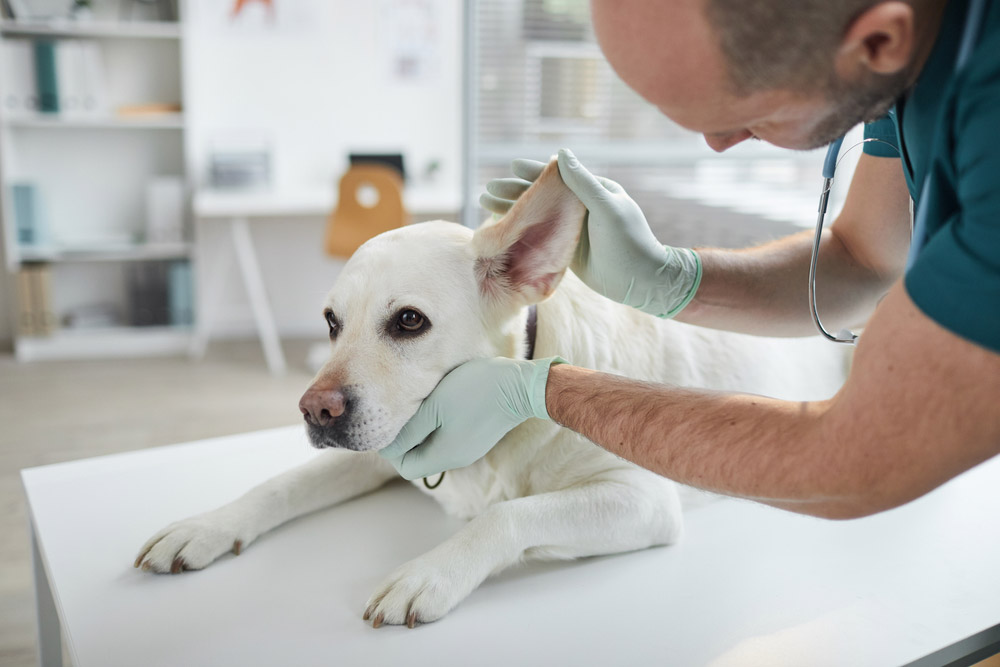
An ear infection may seem like an unlikely cause for side-walking, however, the function of the inner ear also involves balance. What you may observe isn’t side-walking but your dog having trouble with balance and falling to the side. Other signs include excessive head shaking and pawing at their ears.


7. Vestibular Disease

Vestibular disease is an issue affecting the middle or inner ear. Many things can cause these issues, including an ear infection, hypothyroidism and trauma. Older dogs are more susceptible. Your pet’s treatment depends on the problem. Your vet will begin with a medical history, followed by bloodwork and possibly imaging. The prognosis is good if detected early and treated.
veterinarian checking the ear of the dog
Image Credit: SeventyFour, Shutterstock

8. Hip Dysplasia or Other Joint Issues

Large breed dogs have a greater risk of developing hip or elbow dysplasia, which can affect their locomotion, giving them an unnatural gait. Surprisingly, the age of neutering or spaying can increase a dog’s chances of developing joint issues. We recommend discussing the risks and benefits of the procedure on your pet’s quality of life with your vet.

If you need to speak with a vet but can't get to one, head over to PangoVet. It's our online service where you can talk to a vet online and get the advice you need for your dog — all at an affordable price!

PangoVet_Mention-in-Content Savings V1


9. Neurological Problem

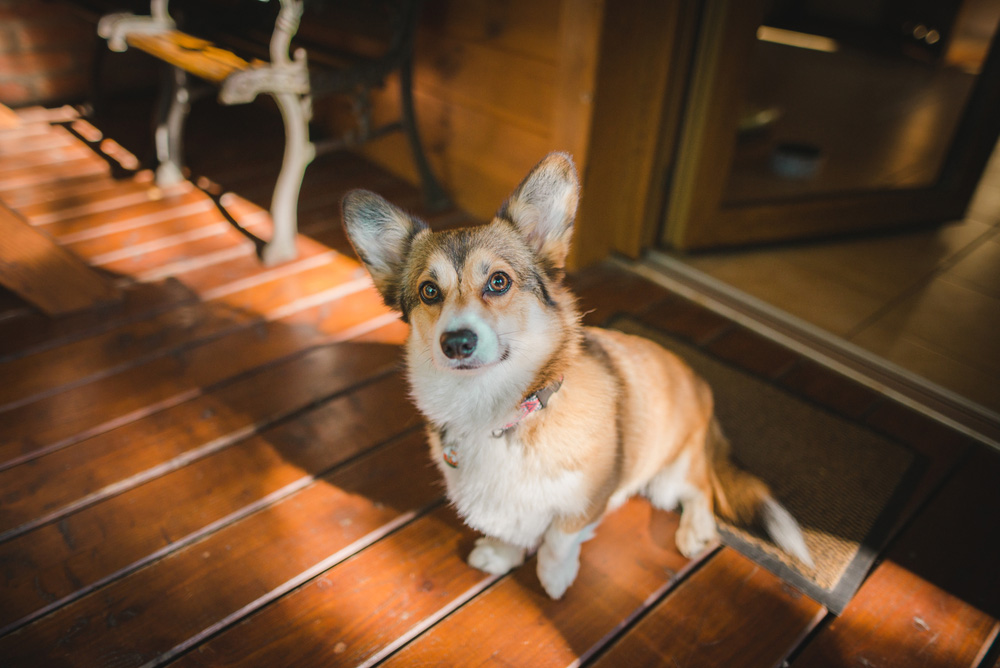
Neurological problems can cause sudden changes, including the way your dog walks. You may notice other signs, such as head tilting, lack of coordination, and stumbling. Pay attention to how your dog walks and other red flags, which can help your vet diagnose the issue. Many ailments have genetic causes, which can affect their onset.
pembroke welsh corgi dog limping
Image Credit: Jus_Ol, Shutterstock

10. Stroke

Canines can also suffer from strokes. The telltale signs are often the same as in humans, including weakness on one side. That may make a dog walk sideways favoring their strong side. Signs often occur suddenly, making prompt veterinary care imperative. You may even notice confusion or a loss of balance in your pet.

divider dog faces oct 2024

Other Factors

Of course, our article isn’t an exhaustive list. Walking sideways isn’t diagnostic of itself. That’s why noting other signs is essential. Any abrupt deviation from normal behavior is worth investigating. It’s better to seek prompt treatment than ignore the red flags.

divider dog paws 2 oct 2024

Conclusion

A dog walking sideways isn’t always a cause for concern. It could be a reaction to something different in their world. That’s particularly true with pets that haven’t been exposed to novel situations. Avoidance is a normal reaction. However, this sign can also point to medical problems requiring veterinary intervention. Nevertheless, caution is an excellent policy.


Featured Image Credit: Burin P, Shutterstock

Want content like this delivered to you?

Sign Up For Our Newsletter

News, insights, expert advice, and everything dog

* By submitting, you agree to our Terms & Conditions and Privacy & Cookies Policy.


How useful was this post?

Click on a star to rate (you can leave written feedback after clicking submit)

Help us improve Dogster for pet parents!

Your feedback really matters.

What did you like about this post? Also how can we improve it?

Join the conversation

Leave a Reply

You’re very welcome to leave a comment or question. Please know that all comments must meet our community guidelines, and your email address will NOT be published. Let’s have a positive and constructive conversation.


Talk With A Vet Online

Peace of mind,
anywhere, anytime

Affordable vet advice

Dogster’s Weekly Photo Contest Winners: I’m a Messy Eater (March 26, 2026)

Every week our team gets the privilege of sorting through our readers photos to choose what dogs will win this weeks contest! See...

The Itchy Dog Survival Guide: Home Remedies That Help

Allergies in dogs are more common than most people realize, and they’re genuinely hard to pin down. The immune system overreacts to something...

Another Winner, Another Controversy

Still recovering from the disappointment of seeing a docked & cropped dog awarded Westminster Kennel Club’s “Best in Show,” only to be kicked...

Dogster’s Weekly Photo Contest Winners: My Favorite Toy (March 19, 2026)

Every week our team gets the privilege of sorting through our readers photos to choose what dogs will win this weeks contest! See...

More related

Do Australian Shepherds Shed a Lot? Breed Coat Facts & FAQ

The spunky Australian Shepherd is a dog with bags of energy and a desire to please, making them fantastic family dogs for active...

Why Does My Dog Pee When Scared? 5 Reasons & Solutions

Living with a dog in your home is usually a pleasant experience, and you probably look forward to a friendly greeting whenever you...

Can Dogs Eat Sardines? Vet-Verified Nutrition, Types & Preparation

Sardines or pilchards are a type of oily fish used for bait purposes or served as food. They are noticeably rich in healthy...

Why Dogs Lick Themselves Before Sleeping? 6 Vet-Reviewed Causes

It’s not unusual for dogs to lick themselves at bedtime (or for some, in the middle of the night). More often than not,...

Keep reading

10 Best Peanut Butters For Dogs in 2026 – Reviews & Top Picks

Dogs have different preferences for their treats and meals, but if there is a universal food that every canine seems to love, it’s peanut butter. You can use peanut butter as a training tool, treat, or addition to a frozen...

Cute puppy eating peanut butter from a spoon

Can Dogs Eat Daikon? Vet-Approved Facts & FAQ

As daikon radishes gain popularity in human cuisine, it’s only natural for dog owners to wonder if it’s safe to share this sweet and crunchy vegetable with their pups. The short answer is yes, dogs can eat daikon—not only is...

Can Dogs Eat Daikon

When to Switch to Senior Dog Food? 4 Vet-Reviewed Factors to Consider & Other Tips

Unlike puppy and adult food, senior dog food isn’t technically a type of food. The AAFCO does not list specific nutritional standards for senior dogs as they do for puppies and adults. However, you’ve probably seen senior dog foods on...

Labrador dog eating

How To Thaw and Serve Frozen Dog Food: 6 Expert Tips (Vet Answer)

Choosing the right food for your dog can get pretty complicated. Not only are there hundreds of different brands and thousands of varieties of traditional dry and wet foods lining pet store and supermarket shelves, we also have options like...

frozen pet food in containers

Can Dogs Eat Haddock? Vet-Approved Nutritional Facts & FAQ

Many dog owners today are looking for healthier food options for their pets, including fish. Most fish are high in protein and other nutrients and are an excellent addition to a dog’s diet. One question you might have is whether...

Can Dogs Eat_Haddock

Can Dogs Eat Cornstarch? Vet-Approved Nutrition Guide & FAQ

Cornstarch is a commonly used ingredient in cooking and baking, often as a thickening agent for casseroles or soups. It is an excellent source of fiber and, as an added ingredient in many dog foods, is a wiser choice for...

Can Dogs Eat Cornstarch

Buying Dog Food In Bulk: Benefits & Risks

According to statistics, the typical American dog owner spends an average of $1,380 annually on their dog’s basic expenses.1 While our pooches deserve the world, $1,380 is a lot. As such, any avenue that allows us to save on pet...

dog food_Shutterstock_Ekaterina Markelova

5 Vet-Verified Benefits of Venison in Dog Food: Canine Diet & Health

A vast selection of commercial dog foods are available, including ones with different meats and meat-based ingredients. Dogs are facultative carnivores which means they need meat-based proteins, but can also eat some plants, and like all animals, they benefit most...

venison_Shutterstock_DronG

Love Dogs? So Do We! Join the Dogster Community

Stay informed with expert pet care insights delivered straight to your inbox! Discover professional guidance on animal behavior, feeding tips, trusted product picks, and much more.


Sign up for the Dogster Email Newsletter