What to Feed a Dog With Diarrhea: 10 Vet-Approved Options


In this article
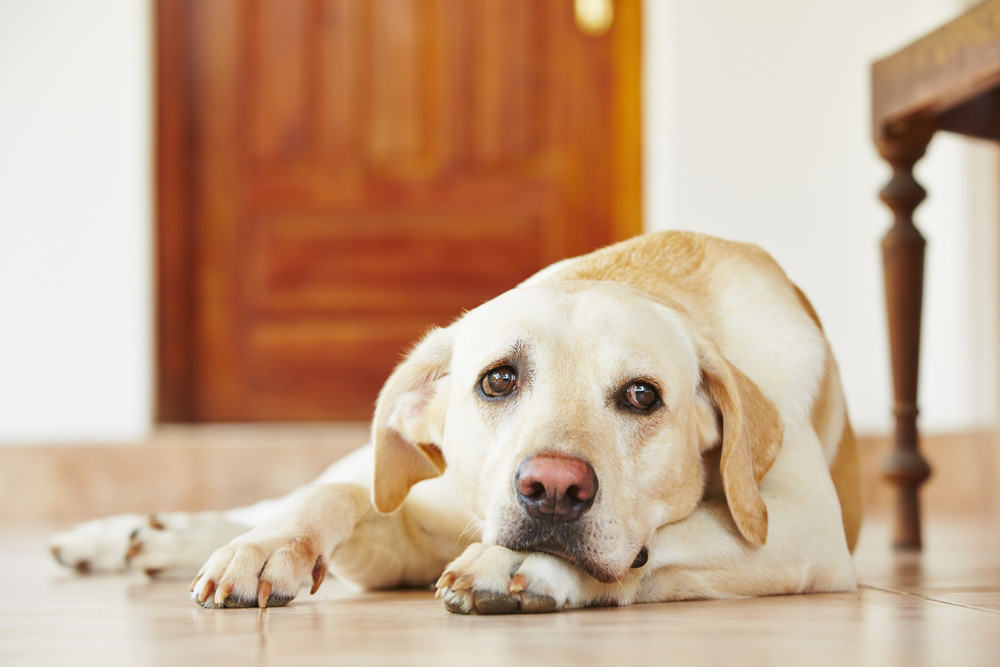
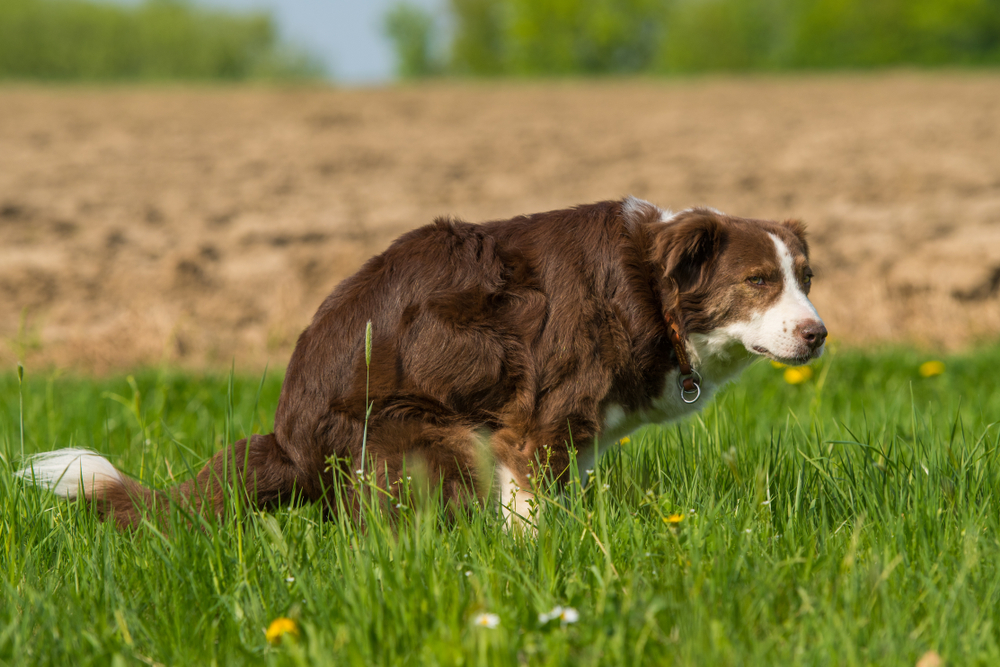
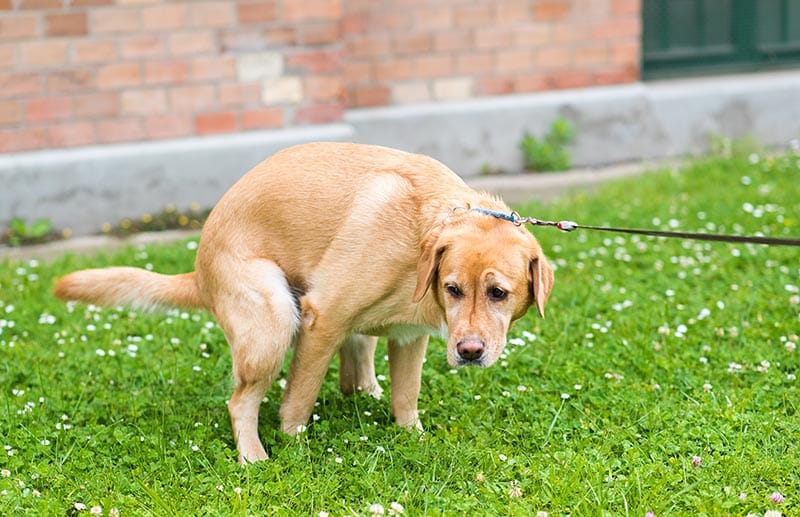
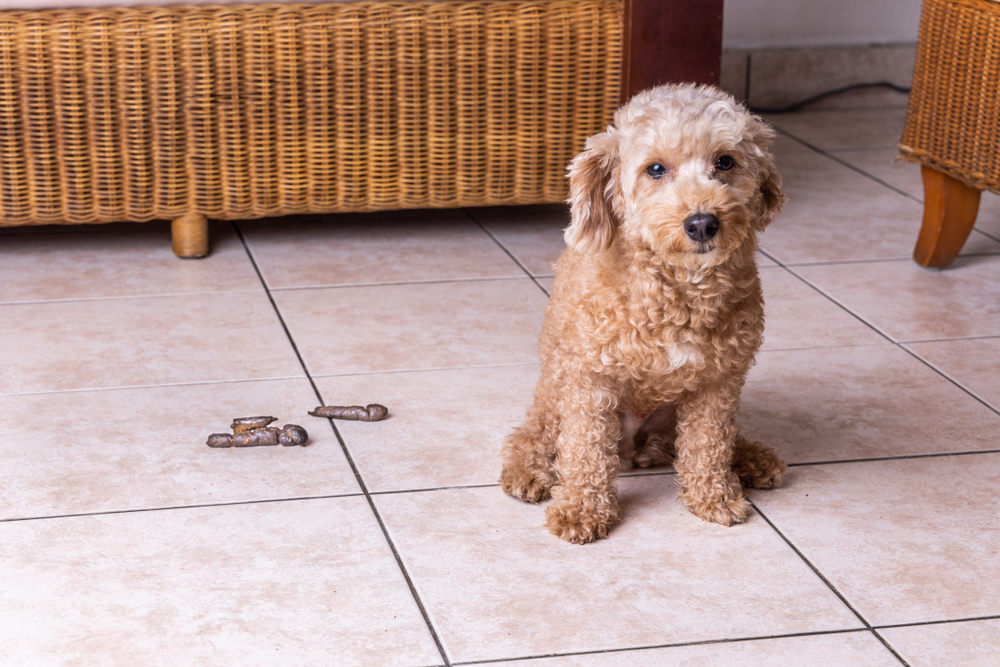
It’s never pleasant to watch your dog when they’re uncomfortable and not feeling their best, especially if they have diarrhea. Diarrhea can occur for a number of reasons, some more serious than others. So, if your pup has diarrhea but is otherwise feeling fine, you may try any of these tips and monitor the situation at home. However, if your dog has other signs of illness, including vomiting or not eating, or if they’ve had diarrhea for longer than a couple of days, consult your veterinarian.

The 10 Options to Feed Your Dog With Diarrhea
1. Nothing
Sometimes, the best thing to give a dog with diarrhea is nothing. Fasting your dog for 12–24 hours can give your pet’s GI tract time to settle down, clear the irritation, and relieve your pup’s discomfort. Some conditions resolve themselves with time. However, it’s not an appropriate choice in all cases. Puppies and senior pets may be unable to tolerate long stretches without food.
Don’t take away water. If the condition has persisted for more than one day, we recommend contacting your vet before using this option. You should also note any other signs that can help diagnose the problem.
Did you know that you can speak with a real vet online about your dog's health?
2. Low-Sodium Broth
Low-sodium broth can keep your dog hydrated until the condition resolves. It’s savory enough to encourage your pup to drink, thus hydrating themselves. We recommend offering your pooch a low-fat, low-sodium product to avoid upsetting their stomach further. Avoid letting your pet gulp the liquid, which can have the opposite effect than what you want. Overall, the purpose of giving your dog broth is to maintain their hydration levels.
You can also use the broth to moisten bland foods to make them tastier and encourage your dog to eat when it’s time to go back to solid food. You should use broth instead of stock. The latter may be cooked with a mirepoix or a combination of diced vegetables for flavoring that may include onion. If you want to play it safe, make your own using only animal bones.
3. Plain White Rice

Plain, boiled white rice is an excellent option for transitioning pets back to solid food. It’ll add bulk to their diet with much-needed carbohydrates to maintain your dog’s energy levels. It’s the epitome of a bland and easily digestible offering that is less likely to aggravate your pup’s GI tract.
White rice has moderate nutritional value and is low in fat. We recommend boiling it without butter or salt but adding broth can make it more palatable.
4. Pumpkin
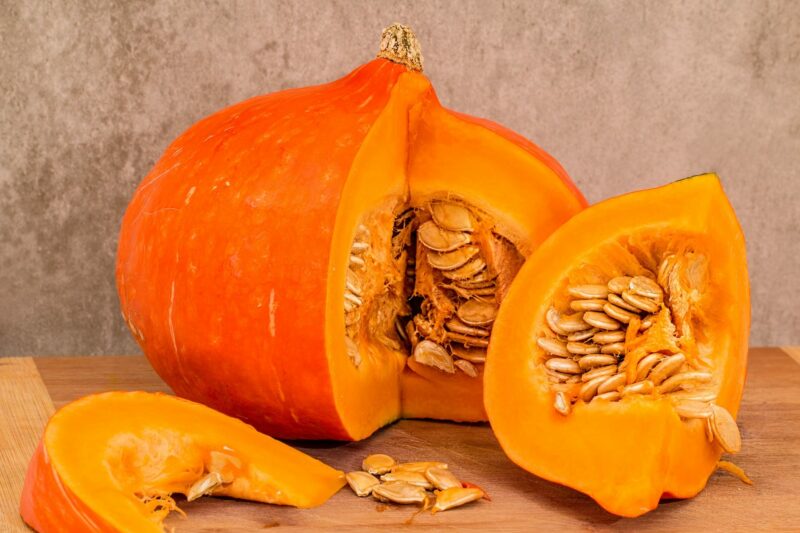
Pumpkin is one of the favorite choices of vets when recommending something to feed a dog with diarrhea. You should only give your dog canned pumpkin, not pumpkin pie filling. It is low in calories and fat while providing a decent source of fiber. The latter adds bulk that can help remedy loose stools. Plus, pumpkin contains rich sources of potassium and beta-carotene to support recovery.
5. Low-Fat Protein

Low-fat proteins, such as boiled chicken, can support healing and recovery. They are satisfying foods and can help keep your dog feeling sated. Familiar foods like poultry can make it easier for your pup to accept this new food without the digestive problems associated with abrupt diet changes. Avoid adding any seasonings that could cause further stomach upset.
6. Mashed Potatoes
Mashed potatoes are probably high on most people’s list of comfort foods, but when you make this dish for dogs, you should prepare it without milk, butter, or seasonings. You can use some of the water used to boil the potatoes to moisten it. Mashed potatoes also provide an excellent source of carbohydrates and electrolytes, such as potassium, making them a great option to feed a dog with diarrhea.
Loss of these vital nutrients is a concern with pets experiencing prolonged GI distress or vomiting. Electrolyte disturbances require immediate care and are potentially life-threatening. Signs of this condition include lethargy, shallow breathing, and depression. Your vet will diagnose this condition by running bloodwork and additional testing.
7. Applesauce

You could be wondering if applesauce is good for dogs. Applesauce has similar health benefits as our last entry, like fiber and electrolytes. The unsweetened products are low in carbohydrates to prevent spikes in blood sugar. However, it has a relatively high water content. We recommend small servings with other foods on our list when putting your dog back on solid food. Be sure to feed plain, unsweetened applesauce for the best results.
8. Stage II Meat-Based Baby Foods
Some breeders swear by baby foods for getting puppies to eat. They are nutritious without salt or other ingredients that could aggravate your dog’s condition. Manufacturers make these products palatable to encourage babies to eat them, and your pooch will likely view them the same way.
We suggest saving the liquid to pour over rice or a low-fat protein. You can even let your pup lap it up to keep them hydrated.
9. Diet Formulated for Pups With Sensitive Stomachs

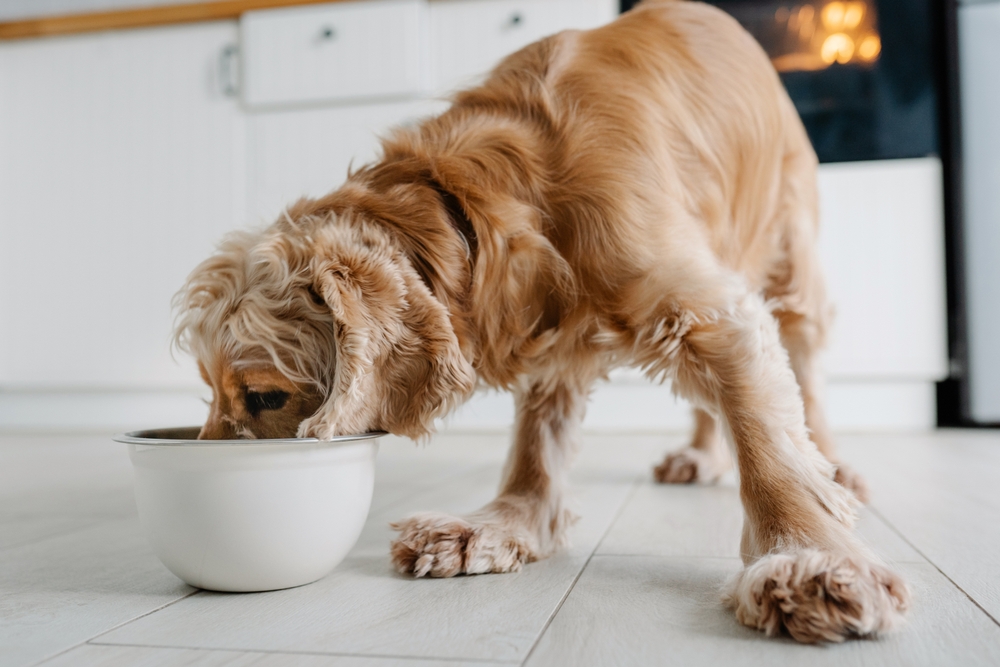
If your dog has chronic diarrhea, you might consider switching your pet to a commercial diet formulated for dogs with sensitive stomachs. They may contain low amounts of fat and other ingredients that are less likely to upset your dog’s GI system. Remember, it’s essential to transition your pet to a new diet slowly to avoid worsening any existing issues.
10. Prescription Diet
Sometimes, chronic cases require big guns, like a prescription diet. These diets are easily digestible and may contain novel or hydrolyzed proteins if your dog has a food allergy. That’s because many allergy triggers are actually familiar proteins, such as chicken and beef.
Of course, your vet must write a prescription for them. These products are often pricey, but isn’t your dog’s comfort worth the expense?
Causes of GI Distress
Diarrhea is often the reaction to something that doesn’t agree with your pet. It may only last a day or two until your dog’s body has eliminated the offending ingredients. Ingestion of poisonous items like onions or garlic can also cause this telltale sign. However, it can also have more serious implications.
Bacterial infections can cause acute diarrhea, with other signs like loss of appetite or lethargy. Dogs can contract these conditions from contact with an infected animal, feces, or consumption of raw meat. We agree with the position of the American Veterinary Medical Association (AVMA) to avoid feeding your pet raw diets to reduce the risk of health problems.
Gastrointestinal parasites are another common culprit. The problem with these issues is that some are zoonotic or transmissible to people, underscoring the urgency of identifying the cause. Children and immunocompromised individuals are at the greatest risk. Luckily, common-sense hygiene can often prevent transmission. We recommend teaching your kids to wash their hands after playing with the family pet.
Other causes of diarrhea could be intestinal inflammation due to chronic illnesses like cancer, inflammatory bowel disease, liver disease, and many others.

Conclusion
Diarrhea isn’t always a red flag. It can be a one-off occurrence. However, sometimes, it lasts longer, requiring intervention and leaving you asking what to feed a dog with diarrhea. If mild and without other signs, giving your dog some of these foods can remedy the issue. However, if your dog’s diarrhea is severe, accompanied by other signs, or lasts longer than 48 hours, see your veterinarian.
Sources
https://fdc.nal.usda.gov/fdc-app.html#/food-details/168880/nutrients
https://fdc.nal.usda.gov/fdc-app.html#/food-details/2344993/nutrients
https://www.petmd.com/dog/conditions/endocrine/c_dg_hypophosphatemia
https://fdc.nal.usda.gov/fdc-app.html#/food-details/168450/nutrients
https://fdc.nal.usda.gov/fdc-app.html#/food-details/167772/nutrients
Featured Image Credit: Switlana Sonyashna, Shutterstock
Expert dog care, straight to your inbox
Vet-reviewed advice, training tips, and the best of Dogster. Free, and you can unsubscribe anytime.
By signing up, you agree to our Terms & Conditions and Privacy & Cookies Policy.
Since 2009, Chris has written on a variety of topics. Her motto with all of her writing is “science-based writing nurtured by education and critical thinking.” She specializes in scientific topics, with a special love for health and environmental topics, and of course, pets of all shapes and sizes.
Chris lives happily with her husband and three cats in the land of 10,000 lakes, writing, wining, and boating as much as she can. She and her husband, Norm, were awarded the State of Kentucky Colonel Honor for their restoration work at Mammoth Cave National Park.
Join the conversation
Ask a question, share your story, or send private feedback.