Most dog owners don’t think much about reproductive health until something forces the issue. An unplanned mating. A pregnancy they weren’t prepared for. A female who seems unwell after a heat cycle. A male who’s clearly not right, but it’s hard to explain why.
Reproductive problems in dogs are more common than people realise, and they don’t only affect planned litters or show dogs. They can happen to any intact dog, sometimes with very little warning, and some of them escalate quickly. A few of these conditions are outright emergencies that can be fatal if not caught early enough.
Whether your dog is pregnant, has recently given birth, or you simply have an intact pet and want to know what to watch for, understanding the most serious reproductive conditions is worth your time.
Here are the conditions that vets see most often and that carry the most serious consequences if they’re missed.
Pyometra: the one that can’t wait
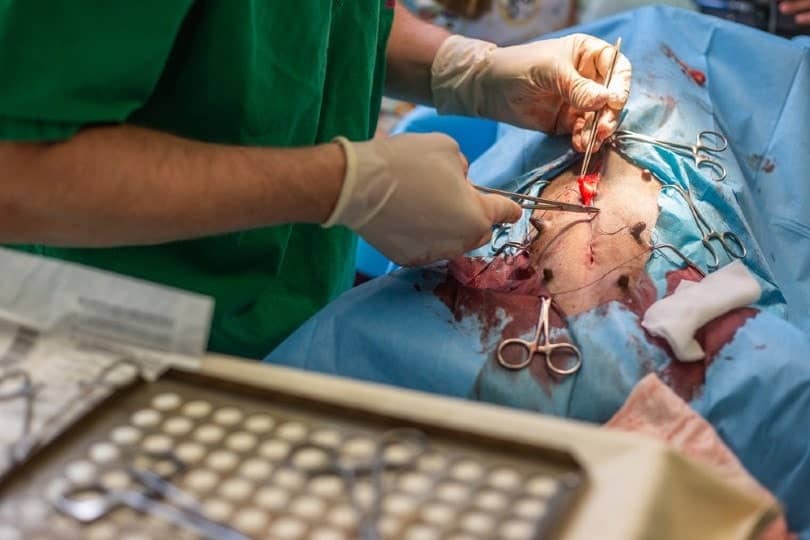
Pyometra is a bacterial infection of the uterus, and it’s one of the most urgent reproductive emergencies in female dogs. It typically develops in the weeks following a heat cycle, when hormonal changes make the uterus more vulnerable to infection. Bacteria move in, and the uterus fills with pus.
There are two forms. In the open form, you’ll notice a discharge from the vulva, which at least gives you a visible warning sign. The closed form is more dangerous because nothing drains, the infection builds internally, and the signs are easier to miss: lethargy, loss of appetite, excessive thirst and urination, vomiting, and a distended abdomen. Left untreated, it can be fatal within days.
Treatment in most cases is emergency surgery to remove the uterus and ovaries, along with antibiotics and supportive care. The prognosis is good when caught early, which is exactly why knowing the signs matters.
Dystocia: when birth goes wrong
Dystocia is the medical term for a difficult or obstructed birth, and it’s a risk factor that applies to every pregnancy. It can happen because a puppy is too large or positioned incorrectly. After all, the mother’s contractions aren’t strong enough to progress labour, or because of physical characteristics in certain breeds. Boxers, Bulldogs, and other brachycephalic breeds are particularly prone to it. Breeding a larger male with a significantly smaller female also raises the risk considerably.
Signs that something is wrong include prolonged straining without a puppy being delivered, visible distress in the mother, excessive licking at the vulva, and unusual discharge. This is a veterinary emergency. Depending on the severity, your vet may try medication to stimulate contractions before moving to a caesarean section.
Metritis: the post-birth infection
Metritis is a bacterial infection of the uterus that develops after birth, often as a consequence of a difficult delivery, a retained placenta, or an unclean whelping environment. It typically presents within a few days of the birth with fever, lethargy, foul-smelling vaginal discharge, and a mother who is too unwell to nurse or care for her puppies.
Treatment involves antibiotics, supportive care, and addressing whatever caused the infection in the first place. In severe cases, spaying may be recommended. If the mother can’t care for the puppies during recovery, supplemental feeding becomes necessary.
Retained placenta
After birth, each puppy should be followed by a placenta. If one isn’t expelled, it becomes a significant source of bacterial infection for the mother and, by extension, a risk to the surviving puppies. The problem is that it’s not always obvious when a placenta has been retained, especially in large litters where tracking becomes difficult.
Signs include fever, lethargy, loss of appetite, and foul-smelling discharge in the days after birth. Treatment involves medication to encourage the uterus to expel remaining tissue, antibiotics as needed, and close monitoring. Your vet may recommend spaying to prevent recurrence.
Cryptorchidism: the male condition most breeders won’t overlook
In male dogs, cryptorchidism describes the failure of one or both testicles to descend from the abdominal cavity into the scrotum. It usually becomes apparent by the time the dog reaches sexual maturity. Toy and miniature breeds are most commonly affected.
Beyond the obvious breeding implications, there’s a more pressing health concern: undescended testicles carry a significantly higher risk of becoming cancerous than normally descended ones. If both testicles are retained, the male is sterile. Reputable breeders won’t breed affected dogs, as the condition is genetic. Surgical removal of the retained testicle or testicles is the standard recommendation.
Other reproductive conditions to be aware of

Several other conditions can affect reproductive health in both male and female dogs, though they are either less immediately life-threatening or less commonly encountered in everyday practice.
False pregnancy causes a female to display all the signs of pregnancy, including mammary gland enlargement and sometimes milk production, without actually being pregnant. It’s generally self-resolving but may require treatment for anxiety or milk production in more severe cases.
Silent heat occurs when a female goes through an oestrus cycle without the typical visible signs of bleeding or vulvar swelling. A male dog’s interest in her may be the only outward indicator. If they mate, pregnancy can and does occur. A vet can confirm whether a female is in heat through progesterone testing or vaginal cytology.
Ovarian cysts can cause a prolonged heat cycle beyond the normal 21-day window. Ovulation is unlikely, though hormonal induction can sometimes enable pregnancy if breeding is the goal. Spaying is the most common treatment.
Vaginitis is a bacterial infection of the vagina that causes discharge, redness, and swelling. It can make mating painful and may cause a female to refuse it. It’s particularly common in puppies before their first heat and often resolves on its own in those cases. Other instances require antibiotic treatment based on lab work.
In male dogs, orchitis (inflammation of the testicles caused by infection or injury) and conditions affecting the prepuce, including phimosis and paraphimosis, can also interfere with mating or require urgent veterinary attention. Paraphimosis in particular, where the penis cannot retract after mating, is a medical emergency requiring immediate care.
What this all comes back to
Most of these conditions share one thing in common: they’re far easier to treat when caught early. A female who seems off in the days after giving birth, a male with swelling or unusual discharge, or a pregnancy that doesn’t seem to be progressing the way it should. These aren’t things to wait on.
If your dog is intact and you’re not planning to breed them, it’s worth having a conversation with your vet about the right timing and approach for spaying or neutering. It’s not a decision that needs to be rushed, and the right age varies depending on breed and size, but it does eliminate most of the conditions covered in this article entirely.
If you do have a pregnant dog or have recently been through a whelping, keep a close eye on the mother in the days that follow. That window after birth is when several of the most serious conditions tend to appear. Trust your instincts. If something feels wrong, get it checked.
Featured Image Credit: Bogdan Sonjachnyj, Shutterstock
Did You Know?
- Our brand-new posts are rounded up and included in our weekly emails. Don’t miss out on the latest – sign up for our newsletter below!
 Pyometra: the one that can’t wait