Pug Dog Encephalitis: Vet Approved Signs, Causes & Care


In this article
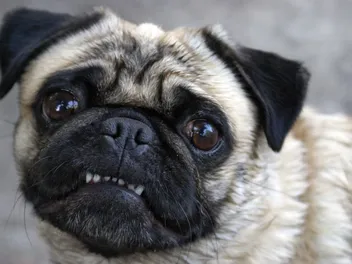
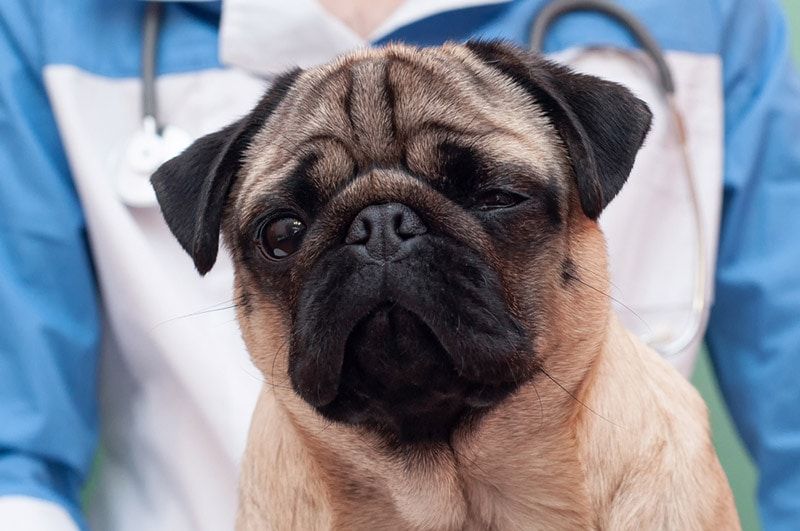
Pug Dog Encephalitis (PDE) is also known as Necrotizing Meningoencephalitis (NME), and it’s believed that nearly 1.2% of Pug dogs die of the disease1. So, what exactly is it, and what signs should you look out for that might hint your dog is suffering from this disease?
When there’s a risk of something being wrong with our pets, it can be overwhelming and worrying. Finding out precisely what is happening with your dog can help you prepare and care for your pet in the most effective way. So, we have all the information you’ll need to know about PDE and what it will entail for your Pug.

What Is Pug Dog Encephalitis (PDE)?
PDE is an inflammatory disease of the central nervous system and, unfortunately, it is progressive and fatal. NME has been described by PetMD as an “inflammation of the brain with concurrent necrosis (death) of brain tissue.2” While PDE and NME describe the same disease, it seems PDE is specific to Pugs, whereas NME is a broader term used to refer to the condition that can affect a few breeds, such as Maltese and Yorkshire Terriers. It has also occasionally been seen in Shih Tzus and Chihuahuas.
It’s believed that females are more likely to be affected, and it’s generally reported in Pugs less than 3 years old. This doesn't, of course, rule out males or older dogs getting it. It has been seen in middle-aged dogs and pups as young as 6 months old. Affected dogs show clinical signs that indicate a problem with the brain and nervous system, which alone can look like the signs of something else, so it’s tricky to diagnose. All dogs with this disease will either die or be put to sleep within months after the onset of clinical signs, on average, 3 months.
What Are the Signs of Pug Dog Encephalitis (PDE)?
Signs of PDE are typically neurological, which, as we’ve mentioned, is why it’s easy to misdiagnose this disease. But as it’s a progressive disease, you will notice signs worsen or occur more often. Look for these signs in your Pug:
- Behavioral changes
- Blindness
- Depression
- Disorientation/confusion
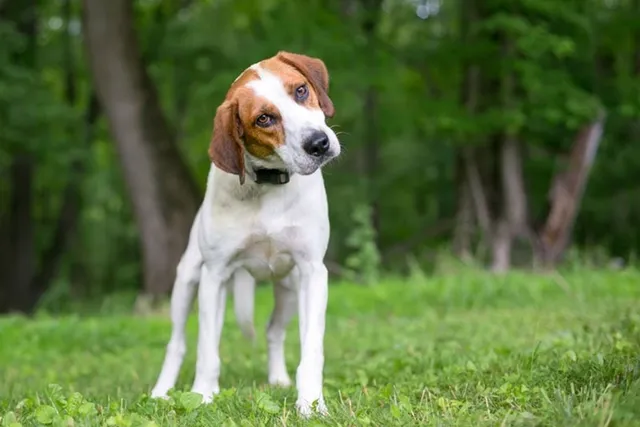
- Head tilt
- Lethargy
- Loss of coordination
- Neck stiffness
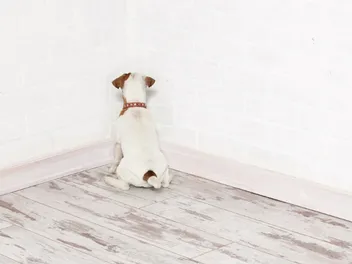
- Pressing the head against object/wall
- Seizures
- Walking in circles
- Weakness
Seizures are present in most affected individuals.

Diagnosis of Pug Dog Encephalitis (PDE)
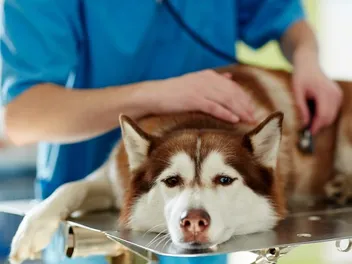
To diagnose PDE successfully, tests will be performed to identify the condition and exclude other diseases.
- A complete history and physical exam will occur, including an examination of the neurologic system.
- A CSF tap will take place: the spinal cord and brain are surrounded by cerebral spinal fluid, acting as a natural shock absorber to protect the spinal cord and brain. A small amount of this fluid is removed and analyzed.
- An MRI will allow visualization of the brain’s structures, and a veterinary neurologist will look for characteristic abnormalities that point to PDE.
- Post-mortem tissue analysis will take place, where the brain tissue is examined after the dog is euthanized or dies.
What Are the Causes of Pug Dog Encephalitis (PDE)?
PDE is, unfortunately, idiopathic, which means the cause is not known. As this disease can be so fast-moving, veterinarians might sometimes lack the time to perform diagnostic tests like MRIs.
It’s believed that the disease is at least in part genetic and likely immune-mediated, although virus infections may also be involved. In auto-immune conditions, the dog's immune system attacks normal tissue body tissue by mistake. In PDE, the Pug’s immune system is shown to be directed at astrocytes in the brain.
How Do I Care for a Pug with Pug Dog Encephalitis (PDE)?
Your job as a pet parent is made harder when your dog suffers from PDE. However, you can look into ways of making your dog’s day-to-day life a little bit easier. Some owners pursue anti-inflammatory drugs like corticosteroids, which might help treat seizures. Some drugs can reduce the over-reactivity of the immune system.
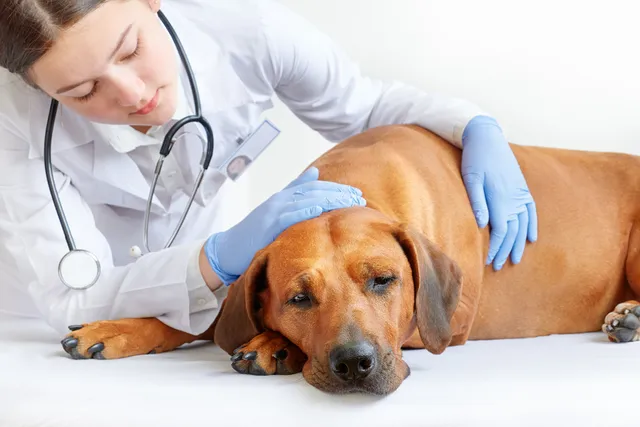
As soon as you notice any of the signs we’ve mentioned, take your Pug to the vet, and once you have a diagnosis, you’re in a better position to make a plan. Since this disease is progressive, your dog will require palliative care. You will be in close contact with your vet, as dosage adjustments will occur as the disease progresses or inflammation in the brain lessens as the medication helps.


Frequently Asked Questions (FAQ)
How Do I Care for a Dying Dog?
It can be tough to say goodbye, but when it comes to a disease with no cure, it’s something you’ll have to plan for, whether your dog dies or you plan for euthanasia. You might not know what the end will look like, especially with a disease like PDE. For example, if your dog is disorientated and agitated, your vet might prescribe a sedative. So, not everything on our list will be applicable but be reassured there are things as a pet parent you can do to try and make your dog as comfortable as possible to ensure they continue to feel as safe and loved as they usually do.
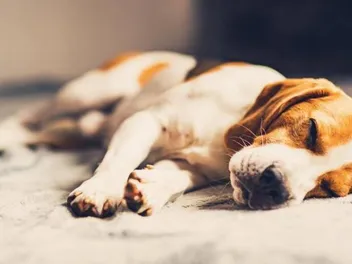
- Keep them warm by providing a comfortable bed and a cozy spot to sleep in.
- Make sure there’s palatable food available, like canned food or plain cooked chicken. If they’ve been on a prescription diet they’re not overly fond of, now is the time you can let them eat whatever they want with the consent of your vet.
- Be there for what they need. This might mean keeping them company, but it might mean leaving them alone.
- Try to stick to a schedule as much as possible so there’s something familiar happening. If walks are no longer possible, use that time just to be together.
- Consult your vet about medications to make your dog more comfortable. With PDE, you will be in contact with your vet, anyway. Maximum comfort is far more critical than any risks of a medication’s long-term side effects.
- Make a plan for your dog’s end-of-life care if you choose euthanasia. Some vets will accommodate at-home pet euthanasia services or sedation for dogs that don't like going to the vet. Decide whether you want your pet to be buried or cremated.
- Tell your beloved dog it’s okay to go and that they’ve been your best friend.
If you need guidance on keeping your dog comfortable, we suggest you speak to a vet.
What Happens if I Choose Euthanasia?
While some people’s dogs pass away peacefully on their own, many must decide to euthanize their dogs. The decision is not one you have to make alone. Your vet will know your dog’s condition and can help you make this incredibly difficult decision.
When a dog is euthanized, the vet will give them an overdose of an anesthetic, generally the injectable pentobarbital. It’s a quick, painless process that usually takes 10 to 20 seconds. The dog will go to sleep, and then their heart will stop beating.
How Do I Get Over the Loss of My Dog?
Unfortunately, there’s no way to answer this question that will make you feel better. We can all prepare for the loss of a pet, but it will still hit you hard when it happens. Our dogs are part of our family, and you must be gentle with yourself after you lose one. Give yourself time, talk to family and friends, take a personal day off work, and look at pictures and videos of them. If you have other pets, allow the routine of caring for them to create a sense of normalcy amid the grief.
Conclusion
Pug Dog Encephalitis, or PDE, is still a bit of a mystery, but we know it’s a progressive disease without a cure. Remember, if you notice anything unusual or are worried, contact your vet immediately. Whatever happens, the pain of losing a pet isn't something you can ever fully prepare for. So, providing love and a comfortable environment is crucial until you have to say goodbye.
Related Read:
Sources
Featured Image By: Yekatseryna Netuk, Shutterstock
Expert dog care, straight to your inbox
News, insights, expert advice, and everything dog.

No spam — unsubscribe anytime.
By signing up, you agree to our Terms & Conditions and Privacy & Cookies Policy.
How useful was this post?
Click a star to rate. You can leave written feedback afterwards. (We read all feedback.)
Kerry-Ann lives in Scotland and wishes her garden was bigger so she could have her very own Highland cow but thinks her dogs probably wouldn’t like that idea very much. She has a La Chon called Harry who was poorly with a liver shunt when he was a puppy. It wasn't likely he would make it into adulthood, which was difficult to comprehend, but he beat the odds and is a healthy old man now. She also has a Pug called Maddie who is a big foodie. She’s small, sassy, and every day she finds a new way to wind her brother up.
When she isn’t writing you can find Kerry-Ann going for long walks when it isn't raining, reading, or watching cartoons when she should be tidying her house. She would one day like to be a tourist in her own country and travel through the Highlands with her family.