In this article
Jack Russell Terriers are happy-go-lucky, spry little dogs that bring so much happiness to their owners. If you love little dogs, live in an apartment or smaller living spaces, or are just curious about the breed’s size—we have all the growth facts you could want! On average, a Jack Russell Terrier can weigh up to 13.5 pounds (6 kilograms) and grow up to approximately 12 inches (30 centimeters) in height.
So, without further ado, here is more about this athletic, lively little breed. Will a Jack Russell be the right size for your living space? Let’s see!

Jack Russell Overview
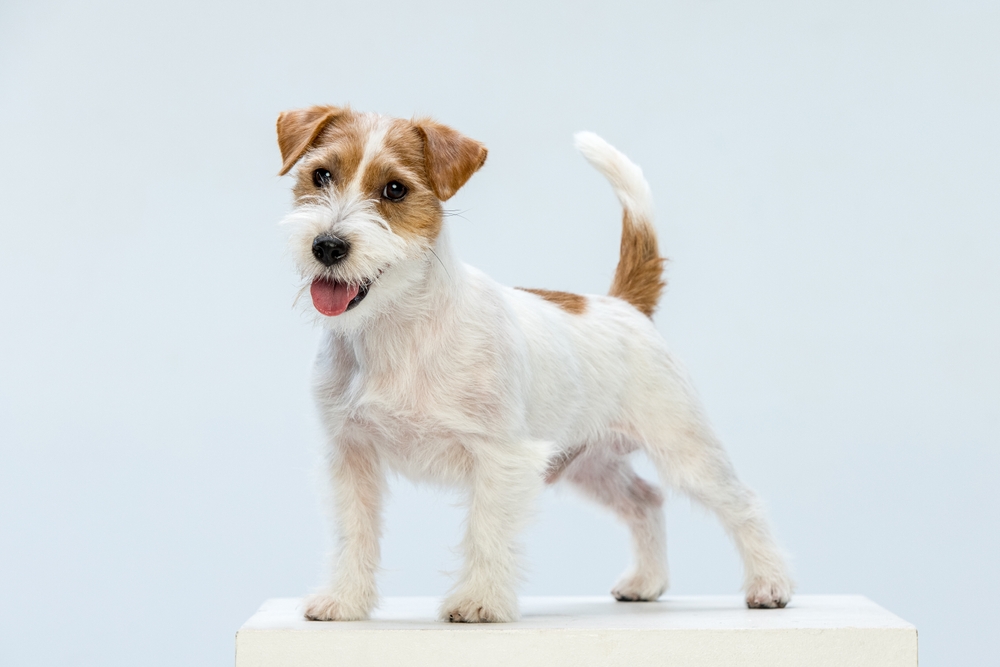
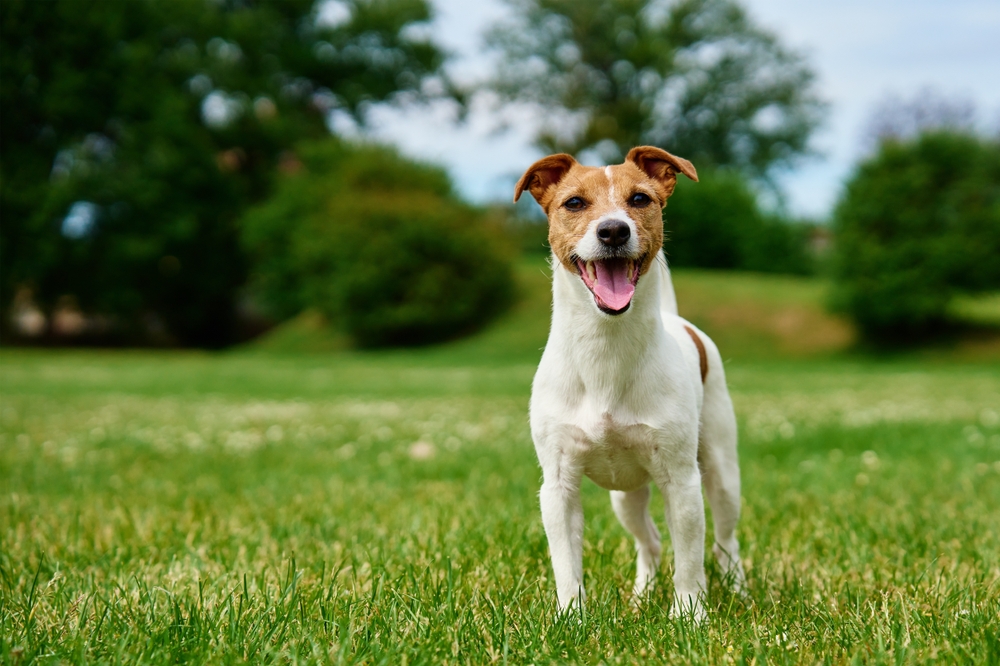
The Jack Russell Terrier is an adorable little dog that is classically white with black and/or tan markings. They can come with a smooth, broken, or rough coat, so the look can be a little different depending on the type of Jack Russell you choose.
Jack Russell Terriers are known for being clownish, energetic, and stubborn! These chipper little dogs are agile, alert, and sociable. They tend to get along well with strangers and other pets, even if they like to rule the roost.
Jack Russells have stout, muscular little bodies with great tone and structure. Typical to the terrier, these dogs are very athletically capable and can jump quite high into the air. They’re the perfect dog to teach a whole bunch of fancy tricks.
Jack Russell Terrier Size and Growth Chart
In the chart below, we are going to explain exactly what you can expect from your Jack Russell from month to month. Keep in mind that this chart shows a list of averages, so not every Jack Russell will be an exact fit on the scale every month. You will find a wide range of sizes of Jack Russells in their adult age, here we have taken into account a dog that will reach about 14 lbs in their final adult size. Your vet is always the one to determine whether your Jack Russell is meeting their weight markers.
| Age | Weight Range | Height Range |
| 0 months | 0.5–1 pound | 2–3 inches |
| 1 month | 1–2 pound | 4–5 inches |
| 2 months | 2–4 pounds | 5–6 inches |
| 3 months | 3–5 pounds | 6–7 inches |
| 4 months | 5–7 pounds | 7–8 inches |
| 5 months | 7–9 pounds | 8–9.5 inches |
| 6 months | 8–11 pounds | 9–10.5 inches |
| 7–9 months | 9–13 pounds | 10–12 inches |
| 12–24 months | 12–14 pounds | 10–12.5 inches |
Source: iheartdogs.com
When Does a Jack Russell Terrier Stop Growing?
A Jack Russell Terrier is considered fully grown by the time they reach approximately 12 months of age. These pups are considered small dogs, so some of them might top out in their growth at around 9 months of age. These little dogs will be very unlikely to continue to grow in size and height past the 1-year marker.
Factors Affecting the Size of Jack Russell Terrier
Is it possible to determine how big an individual Jack Russell will get? Even though there’s a general average, obviously every dog will be different. Some of them will be on the runt side while others will be on the very large side.
You will see a pretty drastic difference if you line them up Jack Russell by Jack Russell. Several factors can affect the height and weight of an adult Jack Russell Terrier, including genetics, age, and overall health.
Genetics
Genetics play a huge role, possibly the biggest, in how large a dog gets. Often, dogs take after their parents, so bloodline speaks volumes. If both parents are smaller, the puppies will likely be on the smaller side as well.
Age
Age speaks volumes about size. Jack Russells typically stop growing at around 12 months of age. Generally speaking, smaller dogs stop growing earlier than larger dogs. Some larger dogs can take upwards of 2 years to fully grow.
Overall Health
Your Jack Russell’s overall health can affect their size. Dogs that suffer from certain health conditions may have stunted growth or grow more slowly than dogs that are otherwise healthy. For example, dogs that have heart conditions, nutritional deficiencies, severe parasitism, exocrine pancreatic insufficiency, liver shunts, endocrine problems, or esophageal diseases may have stunted growth as a result.

Ideal Diet for Maintaining a Healthy Weight
There are several different ways that you can ensure your Jack Russell maintains a healthy weight. This aspect of care is very important during the growth process, adult maintenance stage, and senior years.
Below are a few ways you can be sure that your spry little dog has their weight in check.
Feed Appropriate Portions
It is crucial to always make sure you’re feeding your dog the correct portions. That can be a little tricky to figure out on your own, which is why most dog food bags have this information listed on the back. If you choose to feed your dog with another method, such as canned, fresh, raw, homemade food, or a combination of any of these, portioning can be a little trickier.
That is why it is so crucial to work hand in hand with your veterinarian to make sure you’re not only giving your dog the right food but adequate portions every day. One Jack Russell might require more or fewer calories than another based on many different factors such as neutering status, exercise levels, health, and current weight.
If they’re trying to watch their figure, your vet might have their portions reduced or have them on a maintenance diet. If your Jack Russell is a little underweight, you might need to bulk them up by offering a protein and calorie-dense meal.
If you need to speak with a vet but can't get to one, head over to PangoVet. It's our online service where you can talk to a vet online and get the personalized advice you need for your pet — all at an affordable price!

Age-Appropriate Recipes
Purchasing the correct diet for your dog’s life stage is vital. As puppies, they will need energy-dense diets that include very important nutrients in their diet to help their growing bodies move along. Some of these can include calcium and phosphorus, and high-quality, highly digestible proteins that nourish the brain and body.
As adults, they will need a recipe that helps them maintain their adult weight and allows them to thrive in daily life. As seniors, they will need a recipe that helps them maintain as their bodies begin to degrade and metabolize nutrients differently.
Sometimes you will have to switch a recipe based on certain issues like food allergies, health conditions, and overall needs as well.
Ensure Adequate Exercise
A Jack Russell is a very active little dog. They prefer life on the go, and it’s important to ensure that they’re getting enough exercise in a day. If they aren’t, it could cause weight gain very quickly, especially if they’re hefty eaters.
On average, an adult Jack Russell requires around 60 minutes of exercise per day, more if possible. These numbers can vary slightly based on the individual dog. These dogs will love to play games like fetch, go on scavenger hunts, and take their daily walks.

Understand Your Dog’s Needs
Since every circumstance is different, it’s important to understand your individual Jack Russell’s needs. Some Jack Russells will be a little on the weaker side requiring more care while others will be robust and full of life.
It really just depends on the overall genetics and environment of your pooch. Sometimes, there is no way to foresee certain allergies, sensitivities, or other health conditions that develop. You never know what kind of eater your dog will be either.
If you free-feed, you might find that your dog becomes obese pretty quickly. Others will be picky eaters and can most certainly raid the food bowl all day and still not get enough calories.
How to Measure Your Jack Russell Terrier
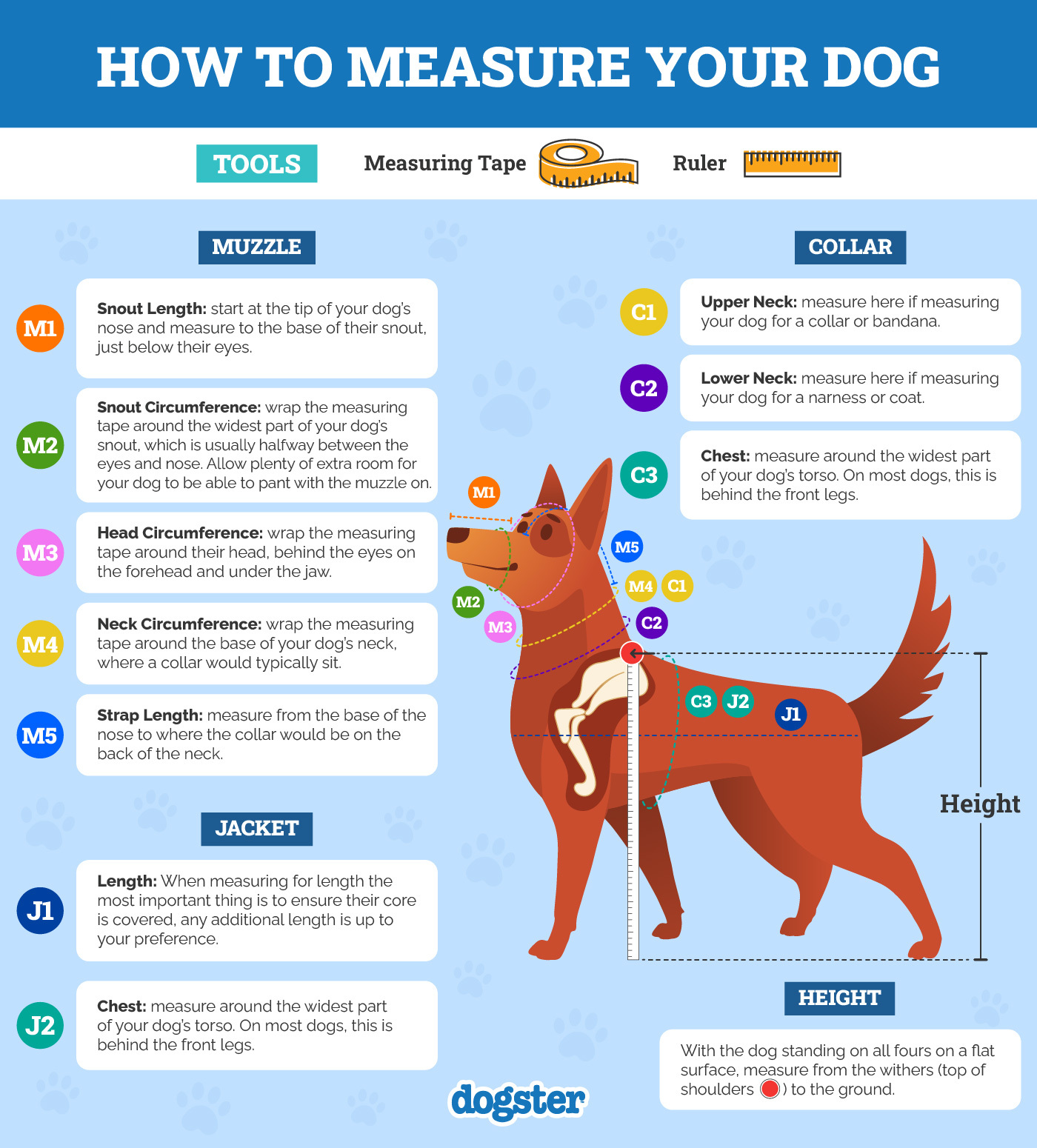
You can measure your Jack Russell to see how much they grow as they are young, and measuring your dog is also important for other factors, such as buying harnesses, leashes, doggy clothes, and other bodily items.
- Length: Measure from the base of the tail to the base of the neck.
- Neck: Measure its circumference at the base of the neck.
- Chest: Measure around the widest part of the chest.
- Waist: Measure around the thinnest part of the dog.
- Height: With your dog standing straight measure from the base of the floor to the highest point of the dog’s shoulder blades.
- Weight: Place your Jack Russell on a vet scale, or weigh yourself on a home scale then weigh yourself holding your Jack Russell Terrier and subtract your weight from the total.
Conclusion
Now you know exactly what to expect as far as growth for a Jack Russell Terrier. Several different things influence the overall growth of a dog similar to what happens with people. However, you can get some pretty good averages and get a little more educated by brushing up on all the facts about the breed.
Featured Image Credit: nexusby, Shutterstock