Innovation Is Defining Longevity in Pet Health

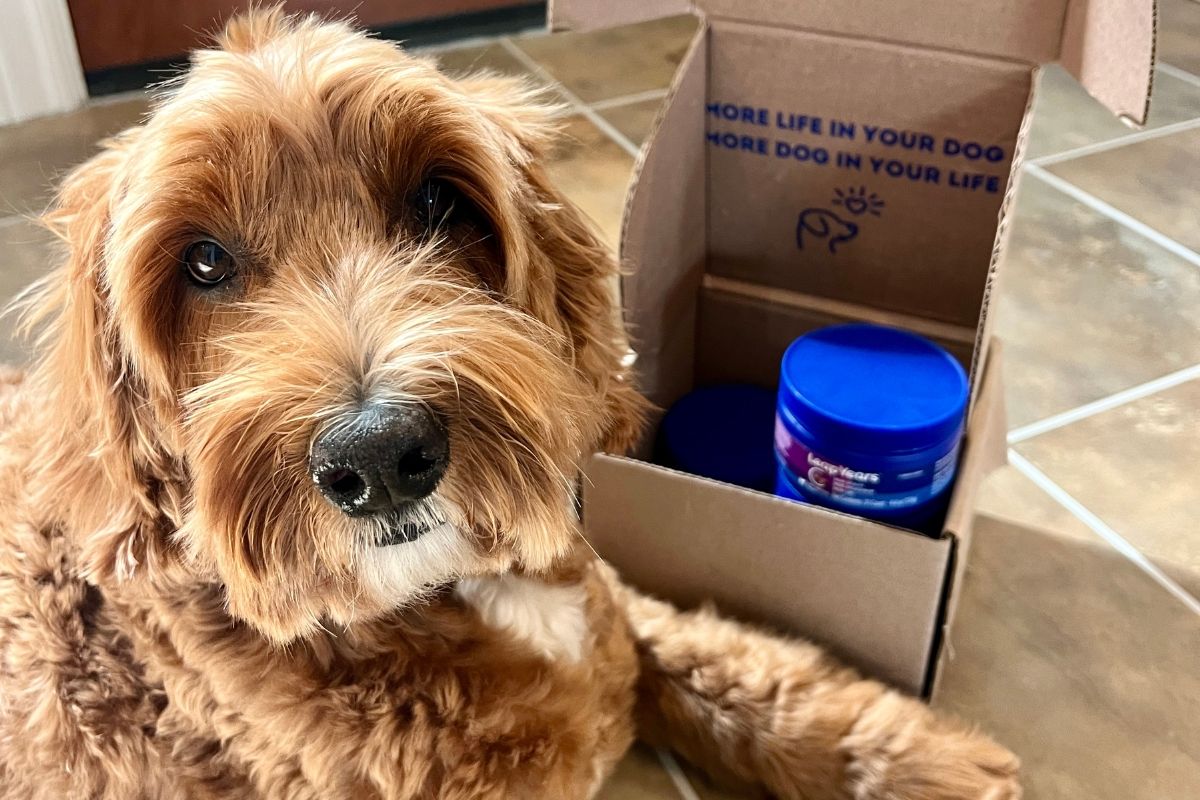
Longevity is no longer a distant aspiration in pet health; it has become an innovation imperative. As advances in cellular science accelerate, the industry is moving beyond reactive solutions and toward proactive, science-backed approaches that help pets live healthier lives for longer. This shift is redefining how we think about aging, prevention, and supplementation, with cellular health now at the center of the conversation.
At Leap Years®, we see longevity not as a trend, but as a foundational change in how pet health products are developed, evaluated, and delivered.

Innovation Has Shifted the Pet Longevity Conversation
For decades, aging in pets was largely addressed through disease-based care. Products were typically introduced only after visible decline had already set in, including joint stiffness, reduced mobility, cognitive changes, and/or chronic conditions, reflecting a reactive model of care.
Today, innovation is moving the industry toward a system-level view of health. Instead of targeting isolated clinical signs, emerging solutions focus on the biological processes that drive aging itself. This shift reframes the conversation from “senior dog solutions” to lifespan-wide intervention, supporting dogs earlier, before decline becomes apparent.
Several factors are accelerating this shift. Pet parents are more informed, seeking products grounded in real science. Advances in human longevity research are creating a halo effect, raising expectations for similar innovation in pet health. At the same time, the pet industry has matured, with greater investment in research and development, clinical validation, and functional ingredients.

Aging Is a Biological Process, Not a Life Stage
One important reframe underway is the understanding that aging does not suddenly begin in a pet’s senior years. It’s a biological process that starts at the cellular level, long before outward signs appear.
Middle age is when cellular changes quietly accumulate, setting the stage for future decline. Yet historically, this stage has received the least attention.
As Dr. Heather Oxford, DVM, MPH, CVA, CCRT, explains, longevity isn’t defined by how long a dog lives, but by how long the dog maintains functional resilience. In her clinical experience and shown on the graphic below, health follows a predictable arc: early growth, a peak period of resilience, and then a gradual decline that accelerates if aging processes are left unaddressed.1 The goal of modern longevity science is not to extend the tail end of life, but to flatten that decline, keeping dogs in the “good health” zone longer and shortening the time spent in poor health.
This framework reframes aging as a continuous biological process. Dr. Oxford notes that the most overlooked opportunity occurs during middle age, when cellular function is already declining beneath the surface, even though outward signs of aging haven’t yet appeared. Intervening at this stage has the greatest potential to increase health span, preserving strength, mobility, cognition, and metabolic resilience over time.
Rather than reacting to visible decline, this model underscores why cellular-level support earlier in mid-life is critical. By supporting the systems that drive cellular metabolism and resilience, innovation can help extend the years dogs spend thriving, fundamentally redefining what “aging well” looks like in pet health.
This perspective challenges the industry to rethink how and when supplements are introduced. Biologically speaking, healthy aging products should not be reserved for “older dogs,” but integrated into wellness routines well before aging becomes obvious.

Cellular Science as the Next Wave of Pet Health Innovation
At the heart of this shift is cellular science. Research increasingly shows that aging is driven by changes at the cellular level, including declines in cellular metabolism and the accumulation of dysfunctional cells.2
One key area of focus is NAD+ (nicotinamide adenine dinucleotide). This is what fuels the health of the cells throughout an animal’s body via their mitochondria - the powerhouses of the cell. As a dog or person ages, their NAD levels decline, which means their cells start to lose the ability to function as they should. And that leads to cells not dividing properly and ultimately, chronic disease and breakdown of different systemic functions.
Another critical factor is cellular senescence. Senescent cells are cells that have stopped functioning properly but remain in the body, contributing to inflammation and tissue dysfunction. Over time, their accumulation contributes to many age-related declines.
Leap Years Cellular Health System for Dogs is on the Front Lines of Longevity Innovation
Leap Years’ dual-action approach supports healthy aging at the cellular level:
- Boosts NAD Production: Data show that Leap Years boosts NAD in as little as 48 hours.
- Supports natural clearance of senescent (old) cells: helping reduce the accumulation of damaged cells that interfere with normal function.
Together, these mechanisms support sharp cognition, continued vitality, and ongoing engagement with family life. Leap Years addresses one of the root causes of aging at the cellular level, where subtle biological changes begin to accumulate, potentially leading to chronic diseases and functional decline later in life. This can translate into more walks, more play, more focus, and more “like-themselves” moments later.
Backed by a clinical trial (published, 2024) in dogs with published results and supported by a canine safety study. Optimal potency formula with known gut absorption in dogs. Leap Years supports your dog’s attention (cognition) and engagement with family and others.
As I often say, longevity isn’t about chasing more years; it’s about protecting the years that matter most. Innovation only counts if it delivers real, measurable benefits for dogs and peace of mind for the people who love them.
The Future of Pet Health Is Proactive
The future of pet health innovation lies in extending health span, not simply lifespan. This means helping dogs stay active, engaged, and comfortable for as long as possible.
Redefining “dog years” requires better science and earlier intervention. Cellular health is more than a niche concept; it’s becoming the foundation of next-generation pet wellness. Pet parents are ready for this evolution, and the brands that embrace it will shape the future of longevity in pet health.

To learn more about Leap Years and our approach to canine longevity, visit www.leapyears.com and take the Healthy Aging Quiz. You can also find us on:
LinkedIn: https://www.linkedin.com/showcase/leap-years-dogs/
Instagram: https://www.instagram.com/leapyearsdogs/
Facebook: https://www.facebook.com/leapyearsdogs/
YouTube: https://www.youtube.com/@leapyearsdogs
Feature Image Credit: Jackie_Bryla @labradoodlemystique
Expert dog care, straight to your inbox
News, insights, expert advice, and everything dog.

No spam — unsubscribe anytime.
By signing up, you agree to our Terms & Conditions and Privacy & Cookies Policy.
How useful was this post?
Click a star to rate. You can leave written feedback afterwards. (We read all feedback.)

With over 30 years of experience in veterinary medicine, Dr. Rentko brings a deep understanding of clinical practice, scientific research, and product development. As a board-certified veterinary internist with extensive hands-on experience, Dr. Rentko has led teams in the development of both a veterinary drug and a nutritional supplement, including securing FDA approval for a first-in-class therapeutic. Her current work is solely focused on advancing evidence-based nutritional supplement strategies to support cellular health, with particular emphasis on the science of aging. Dr. Rentko has authored scientific publications, is an invited speaker at veterinary conferences, and serves on the national AI in Veterinary Medicine committee for the ACVIM, driven by a strong interest in advancing veterinary innovation and scientific integrity.