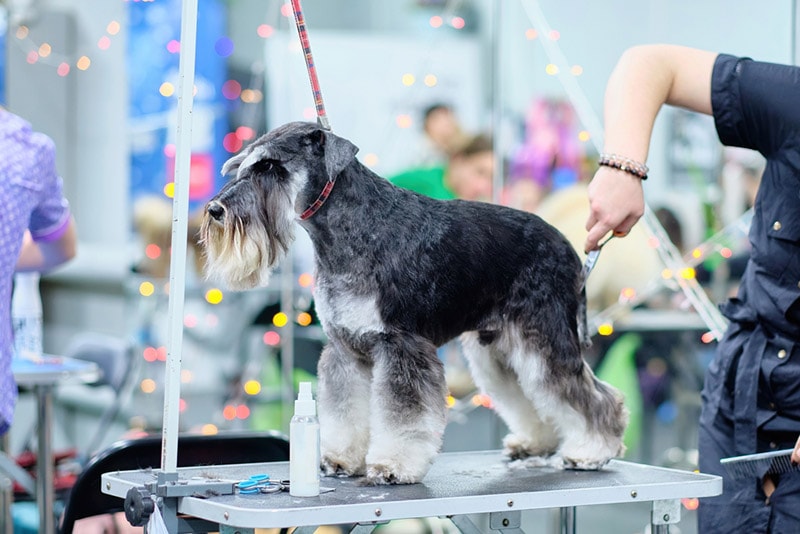
Miniature Schnauzers are great dogs, but they have a high-maintenance coat that requires routine care to keep it healthy and free of mats and tangles. There are multiple cuts that Miniature Schnauzers can be groomed into, but the traditional Schnauzer cut is the most common style this breed sports.
No matter what style your Miniature Schnauzer is cut in, there are steps you can take to maintain the health of your dog’s skin and coat at home between grooming visits or home grooming sessions.

The 7 Tips for Grooming a Miniature Schnauzer
1. Get the Right Tools

The first step in any Miniature Schnauzer grooming routine is to brush the coat out thoroughly. Make sure it’s free of any tangles or mats before you put your dog in the tub. Getting mats and tangles wet can sometimes make them more difficult to remove, so make sure to brush out what you can prior to the bath.
A slicker brush is the recommended brush for keeping the coat free of tangles and keeping the longer parts of the coat well groomed. A bristle brush is also a good brush to have on hand. Bristle brushes can be used every day or two if your dog likes it. This brush can help to remove minor tangles, but it also helps to distribute the natural oils on the skin thoroughly across the skin and coat, maintaining an overall state of good skin and coat health.
2. Give Routine Baths

There are multiple reasons that your dog might need a bath every so often, whether they like to roll in puddles or the vet has recommended medicated baths for a medical condition. Baths are also a good way to maintain good skin and coat health for your dog. Bathing too frequently poses the risk of drying out the skin and coat, leading to irritation, so it may take some time to find a routine that works well for your dog.
In general, Miniature Schnauzers need to be groomed every 4–6 weeks, so your dog will likely need a bath on this schedule, and potentially in between grooming visits.
Make sure your dog’s coat is thoroughly brushed out prior to bathing to prevent unintentionally worsening any tangles or mats. Avoid using shampoos and conditioners that are formulated for people, as well as dish soap and other stripping agents. Moisturizing shampoo and conditioner formulated for dogs often works best.
3. Perform Nail Trims

Nail trims are overlooked by many owners, oftentimes because they can be difficult to do at home. Some dogs are less cooperative than others, and trimming dark-colored nails can also be difficult to cut without cutting too short. A groomer or vet can keep your dog’s nails trimmed if you aren’t comfortable or able to do it at home. They can also teach you how to properly do this at home, allowing you to help keep your dog’s nails managed.
How frequently a dog’s nails need to be trimmed can vary based on how the individual dog’s nails grow, as well as how active they are and how often they are active on hard surfaces like concrete.
4. Maintain the Right Cut

While young Miniature Schnauzers may have more of a “puppy cut” than the traditional Schnauzer cut, Schnauzer cuts are recommended for adult Schnauzers. Your groomer can leave the beard or the skirt shorter if it’s easier for you to manage your dog’s coat. In many cases, they shave the skirt off completely, leaving the dog with a shaved body and bearded face. You may also choose to have your dog cut differently depending on the weather and the season.
Keep in mind that longer coats will be harder to maintain if your dog is going to be wet or hiking a lot. If you have specific coat concerns, talk to your groomer to determine the ideal specifics of your dog’s cut.
5. Keep the Teeth Brushed

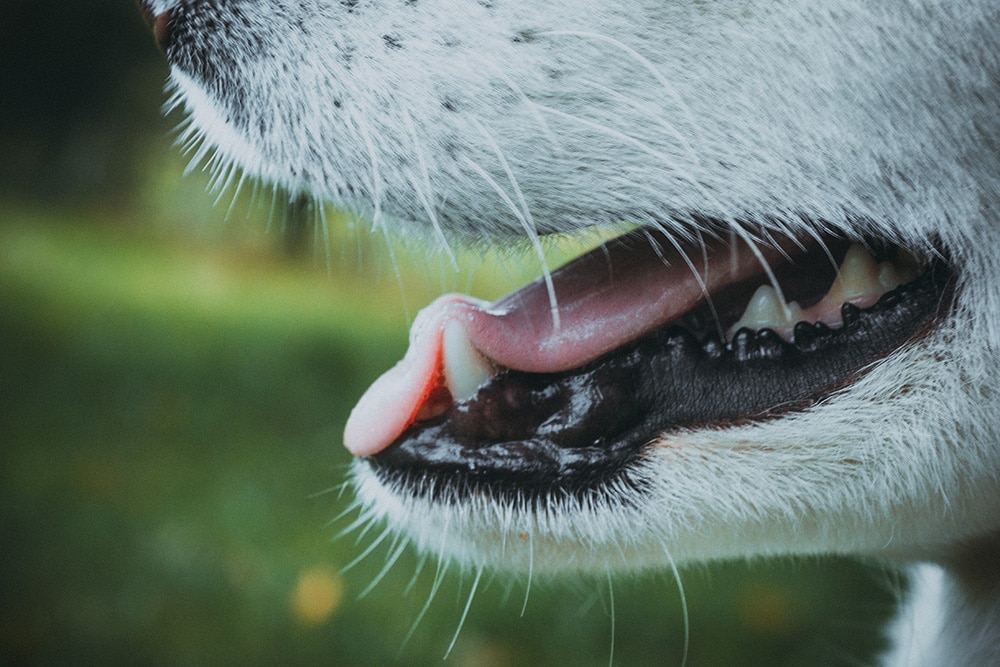
Home dental care is one of the most overlooked aspects of dog ownership. Many dogs are resistant to having their teeth brushed, and it seems to be something that is easily forgotten in busy day-to-day life. Dental health is extremely important to a dog’s overall health, though.
Dental disease can not only be uncomfortable and painful for a dog, but it can also allow bacterial overgrowth that can lead to serious medical concerns, like heart and blood infections.
Brushing your dog’s teeth at least a couple of times every week can greatly help to maintain their dental health.
Dental chews and crunchy kibble can help keep your dog’s teeth clean as well, but they don’t replace brushing. Teeth brushing can also help to maintain your dog’s teeth between professional dental cleanings by the vet. Make sure to only use dog-safe toothpaste since some ingredients in human toothpaste may be toxic to your dog.
6. Talk to a Vet About Ear Plucking

Ear plucking has long been the standard of grooming care for the ears of dogs with lots of hair within the ears, including Schnauzers, Poodles, and Shih Tzus. For dogs with chronic ear problems, plucking the ear hair can be a great way to keep the ears free of surfaces for bacterial and fungal infections to take hold or become trapped.
This practice has become standard for all dogs with hair in their ear canal, but the most recent science has indicated that ear plucking may not be necessary or even recommended for dogs with healthy ears. In fact, ear plucking may create small microtears and trauma within the ear canal, creating inflammation and access for naturally present bacteria and fungus in the ears to turn into infections.
It’s best to talk to a vet about ear plucking before they see the groomer. Not all groomers will be up to date on the most recent science regarding ear plucking, but a vet will be able to give you guidance.
Did you know you can speak to a veterinarian without having to travel? Just head over to PangoVet. It's our online service where you can talk to a vet online and get the advice you need for your pet — all at an affordable price!

7. Use the Right Clipper Blades
If you’re planning to groom your dog at home yourself, make sure you choose the right clipper blades for your dog’s coat. A #10 or #8 blade is recommended to be used on the body of a Miniature Schnauzer, giving them a tight cut without getting too close to the skin. The face is typically trimmed with grooming shears.
If you haven’t groomed a dog before, it’s best that you have a groomer teach you how to properly groom your dog. Working with shears around the face can be extremely dangerous if you are unsure of what you’re doing and using clippers incorrectly can lead to skin damage and irritation.


Grooming Too Often or Too Little
When it comes to having a Miniature Schnauzer, skin and coat care is a necessity. Grooming your dog too frequently can lead to skin and coat irritation and damage, sometimes even leading to infections due to imbalances in the skin. Slicker brushes have small, metal bristles that can easily lead to skin trauma if overused or not used properly.
Grooming your Schnauzer too little can lead to mats and tangles, which can lead to discomfort, pain, and even severe skin infections. Overgrowth of the nails can lead to pain and joint damage in the feet and legs, and broken nails can be painful and become infected.

Conclusion
Keeping your Miniature Schnauzer groomed requires a commitment to maintaining a complicated coat, but it is far easier to maintain your pup’s coat by caring for the coat regularly. If you wait too long between grooming, you will be playing catchup and may have trouble getting the coat back under control.
Working with a professional groomer who is experienced in the care of Schnauzer coats is a great starting point for keeping your dog’s skin, coat, and nails healthy, and developing a home dental care routine is the best thing you can do to keep your dog’s teeth and gums healthy.
Featured Image Credit: Ihar Halavach, Shutterstock
 The 7 Tips for Grooming a Miniature Schnauzer