In this article
As the owner of a female dog, the question of whether they experience a similar reproductive cycle to humans is valid. While it can be said that yes, female dogs clearly have a cycle in order to reproduce, they also have times in which they will have a bloody discharge. However, the female cycle in the bitch is different from that of female humans. In the canine world, the menstrual cycle is referred to as the estrous cycle, and periods of bleeding occur during the proestrus phase, or the beginning of coming into heat. Let’s look into this matter further and impart some valuable insights for you.

Do Female Dogs Get Periods?
As answered above, female dogs do not have menstrual periods like human women. However, they do go through a reproductive cycle. This is the time when a female is preparing for potential mating and reproduction to produce offspring.
Bitches reach puberty usually at around 6 months old, but this can be anywhere from 5 to 24 months, as it depends on factors such as size and breed type. Large breeds tend to reach puberty later than smaller breeds.
Typically, dogs will have a cycle every 6 to 10 months (twice a year), depending on their breed. A certain portion of this cycle involves bleeding and spotting, as well as experiencing a series of other physical and behavioral changes. We’ll discuss this more later.
What Are the Stages of a Dog’s Heat Cycle?
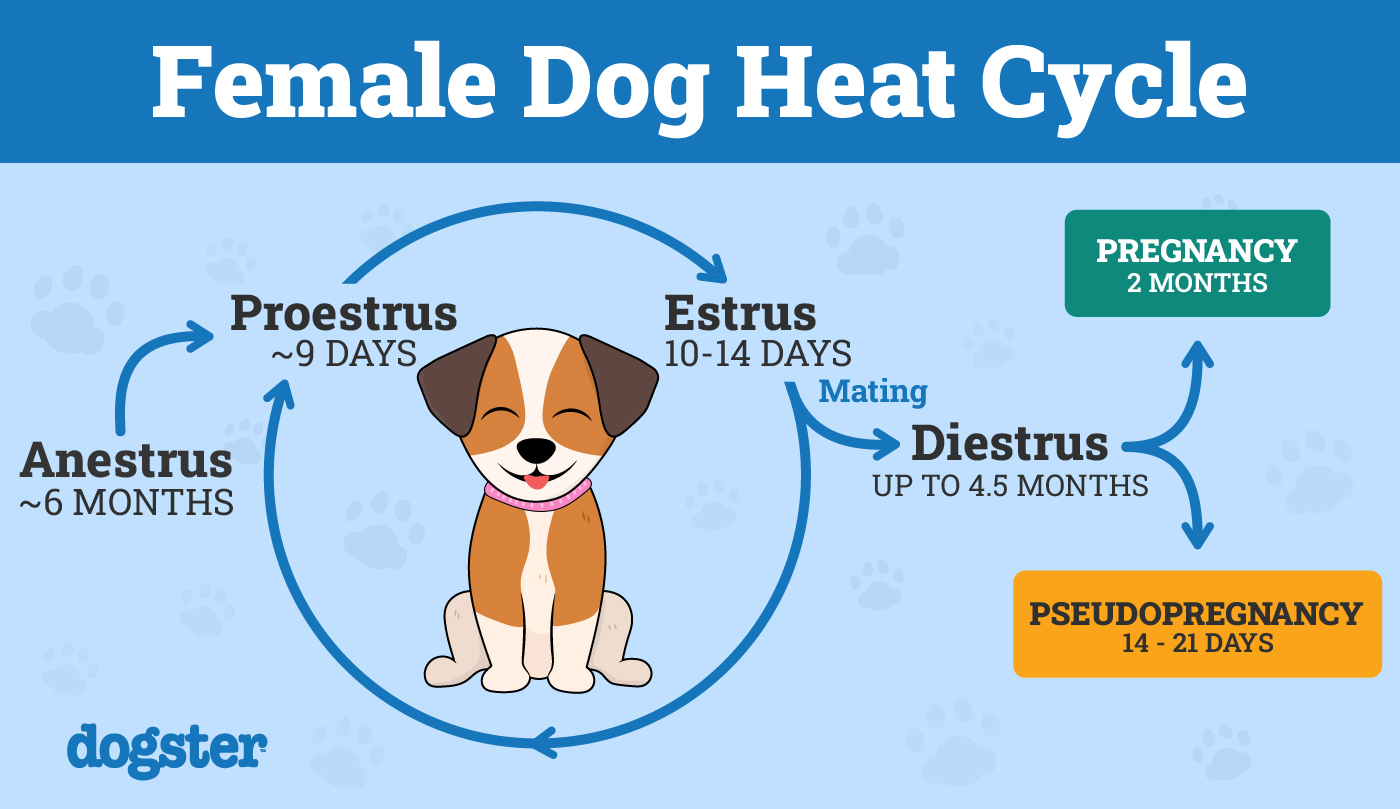
The four stages of the canine heat cycle are:
- Proestrus: Proestrus is the phase in which you will see bloody discharge due to the presence of high amounts of estrogen. You may also notice swelling of the vulva and she may show an interest in males but is not yet ready to breed. Proestrus lasts approx. 9 days.
- Estrus: As a pup moves into estrus, levels of estrogen drop and progesterone rises. This sparks a surge in luteinizing hormone to spur her into being receptive to a male. The bloody discharge typically turns a yellowish color, but there may be variation between dogs. A female will remain in estrus, and therefore, receptive to mating for 10 – 14 days, but it can be as short as one day or as long as 20.
- Diestrus: Diestrus starts once a female stops showing signs of receptivity. Progesterone will remain high whether or not she is pregnant, and then slowly start to decline towards the end of two months.
- Anestrus: Anestrus follows diestrus or having a litter. Progesterone will be low while the uterus repairs and prepares for proestrus again. This stage can last four months or longer.
Signs Your Dog Is in Heat
Recognizing the signs of your dog’s heat cycle is essential whether or not you plan to breed them. If you’re not planning to breed, you will want to keep your dog away from others when they start showing these signs. If you are looking to spay, you will want to wait until all signs of heat are gone.
- Swelling of the vulva
- The vulva may appear red or pinkish in color
- Increased urination but in smaller amounts
- A bloody discharge from the vulva (can range from light pink to dark red, and amounts and duration of the discharge can vary)
- Heightened friendliness toward male dogs
- May actively seek out potential mates
- Restlessness, changes in appetite, or increased aggression toward other female dogs
If you’re concerned about your pet’s well-being, we recommend consulting a veterinarian.
If you need to speak with a vet but can't get to one, head over to PangoVet. It's our online service where you can talk to a vet online and get the advice you need for your dog — all at an affordable price!
How Long Do Dog Periods Last?
Most female dogs will have a bloody discharge for 7-10 days. They will then be receptive to males for about a week in most cases, but can range from one day to nearly three weeks. The duration of your dog being in heat is an individual thing, and your female may be on either side of these ranges and still be considered completely normal.
It’s important to keep track of your dog’s heat cycles and note any changes in their behavior or physical appearance. This can help you anticipate future cycles and alert you to any problems that you may have to ask your veterinarian about.
How to Look After Your Dog in Heat
Managing your pooch while they are in heat requires some extra attention and care to ensure well-being and prevent unwanted pregnancies. Here are a few tips you can use during this time, or check in with your veterinarian, as they will be happy to advise on this further.
- Keep your dog indoors with, ideally, access to a secure garden/yard to prevent mating and unwanted pregnancies. If not, ensure all time spent outdoors is supervised.
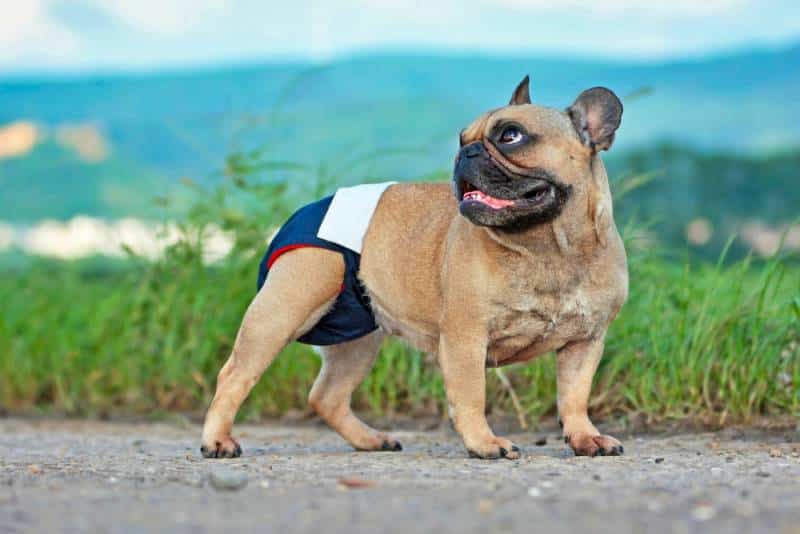
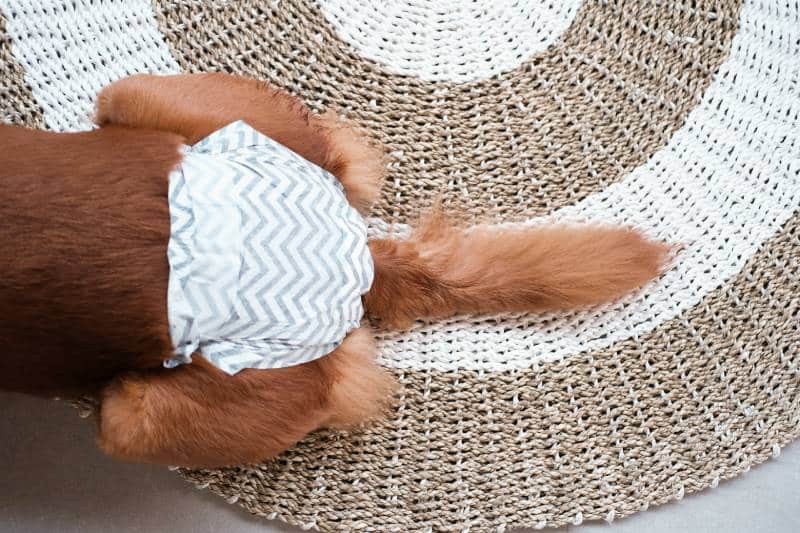
- Use protective garments, such as diapers, to help prevent the discharge from soiling and staining your furniture and carpets. These items are widely available and can sometimes be washed and reused to save money.
- Avoid off-leash walks. This will help to stop her from running off to find a mate.
- Provide extra comfort and attention, as they may experience discomfort and anxiety. Providing a comfortable and quiet space may help to alleviate this and offer rest and peace of mind. Be aware they can also show aggression, though.
- Keep their environment clean. Regularly clean bedding and living areas to prevent any odors building up that may attract male dogs
- Maintaining a regular grooming routine is key to keeping your female dog clean and comfortable during her heat cycle. Pay special attention to her genital area and clean it gently with warm water to prevent any irritation or infections. Make sure to brush out any tangles in the fur as well.
- Keep male dogs away. If you have unneutered male dogs in your household, it’s important to keep them separated from your female dog during her heat cycle. Male dogs can become very agitated and may become aggressive toward each other when competing for the female’s attention.
- Consult with your veterinarian if you have any concerns or questions about managing your dog’s cycles, and also consider spaying your dog if you do not intend to breed them. Again, your vet can advise on this and the best time to arrange it.
Conclusion
A dog’s reproductive cycle is very different from humans. They do experience a time with bloody discharge, but this time is different from what is referred to as a period in women. Rather, it is the time right before they become receptive to mating.
If you have a female dog, understanding the canine heat cycle (and your own dog’s unique one) is crucial so as to maintain their care, minimize unwanted pregnancies, and prevent any health issues from occurring.
By recognizing the signs of a dog in heat, understanding the duration of the heat cycles, and implementing the tips and information outlined here, you are well on your way to providing top-notch care for your dog during these testy times!
See also:
- Do Dogs Have Period Cramps? Vet-Verified Health Fact & FAQ
- Can Dogs Tell When You’re on Your Period? Vet-Verified Senses & Behavior Insights
Featured Image Credit: Firn, Shutterstock