Get

In Your Inbox

Dogster is reader-supported. When you buy via links on our site, we may earn an affiliate commission at no cost to you. Learn more.

Can Dogs Get Covid? Vet-Verified Health Info & Risk Management

Share

dog sad sick sleeping bored

The COVID-19 pandemic may have been declared “over”, and everyone may have returned to normal lives, but that doesn’t mean COVID-19 no longer exists. We now know what precautions to take with COVID-19 and better understand this virus, but COVID-19 is still a concern. As such, you may wonder if your dog can get COVID or you and your pup can transmit the disease to one another.

Your dog can catch COVID-19, although this virus isn’t believed to be a threat to canines; it’s also very rare for a dog to have COVID. If your pup has COVID-19, the chances of transmitting the illness to you are even rarer than that. And yes, you may be able to transmit this illness to your canine companion, but the chances of this happening are also extremely low. Here’s a closer look at what you should know about dogs and COVID-19!

divider dog paws oct 2024

Can Dogs Get COVID?

It’s been well-established that dogs can get coronaviruses. However, for the most part, the main coronaviruses a dog will get are canine respiratory coronavirus or canine enteric coronavirus, rather than SARS-CoV-2, the virus responsible for COVID-19.1 There have been a handful of reports over the years, though, about dogs contracting COVID-19.2 In these cases, it seems the dog caught COVID from a person they’d been in close contact with. The good news is that this illness is much less serious in canines.

So, even if your dog is suspected to have COVID-19, there’s no need to be overly concerned, as they should be just fine! There are also things you can do to help lessen the chances of your dog contracting this virus, which we’ll discuss below.

What Are the Signs of COVID in Canines?
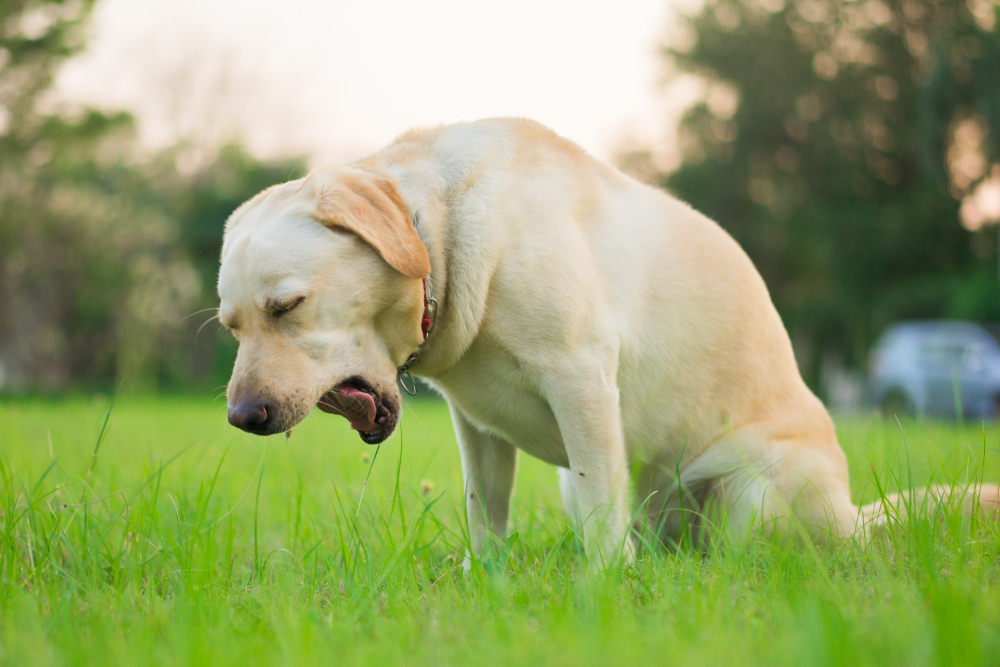
Sick and unhealthy yellow Labrador Retriever dog coughing in a park or Kennel cough symptom
Image Credit: Dhanoo Surasarang, Shutterstock

As with humans, some dogs may be asymptomatic, meaning they never show signs of having COVID. Other canines will show signs that they are sick, although you should understand that these signs can also signify more common canine illnesses that are not COVID. So if your pup is exhibiting any of the following signs, your vet will likely want to rule out other potential causes before considering testing for COVID-19. Signs can include:

  • Vomiting
  • Lethargy
  • Diarrhea
  • Discharge from the eyes
  • Shortness of breath
  • Coughing
  • Fever
  • Runny nose

As you can see, the severity of COVID-19 for dogs can vary but serious illness in dogs is fortunately extremely rare. If a dog becomes ill, they’ll likely have few signs, and any they do have will probably pass rather quickly.

If you’re concerned about your pet’s well-being, we recommend you contact a veterinarian.

If you need to speak with a vet but can't get to one, head over to PangoVet. It's our online service where you can talk to a vet online and get the advice you need for your dog — all at an affordable price!

PangoVet_Mention-in-Content Savings V1

Can My Dog Give Me COVID?

There is very little evidence that COVID can spread from canines to humans. However, it is possible for the virus to spread from human to canine in certain circumstances. You’re much more likely to catch COVID from someone else in your home, a friend, or a co-worker than your dog.

How Is COVID Treated in Dogs?
Dog Vet Checking Dog
Image Credit: Pressmaster, Shutterstock

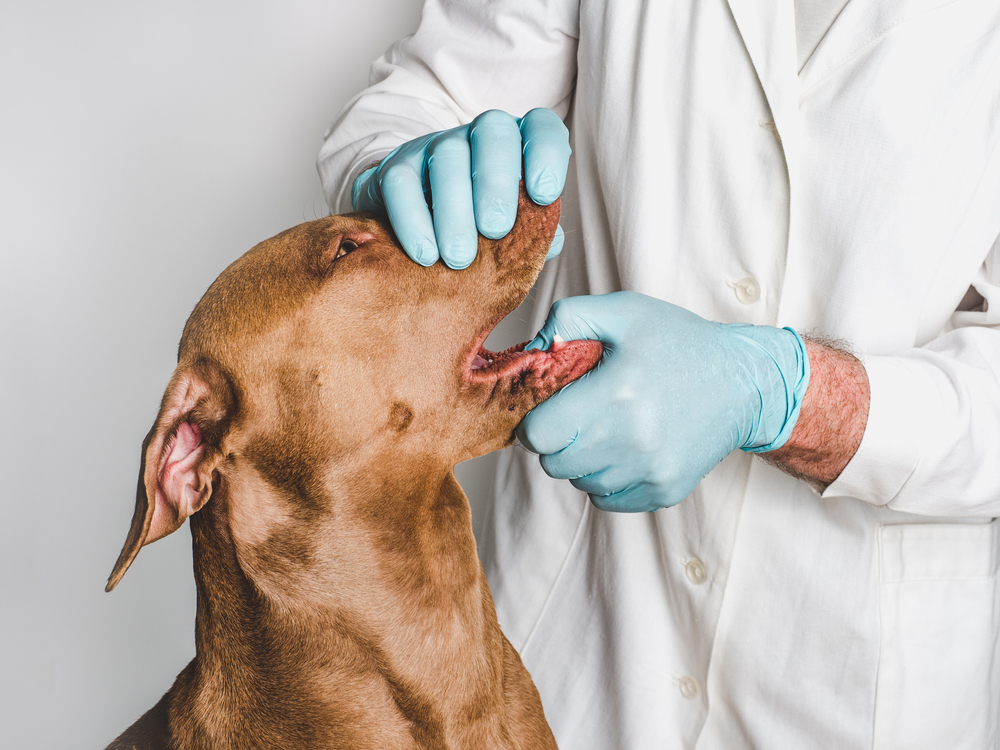
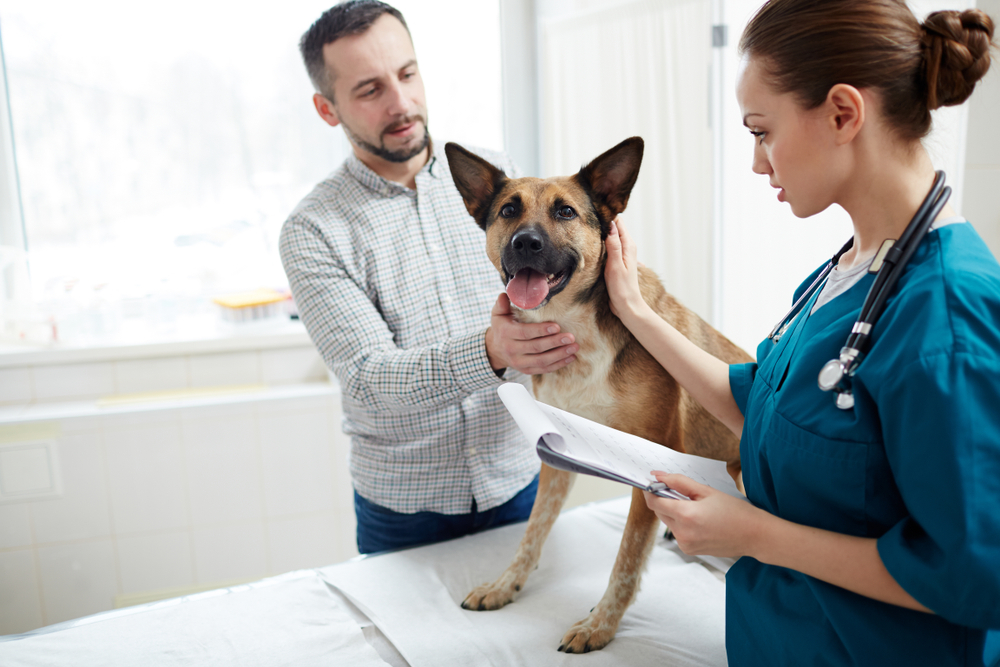
There isn’t a specific treatment for COVID in dogs (it should also be noted there isn’t a vaccine for dogs either). Treatment is generally symptomatic and supportive. Because canines are much more likely to have mild signs, managing them shouldn’t be too difficult. Your vet might recommend medication to deal with vomiting or a runny nose or request you change your pet’s feeding schedule. It simply depends on the signs and severity of the illness.

While your pup is sick, follow your vet’s advice. You may want to isolate them and wear gloves when you come in contact with them. There’s very little chance of you contracting COVID-19 from your dog, but that slight chance is there, so it’s better to be safe than sorry.

How Can I Reduce the Risk of My Dog Getting COVID?

Though the risk of your dog catching COVID-19 is small, there are still things you can do to further reduce that risk (and things you should not do).

  • If you or other people in contact with your pup have tested positive for COVID-19, then it’s advisable to take extra hygiene precautions and avoid letting your dog lick people’s faces.
  • If you are isolating and you need to keep them home then ensure they get enough physical and mental stimulation!
  • Sticking to walking in areas that don’t have a lot of people will reduce risk. The fewer people around, the less chance your dog has of getting COVID.
  • Be sure you’re feeding your dog a high-quality, healthy diet.
  • Wash your hands well before and after handling your pup’s toys, food bowls, etc.
  • Don’t put a mask on your dog!
  • Never use hand sanitizer or any other chemical sanitizer/disinfectant on your pet!

divider dog paws oct 2024

Final Thoughts

COVID is still a concern, even if the pandemic has been declared over, so it’s good to continue being safe. If you’re concerned about your dog getting COVID-19, the good news is that COVID in canines is rare, and if your dog does get sick, signs are usually relatively mild (or even non-existent). You also don’t need to worry about your pup passing COVID to you or other people in the home, as this is extremely unlikely to occur. Chances are higher than you’ll pass this illness to your dog; however, this, too, is very rare. You can also take steps to lessen the chances of your pup acquiring COVID to almost nil!

See Also: 

Sources
 

Featured Image Credit: Przemek Iciak, Shutterstock

Want content like this delivered to you?

Sign Up For Our Newsletter

News, insights, expert advice, and everything dog

* By submitting, you agree to our Terms & Conditions and Privacy & Cookies Policy.


How useful was this post?

Click on a star to rate (you can leave written feedback after clicking submit)

Help us improve Dogster for pet parents!

Your feedback really matters.

What did you like about this post? Also how can we improve it?

Join the conversation

Leave a Reply

You’re very welcome to leave a comment or question. Please know that all comments must meet our community guidelines, and your email address will NOT be published. Let’s have a positive and constructive conversation.


Talk With A Vet Online

Peace of mind,
anywhere, anytime

Affordable vet advice

Ask Dr. Paola- Help! My Dog’s Sleeping Habits Have Changed! (May 18, 2026)

Welcome to our “Ask Dr. Paola” series, where every Monday we bring expert advice straight from Dr. Paola Cuevas (MVZ) to help our...

The Crate Setup Most Dog Owners Get Wrong (And How To Fix It!)

Most people assume that if their dog hates the crate, the crate is the problem. So they try a bigger one, a different...

1,500 Beagles Rescued from Wisconsin Lab Farm – Here’s Where They’re Going

You may remember that a few weeks ago, we reported on a tense situation at Ridglan Farms, Wisconsin, a facility infamous for housing...

Dogster’s Weekly Photo Contest Winners: Window Watchers (May 11, 2026)

Every week our team gets the privilege of sorting through our readers photos to choose what dogs will win this weeks contest! See...

More related

Vets Say This Common Dog Mistake Could Hurt Their Health – Why You Should Brush Your Dog’s Teeth Today

Let’s be honest—most dog parents mean to brush their pup’s teeth, but life gets in the way. Then suddenly your dog is 5...

Can Dogs Eat Gingerbread? Vet-Verified Nutrition Facts & Safety Guide

Gingerbread is a holiday staple many people enjoy for the flavor and nostalgia. While dogs can eat certain holiday foods safely, it’s not...

24 Gray Dog Breeds: Info, Pictures, Origin & History

Black, white, and brown are the most popular coat colors in dogs. Gray, in contrast, is not that common, but that’s exactly what...

Abnormalities of Dog Pregnancy – 8 Common Problems (Vet Reviewed)

It’s a very exciting time when your dog is pregnant. In most cases, things will go smoothly, and you’ll end up with several...

Keep reading

Can Dogs Drink Apple Juice? Vet-Verified Nutrition Facts & FAQ

Dogs can enjoy many different kinds of fruit, and apples are among the most popular fruits to give to them. While most dogs are perfectly content with eating apple slices, they can also eat different forms of apples, including applesauce...

11 Best Dog Foods for Dental Issues in 2026 – Reviews & Top Picks

Dogs are prone to dental problems just like humans. In fact, according to the American Veterinary Dental Society, 80% of dogs will have some form of dental disease by the time they are 3 years old.1 This can lead to...

Dog teeth zoomed in_Andriyko Podilnyk_Unsplash

Can Dogs Eat Sprinkles? Vet-Verified Nutrition Facts, Risks & Alternatives

Having parties and celebrations for dogs has become more common in recent years. While there’s absolutely no problem with planning parties for your dog, it’s important to provide dog-safe food and snacks. A common treat present at parties is sprinkles....

Dogster-Can-Dogs-Eat-Sprinkles

7 Best Foods for Great Dane Puppies in 2026 – Reviews & Top Picks

When it comes to taking care of our dogs, we only want to give them the best. This is especially true for those who own a Great Dane puppy as these large breed dogs are fast growers and require specific...

great dane puppy

What Time Should I Feed My Dog? Vet-Verified Feeding Guide

Canine nutrition can feel like an impossible labyrinth to navigate, whether you’re a first-time dog owner or not. There is so much information—and misinformation—out there, making it hard to know exactly what time of day to feed your dog and...

Schnauzer puppy dog eating tasty dry food from bowl

10 Best Dry Dog Foods in Australia in 2026 – Reviews & Top Picks

Since the dog food industry in Australia is not well-regulated, finding a safe and healthy diet for your pup can be a daunting task. Even if you know you want your dog to eat dry food rather than canned, your...

dalmatian dog eating dry food from a bowl

Are Dogs Allowed in Whole Foods? 2026 Pet Policy & FAQ

Many people like to shop with their pets, and you likely have seen a few dogs in stores during your shopping excursions, which might cause you to wonder if you can take your dog to the local Whole Foods. Unfortunately,...

woman holding shopping cart at a market

Can Dogs Eat Pecans? Vet-Reviewed Facts & Safety Guide

If your dog is a dedicated beggar, it can be hard to resist sharing your food with them. Pecans and other nuts are popular snacks for humans, but are they okay for dogs? b>While pecans aren’t classed as toxic according...

Can Dogs Eat Pecans

Love Dogs? So Do We! Join the Dogster Community

Stay informed with expert pet care insights delivered straight to your inbox! Discover professional guidance on animal behavior, feeding tips, trusted product picks, and much more.


Sign up for the Dogster Email Newsletter