In this article
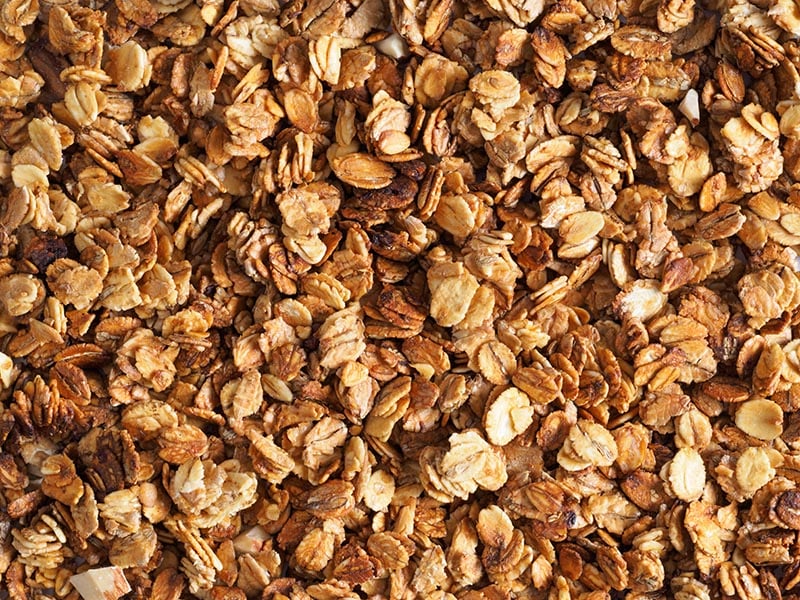
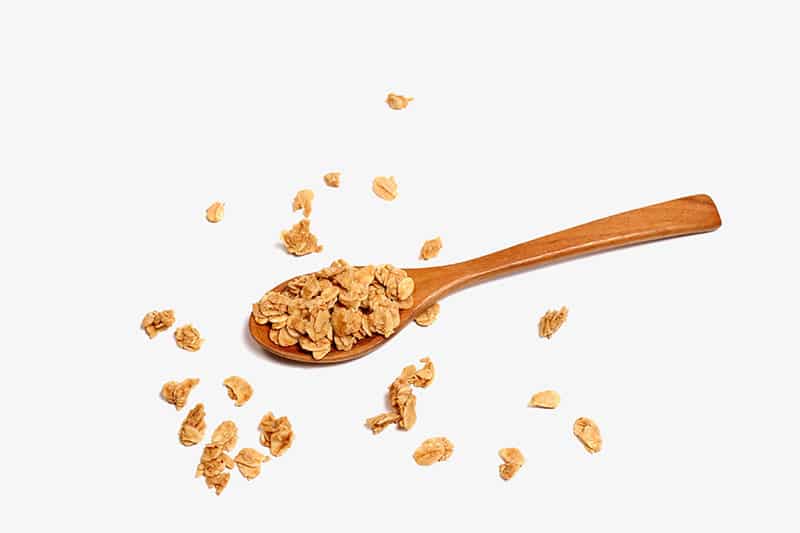
Dogs technically can eat plain granola but only in moderation. It isn’t toxic in most cases, but it isn’t exactly healthy either. Granola can contain all sorts of ingredients, and some of these are not safe for dogs.
For instance, raisins, grapes, macadamia nuts, xylitol, and chocolate are all toxic to canines. Granola can also contain excessive sugar, salt, and fat, which aren’t healthy for dogs. In certain cases, granola may cause stomach upset, especially if your pet isn’t used to eating it.
Let’s take a deeper look at how healthy granola is for dogs.

Why Shouldn’t Dogs Eat Granola?
There are both safe and unsafe ingredients in granola. The base of plain granola is typically rolled oats or puffed brown rice. These are generally safe for dogs, and they may even provide nutritional benefits like added fiber. Granola may also contain other safe ingredients, like pumpkin seeds and flaxseeds. Some dried fruits, such as apples and bananas, are also safe.
If granola only contains these ingredients, it is likely safe in small amounts. It won’t be a nutritionally complete option for your dog to eat, but it will be safe enough for them to eat a little occasionally.
Sadly, it is common for granola to contain unsafe ingredients too.
- Raisins and grapes: These can cause kidney failure and should never be fed to canines even in small amounts.
- Chocolate: Just about everyone knows that chocolate is toxic to dogs. It contains theobromine, which is toxic to canines and can cause vomiting, tremors, and even death in larger amounts.
- Xylitol: This artificial sweetener can cause hypoglycemia in dogs in very small amounts. It can quickly lead to weakness, seizures, and liver damage.
- Macadamia nuts: While canines can eat certain types of nuts, macadamia nuts are commonly included in granola, and these are toxic to dogs.
While not necessarily toxic, there are other ingredients that aren’t good for your dog. For instance, many granola mixes have added sugars, honey, and syrups. These are okay in small amounts, but they can contribute to weight gain and obesity if fed in excess. Oily, fried nuts can also cause gastrointestinal upset and pancreatitis.
Dangers of Feeding Your Dog Granola
It is vital that you only feed it to your dog in small amounts. While many of the ingredients are technically safe, it’s important to remember that granola isn’t formulated for canines. Even seemingly healthy ingredients like oats and some types of nuts can be problematic if your dog eats too many of them.
- Caloric density: Granola is dense. Therefore, it is easy for dogs to eat tons of extra calories from granola. In many cases, this can lead to excessive weight gain.
- Fiber overload: Much of granola is fiber. Canines do need some fiber, but they may experience digestive issues if they consume too much.
- Nutritional imbalance: Granola is not balanced for dogs and it doesn’t contain everything they need. You don’t want your dog filling themselves up with unhealthy foods like granola, as they may not eat enough of their balanced food to get the nutrients they need to stay healthy.
You should also consider your dog’s health before feeding it to them. Some canines may not be able to eat even a small amount of granola due to underlying health issues or sensitivities. For instance, dogs with diabetes should not be fed granola; you should always stick to the diet plan your vet has advised.
Canines may also have sensitivities to these ingredients. While this won’t necessarily lead to serious health issues, it can cause digestive upset. Some dogs just can’t deal with the fiber and sugar content in granola.
If you need to speak with a vet but can't get to one, head over to PangoVet. It's our online service where you can talk to a vet online and get the advice you need for your pet — all at an affordable price!
How Much Granola Can Dogs Eat?
If you are still keen to share plain granola with your pup, portion sizes are especially important.
- Small dogs: Less than a teaspoon
- Medium dogs: 1–2 teaspoons
- Large dogs: Up to 1 tablespoon
Of course, these are just guidelines. Sometimes, dogs may only be able to tolerate a very small amount of granola before they experience stomach upset. Other times, they will be able to tolerate much more (though that doesn’t necessarily mean that you should give it to them).
As always, less is more with granola. It isn’t nutritionally complete in any sense, so it’s important not to let your pet eat too much of it, even if they seem to react just fine to it. All treats, including granola, should not account for more than 10% of your dog’s daily calorie intake.
Can Dogs Eat Granola Bars?
Due to the reasons outlined here, it’s best to avoid giving your pup granola bars, even if they are free from potentially toxic ingredients. These bars are often high in sugar and are not suitable for canines. However, if your dog manages to sneak a few bites of a granola bar without toxic ingredients like raisins or xylitol, they will most likely be fine.
If you don’t have access to the ingredient list or are at all concerned, it’s best to get in touch with your vet.
Alternatives to Granola
If you’re concerned about granola, there are plenty of alternative treats you can feed your dog. These are often safer and more nutritionally suitable for canines.
Here are general guidelines to follow based on your dog’s size:
- Homemade treats: You can make homemade treats similar to granola using ingredients like pumpkin and sweet potato. Making homemade treats does require more work than purchasing treats, but it allows you to ensure the treats are healthy and made with safe ingredients.
- Freeze-dried meat treats: Treats that contain practically only meat are good choices for dogs. These contain protein and none of the ingredients that canines should be avoiding.
- Commercially-made dog treats: Commercial treats were made for dogs, so they are a good choice for practically all canines. Of course, you should choose treats specific to your dog’s needs and size. Ideally, you should choose treats with limited sugar and artificial ingredients.

Final Thoughts
Plain granola is not toxic to dogs, but it isn’t healthy for them, especially if given in high amounts. It can contain toxic ingredients, like raisins, so it is vital that you check the ingredient list. Xylitol is also highly toxic to canines even in small amounts, and it is sometimes added as an artificial sweetener.
While plain granola is technically safe, we only recommend it in very small amounts—even if it is free of toxic ingredients. It isn’t nutritionally complete, and many dogs will experience stomach issues if they consume too much of it. Plus, it’s very calorically dense, so a little bit goes a long way. Overall, there are far healthier treats to give your dog.
Featured Image Credit: Olena Rudo, Shutterstock