Can a Labradoodle Be Left Alone? Considerations & Vet-Approved Tips


In this article
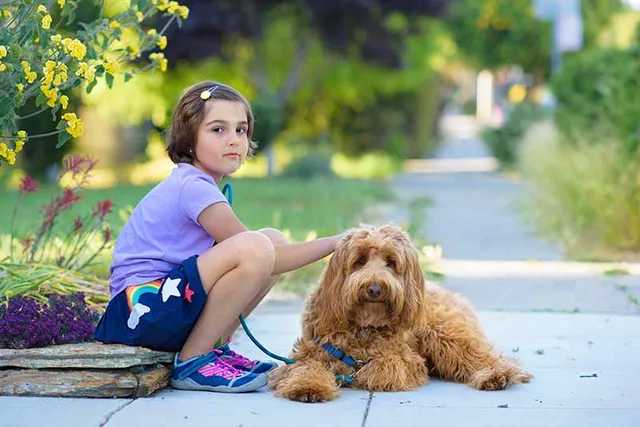
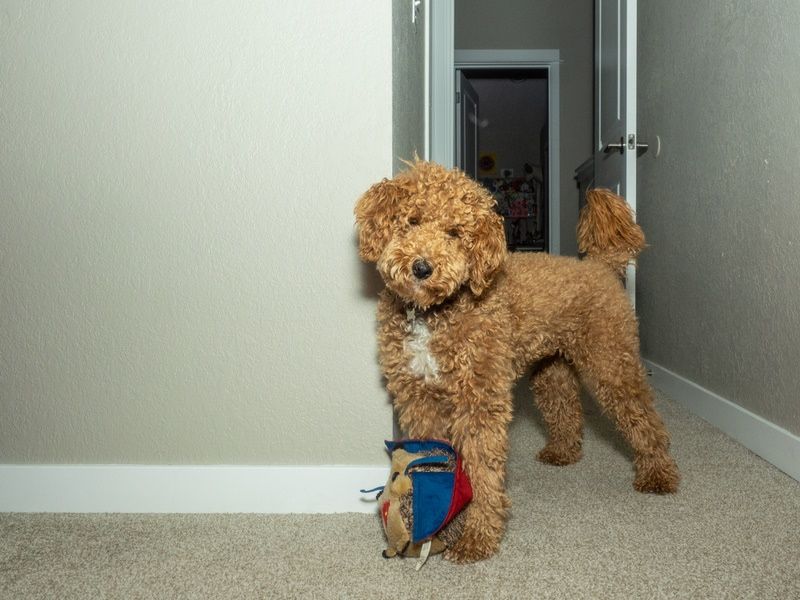
The Labradoodle is a mix of a Poodle and a Labrador Retriever, so they have the qualities of both breeds. They have the friendliness of their Poodle parent and the socialization capabilities of their Labrador parent. That means they like to be around their human companions and family.
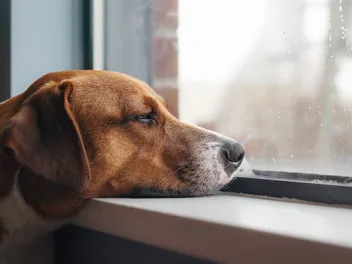
But what if you need to leave home for a long time? Can Labradoodles be left alone? While Labradoodles can be left alone at home for short periods, you must train them in order to avoid isolation anxiety and destructive behavior.
Let's learn more about leaving Labradoodles at home alone safely.

How Long Can You Leave a Labradoodle Alone?
Although the Labradoodle is a social breed, you can leave them alone for around 8 hours when they’re an adult. However, if you have a puppy under 6 months, you should not leave them alone for more than 2 hours.
So, if you're a busy person or have long work hours, you should not get a puppy. Even with adult dogs, taking precautions for your dog's and home's safety is essential. Do not leave your dog at home alone overnight or for multiple days.

How to Leave Your Labradoodle Alone at Home
You cannot simply choose one day to start leaving your furry friend at home alone without a strategic approach or some training. Instead, follow these steps to ensure your Labradoodle stays happy and safe at home.
Create a Safe Space
Labradoodles can relax and stay calm without being scared when they have a safe space. Select an area in your home that fits their personality and other needs, like a crate or specific room.
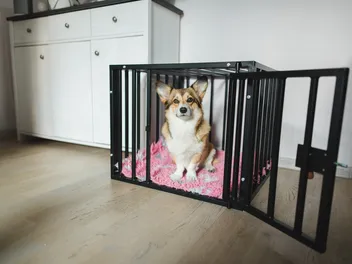
Crates make good safe spaces. But if you plan to confine your dog for 6 to 8 hours, their crate is not the right place to leave them. Use it when you're only going out to shop for groceries or run quick errands.
For longer periods, choose another place, like a shaded patio or a designated area like the living room. You can also leave the crate open so your dog knows that they can go around the house feeling safe.
Do note that adult Labradoodles are hard to crate-train. If you have a pup, start training them at an early stage so they are fine spending time in the crate while you're out and about.

Keep Your Labradoodle Busy
When dogs get bored, chaos often follows. There are quite a few ways to keep your dog busy when you're not there to play with them. For example, if your dog has a favorite toy or likes to play with random objects, leave the item in a safe place for them to play with.
You can also try to give them food puzzles, as these also help with mental stimulation. If your dog is a fan of hide-and-seek, you can hide objects around the house for them to find. If you have the space, try an automatic fetch machine.
It helps to switch up the activities so your pup doesn't lose interest. Just make sure that whatever toys you leave behind are safe for your dog. If your Labradoodle is a strong chewer or has a history of ingesting nonfood objects, you have to be extra careful.
Keep Your Dog Entertained
You can leave the radio or the TV on for your dog. You can find many curated videos on YouTube that can create a calm environment for your home-alone dog. Or you can play calm and relaxed music for your pet to enjoy while you're not home. Make sure you choose soothing music instead of fast-paced sounds that might stress your pup out.

Use a Pet Calming Diffuser
Dog pheromone products can help improve fear- or anxiety-driven behavioral issues,1 such as noise phobias, travel stress, or separation anxiety. You can use a pet calming diffuser to keep your dog calm in your absence. These synthetic pheromone diffusers work by mimicking natural pheromones, helping dogs feel calm and at ease. They are also odorless and don't contain toxic chemicals to harm your pet.
Make It Casual
If you're going to get all mushy or teary-eyed every time you have to leave your dog behind, they will sense your emotions. Instead, you should leave without feeling guilty or stressed. Make sure you leave as calmly as possible so your pet doesn't make too much of it.
Do the same when you return home. While you want to greet your furry friend nicely and give them extra hugs and kisses, you should try limiting this for a while so your dog doesn't start expecting a big fuss whenever you return and feeling anxious when you're not around.

Tire Your Labradoodle Out
Try to tire out your dog if you have time in the morning before leaving for work. For example, you can play fun games with them while you get ready for work or have breakfast. Or you can take your pup out for a walk.
Tiring your dog out will help reduce the time they spend awake while you are gone. So, there's a low risk of your Labradoodle feeling bored and anxious or indulging in destructive behavior.
What If Your Labradoodle Has Separation Anxiety?
If your pet has separation anxiety, leaving them at home alone will be a bit difficult. Here are some signs of separation anxiety in dogs:
- Defecating and Urinating: Some dogs defecate or urinate when they are alone for long periods. Even if your dog is trained to go in a specific spot, they might not do so. If you leave them for too long, beyond their time when they typically go outside, an accident would be expected as a biological need.
- Barking: Dogs with separation anxiety often howl or bark when left alone. The barking is consistent and has no trigger other than being alone or without their guardian.
- Destruction and Chewing: Some dogs also chew on door frames, windowsills, and other objects around the house if they have separation anxiety. Their behavior not only harms their owners' belongings but can also lead to self-injury.
- Escaping: Does your Labradoodle try to escape when you leave them home alone? It's possible they have separation anxiety. For example, they might chew through doors to find a way out.
If your Labraoodle has separation anxiety, you should work on fixing that before you start leaving them home alone. Speak to a vet.
Leaving a Labradoodle at Home Alone: A Checklist
Before you leave, use this checklist to ensure your dog is as comfortable as possible.
Even if you tick everything off the checklist, you should not leave your Labradoodle at home alone overnight. Have someone stay with your pup at home, or hire an overnight pet sitter.

Alternatives to Leaving Your Labradoodle at Home Alone
If your dog has separation anxiety or you cannot stand the thought of them being at home alone, opt for alternatives.
First, you can hire a dog walker to take your pup out for a stroll during the day. Second, you can pay more for a dog sitter to look after your pet while you're gone. You can also ask a friendly neighbor to pop in every few hours to check if everything is okay. Similarly, if you live with your family, other family members can take care of your dog while you're gone.
If none of this is possible, you can look for pet daycare centers in your area. Most of these places have training and socialization programs too. You can enroll your four-legged buddy into one of these programs to keep them busy while you're off at work.
Conclusion
Labradoodles love being around their human companions, but they don't mind being left alone at home as much as some other breeds, like Border Collies and Chihuahuas.
Despite that, it's important to take all the necessary measures for your dog's comfort and safety. Create a safe space for your Labradoodle where they can move around, eat, drink, and play without feeling confined.
Also, provide plenty of entertainment options so your little friend doesn't get bored and try to entertain themselves with your precious belongings. Most importantly, if your dog has separation anxiety, do not leave them home alone, and look for ways to help them overcome it.
Related Read: Will a Labradoodle Get Along With My Cat?
Featured Image Credit: Mariusz S. Jurgielewicz, Shutterstock
Expert dog care, straight to your inbox
News, insights, expert advice, and everything dog.

No spam — unsubscribe anytime.
By signing up, you agree to our Terms & Conditions and Privacy & Cookies Policy.
How useful was this post?
Click a star to rate. You can leave written feedback afterwards. (We read all feedback.)
Jeff is a data privacy tech professional who spends his evenings writing and practicing photography. He's been a software team lead at various Fortune 100 startups for 20 years and loves to relax after work with his pets.