In this article
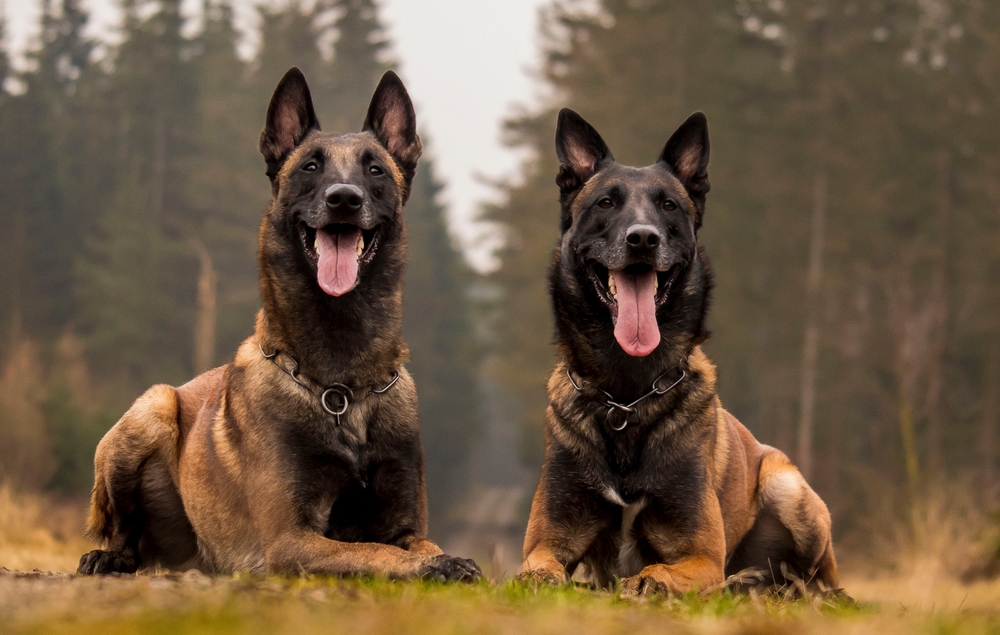
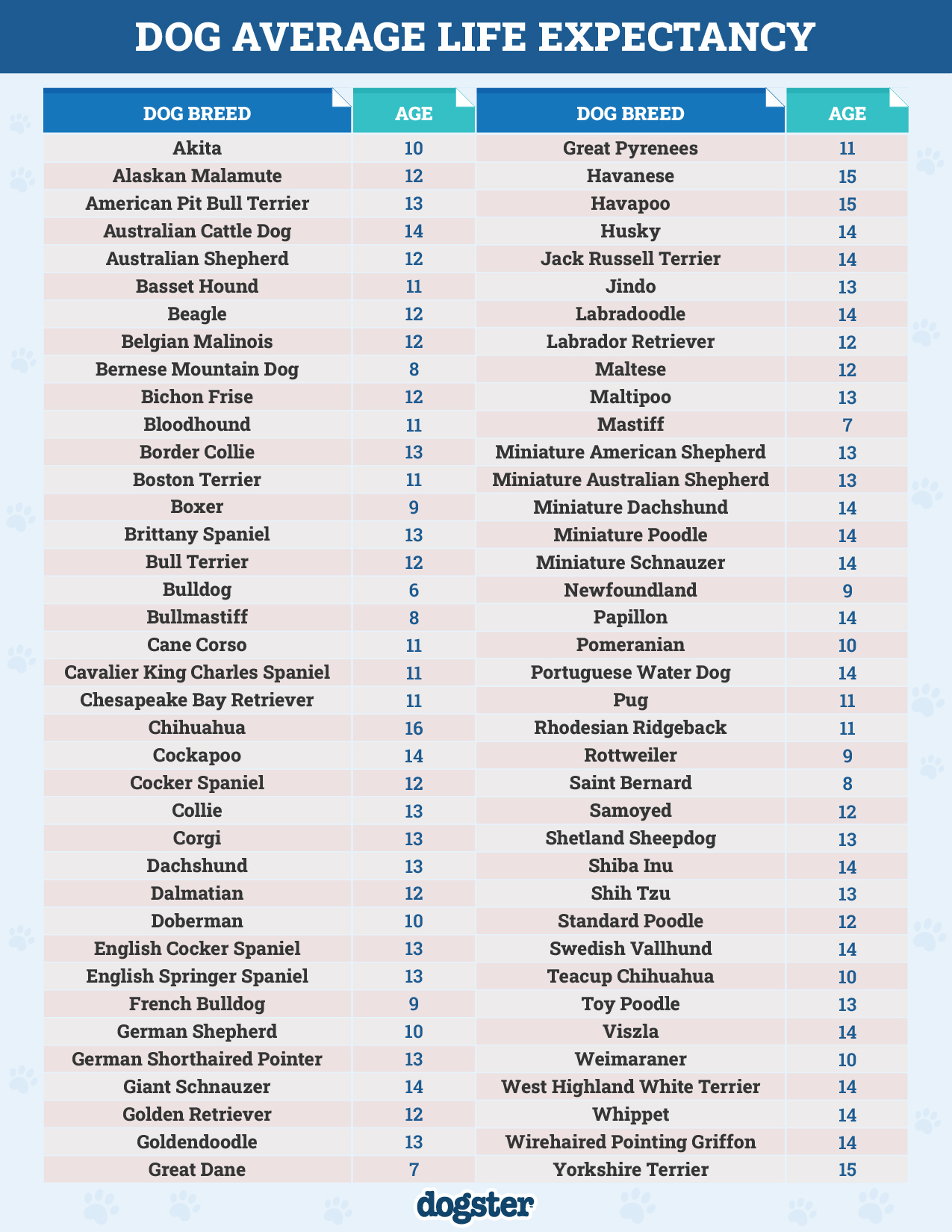
View 3 More +The Belgian Malinois is an energetic, intelligent dog that has gained a lot of social media coverage for its athletic prowess. With consistent training, a good diet, and plenty of exercise, this working breed can live between 12 to 14 years.
Owners should look for signs of conditions including both elbow and hip dysplasia, and ensure they have routine vet checkups to ensure the longest possible life for their Malinois.

Belgian Malinois Average Lifespan
Many factors, including genetics, can influence how long a dog will live, but the breed does play a part. The Belgian Malinois is a working breed that is similar, in many ways, to the German Shepherd. It requires a lot of exercise and needs a high-protein diet to support the physical exercise.
The average lifespan for the breed is 12 to 14 years, though many things can factor into this.
How to Care For Your Belgian Malinois for a Long Lifespan?
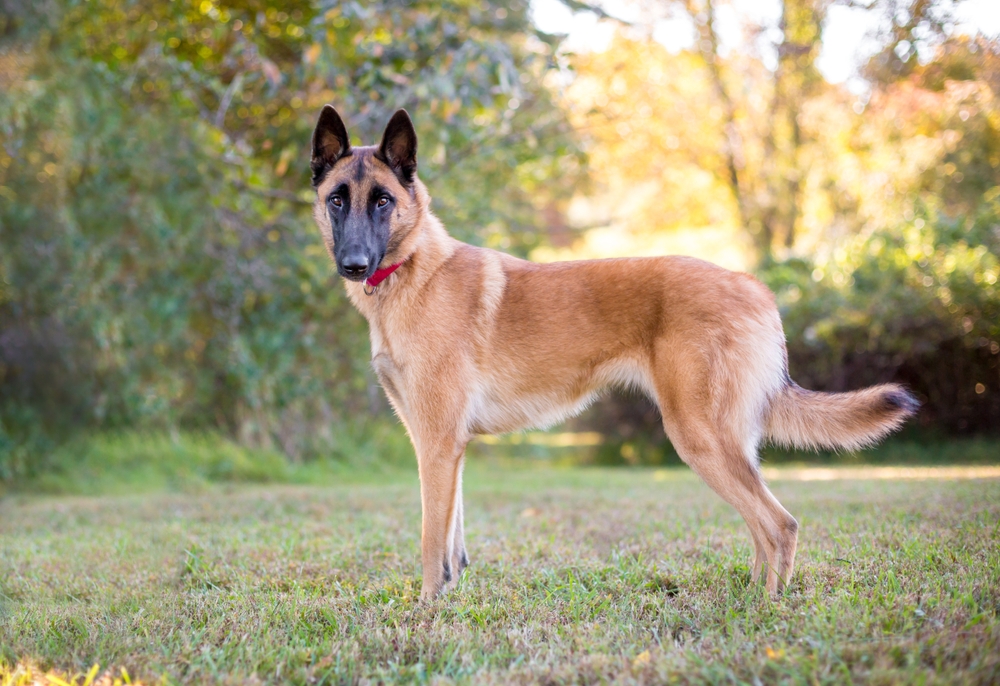
Although genetics does play a part in determining how long a dog will live, there are steps owners can take to help try and ensure as long a lifespan as possible for their dog.
1. Feeding & Diet
All dogs need healthy, balanced diets to ensure they live a long and healthy life. The ideal diet depends on a dog’s breed, size, and age, as well as activity level and health condition. Choose a food that is appropriate for your dog’s age and condition, and feed according to your vet’s instructions, if they’ve given any, or by the manufacturer’s guidelines, if not. Ensure treats are healthy and keep the number of treats fed to a minimum—it is advised that dogs receive 10% or less of their daily calorie intake in the form of treats.
2. Environment
Exposure to harmful substances and potential accidents can obviously have a major impact on a dog’s lifespan. And, dogs thrive when they’re in safe, appropriate environments. Physically stressful or unsafe environments can shorten a dog’s lifespan, so a happy home life can help ensure a long life for your canine companion.
3. Care
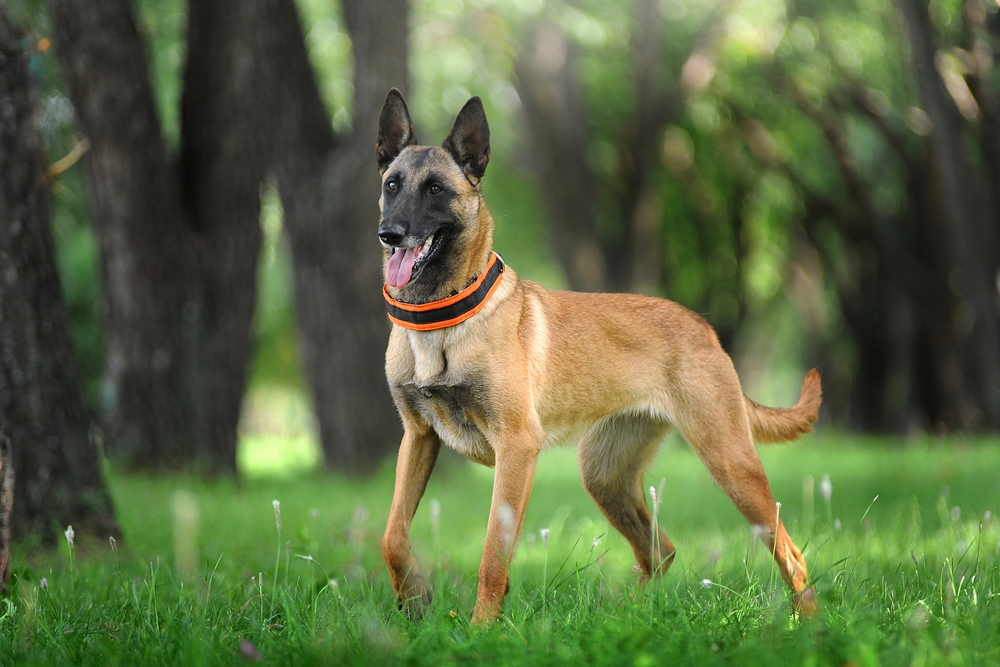
As well as ensuring a good diet and access to fresh drinking water, other elements of care can impact a dog’s likely lifespan. Dogs need regular exercise. Some small dogs only need 30 to 45 minutes of gentle walks a day, but active breeds need 90 minutes or more and benefit from more intense forms of exercise, as well as activities that stimulate the brain.
You will need to ensure your dog is dewormed and has regular flea treatments, while also brushing their coat, brushing their teeth, and looking for signs of infection or problems in the ears and eyes.
4. Cleaning
Grooming can enhance the bond between dog and owner. It is also a good opportunity for you to look for signs of illness or injury, and it can help wash off any allergens, toxins, and other harmful substances. Choose a natural shampoo, bathe your dog every 2 months or so, and consider regular professional groomer visits if they are especially dirty dogs.
5. Pairing/Breeding
Breeding, especially for bitches, puts pressure on the body. What’s more, certain cancers are common in unaltered dogs, so neutering and spaying represents an effective method of helping to ensure a long and healthy life for dogs.
6. Healthcare
Your dog needs regular checkups with the vet, as well as some home healthcare. Regular flea and worm treatments are essential, for example, and regular teeth cleaning can help prevent dental disease, which is common in dogs.
Look for signs of illness, monitor your dog’s food and water intake, as well as their levels of peeing and pooping, and consult your vet if they show signs of illness.
If you need to speak with a vet but can't get to one, head over to PangoVet. It's our online service where you can talk to a vet online and get the advice you need for your dog — all at an affordable price!
The Life Stages of a Belgian Malinois
Although individual dogs do age and mature at different rates, most dogs of the same breed follow roughly the same pattern.
1. Puppy
From the day you get a new puppy up until the age of about 6 months, they are developing very quickly, learning new things every day. Puppies should be given an appropriate puppy diet with training and socialization starting as soon as possible.
2. Adolescent
From the age of around 6 months to 12 months, a young dog is still a puppy but rather than being confined to the house and its own yard, it will be going out on regular walks. Training and socialization should be in full flow at this stage, and the young adolescent should still be given puppy food to aid proper development and growth.
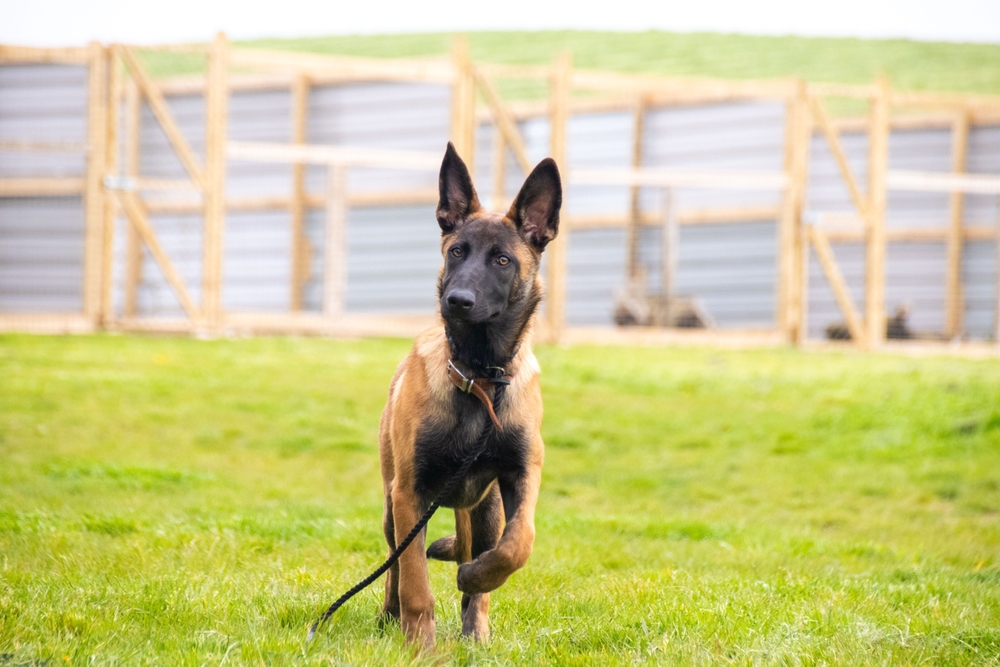
3. Adult
From the age of about 12 months, a puppy transitions to adulthood. Food should be changed to an appropriate diet, typically lower in protein and containing vitamins and minerals that are designed for maintenance rather than growth and development.
4. Senior
There isn’t really a strict timeline for when an adult dog becomes a senior, but most nutritionists agree that between 7 to 10 years is an appropriate time to move to senior food, which is fortified to help with mobility, sight, and cognitive issues. This should be done in conjunction with a discussion with your dog’s vet.
How to Tell Your Belgian Malinois’s Age
Most owners have a good idea of their dog’s age, based on how long they have had the dog and whether it was a young puppy when they got it. But, if you have adopted an adult dog, it can be more difficult to tell.
Your vet will look at the dog’s teeth and other health factors and be able to give a reasonable estimate of the pup’s age based on its condition, but if it has been neglected, this isn’t necessarily a reliable indication of age, either.
Conclusion
The Belgian Malinois is a lively, active, agile, athletic dog breed that is used in a variety of service roles while also proving a popular pet breed. A healthy Malinois kept in a safe environment and given proper care, nutrition, and healthcare, can live to around 14 years.
Register with a local vet early, feed a diet that is appropriate for the breed, age, and condition of your dog, and keep up with routine treatments like flea and deworming treatments. Regular exercise and mental stimulation will also help towards a long and healthy life for your energetic Belgian Malinois.
Also see:
- How Big Does a Belgian Malinois Get (With Growth & Weight Chart)
- How to Train Belgian Malinois: 11 Vet-Approved Tips
Featured Image Credit: Benjaminj88, Shutterstock