Get

In Your Inbox

Dogster is reader-supported. When you buy via links on our site, we may earn an affiliate commission at no cost to you. Learn more.

Are Snapdragons Poisonous to Dogs? Vet-Verified Facts & Safety

Share

Dogster_Are Snapdragons Poisonous to Dogs

Dogs will eat almost anything they come across, which can be concerning for dog parents. While some of the items they end up eating are merely gross, others may be toxic or cause internal damage when ingested, so it’s important to know what’s safe and what isn’t. If you’re a plant person with a yard full of flowers your pup enjoys snacking on occasionally, you should know that not all flowers are safe for dogs to consume.

However, if you have common snapdragons (Antirrhinum majus) in your yard, you’re in luck because these flowers are not poisonous to canines! That doesn’t mean other flowers are equally as safe for your pup, though. That’s why we’re looking at safe flowers to have in your yard and how to keep your dog from eating your flowers in the first place.

divider dog paws 4 oct 2024

Are Snapdragons Poisonous to Dogs?

Nope, common snapdragons (Antirrhinum majus) are entirely non-toxic to canines, so they aren’t a concern as far as poisonous flowers go. This plant is also non-toxic to felines, in case you’re wondering. So, if you’re looking for safe flowers to have in your yard, this bright and charming flower should definitely be on your list.

Other species of snapdragon like the withered snapdragon (Antirrhinum multiflorum) and lesser snapdragon (Antirrhinum orontium) are also not toxic to dogs and cats.

What Flowers Are Toxic to Dogs?

Flowers may brighten our homes and make our yards look fantastic, but not all flowers are pet-safe. In fact, several of them are toxic to canines. Here’s a look at some of the flowers in and around homes that you should avoid if you have canines.

  • Azaleas
  • Daffodils
  • Tulips
  • Gladiolus
  • Lavender
  • Carnations
  • Hydrangea
  • Buttercups (not buttercup squash)
  • Oleanders
  • Lily of the Valley (not lily of the valley orchid)
  • Peonies (not camellia)
  • Poinsettia

While these flowers are beautiful, they should not be planted near or in your home for the safety of your dog.
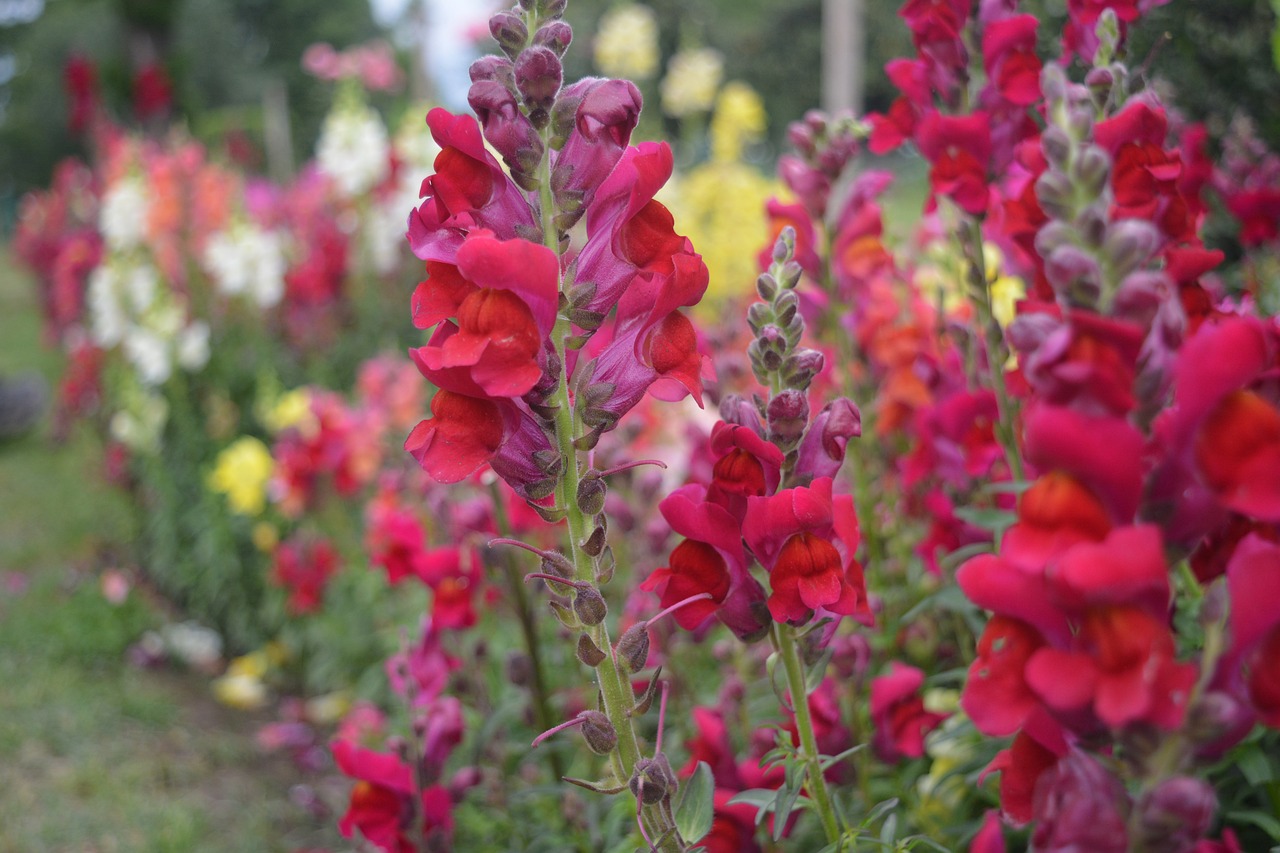
beautiful snapdragon plants
Image Credit: rohitsingh_88, Pixabay

What Flowers Are Safe for Dogs?

Now that you know what flowers you shouldn’t have in your yard and home, what flowers are left? Don’t worry that you can’t have any flowers around to make your house more beautiful, as many flowers are perfectly safe and non-toxic for your pup! Just a few of these include:

  • Marigolds
  • Moth Orchids
  • Nasturtium (Tropaeolum majus, not watercress Nasturtium officinale)
  • Sunflowers
  • Honeysuckle Fuchsia
  • Coreopsis
  • Cornflowers
  • Impatiens
  • Snapdragons

How Can I Keep My Dog From Eating My Flowers?

If your dog is eating non-toxic flowers in your yard, you probably would like them to stop. So, how can you do this? The best way is to keep your pet out of your flower beds altogether, and you can accomplish this in several ways.

The easiest way to keep your pup out of your flower beds is to keep them on a leash whenever they’re out in the yard. However, this isn’t ideal because, most likely, you want your dog to have a chance to run around and play while outside. That means you need to block off the flower beds somehow, which you can do by installing fences around the flowers or planting barrier plants around the flower beds. Barrier plants would be dog-safe plants that are tall or thick enough your dog doesn’t want to walk through or jump over them.

You can also plant flowers in areas your dog can’t reach or hang them from the ceiling if the flowers are inside. If your dog can’t get to the flowers, they certainly can’t eat them!

Training your pet to stay away from flowers is a sure bet. Ideally, you would begin training your pup from an early age to avoid any flower beds and flowers they see. With proper training, you can teach your pet to respect certain boundaries in your yard or leave the flowers when they get near them.

Finally, if you believe your dog is munching on your flowers because they’re bored or in a destructive mood, up their daily exercise and playtime! Dogs who don’t get enough exercise through walks or playtime can quickly become bored, leading to things like flower bed carnage. By ensuring you are playing with your pet daily and taking them for long enough walks, your flower beds should be kept much safer.
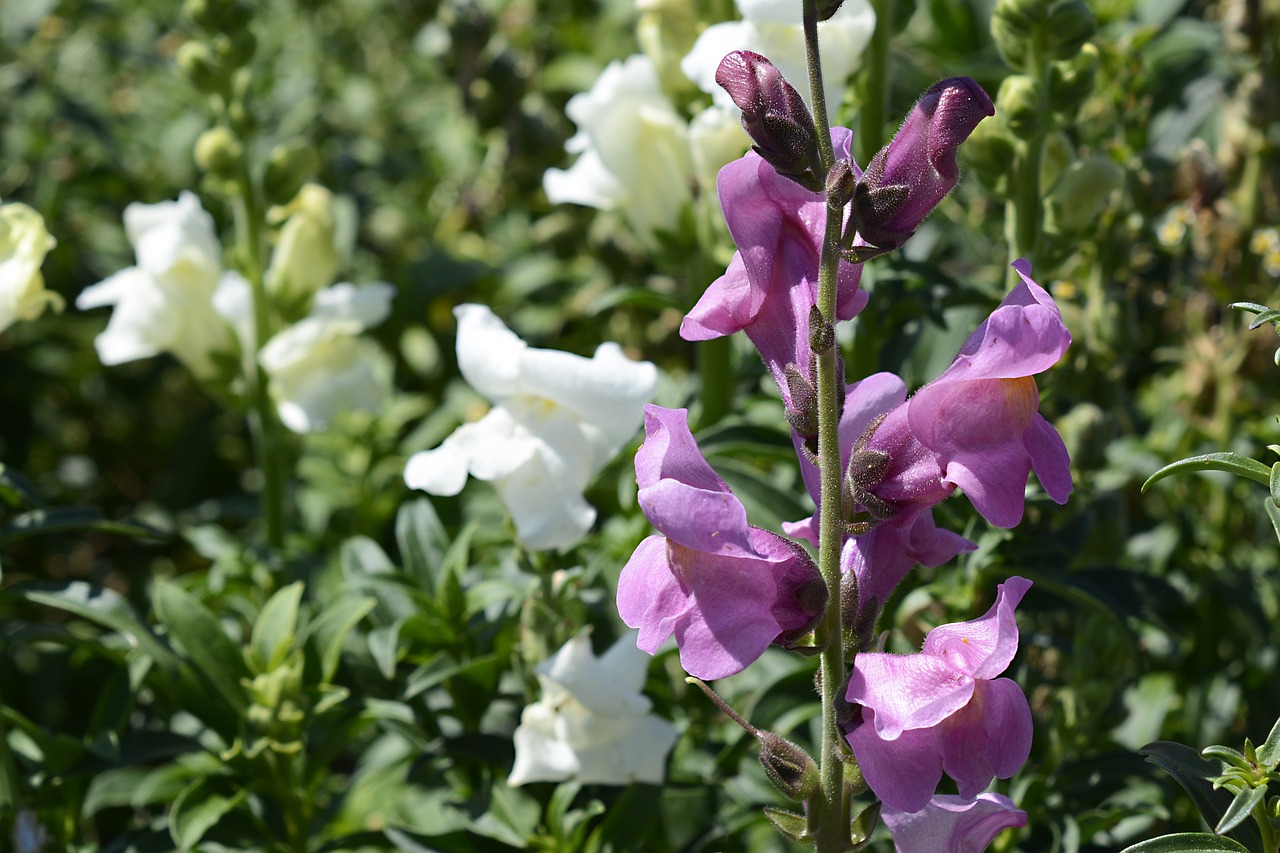
purple and whote snapdragon plants
Image Credit: anncapictures, Pixabay

divider dog paws 4 oct 2024

Conclusion

Snapdragons are non-toxic for dogs, so they’re perfectly safe for your yard. Several other flowers are safe to have in your yard, as well, though many are toxic to canines and should be avoided altogether.

Whatever flowers you decide to have in your yard, you can take steps to ensure their safety from your dog’s teeth and paws. Putting barriers around flower beds, planting flowers in out-of-the-way spots your dog can’t reach, and training your pet to avoid flowers can help keep flowers and dogs safe.

See Also:


Featured Image Credit: ignartonosbg, Pixabay

Want content like this delivered to you?

Sign Up For Our Newsletter

News, insights, expert advice, and everything dog

* By submitting, you agree to our Terms & Conditions and Privacy & Cookies Policy.


How useful was this post?

Click on a star to rate (you can leave written feedback after clicking submit)

Help us improve Dogster for pet parents!

Your feedback really matters.

What did you like about this post? Also how can we improve it?

Join the conversation

Leave a Reply

You’re very welcome to leave a comment or question. Please know that all comments must meet our community guidelines, and your email address will NOT be published. Let’s have a positive and constructive conversation.


Talk With A Vet Online

Peace of mind,
anywhere, anytime

Affordable vet advice

Why Does a Dog Twitch in Their Sleep? Should You Worry?

One of the best things about dog ownership is curling up together in the living room at the end of a long day....

Black Golden Retriever: Info, Pictures, Origin & History

Can Golden Retrievers be black? Many people believe that they only come in a simple shade of gold, hence the name. Black is...

My Puppy Still Has Worms After Deworming: Our Vet Explains

Puppies and worms are like peanut butter and jelly—not that they taste great but rather that they are commonly seen together. Puppies can...

How to Train a Husky: 7 Vet Approved Tips & Tricks

The Siberian Husky’s joyous energy and unconditional friendliness make them one of the most delightful dogs to own, but any pet parent can...

More related

Canvaspop Personalized Pet Portraits Review 2026: An Expert’s Breakdown

*Use Code PRINTYOURS What Are Canvaspop Personalized Pet Portraits? Pet portraits are not exactly a new idea, but Canvaspop makes your dog’s picture...

Ask Dr. Paola- Nipples, Adverse Reactions & Affordable Medication Options (August 11, 2025)

Welcome to our “Ask Dr. Paola” series, where every Monday we bring expert advice straight from Dr. Paola Cuevas (MVZ) to help our...

Is Cocoa Butter Safe for Dogs? Vet-Verified Safety & Advice

You might be suspicious of cocoa butter when you have dogs. After all, we’ve had it beat into our heads for years that...

17 Best Dog Breeds for Search & Rescue (With Info & Pictures)

Search and rescue dogs are a vital part of human society that provide a rapid response to a crisis or serve as valuable...

Keep reading

5 Dog-Friendly Burrito Recipes You Can Make Today (Vet Approved)

Did someone say burrito? Burritos have become a desired cuisine in the U.S., and we’re sure no dog would turn their nose up at the chance for a taste. However, burritos cooked for humans are not particularly friendly for dogs,...

Dog-Friendly Burrito Recipes You Can Make Today

Can Dogs Eat Rice Cakes? Vet-Verified Nutrition Facts & FAQ

Rice cakes are a very popular snack that is often used as a lower-calorie alternative to bread, crackers, and chips. Since we frequently find ourselves wondering what foods in our pantry are safe for our dogs to eat, it’s important...

Can Dogs Eat_Rice Cakes

Can Dogs Eat Eggs With Cheese? Vet-Reviewed Health & Nutrition Guide

Feeding your dog tasty treats is one of the simple joys in life, and as many dog owners will attest, it’s even more fun when you and your pet can share the same meal. If you’ve just made a delicious...

Can Dogs Eat Eggs With Cheese

Can Dogs Eat Rotisserie Chicken? Vet-Approved Benefits, Risks, & FAQ

Who can resist the mouthwatering aroma of a perfectly cooked rotisserie chicken? Whether it’s a family gathering, a summer picnic, or a quick and convenient dinner option, rotisserie chicken has become a popular choice for many. But what about our...

Can Dogs Eat_Rotisserie Chicken

How Much Should I Feed My Corgi? Vet-Reviewed Feeding Guide

Most Corgis love to eat. They’re food-driven, and there’s nothing wrong with that! But while you’ll never have to question how to motivate your Corgi, one thing you might have to worry about is their overeating. Corgis always want to...

Hungry Welsh corgi Pembroke or cardigan puppy eats from ceramic bowl standing on fleecy carpet

Can Dog Food Go Bad? Vet-Approved Facts & Tips to Preserve It

< Every dog owner has been in a situation where they buy bulk dog food to save money, trips to the grocery store, or time. Maybe you couldn’t power through that one open bag of dog food quite yet, or...

wet and dry dog food

Best Canned Pumpkin for Dogs: Our Top 6 Picks in 2026

Pumpkin isn’t just an autumn treat anymore—especially when it comes to your dog. Canned pumpkin is a popular treat and dog food topper, and many dogs can’t get enough of it! It’s also a healthy superfood that has many benefits...

Dog beside Pumpkin

Can Dogs Eat Pudding? Vet-Reviewed Facts & FAQ

Imagine this: You’re feeling nostalgic for the school lunches you ate as a kid. You’re halfway through your peanut butter and jelly sandwich when you spot a fresh cup of pudding. As you pull back the lid, your hands slip,...

Can Dogs Eat_pudding

Love Dogs? So Do We! Join the Dogster Community

Stay informed with expert pet care insights delivered straight to your inbox! Discover professional guidance on animal behavior, feeding tips, trusted product picks, and much more.


Sign up for the Dogster Email Newsletter