

In this article
View 5 More +Antifreeze, a common household product used to help prevent freezing in automobiles, can cause immense harm to our companion animals. This dangerous liquid may be tempting to dogs, and the results of ingestion without treatment can be disastrous. Continue reading to learn about this deadly toxin and how to keep your pet safe from harm.

What Is Antifreeze and Antifreeze Poisoning?
Antifreeze is a product often used to prevent liquids from freezing and increase their boiling point. In car engines, antifreeze helps to regulate the engine temperature. The main ingredient in antifreeze is ethylene glycol, which can also be found in brake fluid and deicers. In smaller amounts, ethylene glycol can be found in ink and polishes. Ethylene glycol can also be found in snow globes and fire extinguishers.
Dogs are most often exposed to antifreeze during vehicle maintenance. If dogs ingest even a small amount of ethylene glycol, the key ingredient in antifreeze, they can experience toxicosis. When a dog ingests ethylene glycol, small crystals eventually form in the kidneys, leading to kidney failure.
Antifreeze toxicity can have different clinical signs depending on the stage of toxicosis, and generally, there are three described stages.
- Ethylene glycol is a gastrointestinal irritant as well as a central nervous system depressant. When antifreeze is consumed, it first causes signs of intoxication and depression because of altered glucose metabolism and neurotransmission.
- As the breakdown of antifreeze continues, products are formed that are damaging to the kidneys, and the patient develops metabolic acidosis.
- Eventually, calcium crystals form, contributing to kidney damage. Crystals formed within the kidneys lead to the decreased production of urine.

What Are the Signs of Antifreeze Poisoning
The clinical signs of toxicosis can vary and are dependent on the processes occurring within the body. Not all animals who experience toxicosis will experience each stage. Unfortunately, death can occur during any stage.
- Ataxia
- Nausea
- Vomiting
- Increase in water intake and urination
- Seizures
- Nystagmus
- Resolution of CNS signs
- Depression
- Increased heart rate and respiratory rate
- Pulmonary effusion
- Lack of urine excretion
- Dehydration
- Oral ulcerations
- Vomiting
- Anorexia
- Death
If you suspect your pet is showing signs of antifreeze poisoning, you should contact your vet directly for an assessment. They can provide you with more information and a care plan.
If you need to speak with a vet but can't get to one, head over to PangoVet. It's our online service where you can talk to a vet online and get the advice you need for your dog — all at an affordable price!
Diagnosing Antifreeze Poisoning
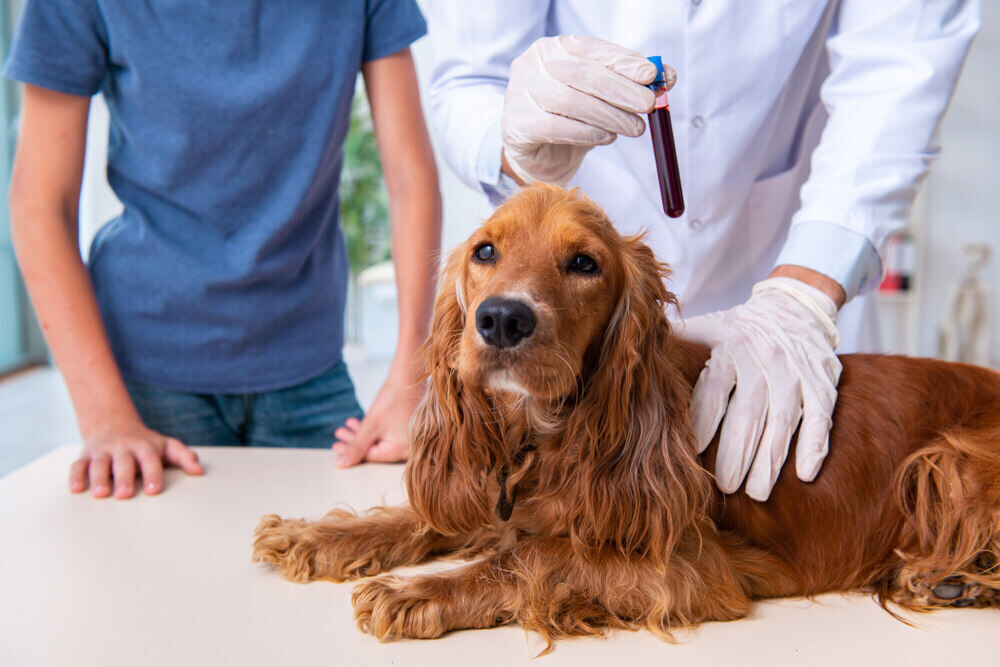
Owners often bring their pets in for evaluation after witnessing or suspecting antifreeze ingestion. The veterinarian will perform a physical examination, listen closely to the patient’s history, and observe clinical signs. Next, the veterinarian will recommend blood tests that may help to diagnose antifreeze or ethylene glycol toxicosis.
A complete blood count may reveal dehydration and abnormally shaped red blood cells. Furthermore, a blood chemistry test will likely show elevated kidney values. Values that will be closely evaluated include creatinine, BUN, and SDMA. Phosphorus can also be high 3 to 6 hours after antifreeze ingestion. Additionally, the pH of the blood will be tested to check for acidosis or alkalosis.
Urine tests can also be helpful. Calcium oxalate crystals can be identified in urine samples within 6 hours of ingestion. However, calcium oxalate crystals are not always present in antifreeze toxicosis, and their identification should not be used exclusively for diagnosis. Urine may be diluted at first because of the over-ingestion of water early in toxicosis.
A special light called a wood light can be shone into the pet’s mouth. Products containing ethylene glycol are often dyed, and this light can help illustrate their fluorescence.
Ultrasound evaluation of the kidneys can show changes to the kidney that are suggestive of ethylene glycol toxicosis.
A few other tests exist that can help diagnose ethylene glycol’s presence in blood, but they may be harder to find outside of large teaching hospitals.
Treating Antifreeze Poisoning
If possible, blood samples that can be used for testing for ethylene glycol should be taken prior to treatment initiation. Severe signs associated with ethylene glycol toxicosis, like seizures, should be addressed immediately.
Ethanol (or fomepizole) is an antidote to ethylene glycol. Both antidotes can be administered intravenously and should be administered as soon as possible to help prevent the metabolism of ethylene glycol.
Supportive care should also be implemented. This includes fluid therapy, which corrects hydration status and metabolic acidosis. Due to the sedating effects of ethylene glycol, help regulating body temperature and close monitoring may be necessary.
How Do I Care for a Dog With Antifreeze Poisoning
Your pet will be hospitalized until deemed healthy enough for discharge. Once home, it is important to continue monitoring your pet’s appetite, water intake, and urination. Any abnormal behavior or sign should be reported to your veterinarian.
Ensure that you follow up regularly with your veterinarian as recommended.
The prognosis is better for dogs that are quickly treated and have not consumed large amounts of ethylene glycol. Dogs who have consumed a large amount of antifreeze, those who did not receive fast intervention, or dogs who present with elevated kidney values or abnormal ultrasound findings carry a more guarded prognosis.

Frequently Asked Questions
Are there safer alternatives to ethylene glycol?
Yes, propylene glycol is an alternative to ethylene glycol and can be found in certain antifreeze products. This substance is considered safer than ethylene glycol. However, it can still be problematic if consumed in large amounts.
I think my dog may have ingested a small amount of antifreeze containing ethylene glycol but seems to be acting fine. What should I do?
Even a small ingestion of ethylene glycol could be problematic. You should immediately call the Pet Poison Helpline at 855-764-7661 or the ASPCA Poison Control Hotline at 888-426-4435. The prognosis for recovery is better if treatment can be initiated before the development of clinical signs.
How can I keep my dog safe from ingesting antifreeze or other chemicals?
- Keep potentially harmful substances stored off the ground away from pet access
- Ensure chemical spills are quickly identified and quickly cleaned
- Physically block your pet from garages or workspaces where potentially dangerous substances are being used
- Consider using products containing propylene glycol over products using ethylene glycol
Conclusion
Ethylene glycol is a highly toxic substance found in automobile fluids and other household items in smaller quantities. Care must be taken to store and handle these products correctly to minimize the risk of exposure to canine companions. If your pet has ingested any amount of ethylene glycol, a poison helpline should be called, and the owner should be ready to seek immediate veterinary care.
Unfortunately, the prognosis for ethylene glycol toxicosis varies and is dependent on several factors. When owners are able, antifreeze products containing propylene glycol may be better suited in an animal-friendly household.
Featured Image Credit: fireFX, Shutterstock




























2 Responses
can antifreeze be detected from your dog's ashes?
Hello Constance,
thank you for your question. Unfortunately, after cremation it is basically impossible to detect the antifreeze, unless you turn to some specialized forensic lab. Even then the detection is highly unlikely.
Hope this helps.