My Dog Eats Too Fast: 6 Vet-Reviewed Tips on How to Slow Them Down


In this article
Disclaimer
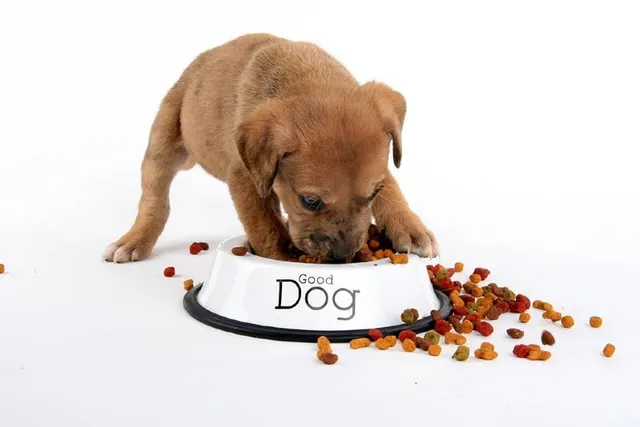
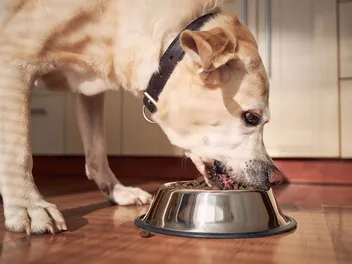
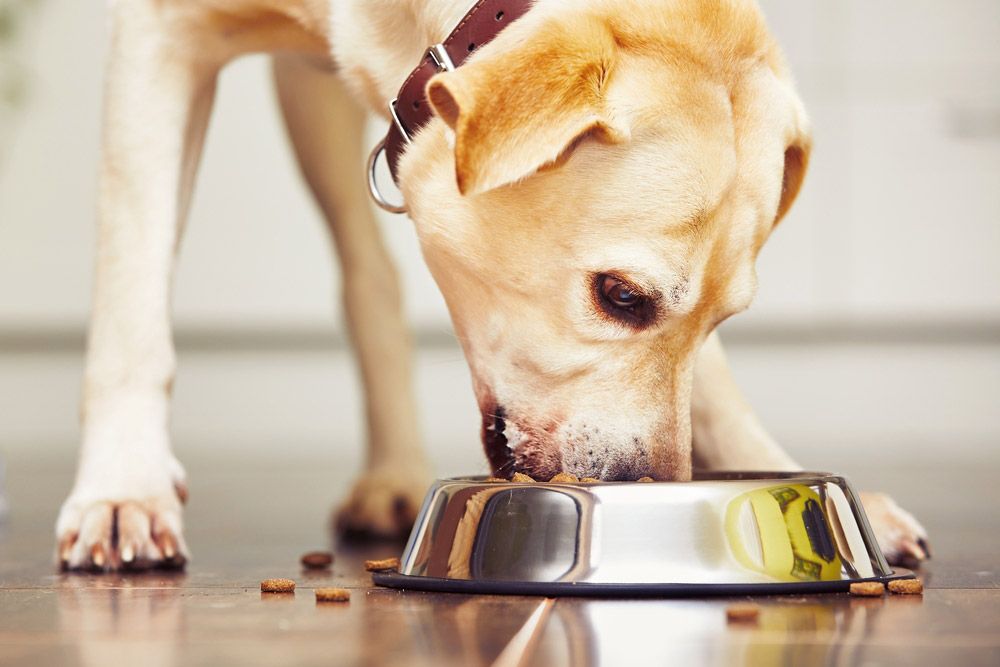
Some dogs eat their food very quickly. But how fast is too fast? It might just seem like your dog is hungry or enjoys their food, but eating too fast can be harmful for your dog. Fast eating is a problem that affects many dogs each year, and it is a problem that can be identified, targeted, and solved through a variety of different methods. Here is everything you need to know about fast eating in dogs, including the causes, the solutions, and how to slow down a dog eating to alleviate the issue.

Signs Your Dog Is Eating Too Fast
Some dogs seem to eat quickly, but they might not actually be eating too fast. Dogs eat the same food every day, and they get very good at eating their prescribed meal. So, how do you know that your dog is actually eating too fast? There are some signs that will tip you off to the fact that your dog is eating too fast.
Dog eating too fast symptoms include:
If your dog has any of these signs, they could be eating too fast, and that can potentially lead to problems down the line. There are many reasons that dogs eat too quickly, and many of them are psychological.

The 4 Possible Reasons Why Your Dog Is Eating Too Fast
1. Competition
One of the main reasons that dogs eat too fast is due to competition. This is especially true if you have multiple dogs (or multiple pets). Dogs that feel competition from other animals in the household will eat quickly in order to ensure that they get their food down their gullet before anyone else can sneak in and steal their kibble away.
Dogs that live alone could still feel the specter of competition from past events. If a dog comes from the shelter or from the streets, this instinct to eat quickly to ensure that no one comes along and takes it away could linger even when there is no longer any pressing competition threatening their meal.
Solution
2. Food Insecurity

Dogs that do not know when or where their next meal is coming from will often gulp down whatever food they can as quickly as possible. This is because they want to ensure they get as much food in their belly when the food is available because they might not know when they will eat again.
Food insecurity can affect dogs that were in the shelter, on the streets, or were in an abusive situation where their previous owner did not feed them regularly. When a dog feels like their food supply is not secure or guaranteed, they will eat faster than other dogs that feel more secure.
Solution
3. Poor Nutrition or Deficiencies
If a dog has a nutritional deficiency, their body will tell them they need more food to try to alleviate the problem. This can lead to faster than normal eating. Dogs will often know when they have a deficiency, even if you don’t. Dogs can get deficiencies from poor/ inadequate diets, parasites, and underlying health conditions.
Solution
4. Illness or Disease

There are a few diseases that can affect a dog’s metabolism, which can cause them to feel hungrier than usual. Diseases such as Cushing’s disease or diabetes can cause a dog to feel abnormally hungry, which can cause them to eat faster than normal.
Solution
How to Slow Your Dog’s Eating
Puzzle Bowls
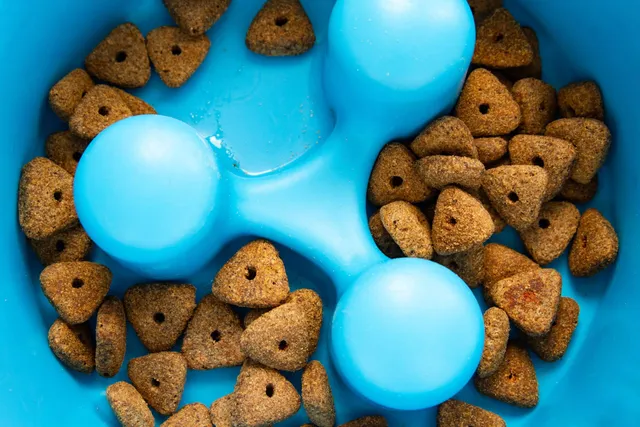
Puzzle bowls are cleverly designed to make your dog do a task in order to get food. Some of these include a wobbler in the middle that your dog has to paw to get kibbles to fall into the bowl below. Others have a spinner that your dog has to smack to get kibble to come out. Others have moving pieces, and the food is distributed between different layers that your dog has to move around to reveal the rest of the food. Puzzle bowls have the added benefit of providing mental stimulation in addition to slowing down your dog’s eating. You can find a variety of different puzzle bowls online or in store for you to choose from.
Slow Feeding Bowls

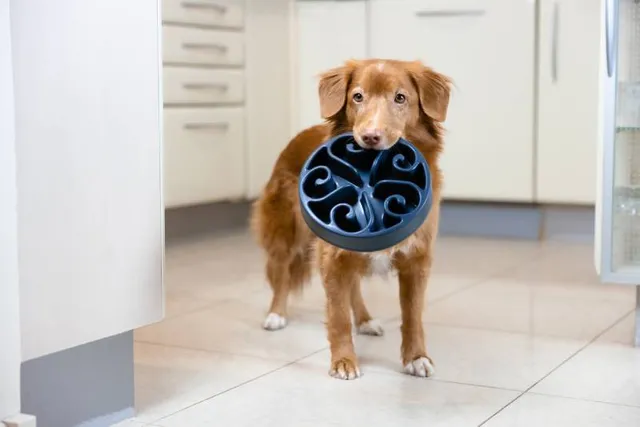
Slow feeding bowls are slightly different from puzzle bowls. Slow feeding bowls add an obstacle to the bowl to prevent rapid ingestion of food, but they do not require that your dog do a specific task to get the food. Slow feeding bowls are hit or miss. The most persistent eaters will still be able to breeze through a slow feeding bowl, so be sure to check the reviews before making a purchase. Slow feeding bowls work for some dogs but not for others.
Feed on a Cookie Sheet
One easy way to slow your dog’s eating down is to use a cookie sheet. By spreading your dog’s kibble across a slippery cookie sheet, they will have a hard time eating large amounts of food in a short amount of time. Simply spread the kibble across the sheet and see if it manages to slow your dog’s speed down. Be aware that your dog might scratch or dent the sheet while eating, so don’t use your favorite cookie sheet if you are worried about this possibility.
Use a Muffin Pan
Another way to slow your dog’s eating with something you might have lying around the house is to use a muffin pan. By distributing small amounts of food throughout the pan, your dog will have to eat a mouthful from a small cup multiple times to get the whole meal. The small muffin tin cups also prevent your dog from inhaling too much air while eating.
Hand Feed

The last way you can ensure that your dog eats more slowly is to hand feed your dog. This is the most time intensive way to get the results you want, as you will have to give your dog a small amount of food and then wait. Hand feeding is free, and it guarantees that your dog will eat the allotted amount of food in a desirable amount of time. But not everyone will want to sit and dole out a few kibbles at a time to slow their dog down. If you do have the patience, this is a great way to ensure that your dog does not eat too quickly just make sure you don’t get accidentally bitten in the process!
Frequently Asked Questions
Can Dogs Overeat and Die?
Overeating can lead to a condition called food bloat, where a dog’s stomach expands to accommodate all the food they have consumed. In the worst cases, they have eaten something toxic that might kill them, and most of the time they have got into a bag of kibble. Dogs with food bloat can experience bloated abdomens, vomiting, retching, dehydration, and abdominal pain. Veterinary treatment is necessary for food bloat with any of these clinical signs. Complications from this condition can (rarely) be fatal.
Can Dogs Eat Too Fast and Die?
Yes. Eating too quickly is a risk factor for a fatal condition called gastric dilatation-volvulus, also known as “bloat” or “GDV”. Bloat happens when a dog’s stomach fills with air or gas and bloats. When the stomach is inflated, it is at a high risk of twisting or flipping on itself, which can cut off blood flow and cause tissue death and shock, which can be fatal within hours.
Large dogs and deep-chested dogs are at much higher risk of developing bloat. If you have one of these dogs that eats quickly, they could be putting their life in jeopardy by doing so.
Conclusion
Fast eating might not seem like a problem at first, but it can lead to problems like gastric dilatation and volvulus. Dogs need to eat at a reasonable speed for their own health. There are many reasons why dogs eat fast, and some will need medication or other interventions. If you are curious about your particular dog’s habits or behaviors, consult your veterinarian for more specific information.
Featured Image By: Jaromir Chalabala, Shutterstock
Expert dog care, straight to your inbox
Vet-reviewed advice, training tips, and the best of Dogster. Free, and you can unsubscribe anytime.
By signing up, you agree to our Terms & Conditions and Privacy & Cookies Policy.
Join the conversation
Ask a question, share your story, or send private feedback.