Can Dogs Eat Pumpkin? Vet-Approved Nutrition & Health Facts

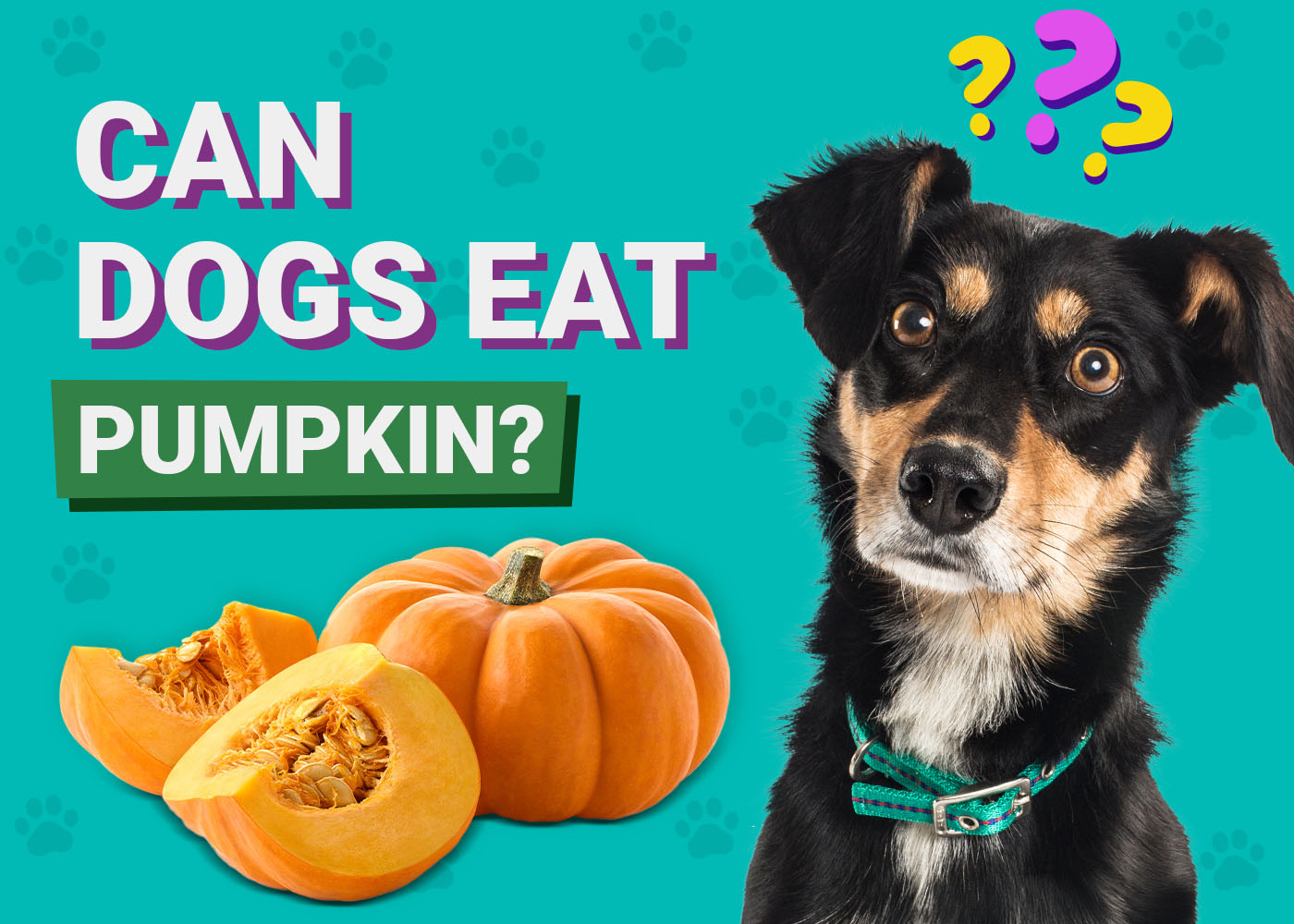
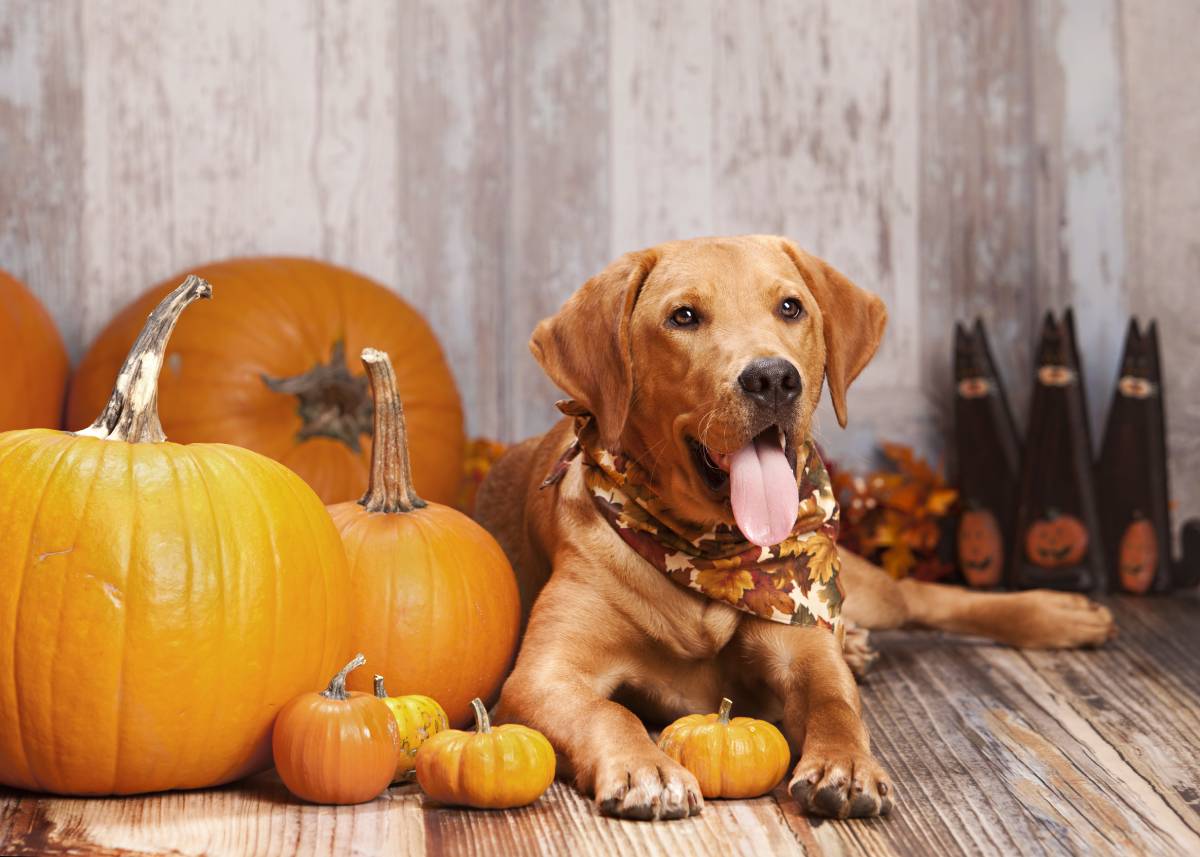
This delicious orange vegetable is non-toxic to dogs, but is it healthy for them to eat? The answer is yes! Pumpkins are enjoyed by people and their pets, and they benefit nutritionally from them.
A fun fact is that although pumpkins are commonly used as a vegetable in the culinary world, they are actually fruit because they contain seeds. Regardless of what they are, they make an excellent snack for dogs and we’re going to discuss why, so keep reading!

Benefits of Feeding Pumpkin to Dogs
Pumpkin is a powerhouse food for dogs and is commonly found in many dog food recipes. Although there are several types of pumpkin, you don’t need to worry about getting your dog the “right one” because they’re all packed with nutrients that are wonderful for your dog’s health.
Here’s why pumpkin is an excellent snack for dogs:

Rich in Vitamins and Minerals
Pumpkin is high in vitamins A and C. Vitamin A contributes to a healthy coat and skin and is vital for bone development, immune health, and vision health. Vitamin C is helpful for boosting immunity. Pumpkins also contain vitamins B2 and E, which also play a role in healthy skin.
It is also packed with potassium, copper, manganese, and iron, as well as smaller amounts of magnesium, phosphorus, and zinc. These minerals are responsible for nerve health, absorbing iron, making red blood cells, and producing energy. Although dogs get everything they need from a complete and balanced dog food, pumpkin certainly is a great addition.
Low in Calories
Pumpkin can be enjoyed by all dogs, even overweight ones. They can be added to weight management programs for dogs because they’re nutrient-dense and low in calories, therefore making them a better alternative to many commercial treats. They’re also water-dense as they contain 91% water and can boost hydration.
High Antioxidant Content
Pumpkins contain alpha-carotene and beta-carotene. These are antioxidants that work to stop free radicals from damaging your dog’s cells. Antioxidants protect dogs from diseases and lower the risk of cancer.


What Parts of the Pumpkin Can Dogs Eat?
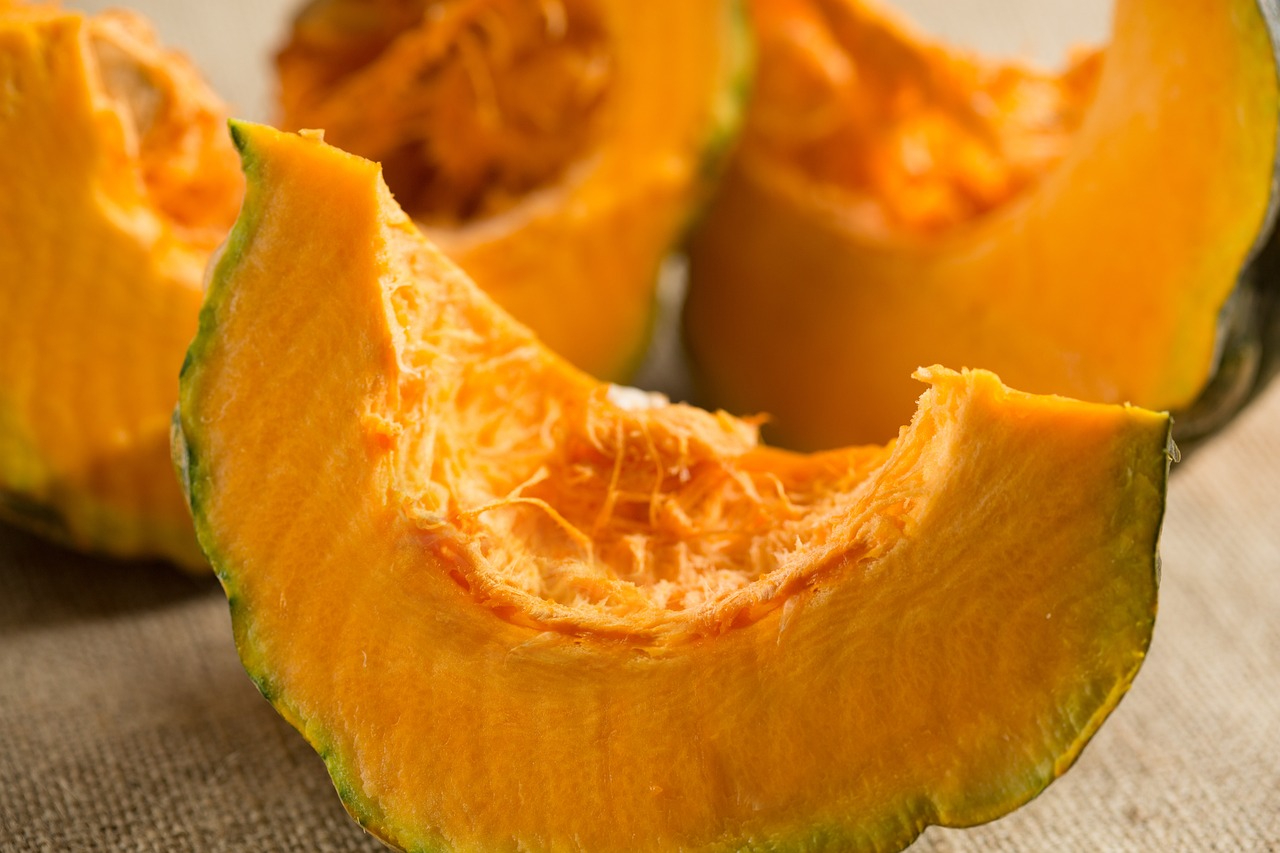
Dogs can eat the meat of pumpkins as well as the seeds. The seeds are also nutritious for your dog as they contain copper, zinc, and magnesium. Dogs also tend to enjoy the crunchy texture of the seeds, but they can be a choking hazard, so it is important to watch your dog when they eat them. A safer way to feed your dog pumpkin seeds is to roast them, grind them, and mix the powder into your dog’s food.
Don’t give your dog pumpkin with skin on it because it is tough to chew and digest, potentially contributing to a gastrointestinal foreign body known as a phytobezoar. The stem and leaves should also be removed because they are covered in prickly hairs that might irritate your dog’s mouth and digestive tract if swallowed.
Although dogs can eat pumpkin raw, it is safer to give it to them cooked. Raw pumpkin is harder for dogs to digest and can be a choking hazard. If this occurs, you will need to take your dog to the veterinarian for intervention.
Pumpkin Can Help Dogs with Diarrhea
Diarrhea isn’t uncommon in dogs, but it is messy and uncomfortable and can cause your dog to lose fluid. It can be caused by anything from parasites, bacteria, viruses, organ problems, and intestinal disease to eating something they shouldn’t have, or a change of food. Mild diarrhea isn’t always something to worry about and usually passes quite quickly with the right treatment.
Because pumpkin is high in fiber, it aids in healthy digestion and acts as a prebiotic. Therefore, it is a great food for dogs suffering from diarrhea. It also helps relieve mild constipation. However, giving your dog too much pumpkin can cause diarrhea, so don’t give your dog more than four tablespoons of pumpkin per day, for a medium sized dog.
How To Feed Pumpkin to Your Dog
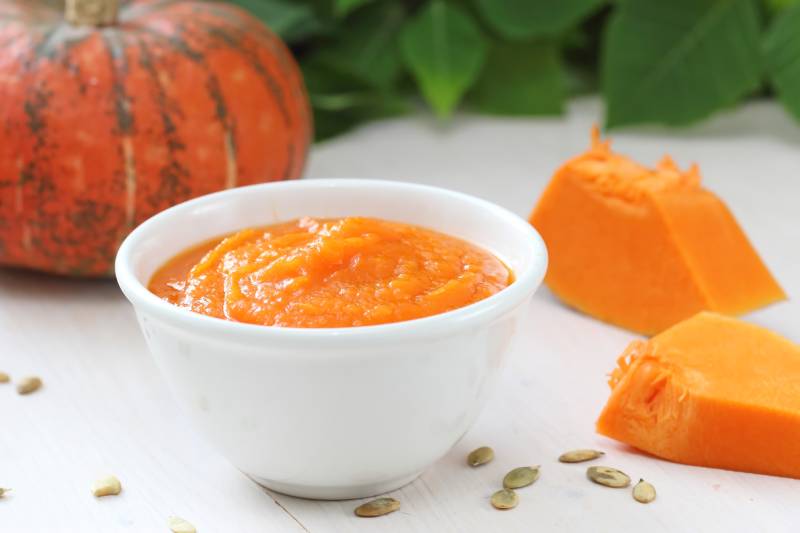
Not only is pumpkin nutritious and tasty, but it is versatile and can easily be added to your dog’s food. It has a sweet flavor, which is appealing to dogs. It can be cooked and chopped up into cubes for easy consumption. It can also be mashed for a different texture that your dog may like or mixed into your dog’s kibble. Kibble is a dry food, and adding pumpkin as a topper to their food will add flavor and moisture to your dog’s meal.
To prepare pumpkins for your dog, you must remove the tough skin. Once you’ve cut it open, you will need to remove the seeds and stringy parts. You can cut it into bite-sized cubes and roast, steam, or boil it.
If you want to make things exciting for your dog, you can mix banana and peanut butter with your pumpkin and scoop the mixture into an ice cube tray. Place it into your freezer overnight and bring out your pumpkin popsicles on a hot day for your dog to lick up and enjoy. Plain pumpkin is good for dogs but adding spices or sugar is not recommended. Some spices are toxic to dogs and sugar can upset your dog’s stomach.
Although pumpkin is used in a lot of delicious dishes, you should not share these with your dog due to the other ingredients they contain. For example, pumpkin pie often contains nutmeg and xylitol, which are both dangerous for dogs.

Conclusion
Dogs can certainly eat pumpkin. If this vegetable isn’t already in your dog’s food, you can mix cooked pumpkin in with their kibble, which will make their meal tastier and more hydrating. Pumpkin is packed with loads of vitamins, minerals, and antioxidants, which boost immunity, contribute to a healthy coat and skin, reduce the risk of developing certain cancers, and much more.
It is a nutrient-dense food that is low in calories, making it a great snack for overweight dogs. It can also be used when switching your dog onto new food because it helps relieve and prevent diarrhea. It can also relieve constipation, so make sure you always have some pumpkin on hand!
See also:
Sources
Featured Image Credit; Regesha Iryna, Shutterstock
Expert dog care, straight to your inbox
Vet-reviewed advice, training tips, and the best of Dogster. Free, and you can unsubscribe anytime.
By signing up, you agree to our Terms & Conditions and Privacy & Cookies Policy.
Keri-Beth is a freelance writer from South African who specializes in animals. She has grown up with a range of pets, volunteered at many shelters, and is highly passionate about pet care. Currently, Keri-Beth is raising two dogs - Benji, the Golden Cocker Spaniel, and Gracie, the Boerboel. With so much information out there, Keri-Beth has made it her questo to make pet care as easy and straightforward as possible for any pet parent in the world.
In her spare time, Keri-Beth enjoys photography, camping, and spending time with her husband, who is a professional drummer.
Join the conversation
Ask a question, share your story, or send private feedback.