In this article
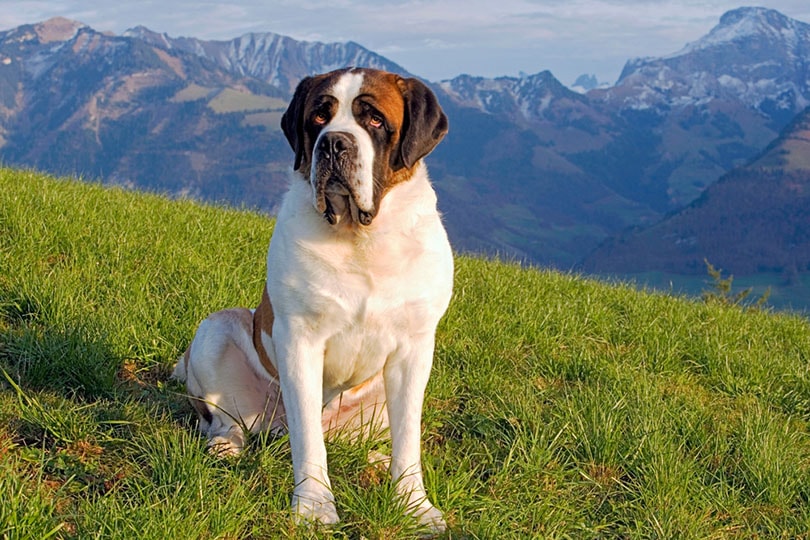
St. Bernards are one of the most iconic giant dog breeds, and you may know them from the movie Beethoven or for their reputation as mountain rescue dogs. These gentle giants have thick, cold-resistant coats and devoted, loving temperaments that make them excellent family dogs. We know they’re big, but just how big are we talking? At their largest, St. Bernards can reach 120–180 pounds of weight and 25–30 inches of height. For more info on that, read on. We’ll be covering how big St. Bernards get, how they grow as puppies, and more.
St. Bernard Breed Overview
Related to other big breeds like the Mastiff, Newfoundland, and the Great Pyrenees, the St. Bernard has a long history as a rescue dog in the Alps. They were bred by monks of the Great St. Bernard Hospice, thought to guide travelers on their way to Rome. Originally a little smaller than we’re used to, the St. Bernard was later bred with other Molosser-type breeds to gain their current bulk.

St. Bernard Size and Growth Chart
Saint Bernards range in size, but adult females hover around 120–140 pounds while males average 140-180 pounds. Most of a Saint’s growth occurs in their first year, making it very important for you to track and measure it so they have the best chance of growing to their ideal full size and avoiding any health conditions, like obesity, along the way.
| Age | Weight Range | Height Range |
| 2 months | 15–35 pounds | 10–15 inches |
| 4 months | 45–65 pounds | 15–20 inches |
| 6 months | 65–90 pounds | 19–25 inches |
| 8 months | 85–110 pounds | 23–28 inches |
| 12 months | 110–130 pounds | 26–30 inches |
| 18 months | 120–160 pounds | 26–30 inches |
| 2 Years | 120–180 pounds | 26–30 inches |
When Does a St. Bernard Stop Growing?
St. Bernards initially have a rapid growth rate and will usually reach their full height by the time they are around 12 months old. Over the next 6 to 12 months, they will fill out around the chest and hips, particularly males, but there shouldn’t be any significant weight gain after their second birthday.
The 4 Factors Affecting the Size of St. Bernard
There are a few major factors that impact the size of a fully grown St. Bernard: genetics, diet, sex, and exercise. Let’s explore how those can affect your St. Bernard’s adult size below.
1. Genetics
Genetics determine the size of your Saint in two ways: health and the parent size. Conditions like obesity and dysplasia as a puppy can stunt their full growth, but you can also look at the dog’s parents to get a general idea of what they might look like as an adult. Larger parents mean it’s a safe bet your Saint will be big too, while more smaller Saints may produce smaller puppies.
2. Diet
Saints need a lot of food to grow to their full size, and not getting enough as a puppy can stunt their growth. Plenty of food is especially important in the first year when they’re gaining most of their weight and size.
While puppies, you should be offering three to four meals a day to not overwhelm their relatively small stomachs. At full size (14+ months) or 2 years old, 4 to 8 cups of food split between two to three meals is a relatively standard meal portion.

3. Sex
Female Saint Bernards trend smaller than their male counterparts, capping at around 140 pounds on the large end, while males grow up to 180 pounds or so. Males are more outgoing and adventurous than females in general, who are usually more docile and protective of their homes.
4. Exercise
Like all dogs, St. Bernards need plenty of exercise to burn off extra calories and stay fit. Unlike other big dogs, Saints have relatively low energy levels and are easily satisfied with about half an hour to an hour of regular playtime or walks per day. Some dogs are more energetic than others, but in general, more exercise can be detrimental by contributing to dysplasia later in life.
We recommend supplementing vigorous exercise with mental exercise like obedience training or puzzle toys, which help keep your Saint occupied and active when they might otherwise prefer a nice nap. Your Saint will go nuts for a stuffed Kong with a chilled treat inside on a hot day, or you can try to have them tackle a snuffle mat for a more involved challenge.
Ideal Diet for Maintaining a Healthy Weight
Saint Bernards are some of the biggest dogs in the world, and as you can imagine, they need a lot of food to stay healthy and in shape. A high-quality dog food contains all the protein, carbs, and other essential nutrients your Saint needs, and a food specifically formulated for giant breed dogs should comprise 90% of their diet. The remaining 10% is for treats, at your discretion.
You may wish to consult with a vet about a feeding schedule while your Saint is young. This can be very beneficial in avoiding painful hip dysplasia, in which St. Bernards are more vulnerable due to their fast growth rate as puppies.
If you need to speak with a vet but can't get to one, head over to PangoVet. It's our online service where you can talk to a vet online and get the personalized advice you need for your pet — all at an affordable price!
How to Measure Your St. Bernard
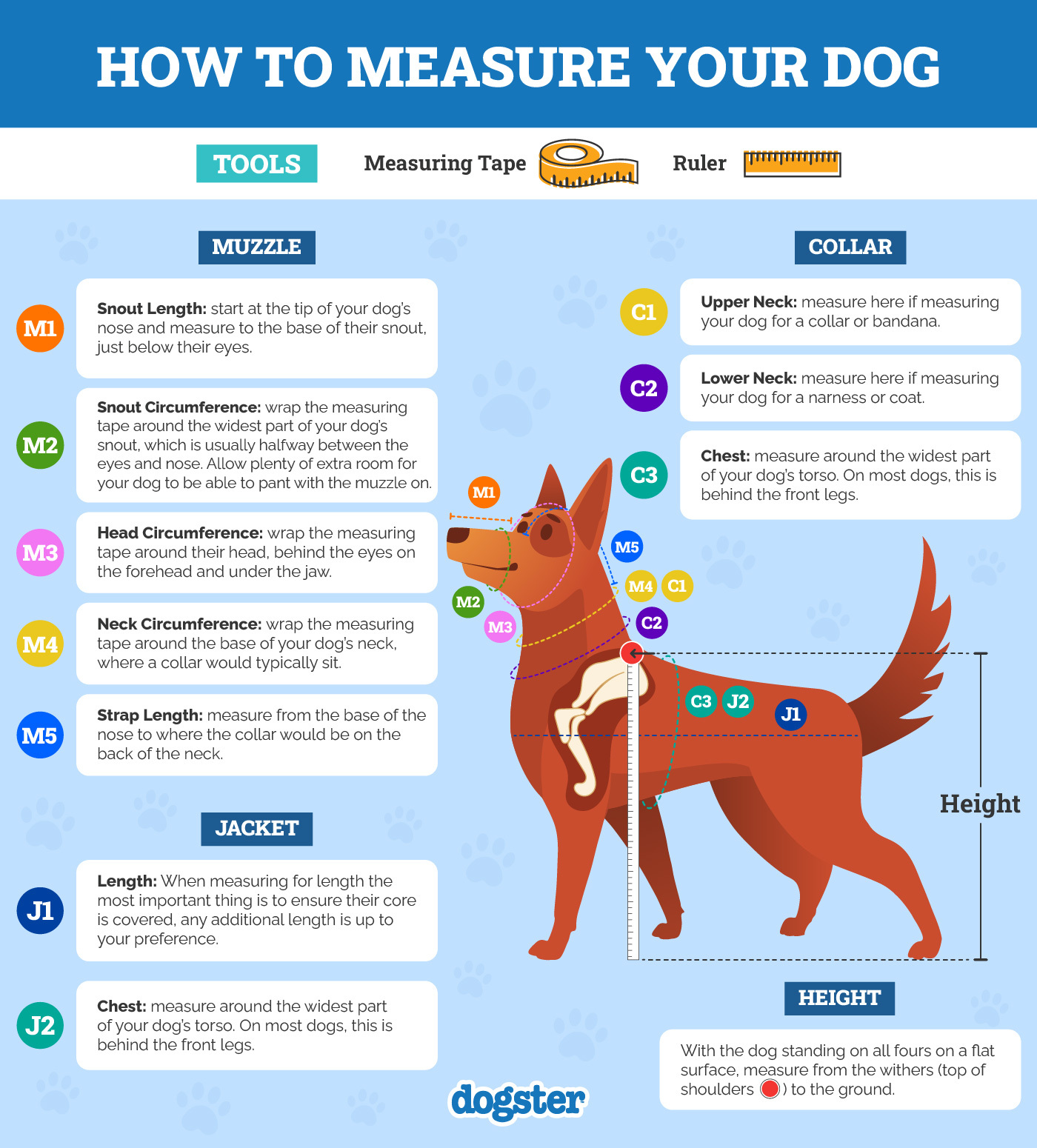
St. Bernards are pretty chill dogs, so they shouldn’t give you much trouble staying still long enough to get a measurement of their height. You’ll need their height when considering crate size, as well as other accessories like leashes or harnesses. You’ll just need a measuring tape/stick, a pen, and a piece of tape. Let’s break that down into an easy step-by-step guide below for you.
How to Measure Your St. Bernard’s Height
- Have your dog stand straight against a wall with their feet spread evenly apart. You can use an assistant to make things easier if necessary.
- Locate their withers. This is the bony midway point between their shoulder blades.
- Measure up from the ground to the withers against your wall and mark the spot with a piece of painter’s tape.
- Give your dog a treat and let them go—they’re done here.
- Write down your measurement.

Final Thoughts
St. Bernards are one of the biggest dog breeds out there, growing to between 120 and 180 pounds in their first 2 years. Ensuring they get enough food and exercise is essential to toeing the line between obesity and malnutrition while avoiding health conditions, too.
Featured Image Credit: rokopix, Shutterstock