In this article
View 8 More +When you mix the Miniature Schnauzer with the American Cocker Spaniel, you’ll end up with the mixed breed and appropriately named Schnocker. The Miniature Schnauzer is a smart and devoted dog, while the Cocker Spaniel is known for their gentle and happy disposition.
You can only end up with a lovely dog when you combine these two incredible breeds!
Breed Overview
Height:
12–15 inches
Weight:
16–25 pounds
Lifespan:
12–15 years
Colors:
Black, brown, white, gray, cream
Suitable for:
Active families, apartments, houses
Temperament:
Sensitive, loving, devoted, friendly, active, sweet
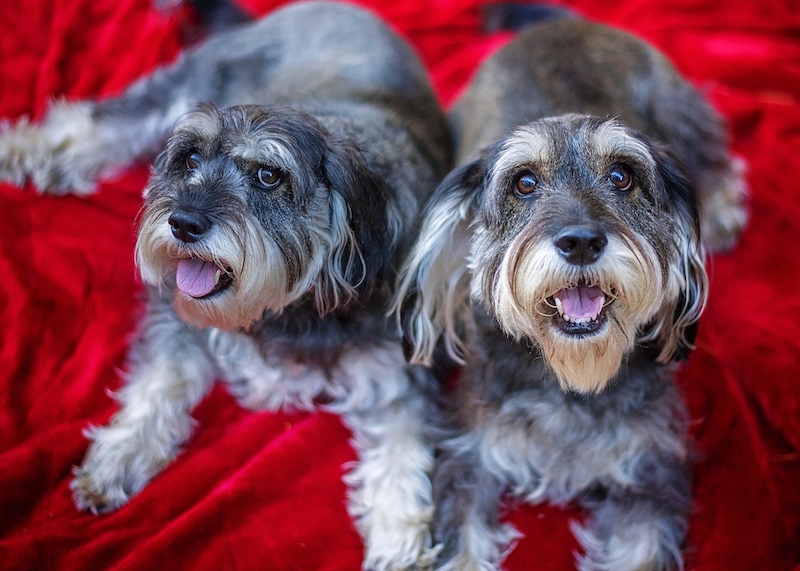
The Schnocker is a small to medium-sized dog with long legs and floppy ears, and they can sport the Schnauzer’s jaunty little beard and eyebrows. The color can vary from black, brown, white, cream, or gray.
Schnocker Characteristics
Schnocker Puppies
Before welcoming a Schnocker into your home, remember that they love being around their human companion. Schnockers are energetic dogs with a long lifespan and are generally quite healthy.
They are trainable because they are so eager to please and are outgoing and social dogs. Be ready to give them enough physical and mental stimulation to avoid boredom. They aren’t easy to find, but if you do, you’ll have an energetic and playful dog with you. Take a full look at the Schnocker’s care guide to keep your pup healthy.

Temperament & Intelligence of the Schnocker 🧠
Both Cocker Spaniels and Miniature Schnauzers are sweet, friendly, and intelligent dogs, so you can expect the same with the Schnocker. This breed is known to be seriously affectionate and loves a good cuddle session with you any chance that they get. Due to their size, they can do equally well in an apartment or house, but they are known to be barkers, so that’s something to take into consideration.
They are known to suffer from serious separation anxiety if left alone for too long, but if they take after their Schnauzer parent more, they might be able to handle it better. Schnockers love being the center of attention and enjoy the company of everyone, including visitors, but beware that this breed tends to be the kind that piddles when overexcited.
Are These Dogs Good for Families?🏡
Schnockers make an amazing family dog! That said, like with any dog, there should always be supervision with younger children. Early socialization is super important, and you should also teach your children to be gentle and respectful to all dogs (and all animals, for that matter).
Does This Breed Get Along with Other Pets?
These dogs do get along with other dogs, but they need to be socialized well if you have any cats or smaller pets. Their high prey drive might cause unwanted chasing and hunting behavior, which won’t occur if they are raised and socialized with these pets.

Things to Know When Owning a Schnocker
Food & Diet Requirements
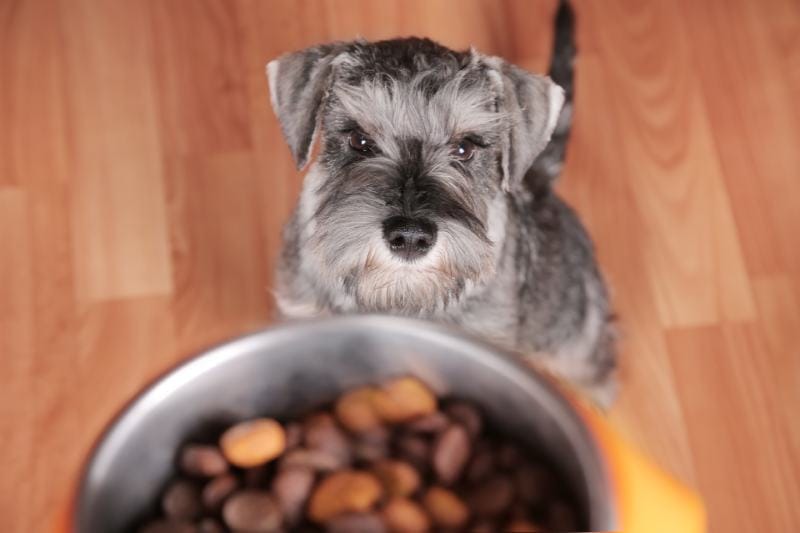
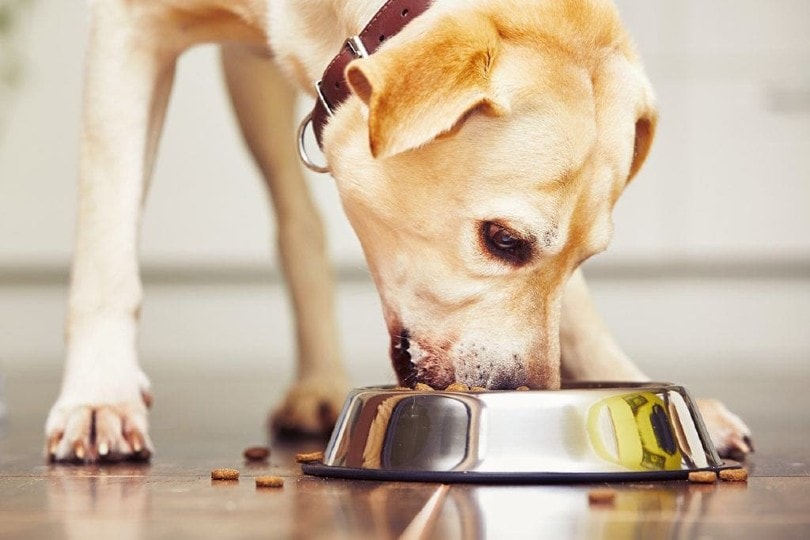
You should start with high-quality dry dog food that is designed for your dog’s current age and activity level. For the Schnocker, you will want to aim for food that is appropriate for medium-sized dogs and has the proper nutrients for a healthy and balanced diet. You can use the instructions on the food bag or speak to your vet about how much you should feed your Schnocker every day.
Exercise
Schnockers are moderately active and should be given a minimum of one walk per day, but more is always better. It’s easy for this breed to become lazy couch potatoes, so always ensure that they are getting daily walks and extra playtime with you.
Training
Schnockers are easy to train because they are intelligent, eager to please, and bright and curious dogs. Keep in mind, however, that their high prey drive also means they can be easily distracted. Socialization is key because while they are not aggressive dogs, their barking can prove problematic, particularly if you reside in an apartment.
Grooming ✂️
Grooming Schnockers is entirely dependent on what kind of coat they inherit from their parents. They can have short or long hair, which can be smooth or rough. However, regardless of their coat, they will need to be brushed twice a week at a minimum. Bathing should only occur when absolutely necessary and only with a good dog shampoo.
The Schnocker’s nails should be clipped every 3–4 weeks, their teeth brushed two to three times per week, and their floppy ears checked and cleaned at least once a week.
Health and Conditions
Schnockers are generally healthy dogs with a long lifespan, but there’s always the possibility that they might inherit their parents’ health conditions. For this reason, it’s a good idea to be familiar with the common health conditions of the Cocker Spaniel and Miniature Schnauzer. Here are a few of the known health issues for the Schnocker.
- Cataracts
- Retained testicles
- Hypothyroidism
- Degeneration of the image forming part of the eye
- Dry eye syndrome
- Cleft palate or lip
- Enlargement of esophagus
- Heart murmur
- Seborrhea
- Retinal dysplasia
- Liver shunt
- Heart defects
- Epilepsy
- Sick sinus syndrome

Male vs. Female
Female Schnockers tend to be a little smaller and lighter than the males, but this can also depend entirely on which parent they take after the most.
Spaying and neutering your dog can help reduce some of the more negative behaviors, such as aggressive, territorial, and marking behaviors.
Technically, there aren’t many differences between male and female dogs. While there can be differences in temperament, a dog’s true personality comes about through training and socialization.
3 Little-Known Facts About the Schnocker
1. The Schnocker’s coat can be almost anything!
The coat can be quite a variety of lengths and styles, depending on which parent the Schnocker takes after the most—it can be long or short, straight or wavy, or coarse or soft.
2. The Schnocker can have a high prey drive
Both the Cocker Spaniel and the Miniature Schnauzer have high prey drives. The Cocker Spaniel is a hunting dog, and the Schnauzer is in the terrier group, so they are both bred to chase small animals. The Schnocker will typically inherit this trait.
3. The Schnocker has webbed feet
Cocker Spaniels (in fact, all Spaniels) have webbed feet, which aids them as hunting dogs and makes them strong swimmers. Schnockers tend to inherit this trait from their Cocker Spaniel parent.

Final Thoughts
Finding one of these dogs might be challenging. You can start by posting your interest in Schnockers on social media and consider speaking to local Cocker Spaniel and Miniature Schnauzer breeders. You can also keep an eye on rescue groups and animal shelters on the off chance that they bring a Schnocker in that needs a good home.
Schnockers are perfect dogs for individuals, seniors, and families. As long as you have the time to spend with them and are searching for a dog looking for plenty of love and cuddles, the Schnocker might be the perfect companion for you!
See Also:
- Miniature Cocker Spaniel: Care Guide, Pictures, Temperament & More
-
Irish Setter Cocker Spaniel Mix: Info, Pictures, Care Guide & More
Featured Image Credit: Crystal Alba, Shutterstock