Sato Dog Breed: Info, Pictures, Facts, Traits & Care

In this article
Sharing similar circumstances, if not physical characteristics, Sato dogs are the homeless canines in Puerto Rico. Though little distinguishes them in personality or looks from other homeless dogs, Sato dogs have earned a unique classification and notable attention from animal welfare groups due to the heartbreak and struggle inherent in their daily lives.
Sato dogs and the rescue organizations working tirelessly to help them survive and thrive deserve our attention, too. Discover the little-known world of the resilient Sato dog and how you and the animal lovers you know can make a difference.
Breed Overview
Height:
Weight:
Lifespan:
Colors:
Suitable for:
Temperament:
Satos are free-ranging dogs living in Puerto Rico’s urban areas, and they have existed for as long as the island has been colonized. They can be any breed. The name “Sato” comes from Puerto Rican slang for street mutts.
Estimates vary widely, but most agree there are between 250,000 and 500,000 Sato dogs. Unlike many stray animals, they stick to a limited range around cities on the 3,500-square-mile island, often having frequent contact with people.
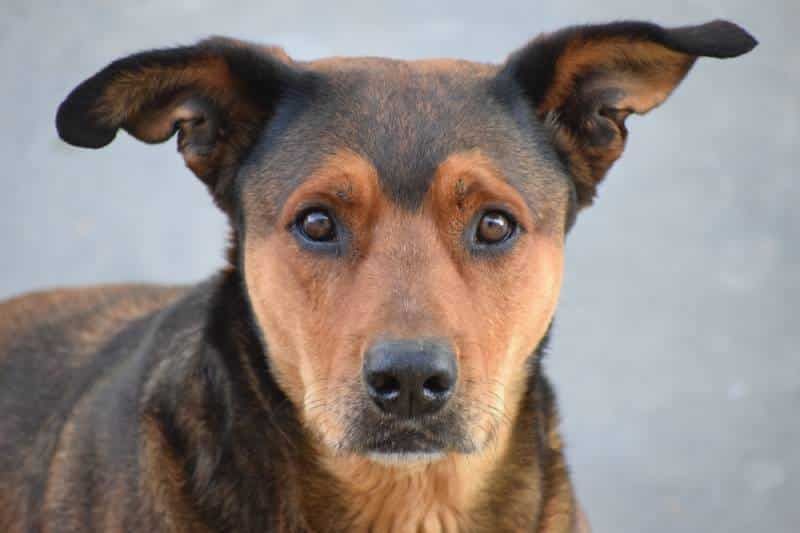
Sato dogs share some characteristics despite their random ancestry. They typically weigh under 30 pounds and present features from working or sporting dogs like Terriers, Retrievers, and Pointers, though any breed can be part of the Sato mix. Chihuahua and Chow Chow genetics are common. Some frequently seen features include large ears (often pointed or button-eared), a long muzzle, a sickle tail, and a short, thick coat.
Sato Dog Characteristics

Sato Dog Puppies

There are no Sato breeders, and you won’t easily find the dogs in your local shelter. The Sato Project is the premier Sato dog rescue effort. The non-profit, founded in 2011, performs rescue, rehabilitation, and spay/neuter services in Puerto Rico while partnering with another non-profit, Wings of Rescue, to fly dogs to New York and New Jersey.
Other Sato rescue groups operating between Puerto Rico and the U.S. include:
Alongside their websites, Sato rescues usually have pages on Petfinder featuring their adoptable dogs and social media footprints to follow news and opportunities. Though many are puppies, these dogs arrive ready for adoption at all ages.
If they are not adopted, Sato dogs entering the States stay with fosters. Most organizations operate in New York, New Jersey, and other parts of the Northeast, though humane organizations around Florida and other parts of the country also partner with groups like The Sato Project to make them more widely available.

Temperament & Intelligence of the Sato Dog 🧠
Sato dog temperaments vary considerably due to the natural differences between the many contributing breeds. Being a stray adds an environmental influence. Dealing with the unexpected challenges of daily life in Puerto Rico and basic survival needs demands adaptability and intelligence. Unsocialized, they’re understandably aloof with strange people.
With countless breeds and individual backgrounds making up the community, defining the Sato dog’s temperament any further is practically impossible. Some dogs were born on the streets, away from any human contact, while others are victims of abandonment or abuse.
The personality spectrum is vast. One Sato could be completely feral and anti-social, but another may know numerous commands and be extremely outgoing around people and other animals.
Are These Dogs Good for Families? 👪
Finding a Sato dog for a family is not a challenge, thanks to the efforts of the rescue groups giving these dogs a new chance at life. Most organizations perform temperament testing alongside routine vet care to ready their dogs for adoption and provide a solid match for their new owners.
Before release, they undergo necessary screenings, vaccinations, deworming, and other medical processes to ensure they and the people adopting them will be happy and safe in their new relationship.

Does This Breed Get Along With Other Pets? 🐶 😽
Sato dogs can often get along well with other pets, though there’s no general tendency one way or the other. Again, the adoption process considers which Satos are the best fit. Applications detail your home situation and needs, and personality assessments with each dog entering the program increase the chances of successful pairings.

Things to Know When Owning a Sato Dog
Living on the streets, Sato dogs often have little experience with typical pet routines and rituals. Many will be timid and afraid in new situations around strange sights, sounds, and people. They may have zero experience on a leash or even in a collar and will show little inhibition when given the chance to run off. They require training, attention, and, more than anything, patience, particularly if they’re older and set in their ways.
Food & Diet Requirement 🦴
As they are generally small and mid-sized dogs, Satos typically need 1–2 cups of dry food daily. Discuss appropriate foods with your vet based on your dog’s life stage and breed requirements. As with any dog, treats will be a crucial part of training but should account for no more than 10% of your dog’s daily calories.

Exercise 🐕
Many Satos are energetic and intelligent dogs that need consistent stimulation inside and outside the home. Though it will vary depending on the dog, a few walks and playtime outside should fill out at least 30–60 minutes of daily exercise.
Indoor enrichment with toys, chews, and puzzle feeders will be handy to help your dog cope with stress. Coming from the streets, many Sato dogs are nervous, fearful, and prone to separation anxiety. Providing mental stimulation will serve as a necessary distraction.
Training 🎾
Training and socialization are top priorities for any Sato dog owner. Before housebreaking and training behaviors, these dogs often need to feel comfortable around human handlers. Positive reinforcement and a gentle touch are the best approaches to developing a foundational trust that facilitates training. The process takes time and patience, especially with older dogs who are less open to new experiences and routines.
Sato dogs typically have little, if any, leash experience, and recall will be a vital focus in overcoming their natural tendencies to run off. In the supply package given to adopters, The Sato Project provides a martingale collar to prevent your dog from escaping, which is a common issue. Though it can be challenging in the beginning, crate training can be an enormous help in housebreaking and managing separation anxiety.

Grooming ✂️
Every Sato is different, but they usually have shorter coats in smooth, curly, or wiry varieties. Grooming is often easy and manageable in the home with a slicker and bristle brush. Follow the rescue’s advice to manage your dog’s unique needs. Generally, you should brush your dog’s teeth at least two to three times weekly, check and trim the nails monthly, and inspect the ears once weekly for cleaning needs.
Health and Conditions 🏥
The primary health issues with Sato dogs don’t involve genetic diseases. As most are mixes, Satos benefit from a diverse gene pool. At the same time, the vast array of breeds and their unique susceptibilities to various disorders make it impossible to label any particular disease as a common Sato ailment.
The predominant problems result from Satos being strays and are easily avoidable through simple annual vaccines and recurring preventative treatments. Approximately 70% of free-ranging dogs The Sato Project finds are heartworm positive. Plenty more suffer from rabies, mange, tapeworm, and a slew of diseases and parasites their rescuers must churn through to revive their chances at life and make them adoption-ready.
Male vs Female
Every Sato carries a hint of the unexpected, so there are few consistent differences between male and female strays. All else being equal, males are typically taller and heavier, and some owners note small but distinct temperament traits. Males are often more outgoing, affectionate, and goofy, while females can seem reserved, serious, and less territorial.
Training, socialization, and environment will impact a dog’s temperament more than anything. Sex is a minor detail that becomes even less influential after spaying and neutering. When adopting a Sato, spay/neuter services are one of many perks included in the adoption fee with most rescue organizations.

3 Little-Known Facts About The Sato Dog
1. Most Sato Dogs Are Rescued from “Dead Dog Beach”
Playa Lucia in Yabucoa on Puerto Rico's southeast corner was once one of the many tourist-worthy beaches defining the island’s edge. But years of neglect have left it more of a dumping ground for the impoverished surrounding community.
In recent decades, Playa Lucia has earned a new nickname: Dead Dog Beach. The grounds are a popular depot for unwanted dogs, with numerous pets adding to the population every week. Due to the high concentration in the area, the beach is a focal point for efforts like The Sato Project.
Every dog has a different story at the beach, and rescuers rarely know what to expect. Some dogs are born into the life with no contact with humans. Others still bear collars and leashes, having only been dumped days or hours before being found. Initiatives have passed in recent years outlawing the practice at the beach, and humane organizations have been increasing education and events like spayathons to reduce abandonment rates.
2. Sato Dogs Endure Constant Hardship
Life in Puerto Rico demands an adaptable and hardy dog. The island is a consistent target for natural disasters, endangering dogs living on the street while displacing others. Recent events like Hurricanes Maria and Irma in 2017, earthquakes in 2020, and 2022’s Hurricane Fiona have all pushed dogs to dire circumstances, adding to an already out-of-control homeless dog population.
3. You Can Help Sato Dogs
Even if you can’t adopt a Sato, anyone can make a meaningful difference for the dogs and the groups supporting them. All Sato rescues are non-profits relying on government aid, volunteers, and contributions from dog lovers.
You can play a role today simply by donating to these organizations, helping them acquire equipment, organizing events, arranging transportation, and further supporting deserving dogs in any way you can.

Final Thoughts
Sato dogs provide an often-overlooked opportunity for prospective owners and animal welfare activists. They demand attention, and their plight can significantly improve if they receive it. Through small contributions from an informed and devoted dog-loving community, groups like The Sato Project have a genuine chance to effect lasting change.
Featured Image Credit: CONICO, Shutterstock
Expert dog care, straight to your inbox
Vet-reviewed advice, training tips, and the best of Dogster. Free, and you can unsubscribe anytime.
By signing up, you agree to our Terms & Conditions and Privacy & Cookies Policy.
Nicole has loved animals of all sizes her whole life so it's no wonder she has dedicated her career to helping them through what she loves best: learning, writing, and sharing knowledge with others. She’s the proud mom of two dogs, a cat, and a human. With a degree in Education and 15+ years of writing experience, Nicole wants to help pet parents and pets around the planet to live happy, safe, and healthy lives.
Join the conversation
Ask a question, share your story, or send private feedback.